Sunday, February 22, 2026

Easy Ways to Reduce Salt Intake Without Losing Flavor

The average person consumes approximately 3,400 milligrams of sodium daily, which exceeds health recommendations by a considerable margin. Salt appears in countless foods we enjoy, including pretzels, sandwiches, and many prepared meals.

The American Heart Association recommends keeping sodium intake to under 1,500 milligrams a day for most adults. That’s not a lot, especially considering how much sodium is hidden in processed foods. People with certain medical conditions should consume even less. 
 
Understanding how to reduce salt in everyday meals is a helpful step toward better long-term health. Let’s look at how you can keep your food tasty without loading up on sodium. 
 
Health Benefits of Reducing Sodium
Cutting back on salt delivers numerous health advantages that extend beyond simply lowering blood pressure:

Better Heart Health: Reducing sodium helps maintain healthy blood pressure levels, decreasing heart attack and stroke risks. The connection between sodium intake and hypertension remains one of the strongest links in nutritional science. 
 
Kidney Health Protection: Your kidneys filter excess sodium through your bloodstream. Consistently high sodium levels force these organs to work harder, potentially causing long-term damage or contributing to kidney stones. 
 
Reduced Fluid Retention: Excess sodium causes your body to retain water, resulting in bloating and uncomfortable swelling in areas like ankles and hands. Limiting salt intake helps maintain proper fluid balance.
 
Enhanced Taste Perception: Many people discover that after reducing salt consumption for several weeks, their taste buds become increasingly sensitive to subtle flavors previously masked by excessive saltiness. 
 
Improved Digestive Comfort: Excessive salt can irritate the digestive tract and trigger uncomfortable symptoms for many individuals, especially those with pre-existing digestive sensitivities. 
 
Research consistently shows that reducing sodium intake helps lower blood pressure, which directly impacts cardiovascular health and reduces complications associated with hypertension. 
 
How to Reduce Sodium Without Losing Flavor 
 
Use Citrus for a Fresh Kick
 
Fresh citrus juices add brightness and depth to dishes while providing a salt-free flavor enhancement. Consider incorporating: 
 
Lemon zest in pasta dishes or sprinkled over vegetables 
 
Lime juice in marinades for fish or chicken 
 
Orange segments in salads for unexpected sweetness 
 
Grapefruit juice in dressings for a tangy kick 
 
Lesser-known citrus varieties like kumquats, tangelos, or yuzu can introduce exciting flavor dimensions to your cooking repertoire. Try squeezing fresh lemon over fish immediately before serving or adding orange zest to your morning oatmeal for a flavor explosion without adding sodium.

The acids in citrus fruits actually trigger the same taste receptors that respond to salt, making them excellent substitutes in many recipes.
 
Swap Salt for Vinegar
Low-Sodium Cooking Tricks
Experiment with different vinegar types to discover unique flavor profiles that complement specific dishes: 
 
Balsamic vinegar drizzled over roasted vegetables 
 
Apple cider vinegar in homemade salad dressings 
 
Rice vinegar for Asian-inspired dishes 
 
Red wine vinegar for Mediterranean flavors 
 
Sherry vinegar for depth in soups and stews 
 
Vinegar contains various antioxidants and compounds that may support digestive health and blood sugar regulation. Aged balsamic varieties develop complex, slightly sweet characteristics that add remarkable depth to dishes without sodium. 
 
Try reducing balsamic vinegar into a thick glaze by simmering until it reaches a syrup-like consistency—this creates a concentrated flavor booster for countless dishes.

Build flavours with vegetables
 
Vegetables contribute natural flavors while adding nutritional value: 
 
Caramelized onions create sweet, rich undertones in dishes 
 
 Roasted garlic cloves develop mellow, nutty flavors 
 
Sautéed mushrooms add umami depth to sauces 
 
Roasted red peppers bring smoky sweetness 
 
Celery adds natural savory notes to soups and stews 
 
Consider making vegetable purées to add body and flavor to sauces without relying on salt. A simple purée of roasted carrots or squash can transform the flavor profile of a dish while adding nutrients. 
 
Remember that while fresh and frozen vegetables naturally contain minimal sodium, canned varieties often include added salt unless labeled "no salt added" or "low sodium."

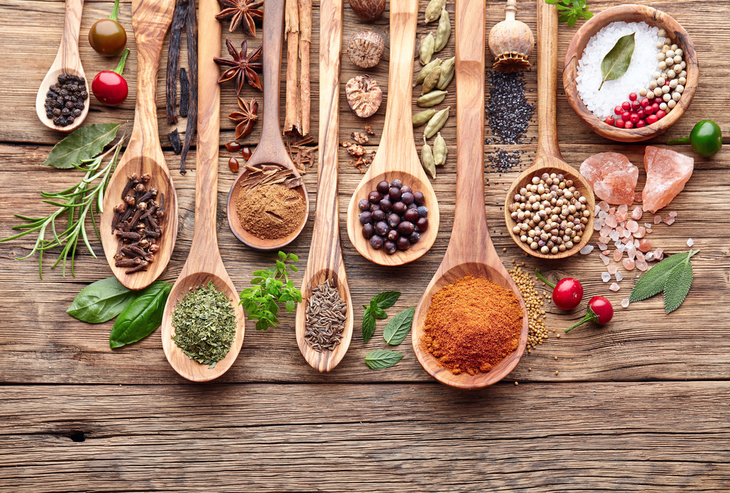
Herbs and Spices are your friends
 Low-Sodium Cooking Tricks
 
The world of herbs and spices offers endless possibilities for salt-free flavor enhancement: 
 
Fresh basil brings aromatic sweetness to Italian dishes 
 
Smoked paprika adds depth to roasted potatoes 
 
Cumin provides earthy warmth to bean dishes 
 
Cinnamon enhances both sweet and savory meals 
 
Oregano complements Mediterranean flavors perfectly 
 
Turmeric contributes color and mild flavor with anti-inflammatory benefits 
 
Creating custom spice blends allows you to develop signature flavors tailored to your preferences. Try mixing dried herbs with complementary spices in small batches to keep on hand for quick flavor additions. 
 
A study published in The American Journal of Clinical Nutrition found that adults who used herb and spice blends in place of salt rated food equally enjoyable while consuming approximately 50% less sodium.

Reduce salt in canned foods
 
Take control of sodium levels in packaged foods with these techniques: 
 
Rinse canned beans thoroughly—this can reduce sodium content by up to 40% 
 
Choose frozen vegetables without sauce or seasonings 
 
Look for labels stating "no salt added" or "low sodium"
 
 Drain liquid from canned tuna or other packaged proteins 
 
Make homemade versions of typically high-sodium condiments 
 
A simple colander rinse under cold water removes a significant portion of added sodium from canned products without affecting their convenience factor or nutritional benefits.

Change How You Cook  
 
Some cooking techniques naturally intensify flavors without additional salt: 
 
Grilling creates distinctive char flavors 
 
Roasting concentrates natural sugars in vegetables 
 
Braising develops deep flavors in tougher cuts of meat 
 
Searing locks in juices and creates flavorful crusts 
 
Slow cooking allows flavors to develop and meld naturally 
 
Try dry-roasting spices before adding them to dishes—this simple step releases aromatic oils and enhances their flavor contribution significantly. 
 
 
Reducing Salt Intake While Dining Out

Eating out doesn’t mean giving up on low-sodium goals. Here's what you can do:
 
Ask Questions: Restaurant staff typically know which menu items contain less sodium or can request modifications from the kitchen. 
 
Watch Terminology: Dishes described as "pickled," "brined," "smoked," or "cured" typically contain elevated sodium levels. 
 
Asian Cuisine Awareness: Soy sauce, teriyaki, and miso-based dishes rank among the highest sodium options in restaurants. 
 
Control Portions: Sharing entrées or taking half home immediately reduces sodium consumption. 
 
Custom Orders: Request dressings and sauces on the side so you can control amounts. 
 
Some progressive restaurants now offer designated low-sodium menu sections or indicate sodium content directly on menus. Apps like MenuStat provide nutrition information for many chain restaurants, allowing for informed choices before dining out. 
 
Salt Alternatives: Myth vs. Reality
Many consumers wonder about alternative salt varieties. Here's what nutrition science tells us: 
 
Sea salt, kosher salt, Himalayan pink salt, and table salt all contain approximately the same amount of sodium by weight. While alternative salts may contain trace minerals absent in regular table salt, these differences remain nutritionally insignificant regarding sodium content. 
 
The primary difference between salt varieties lies in texture, crystal size, processing methods, and subtle flavor variations rather than health benefits. 
 
Sneaky Sodium Sources to Watch Out For
Many unsuspecting foods contribute significant sodium to American diets: 
 
Bread products (up to 230mg per slice) 
 
Pizza (approximately 760mg per slice) 
 
Processed meats (nearly 600mg in just 3 ounces) 
 
Canned soups (some varieties exceed 900mg per cup) 
 
Prepared sandwiches (easily surpassing 1,500mg each) 
 
Breakfast cereals (200-300 mg per serving) 
 
Salad dressings (particularly creamy varieties) 
 
Cheese (particularly processed types) 
 
Over 70% of dietary sodium comes from processed and packaged foods rather than salt added during cooking or at the table. This makes label reading essential for sodium management. 
 
Naturally Low-Sodium Foods to Add to Your Diet
 Low-Sodium Cooking Tricks 
 
Incorporate these naturally low-sodium food groups into your diet: 
Fresh fruits (virtually sodium-free) 
Fresh vegetables (minimal natural sodium) 
Whole grains like brown rice and quinoa 
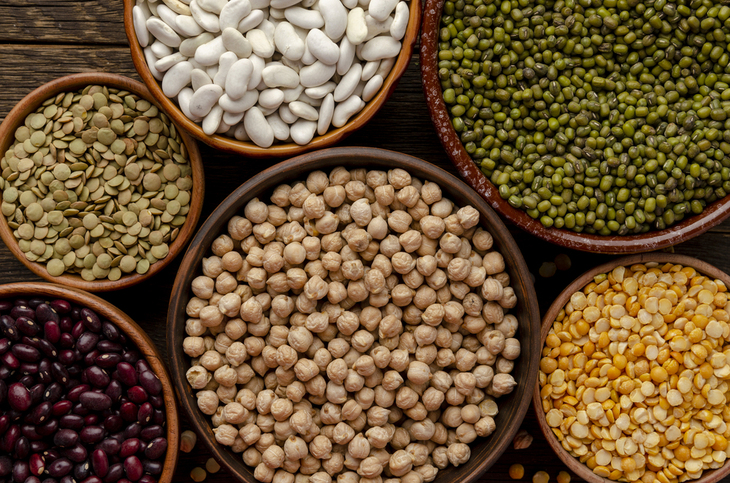
Dried beans and legumes (when prepared from scratch) 
Unsalted nuts and seeds
Plain yogurt and milk 
 Fresh poultry, fish, and lean meats (unprocessed) 
Eggs 
Unsalted nut butters 
 
Building meals around these whole food options automatically reduces sodium intake while maximizing nutritional value. Fresh herbs grown in a small kitchen garden or windowsill provide ready access to sodium-free flavor enhancers. 
 
Your Flavor Transition Plan
Adjusting to lower-sodium eating typically requires about 2-3 weeks as taste buds adapt. During this transition:
 
Gradually reduce added salt rather than eliminating it entirely 
 
Experiment with new flavor combinations weekly 
 
Keep a flavor journal, noting successful combinations 
 
Involve family members in taste-testing alternatives 
 
Remember that preference adjustment takes time 
 
The culinary world offers countless exciting flavors waiting to be discovered beyond salt. Trying these alternatives will likely lead you to new favorite dishes and support your long-term health goals at the same time.


This is only for your information, kindly take the advice of your doctor for medicines, exercises and so on.   


Labels: , , , , , , , , , , , ,

Monday, September 15, 2025

How Garlic Keeps Your Blood Sugar and Cholesterol Low

Adding some garlic to your diet has been found to lower blood sugar and cholesterol levels. A new meta-analysis, a research approach that combines data from many studies, revealed favorable findings on garlic intake. 
 
Researchers from Southeast University and Xizang Minzu University in China examined 22 previous studies, which included 29 randomized controlled trials. Their findings suggest that frequent garlic consumption may be linked to lower blood sugar levels and lower amounts of certain cholesterol types.

Blood sugar and blood lipids, primarily glucose and cholesterol, are essential elements for human health. Glucose is the body's major source of energy, whereas lipids are the building blocks for cell membranes and hormones. However, modern dietary habits can contribute to an imbalance in these essential components, leading to an increased risk of various health issues. Furthermore, lifestyle choices other than diet can significantly affect blood sugar and cholesterol levels, such as alcohol consumption and exercise patterns.

Glucose and lipid metabolisms are meticulously controlled in healthy individuals, as noted by the researchers in their published paper. "Disorders of glucose and lipid metabolism can lead to a number of chronic diseases, including atherosclerosis, diabetes and fatty liver disease," they add.
 
Garlic has a long history of being associated with good health. Previous research, albeit conducted in isolation, suggested that it may have a role in regulating blood lipids and glucose levels. This new study builds upon this existing body of evidence. 
 
Analysis of the cumulative studies validated the benefits of garlic consumption. Individuals who incorporated garlic into their diet had significantly lower blood glucose levels, indicating better long-term control. They also saw an increase in HDL (good) cholesterol, a drop in LDL (dangerous) cholesterol, and a reduction in total cholesterol levels.

Interestingly, triglyceride levels did not appear to be considerably affected. However, it is important to acknowledge that the current evidence cannot conclusively prove a cause-and-effect connection. In other words, we can't say for certain that eating more garlic lowers the risk of heart disease. 
 
However, the association strongly suggests that including garlic in our diets might be a delicious way to manage glucose and cholesterol levels. Further research with more focused studies is needed to explain the precise mechanisms at play. The studies included in the meta-analysis used various types of garlic, such as fresh cloves, aged extracts, and powdered pills, with durations ranging from three weeks to a year.

"The results showed that garlic has a beneficial effect on blood glucose and blood lipid in humans, and their association was statistically significant," write the researchers. 
 
The association between garlic consumption and improved cardiovascular health and blood sugar control is believed to be a result of the combined action of various active ingredients present in garlic. One important role is to reduce oxidative stress, which causes cellular damage and can lead to conditions such as cardiovascular disease. 
garlic
Garlic also contains alliin, an antioxidant molecule associated with blood glucose, blood lipids, and the gut flora. The combined impact of these processes is likely responsible for the favorable results seen in the study.

The importance of diet in influencing health outcomes, both positive and negative, is undeniable. This new study provides further reasons to incorporate garlic into our diets. 
 
“[The study] provides new ideas for the development of natural products against diseases related to glycolipid metabolism,” write the researchers.

The research has been published in Nutrients.


This is only for your information, kindly take the advice of your doctor for medicines, exercises and so on.   

https://gscrochetdesigns.blogspot.com. one can see my crochet creations  
https://gseasyrecipes.blogspot.com. feel free to view for easy, simple and healthy recipes    
https://kneereplacement-stickclub.blogspot.com. for info on knee replacement
https://GSiyers home remedies.blogspot.com   is the latest addition to my blogs


Labels: , , , , ,

Saturday, January 25, 2020

Can Generosity Benefit Health?

Have you ever felt the positive vibe of giving? If not, it is time you do that. When you are giving, you are not just benefiting the person whom you are giving, you are also benefiting yourself. The act of giving does come with a sense of fulfillment irrespective of the nature and cost of the gift. Whether you are giving food to the needy or just offering a car ride to a stranded passerby, the act of extending help to others is a mutually benefiting one.

Why is Generosity Good for You?

By being generous the giver derives a sense of satisfaction of having helped a person in need. It has a positive effect on physical and mental health of the giver. It can bring down stress, support physical health, and fight depression. Research has shown that generosity can even increase the lifespan of the person. By giving you also promote new social connections and improve relations. Take a peep at the physical effects of being generous, and you may find a lowering of blood pressure and betterment of heart health. The fact that these are not just figments of the imagination of a hallucinating person, but real findings of studies, lends all the more credence to being generous.


How Does Generosity Affect Happiness?

Kindness begets generosity. Being generous can encourage one to perceive others in a positive light. It helps to foster a sense of community. It is a kind of confidence builder that also helps in fighting hatred towards others. Focusing on what you are giving creates an outward orientation toward society in general. It has the ability to focus our attention away from ourselves, and this is a forerunner of happiness. As long as you are focusing on yourself, one or the other shortcoming in your life is going to bother you. As soon as you focus away from your condition, you feel happy. Generosity helps the giver turn his attention away from the narrow band of his own success, failure, and materialistic achievements. You can turn your attention away from your own inner voice that scrutinizes every move of yours and creates negative feelings towards others. These thoughts also undermine confidence and thereby harm confidence. If you practice generosity, you can stay away from this inner voice. Seeing someone benefiting from your kind gestures can dispel the negative effects of inner voice and boost your happiness and confidence.

How Can a Person be Generous?

Parting with some of your possessions, however minuscule that might be, for the benefit of someone else who may be in dire need of it, is generosity. Whether you offer food to the beggar, a place to stay to the homeless or just a car lift to a stranded old man, you are being generous. What are the Qualities of a Generous Person? A generous person is energetic, optimistic, and does not have any expectation. He is patient and presents with humility. How do you Express Generosity? There are plenty of occasions to be generous. You can start small by giving away just $1 to charitable organisations online. Practice forgoing one of your specific expenses such as going to KFC on Mondays. Divert the money thus saved to charity.


This is only for your information, kindly take the advice of your doctor for medicines, exercises and so on.     
https://gscrochetdesigns.blogspot.com. one can see my crochet creations  
https://gseasyrecipes.blogspot.com. feel free to view for easy, simple and healthy recipes    
https://kneereplacement-stickclub.blogspot.com. for info on knee replacement


Labels: , , , , , , , , , , , , , , , , ,

Friday, September 06, 2019

Vegetarians and vegans may have a higher risk of stroke than meat eaters, but carnivores have a higher risk of heart disease

As meatless diets are becoming increasingly popular, researchers are studying whether they may have unexpected health risks. Case in point: Vegetarians and vegans, while they have lower rates of heart disease, may face a greater risk of stroke, according to a new study.

For the study, researchers  looked at the dietary habits and health of 48,188 adult men and women in the UK over the course of 18 years. 

They found that participants with a plant-based diet, including both vegetarians and vegans, had lower rates of heart disease but higher rates of stroke than meat eaters. 

Non-meat-eaters were at a significantly higher risk for a particular kind of stroke — a hemorrhagic stroke, which occurs when a blood vessel ruptures and begins bleeding into the brain. 

People who avoided meat but ate fish, however, had a lower risk of heart disease without increasing their risk for stroke. More research is needed to understand just what kind of diet is best for protecting your health.

Low cholesterol from eating less meat may mean better overall heart health

The results of this study are consistent with previous research that found a significantly lower risk of heart disease among vegetarians — as much as 24% lower death rates from heart disease, according to one study. 

Researchers suspect this is partly caused by lower levels of cholesterol in the blood, which typically come from a meat-free diet. However, that doesn't entirely explain the difference, and data suggests eating more fruits, vegetables, legumes, and fiber also provide health benefits. 

Researchers also found that vegetarians and vegans were less likely to smoke and more likely to exercise regularly. They also reported lower rates of high blood pressure, cholesterol problems, diabetes, and long-term illnesses. 

But even after adjusting for lifestyle factors like smoking, exercise, and body mass index, vegetarians and vegans still had lower rates of heart disease.

Cholesterol and other nutrients in animal protein may protect against brain hemorrhage

This new research supports earlier findings that low cholesterol levels, though typically thought of as a healthy thing, may somehow cause a higher risk of hemorrhagic stroke. 

In addition to low cholesterol levels, vegetarians and vegans also had lower levels of vitamin B12, vitamin D, and amino acids than meat eaters, which may be related to their higher stroke risk. 

Researchers concluded that more studies are needed to test how those nutrients might play a role in preventing strokes.

People who ate fish, but not meat, seemed to fare best

Pescatarians — who avoid animal meat but may eat fish, dairy, and eggs — had the best of both worlds, according to the data. They showed a lower risk of heart disease than meat eaters, but without the higher stroke risk associated with plant-based diets. 

If you're looking to improve your health overall, consider swapping out your steak for salmon, or just incorporating more vegetables overall into your menu. 

this is only for your information, kindly take the advice of your doctor for medicines, exercises and so on.   
https://gscrochetdesigns.blogspot.com. one can see my crochet creations 
https://gseasyrecipes.blogspot.com. feel free to view for easy, simple and healthy recipes    
https://kneereplacement-stickclub.blogspot.com. for info on knee replacement
     

Labels: , , , , , , , , , , ,