Saturday, September 20, 2025

How menstrual tracking helps women with PCOS manage symptoms better
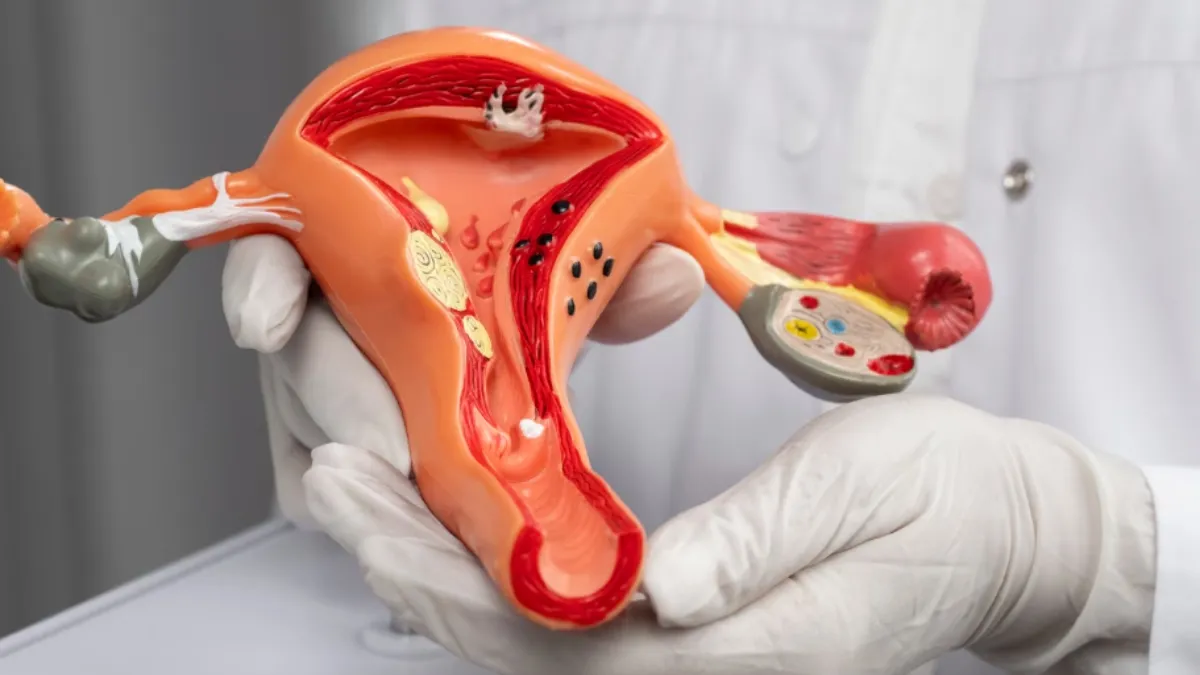
 Menstrual tracking helps women with PCOS recognise symptoms and manage hormonal health. 

 PCOS is increasingly common among young women in India, and lifestyle factors play a major role in this rise. The main contributors are excessive weight gain, poor diet, and lack of regular physical activity. 

According to Dr Irfana Shahul Hameed, obstetrician and gynaecologist with Plush, modern sedentary lifestyles, frequent consumption of processed foods, and irregular meal patterns all contribute to hormonal imbalances that can trigger PCOS.

Early signs and symptoms of PCOS to watch for

The early signs of PCOS can be subtle but are important to recognise. These include irregular menstrual cycles, difficulty losing weight despite efforts, premenstrual spotting, and sometimes heavy menstrual bleeding. Skin and hair changes, such as acne, hair fall, or baldness, are often linked to elevated androgen levels. 

Other warning signs include fatigue, stubborn weight, and changes in sexual drive. Recognising these signs early allows for timely intervention and better management.

How menstrual tracking empowers women with PCOS

Menstrual tracking has become an invaluable tool in recent years for understanding and managing PCOS. Beyond simply tracking the cycle, women can now monitor sleep patterns, heart rate variability, ovulation, and progesterone levels in the second half of their cycle. This real-time data helps women understand how their bodies function, identify trends, and make informed decisions about lifestyle, nutrition, and treatment.

Beyond Periods: Understanding comprehensive cycle monitoring

Period tracking is more than knowing whether your cycles are on time—it offers insights into overall hormonal health. For women with PCOS or other hormonal irregularities, it can reveal patterns in symptoms, guide lifestyle adjustments, and help them work with healthcare providers to manage their condition more effectively.

By combining early recognition of symptoms with proactive menstrual tracking and lifestyle adjustments, young women can better manage PCOS and reduce its long-term impact on health.


This is only for your information, kindly take the advice of your doctor for medicines, exercises and so on.   

https://gscrochetdesigns.blogspot.com. one can see my crochet creations  
https://gseasyrecipes.blogspot.com. feel free to view for easy, simple and healthy recipes    
https://kneereplacement-stickclub.blogspot.com. for info on knee replacement
https://GSiyers home remedies.blogspot.com   is the latest addition to my blogs


Labels: , , , , , , , , ,

Monday, December 16, 2019

Health benefits of jeera/ cumin And side-effects

Cumin seed is a culinary herb that is local to Asia and is particularly used in India on everyday basis. Cumin seeds are otherwise called jeera, caraway and kummel. It is a product of the cumin herb, however, it transforms into a seed only once it has dried. Cumin is an esteemed spice as it has numerous health advantages, usually for digestive conditions like colic, dyspepsia and flatulence. Nevertheless, consuming cumin seeds can have numerous side effects as well; so consult your specialist before you use it for medicinal purposes, as it can cause certain side effects as well, such:

Acidity or heartburn: Cumin seeds are known for their gas easing properties, yet it can bring about one of the most widely recognized digestive issue that is heartburn. It tends to facilitate the escape of more gas into your gastrointestinal tract.
    
Liver damage: Oil present in the cumin seeds is very unstable and can bring about liver and kidney damage, in case one consumes cumin seed in huge quantities for a long stretch of time. Cumin oil is used for animals to prevent or reduce muscle fits and spasms.


Burping: The carminative impact of cumin seed may bring about excessive burping. Also, burping is sometimes referred to as a ructus or belching, which includes too much bloating. Gas from the intestinal tract and stomach is released through the mouth. At times, burping has an awful smell and a trademark sound.

Abortifacient effects: Cumin seeds may also affect pregnant ladies. Consuming a lot of cumin seeds can prompt an unnatural birth cycle or instigate untimely or premature labor.

Low blood sugar level: Consuming cumin seeds in large quantities can bring down the glucose level in the body. One must remember this in case you are setting out toward surgery in the near future. During surgery, it is crucial to keep up the glucose level.

Narcotic effects: Cumin seed has opiate properties. They need to be consumed with precaution, as they can be addictive. Opposite reactions of cumin seed are mental blurring, sleepiness and nausea.

Heavy menstrual cycle: Cumin seeds may cause heavy bleeding during the menstrual cycle. In the event of cumin seeds being consumed in large amounts, you may experience heavier periods.

Causes allergy: Utilization of cumin seeds can bring about skin rashes and sensitivity. So individuals with skin sensitivity need to consume less cumin seeds to improve the condition.

Not good for diabetics: Diabetic patients need to control their glucose level. They must maintain regular glucose levels to stay sound. Fluctuating glucose levels are a strict no for most diabetics. As mentioned recently, cumin seeds may diminish your glucose level rapidly.


this is only for your information, kindly take the advice of your doctor for medicines, exercises and so on.     
https://gscrochetdesigns.blogspot.com. one can see my crochet creations  
https://gseasyrecipes.blogspot.com. feel free to view for easy, simple and healthy recipes    
https://kneereplacement-stickclub.blogspot.com. for info on knee replacement


Labels: , , , , , , , , , , ,

Tuesday, January 29, 2019

Vitamin K Deficiency You Should Look Out For

Whenever you get a cut, scrape, or a deep gash, your body’s blood-clotting mechanism kicks into action. And there’s a vital nutrient that steps in to support this complex process. Vitamin K, both K1 and K2, plays a major role in blood clotting and also helps keep your bones healthy.

While vitamin K deficiency is rare among healthy adults, some people are vulnerable. For instance, people with medical conditions such as ulcerative colitis, celiac disease, and short bowel syndrome may not be able to absorb vitamin K normally. If you’ve been on antibiotics or anticoagulants for a long time or are on a stringent or poor diet, a vitamin K deficiency is more likely. Newborn babies are also at a higher risk for vitamin K deficiency. Here’s a look at some signs that may indicate that you are falling short of this important nutrient.

1. Increased Bleeding And Bruising

Since vitamin K’s primary role is in the clotting of blood, bleeding is one of the main symptoms of a deficiency. It can happen inside or outside the body. Outwardly, you may see bleeding gums and have frequent nosebleeds. You may also find that even minor wounds or cuts bleed excessively. Bleeding into the skin may also result in bruises. Babies may ooze blood around the umbilical stump or have bruises around the head or face.

2. Blood In Vomit

Bleeding in the stomach can sometimes cause you to throw up and there may be blood in your vomit.

3. Heavy Menstrual Bleeding

Women with a vitamin K deficiency may experience heavy menstrual bleeding. If your periods last for longer than a week or if you need to change your pad or tampon after less than a couple of hours, it’s considered to be excessive. It’s also a cause for concern if you have blood clots that are about as big as a quarter or bigger. Heavy menstrual bleeding may also lead to anemia and cause symptoms like weakness and tiredness.
4. Blood In The Stools And Urine
Blood in your stool or urine is another indication of a vitamin K deficiency. You might notice blood in your stool or spotting on your toilet paper. Sometimes stool may appear tarry. Meanwhile, blood in your urine can turn it red, pink, or a dark brown color. Many other conditions can also be responsible for blood in your stool or urine, so do see a doctor to figure out what’s causing it.

5. Sleepiness And Vomiting In Babies

 In severe cases, a deficiency of vitamin K may result in bleeding around or in the brain of babies. And this might make them extra fussy or excessively sleepy. Vomiting and even seizures may be seen in babies with a vitamin K deficiency.

6. Weak Bones

Apart from these, several medical conditions are also associated with low levels of vitamin K and their signs may function as a red flag. Vitamin K is involved in bone building and low levels of this important nutrient have been associated with poor bone density. In fact, research shows that a higher intake of vitamin K is linked to a lower risk of hip fracture. Experts suggest that a deficiency in this vitamin can reduce bone mineralization and contribute to osteoporosis. Some indications of osteoporosis include back pain, loss of height, stooping, and fractures that occur too easily.

7. Chest Pain And Palpitations

Some research indicates that a higher intake of vitamin K is associated with a lower risk of coronary heart disease. Vitamin K may play a part in preventing the calcification of blood vessels and thus stop them from becoming narrow and stiff. Chest pain is one of the most common signs of coronary heart disease. This pain can be triggered by stress or physical activity and may spread to your neck, arms, back, jaw, or stomach. Symptoms like breathlessness or heart palpitations can also be indicative of this condition.
Studies have also found that people with low levels of vitamin K have a higher chance of developing type 2 diabetes and that increasing your intake of vitamin K can lower your risk for this condition. Initial research also indicates that vitamin K can potentially improve insulin resistance and glucose metabolism. Symptoms of diabetes can include increased urination, feeling excessively thirsty, tiredness, blurred vision, and unexpected weight loss. You may also find that cuts or wounds take longer to heal if you have diabetes.

9. Joint Pain And Inflammation

Another medical condition that is linked to vitamin K deficiency is osteoarthritis. It is thought that vitamin’s K role in regulating bone mineralization may account for this. Osteoarthritis causes inflammation and pain in joints and may also limit range of movement. People suffering from this condition may experience stiffness and pain when they don’t move for a while and their joints may appear more “knobbly” than normal.
THIS IS ONLY FOR INFORMATION, ALWAYS CONSULT YOU PHYSICIAN BEFORE HAVING ANY PARTICULAR FOOD/ MEDICATION/EXERCISE/OTHER REMEDIES.                                    PS- THOSE INTERESTED IN RECIPES ARE FREE TO  VIEW MY BLOG-                                                                                           https://gseasyrecipes.blogspot.com/       
                                                                                                                                                                      FOR INFO ABOUT KNEE REPLACEMENT, YOU CAN VIEW MY BLOG-                                                  https:// kneereplacement-stickclub.blogspot.com/           
                                                                         
  FOR CROCHET DESIGNS                                                                                                                                                                                                  https://gscrochetdesigns.blogspot.com
 

Labels: , , , , , , , , , , ,