Tuesday, November 09, 2021

Dengue infection: How does dengue impact your blood platelet count? Does every patient require transfusion?

How does dengue impact your blood platelet count?

With the surging rise in the number of dengue cases amidst unseasonal rains, there's now a need for extra preventive care and awareness about dengue. While dengue fever remains a disease best beaten with preventive practices, it's also important that people pay attention to timely recovery, and avoid complications- one of them being a sudden drop in platelet count.

Loss of platelets is one dreaded complication amongst dengue patients, and can impact recovery. While one battles the infection, many also require transfusions and how stable the platelet and blood count level is determines how healthy one may be. But how does a dengue virus so profoundly impact vital cells and cause platelets to drop? Is every case of low platelet count worrisome in dengue cases? We try to explain:

readmore

What role do platelet counts play in vital functioning?
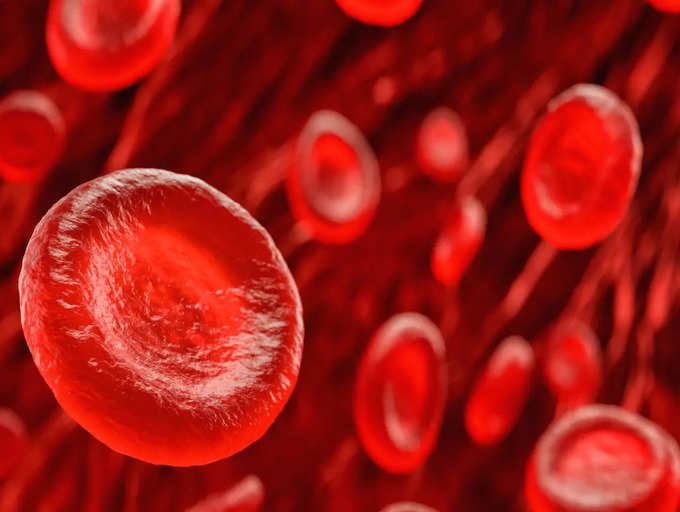
Platelets are colourless, small fragments present in the bloodstream which help support important functions like hemostasis, thrombosis, infection and wound healing. They are primarily produced through the bone marrow, and help to prevent, stop and control clotting. Therefore, when the platelet count is low, or drops, the body cannot form clots (cannot stop or manage an infection spreading) and even lead to bleeding. While platelet loss can have a lot of underlying causes, the symptoms can lead to excessive bleeding, vital organ damage and other fatal symptoms, if not managed in time.

How does dengue impact your platelet count?

The dengue infection primarily spreads through the bite of a virus-infected aedes aegypti mosquito. When the mosquito bites you, the virus enters your body and starts to spread. The drop in platelets is caused by a condition referred to as 'thrombocytopenia', which happens either via direct bone marrow suppression or by means of an autoimmune reaction and antibodies pushed into place. Thus, while the dengue virus in itself doesn't destroy the platelets, it can unleash complications which harm platelet function and count.


Remember, the basic dengue spreads is by entering the bloodstream, attaching itself to the platelets and leading to replication. When this happens, the 'infected' platelets tend to cause damage to the healthy platelets as well, and are further aggravated by the body's immune defence attacking them, mistaking them to be foreign bodies. When the bone marrow function is suppressed as well, it can also lead to a staggering drop in the counts, and cause problems.

readmore

How fast can platelets drop?

While loss of platelets can be registered to a number of underlying conditions, on average, it is assumed that healthy individuals have somewhere around 150,000–450,000 platelets/μL, and when they are infected by the dengue virus, the platelet count can reach as low as <40000 platelets/μL (10-15% of patients can also observe platelet count go beyond the 20,000 mark). In some cases, the drop can be witnessed within a day's time. This usually happens during the peak of infection, 3-4 days of fever. The platelet loss can also be aggravated by existing comorbidities, immunity, age.

What are the signs to observe your platelet count is dropping?

Now, while platelets play a critical and crucial role in healing and recovery, low platelet counts could turn your infection into a severe one, and lead to significant issues. While dengue patients are asked to get routine tests, one of the ways platelet loss can be observed is through signs of bleeding. Thrombocytopenia can lead to easy or excessive bleeding, superficial bleeding (which can show up as rashes and scabs on the skin), blood in the urine, fatigue. With dengue, in cases where the platelet count goes beyond the 10,000/uL mark, it can also cause spontaneous bleeding, which is deemed as a life-threatening risk.

If your platelet counts are low, how can it impact your healing?

As mentioned above, platelets play a very important role in healing and recovery. When the platelet count are diminishing, and the bone marrow is also in a compromised state to be unable to produce good volumes of platelets, it can ultimately slow down recovery, increasing the risks of complications. However, at the same time, it's also important to remember that the rate of loss, and when, and how a patient would need to rely on transfusion depends on the risk of age and comorbid conditions. Less than 10% of dengue patients (those who may also face the risk of severe dengue) may require critical hospitalization, acute transfusion, while the other patients tend to recover well on their own, and the platelet count increases over time.

What can you do to increase platelet count in the body?

Platelet counts can be raised with the help of regular transfusions, in cases where it is required. Apart from such therapies, one of the best ways to spike up platelet count is by including recovery aiding foods in your diet. Including papaya leaf extract, green leafy veggies, fruits, iron-rich foods, vitamin-C and vitamin-K rich foods and supplements are some of the ways to increase and stabilize healthy platelet count during the infection stage.


Labels: , , , , , , , , , , , , ,

Monday, May 11, 2020

How dangerous is iron-deficiency anaemia?

What is iron-deficiency anaemia
Anaemia is a health condition in which our body does not produce enough healthy red blood cells to carry oxygen to different parts of the body. Numerous health conditions can lead to anaemia, but out of all iron-deficiency, anaemia is the most common one.

We all know that a sufficient intake of vitamins and minerals are important to stay healthy. Deficiency of any one of the nutrients can have a negative impact on our health. The same thing happens when it comes to Iron. Iron is responsible for producing red blood cells in the body. When the body does not produce enough red blood cells to carry oxygen to different parts of the body it can turn into anaemia.

Iron deficiency anaemia is more common in menstruating and pregnant women. It can make you feel tired and weak. Anaemia can be mild or severe, temporary or permanent, depending on its cause.

Even though we know iron deficiency anaemia is general we hardly take it seriously. Until and unless it turns into something major. We will tell you how dangerous is this condition and why you should not overlook it. 


Causes of anaemia

Anaemia can be caused due to three major reasons:

-When your body does not make enough red blood cell.

-Excessive bleeding causing loss of red blood cells and

-When your body destroys red blood cells.
 

​How dangerous is this condition

Iron deficiency can be easily corrected by increasing the amount of iron intake or taking supplements. However, if left untreated it can lead to other health problems like:

Irregular heartbeat: Due to the scarcity of red blood cells in the body, your heart has to pump more blood. This can lead to irregular heartbeat and in extreme cases, a person may suffer from heart failure or an enlarged heart.

Pregnancy complications: Iron deficiency in pregnant women can lead to the premature birth of a baby or birth with a low weight.

Delayed growth in babies: Children suffering from iron deficiency may have delayed growth and may be more prone to infection.
 

​Sources of iron
You can include these foods in your diet to increase your iron intake: meat, beans, pumpkin, squash seeds, leafy green vegetables, raisins, dried fruit ,eggs, ragi / finger millet, dates.


This is only for your information, kindly take the advice of your doctor for medicines, exercises and so on.     

https://gscrochetdesigns.blogspot.com. one can see my crochet creations  
https://gseasyrecipes.blogspot.com. feel free to view for easy, simple and healthy recipes    
https://kneereplacement-stickclub.blogspot.com. for info on knee replacement


Labels: , , , , , , , , , , , , , , , ,

Sunday, May 10, 2020

Blood sugar test: When and how to do it correctly

Do you know how to do it?
For someone suffering from diabetes, keeping a track of their blood sugar level is paramount. The amount of sugar in the blood is controlled by a hormone called insulin. In a diabetic patient, their body either does not make enough insulin or the insulin produced doesn't get utilised properly, which often leads to a spike in the blood sugar level. High blood sugar, if left untreated, can damage organs, increase the risk of heart attack, kidney disease and liver problem.

Constantly monitoring the blood glucose level helps to manage the health condition and prevent complications. Nowadays testing blood sugar has become easier with a portable blood glucose meter. You can test your sugar level anytime at your home with a simple blood sample test. We tell you the right time and method to measure your sugar level.
 

When to test your blood sugar

You can do the test multiple times a day to monitor the fluctuation, but it is important to consult your doctor about the frequency. Depending on your health condition, your doctor will tell you how often you should do it. You can do it:

Before meals and snacks

Before and after exercise

Before going to bed at night

Also, ask your doctor about your reasonable blood sugar range. Your doctor will tell your maximum and minimum level depending on the type of diabetes, age, pregnancy status, complications and overall health.

As per the American Diabetes Association (ADA), your general blood sugar level should be:

Between 80 and 130 milligrams per deciliter (mg/dL) or 4.4 to 7.2 millimoles per litre (mmol/L) before meals

Less than 180 mg/dL (10.0 mmol/L) 2 hours after meals

Here is how you should test your blood glucose correctly

Directions

Wash your hands and dry it properly.

Put a test strip into your meter.

With the help of your lancing device (needle provided with test kit) prick the side of your fingertip to get a drop of blood.

Touch and hold the edge of the test strip to the drop of blood.

Wait for a few seconds for the meter to show the results on the screen.
​The risks of self-testing

There are several benefits of self-testing, biggest being it is easy and convenient. But there are also some risks like:

Multiple punctures

Excessive bleeding

Lightheadedness or fainting

Blood collecting under your skin

Infection


This is only for your information, kindly take the advice of your doctor for medicines, exercises and so on.     

https://gscrochetdesigns.blogspot.com. one can see my crochet creations  
https://gseasyrecipes.blogspot.com. feel free to view for easy, simple and healthy recipes    
https://kneereplacement-stickclub.blogspot.com. for info on knee replacement

Labels: , , , , , , , ,

Wednesday, July 10, 2019

For the prevention of excessive bleeding after childbirth heat stable carbetocin has been added to essential list t

  • Heat-stable carbetocin has been added to the WHO Essential Medicines List of uterotonics for the prevention of excessive bleeding after childbirth
  • Excessive bleeding after birth, also known as postpartum haemorrhage (PPH), is the leading direct cause of maternal mortality worldwide
  • WHO guidelines recommend heat-stable carbetocin for PPH prevention in settings where oxytocin is unavailable or its quality cannot be guaranteed, and where its cost is comparable to other effective uterotonics
  • Heat-stable carbetocin was developed to address limitations in refrigeration and cold-chain transport of medicines in low- and lower-middle income countries
Due to postpartum haemorrhage (PPH), a woman was rushed to have emergency blood transfusions after childbirth. Her husband felt helpless, but thankfully she recovered.

A Pharmaceutical company today welcomes the World Health Organization’s (WHO) addition of heat-stable carbetocin to the WHO Model List of Essential Medicines (EML) of uterotonics for the prevention of excessive bleeding after birth. The EML identifies medicines the WHO deems essential for addressing the most important public health needs globally. 
 
Every year, 14 million women are affected by excessive bleeding after birth, also known as postpartum haemorrhage (PPH). Although most deaths are preventable, PPH is the leading direct cause of maternal death worldwide, causing approximately 70,000 deaths per year, 99% of which occur in low- and lower-middle income countries.

“The WHO’s addition of heat-stable carbetocin to the Essential Medicines List brings us one step closer to tackling this life-threatening condition that impacts thousands of women and their families,” said a researcher. “This milestone is thanks to collaboration from stakeholders around the world, and demonstrates how work across both the public and private sectors can help achieve development goals in global health. As the manufacturer, is now seeking registrations for heat-stable carbetocin and, once approved, our priority is to make heat-stable carbetocin available at an affordable and sustainable price in public sector healthcare facilities in low- and lower-middle income countries where cold-chain transport and refrigeration of medicines is often difficult to achieve or maintain.” 

This addition to the EML follows the 2018 update to the WHO’s recommendations on uterotonics for the prevention of PPH. The guidelines recommend heat-stable carbetocin for the prevention of excessive bleeding after all births in settings where oxytocin is unavailable or its quality cannot be guaranteed, and where its cost is comparable to other effective uterotonics. The CHAMPION trial, the largest clinical trial in PPH prevention, showed that heat-stable carbetocin is non-inferior to current standard of care oxytocin, for the primary outcome of ≥500 ml blood loss or additional uterotonic use, after vaginal birth. Heat-stable carbetocin remains effective at high temperatures, addressing a significant limitation of oxytocin, which must be stored and transported at 2 – 8°C.
Carbetocin is currently registered in more than 80 countries worldwide for the prevention of PPH due to uterine atony following caesarean section.The Dr. is now seeking registrations for heat-stable carbetocin for the prevention of PPH following all births. Once approved, the heat-stable formulation of carbetocin will be available at an affordable and sustainable price to publicly controlled or publicly funded healthcare facilities and healthcare facilities operating on a social marketing basis in low- and lower-middle income countries. 

About the EML
The WHO Model List of Essential Medicines (EML) serves as a guide for the development of national and institutional essential medicine lists and is updated and revised every two years by the WHO Expert Committee on Selection and Use of Medicines.

 
THIS IS ONLY FOR INFORMATION, ALWAYS CONSULT YOU PHYSICIAN BEFORE HAVING ANY PARTICULAR FOOD/ MEDICATION/EXERCISE/OTHER REMEDIES.                                    PS- THOSE INTERESTED IN RECIPES ARE FREE TO  VIEW MY BLOG-                                                                                           https://gseasyrecipes.blogspot.com/                                                                                                                                                FOR INFO ABOUT KNEE REPLACEMENT, YOU CAN VIEW MY BLOG-                                                  https:// kneereplacement-stickclub.blogspot.com/                                                                      FOR CROCHET DESIGNS                                                                                                                                                                                     https://gscrochetdesigns.blogspot.com

Labels: , , , , , , , ,

Monday, January 29, 2018

Heavy periods may soon be a thing of the past

Women who suffer from heavy periods can attest how terrible it feels when their time of the month comes around. Thankfully, heavy periods may soon be a thing of the past thanks to a pioneering new study into the causes of heavy menstrual bleeding, according to a report.
 
Researchers explored how the shedding of the endometrium (the womb lining) is linked to dropping levels of oxygen during menstruation.

When the endometrium is shed, this causes a woman to bleed during her period.

In order to reduce the amount of blood lost, the surface of the womb that has lost its lining must heal.

The study, which was published , noted that when hypoxia occurred (lowered levels of oxygen), the body produced a protein called HIF-1 (hypoxia inducible factor one).

Production of the HIF-1 protein speeds up the healing process of the womb lining.

The researchers realised that women with heavy periods typically had lower levels of HIF-1 in comparison to women with a lighter flow.

Therefore, creating a treatment for women with heavy periods that boosts their levels of HIF-1 could be the key to helping millions of women worldwide.

A clinical lecturer in obstetrics and gynaecology and leader of the study, explained the significance of the team’s breakthrough. 

“Our findings reveal for the first time that HIF-1 and reduced levels of oxygen in the womb are required during a period to optimise repair of the womb lining,” she said.

“Excitingly, increasing levels of the HIF-1 protein in mice shows real promise as a novel, non-hormonal medical treatment.”

“Heavy bleeding is a debilitating and common condition that affects thousands of women and girls but too often gets dismissed,” she said.

“These findings give hope to women who have suffered in silence with the condition for too long.”


THIS IS ONLY FOR INFORMATION, ALWAYS CONSULT YOU PHYSICIAN BEFORE HAVING ANY PARTICULAR FOOD/ MEDICATION/EXERCISE/OTHER REMEDIES.    
PS- THOSE INTERESTED IN RECIPES ARE FREE TO VIEW MY BLOG-                      
HTTP:GSEASYRECIPES.BLOGSPOT.COM/
FOR INFO ABOUT KNEE REPLACEMENT, YOU CAN VIEW MY BLOG-                                                        
HTTP://KNEE REPLACEMENT-STICK CLUB.BLOGSPOT.COM/
FOR CROCHET DESIGNS

HTTP://MY CROCHET CREATIONS.BLOGSPOT.COM

Labels: , , , ,