Dengue infection: How does dengue impact your blood platelet count? Does every patient require transfusion?
How does dengue impact your blood platelet count?

With the surging rise in the number of dengue cases amidst unseasonal rains, there's now a need for extra preventive care and awareness about dengue. While dengue fever remains a disease best beaten with preventive practices, it's also important that people pay attention to timely recovery, and avoid complications- one of them being a sudden drop in platelet count.
Loss of platelets is one dreaded complication amongst dengue patients, and can impact recovery. While one battles the infection, many also require transfusions and how stable the platelet and blood count level is determines how healthy one may be. But how does a dengue virus so profoundly impact vital cells and cause platelets to drop? Is every case of low platelet count worrisome in dengue cases? We try to explain:
What role do platelet counts play in vital functioning?
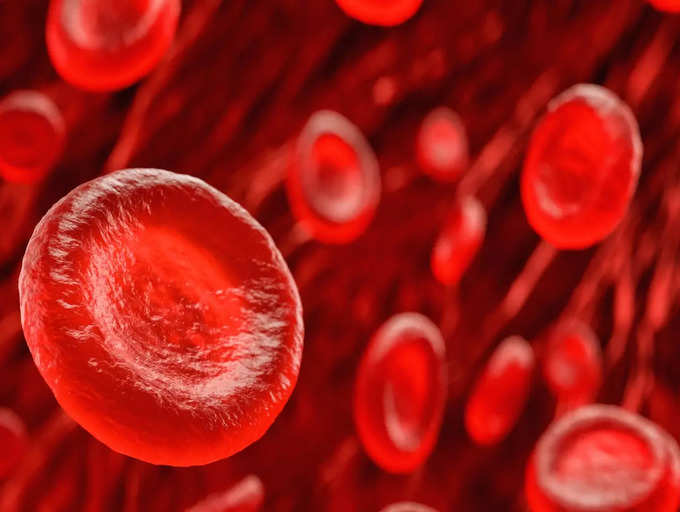
Platelets are colourless, small fragments present in the bloodstream which help support important functions like hemostasis, thrombosis, infection and wound healing. They are primarily produced through the bone marrow, and help to prevent, stop and control clotting. Therefore, when the platelet count is low, or drops, the body cannot form clots (cannot stop or manage an infection spreading) and even lead to bleeding. While platelet loss can have a lot of underlying causes, the symptoms can lead to excessive bleeding, vital organ damage and other fatal symptoms, if not managed in time.
How does dengue impact your platelet count?

The dengue infection primarily spreads through the bite of a virus-infected aedes aegypti mosquito. When the mosquito bites you, the virus enters your body and starts to spread. The drop in platelets is caused by a condition referred to as 'thrombocytopenia', which happens either via direct bone marrow suppression or by means of an autoimmune reaction and antibodies pushed into place. Thus, while the dengue virus in itself doesn't destroy the platelets, it can unleash complications which harm platelet function and count.
Remember, the basic dengue spreads is by entering the bloodstream, attaching itself to the platelets and leading to replication. When this happens, the 'infected' platelets tend to cause damage to the healthy platelets as well, and are further aggravated by the body's immune defence attacking them, mistaking them to be foreign bodies. When the bone marrow function is suppressed as well, it can also lead to a staggering drop in the counts, and cause problems.
How fast can platelets drop?

While loss of platelets can be registered to a number of underlying conditions, on average, it is assumed that healthy individuals have somewhere around 150,000–450,000 platelets/μL, and when they are infected by the dengue virus, the platelet count can reach as low as <40000 platelets/μL (10-15% of patients can also observe platelet count go beyond the 20,000 mark). In some cases, the drop can be witnessed within a day's time. This usually happens during the peak of infection, 3-4 days of fever. The platelet loss can also be aggravated by existing comorbidities, immunity, age.
What are the signs to observe your platelet count is dropping?

Now, while platelets play a critical and crucial role in healing and recovery, low platelet counts could turn your infection into a severe one, and lead to significant issues. While dengue patients are asked to get routine tests, one of the ways platelet loss can be observed is through signs of bleeding. Thrombocytopenia can lead to easy or excessive bleeding, superficial bleeding (which can show up as rashes and scabs on the skin), blood in the urine, fatigue. With dengue, in cases where the platelet count goes beyond the 10,000/uL mark, it can also cause spontaneous bleeding, which is deemed as a life-threatening risk.
If your platelet counts are low, how can it impact your healing?

As mentioned above, platelets play a very important role in healing and recovery. When the platelet count are diminishing, and the bone marrow is also in a compromised state to be unable to produce good volumes of platelets, it can ultimately slow down recovery, increasing the risks of complications. However, at the same time, it's also important to remember that the rate of loss, and when, and how a patient would need to rely on transfusion depends on the risk of age and comorbid conditions. Less than 10% of dengue patients (those who may also face the risk of severe dengue) may require critical hospitalization, acute transfusion, while the other patients tend to recover well on their own, and the platelet count increases over time.
What can you do to increase platelet count in the body?

Platelet counts can be raised with the help of regular transfusions, in cases where it is required. Apart from such therapies, one of the best ways to spike up platelet count is by including recovery aiding foods in your diet. Including papaya leaf extract, green leafy veggies, fruits, iron-rich foods, vitamin-C and vitamin-K rich foods and supplements are some of the ways to increase and stabilize healthy platelet count during the infection stage.
Labels: 000, below 10, blood platelet count, comorbid conditions, dengue, drops, excessive bleeding, hemostasis, infection, life-threatening risk, recovery, thrombosis, transfusion, wound healing
posted by G S Iyer at 5:02 AM
0 comments

