Tuesday, February 23, 2021

Coronavirus: 50% of patients with mild COVID experience symptoms 6 months after infection, claims study

Mild COVID can lead to symptoms 6 months after infection

Since the outbreak of the novel coronavirus, long COVID and/or post-COVID syndrome has become a common area of concern. While the increase in the number of long haulers in severe COVID-patients was already known, a recent study has claimed that 50% of COVID patients with mild and moderate symptoms also go on to experience medical complications 6 months after infection.

Long COVID in patients with mild, moderate symptoms
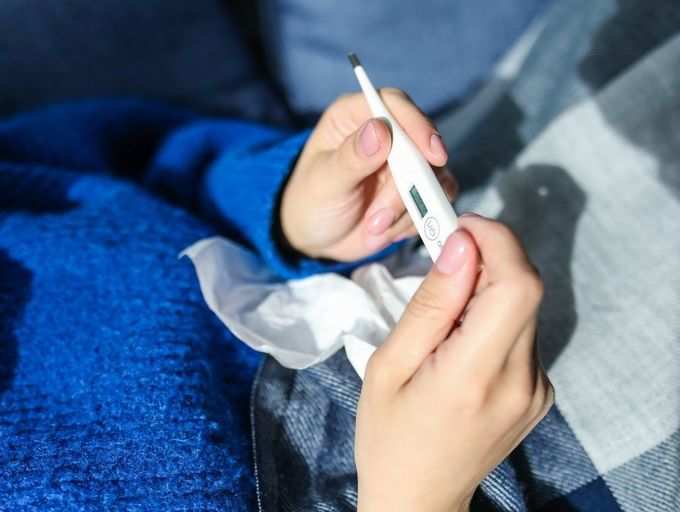
Previously a Lancet study had reported that over 75% of people suffering with the novel coronavirus face symptoms that arise 6 months after recovery. 63% of the individuals who took part in the experiment most commonly reported symptoms of fatigue and muscle ache, accompanied by anxiety, depression, pain, and sleep difficulties.

While the majority of the cases of long COVID was prevalent in patients suffering with severe COVID-19 infections, a recent study published this month in the Journal of Clinical Microbiology and Infection states that half of the patients with mild, moderate COVID symptoms experience complications after 6 months.

According to study
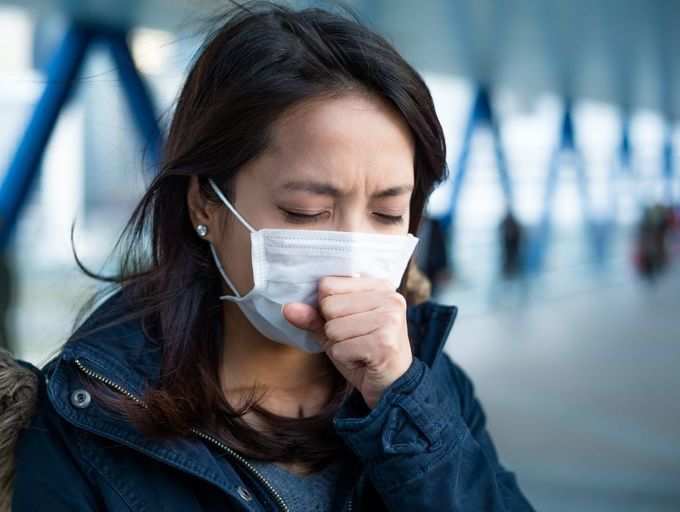
The study observed 103 people over the age of 18 who had coronavirus between April and October 2020. The volunteers involved in the experiment suffered with mild and moderate symptoms, indicating that while they were not asymptomatic, they weren't hospitalised either.

The participating group were questioned four times during the research.

Six months following the start of the study, 46% had at least one lingering symptom. The most common symptoms included fatigue (22%), loss or change in the sense of smell and taste (15%) or difficulty in breathing (8%). As per reports, 44% of people had initially experienced headache, 41% fever, 39% muscle aches and 38% dry cough.

The final report listed 14 symptoms, 12 of which were already recorded as common symptoms of COVID by the Center for Disease Control and Prevention (CDC).

The most common symptom reported was loss of appetite, as per the study.

According to the study, “Long COVID is emerging as a phenomenon where patients have long-term unresolved symptoms." “These could be prolonged symptoms of COVID-19, or a post-COVID syndrome for which dysfunction of the autonomic nervous system has been proposed, although further research is needed to establish the causes," the study added.

Duration of long COVID symptoms

According to the Office for National Statistics (ONS), one in five coronavirus patients exhibit symptoms "for a period of five weeks or longer".

The same report stated that one in every 10 COVID patients showed symptoms for upto 12 weeks and longer.

Most common symptoms of long COVID

While it is important to understand the time frame that it takes for COVID-19 to become a long COVID scenario, it is also important for each and everyone of us to identify the signs of long COVID, so as to treat it efficiently. That said, here are some of the most common symptoms you can experience even after having recovered from the illness.

- Brain fog

- Headache

- Fatigue

- Joint pain

- Chest pain

Risk of long-term COVID

In some cases, people may also develop complications that may affect their organs. These symptoms are less common but have been reported. The symptoms may include:

Anxiety, memory and concentration difficulties

Inflammation of the heart muscle

Abnormal lung function

Problems with smell and taste

Severe kidney injury

Rash and hair loss

Sleep issues

Mood swings

This is only for your information, kindly take the advice of your doctor for medicines, exercises and so on.     

https://gscrochetdesigns.blogspot.com. one can see my crochet creations  
https://gseasyrecipes.blogspot.com. feel free to view for easy, simple and healthy recipes    
https://kneereplacement-stickclub.blogspot.com. for info on knee replacement


Labels: , , , , , , , , , , , , ,

Wednesday, March 25, 2020

Genetic alteration increases risk of autism, impairs brain communication: Know all about this condition

A new study at the Lancaster University in Britain says that a genetic alteration that increases the risk of developing Autism impairs brain communication. Researchers say that people with a genetic deletion known as chromosome 2p16.3 deletion often experience developmental delay and have learning difficulties. They are also around 15 times more likely to develop Autism and 20 times more likely to develop Tourette’s Syndrome. But researchers say that they don’t understand the mechanisms involved completely. According to them, this genetic deletion disrupts a brain area known as the Thalamus, compromising its ability to communicate with other brain areas. Researchers also saw changes in brain regions that are responsible for processing sensory information and in learning and memory. The journal Cerebral Cortex published this study.

It can be difficult to detect autism in children as its symptoms can be similar to other mental or behavioural disorders. Spotting the early signs is essential for parents, so that therapy can start immediately. As you know your child better than your pediatrician, do not disregard your own experience and observation as your doctor might not be able to gauge everything in a 15-minute visit. Let us take a look at some early signs that point to this condition.

Social Limitations

Infants usually respond to voice, grasp a finger, gaze at faces and smile by four to six months of age. Children with autism find it difficult to have day-to-day human interactions. For autistic toddlers, it’s tough to play social games. They are loners and do not respond to their parent’s reactions of anger or affection.


Communication Difficulties
Most toddlers start babbling, point to objects they want, respond to voices and make faces when they are displeased, by their first birthday. Autistic children struggle in learning and combining words. They may utter a single word or phrase repeatedly or repeat what they hear (echolalia). They fail to express themselves through facial gestures and body movements. Some would speak with a deep voice or sing a high-pitched song suddenly.


Repetitiveness

Autistic children love to follow a routine which may include arranging and rearranging objects, rocking back and forth, hand-flapping and repeating words, phrases or sounds. Self-stimulating repetitive behavior such as wiggling fingers in front of their eyes is another symptom. A slight disturbance in their daily routine leads to sudden outbursts and inappropriate behavior.


Dealing With Autism

When you notice these signs in your child, consult a doctor. While it might be earth-shattering for you, don’t panic and lose hope. Don’t forget that your child looks up to you for help and it is your unconditional love that will help him the most. Here’s what you can do when you learn that your child has autism.


Learn About Autism
The more you know about the condition, the better equipped you are at making informed decisions. Learn about treatment options, ask questions and inquire about new therapies.


Understand Your Child Better

Understand what makes your child stressful and uncomfortable and what calms him down.


Accept Your Child

Do not focus on how your kid is different from other children. Celebrate small successes and enjoy his quirks.


Don’t Give Up

You cannot predict the course that autism might take. Don’t give up and worry about what life has in store for your child. Some of the greatest minds in history have had autism.


Treating The Condition

Early intervention can help children from birth to three years of age learn important skills. Treatment can be broken down into four categories.

Diet Management: Many biomedical interventions require a diet change and removal (or inclusion) of certain foods from a child’s diet. Mineral or vitamin supplements are important. Consult a doctor to ensure that your child is getting important vitamins and minerals.

Medication: Certain medicines help children deal with autism and assist in managing high energy levels, improve focus and provide relief from depression.

Communication & Behavioural Approaches: Applied Behaviour Analysis (ABA) is a therapy where lessons are broken down into simple parts for children and positive reinforcement is used to reward correct answers and behaviours. Treatment & Education Of Autistic & Related Communication-Handicapped Children (TEACCH) is a system that uses visual cues to teach skills. Picture cards are used to show a child how to get dressed by breaking down information to small steps.

Occupational Therapy helps kids live independently by focusing on their eating, bathing, dressing and other habits.    Speech Therapy enhances their verbal communication skills and in Picture Exchange Communication System (PECS), children are taught to use picture symbols to ask, answer questions and communicate in this therapy. Sensory Integration Therapy is beneficial in children who are disturbed by certain sounds, smell or do not like being touched.


Complementary & Alternative Treatments
Some parents and healthcare professionals suggest the use of chelation therapy (removal of heavy metals like lead from the body), special diets, biologicals (such as the usage of the hormone secretin) or body-based systems (such as deep pressure) and other alternative treatments. Consult your doctor before starting any such treatment.


This is only for your information, kindly take the advice of your doctor for medicines, exercises and so on.     

https://gscrochetdesigns.blogspot.com. one can see my crochet creations  
https://gseasyrecipes.blogspot.com. feel free to view for easy, simple and healthy recipes    
https://kneereplacement-stickclub.blogspot.com. for info on knee replacement

Labels: , , , , , , , , , ,

Sunday, March 31, 2019

Air pollution: How to protect your eyes from smog and toxic pollutants

Air pollution can cause serious health problems, including breathing difficulties, respiratory and cardiovascular diseases. It can affect your eyes, which are sensitive and prone to irritations from allergies, chemicals, and pollutants in the air. As the pollution levels increase, many people experience problems like dry eyes or allergic conjunctivitis, burning sensation, itchy and sore eyes, sensitivity to air and sun and mild blurring of vision, etc.

Air pollution and eye care

Here are a few precautions you can take to help minimise the risk of eye infections from smog and other air pollutants.
  • Avoid exposure to harmful pollutants and stay indoors, especially in the early hours of the morning when the pollution levels are at their peak - this is the golden rule.
  • If you have to step out, make sure you wear protective eyeglasses and shades which will help minimise your exposure to the pollution causing agents.
  • Wash your eyes thoroughly with clean, running water every morning, after reaching home from school/college/work and before going off to sleep.
  • Wash your hands often and avoid rubbing your eyes even if particulates enter them.
  • Use lubricating eye drops prescribed by eye specialists.
  • Do not wear contact lens and eye makeup if your eyes are itchy or feeling sore.
  • Apply a cool compress to help reduce inflammation. 
  • Do not use screen devices, such as mobile phones and laptops, for long hours. Make sure that you get adequate periods of rest to avoid eye fatigue, dry eyes, and computer vision syndrome.
  • Eat a healthy diet consisting of foods rich in omega 3s and antioxidants, such as fish, green leafy vegetables, carrots, spinach, almonds, walnuts, and berries - these are extremely good for the eyes.
  • Install a high-quality air filter or air purifier system at home to help protect your eyes and overall health from pollutants.
  • Avoid using decongestant eye formulation without medical supervision. 
  • See an ophthalmologist if you have red eyes, discharge, constant foreign body sensation or allergic symptoms.
Take a pledge today to contain pollution, after all, every small effort matters and everyone needs to do their own part urgently in this matter!  

THIS IS ONLY FOR INFORMATION, ALWAYS CONSULT YOU PHYSICIAN BEFORE HAVING ANY PARTICULAR FOOD/ MEDICATION/EXERCISE/OTHER REMEDIES.                                    PS- THOSE INTERESTED IN RECIPES ARE FREE TO  VIEW MY BLOG-                                                                                           https://gseasyrecipes.blogspot.com/                                                                                                                                                         FOR INFO ABOUT KNEE REPLACEMENT, YOU CAN VIEW MY BLOG-                                                  https:// kneereplacement-stickclub.blogspot.com/           

                   FOR CROCHET DESIGNS                                                                                                                                                                                                  https://gscrochetdesigns.blogspot.com

Labels: , , , , , , , , , , , , , , , ,

Saturday, December 22, 2018

The ultimate hack for avoiding the harmful effects of chronic stress

Here are some facts of life: the sky is blue, grass is green,  and stress is bad for your health. Agreed? Actually, that last bit is only partly true. Stress can have a negative effect on your health, but only if you believe that it’s harmful.

We’ve long subscribed to the idea that stress is something we need to continually battle if we want a happy and healthy life. We’ve turned to coloring books and meditation apps in droves in an effort to Keep Calm and Carry On. But scientists have found the ultimate hack for avoiding the harmful effects of chronic stress is to simply believe it can’t hurt you.

Overhaul your perspective on [stress]. Instead of trying to avoid it, start accepting that it’s a part of life and explore its positive aspects, like how it can make you more driven and productive at work.

In the study, nearly 30,000 adults were asked about their stress levels and whether they thought it was harming their health. When the researchers followed up eight years later, they found that those who said they felt stressed and believed that it was hurting their health had a 43 per cent increased risk of premature death.

On the flipside, those experiencing high levels of stress but didn’t believe it was affecting their health had the lowest risk of mortality – even lower than those experiencing little stress. Mind blown yet?
“Working too hard to control and ‘manage’ your stress can backfire,” says a  clinical psychologist. “This, paradoxically, may be partly why ‘trying to maintain a healthy lifestyle’ is one of the top causes of stress for many.”

Here’s the deal – stress isn’t always the bad guy. In fact, “The stress response is a healthy physical and psychological reaction to life’s challenges, difficulties, frustrations, threats and obstacles,” the Dr.  explains.

Scientists have found the ultimate hack for avoiding the harmful effects of chronic stress is to simply believe it can’t hurt you.

A little stress can motivate you to take on new challenges, meet deadlines or escape danger. When it becomes incessant and distressing, however, it can interfere with your well-being, raising your risk of heart disease, lowering immunity and impacting your mental health. Especially if you start worrying about how much you’re worrying.

“People who are more accepting of stress suffer fewer adverse health consequences, even under chronic stress,” says Dr Johnson. “This is thought to be driven by our feelings about stress itself – feeling fearful, worried and guilty about being stressed is arguably the most corrosive aspect of the stress response.”

So, your best defense against the harmful effects of stress is to overhaul your perspective on it. Instead of trying to avoid it, start accepting that it’s a part of life and explore its positive aspects, like how it can make you more driven and productive at work. “Stress involves the internal mobilisation of resources – focus, energy, drive, activity, motivation – to do difficult and sometimes arduous things,” reveals the Dr. “Stressors are also often positive, for instance, challenges mixed with excitement, fun, adventure, mastery and new horizons.”

Feeling fearful, worried and guilty about being stressed is arguably the most corrosive aspect of the stress response.

If you’re feeling frazzled on a regular basis, watch out for the words you use to describe how you’re feeling and try giving them a positive spin. “I’m swamped with work,” for example, might become, “I have loads of exciting opportunities to work on.” Recognise that if you’re feeling stressed about a project or a situation in your life, it’s an indication that you care about the outcome – not a signal that you can’t handle the pressure. Most importantly, “Give yourself a break,” says Dr. “Don’t beat yourself up about being stressed. Make stress your friend and harness the energy of your stress response to meet the challenges in your life.”

THIS IS ONLY FOR INFORMATION, ALWAYS CONSULT YOU PHYSICIAN BEFORE HAVING ANY PARTICULAR FOOD/ MEDICATION/EXERCISE/OTHER REMEDIES.                                                                                
 PS- THOSE INTERESTED IN RECIPES ARE FREE TO  VIEW MY BLOG-                                                                                           https://gseasyrecipes.blogspot.com/                                                                                                                                                                             FOR INFO ABOUT KNEE REPLACEMENT, YOU CAN VIEW MY BLOG-                                               
     https:// kneereplacement-stickclub.blogspot.com/                                                                                     
  FOR CROCHET DESIGNS                                                                                                                                                                                                                                 https://gscrochetdesigns.blogspot.com
    

Labels: , , , , , , , , , , , , , ,