Friday, August 11, 2023

Your Periodical Dose of Monkey Pox Myth Busting

The COVID-19 era has thankfully passed its peak. We are collecting the pieces and putting them back together. Everyone is traveling and getting back on their feet, but there is still the mental aftermath to deal with. And as if Covid wasn’t nerve-racking enough, we are now seeing a worldwide surge in a new disease called monkeypox. 


By now, we are all very well-adjusted to the precautions we need to take to stay healthy. These include keeping social distance, practicing hygiene, and wearing a mask. 


But the monkeypox virus does not behave the same as Covid, and while, at this point, we all know a thing or two about it, there is still a lot of misinformation and myths around monkeypox. We are here to bust 8 of those today.  


1. Monkeypox is a new virus


We don’t know exactly how long this virus has been infecting monkeys, but it was first discovered by scientists in lab monkeys in 1958. The first documented case of human infection was in 1970 in the Democratic Republic of the Congo. Other than that, there have been only anecdotal infections in travelers returning from countries in Africa, where this virus is endemic. 


2. The only symptom is a rash

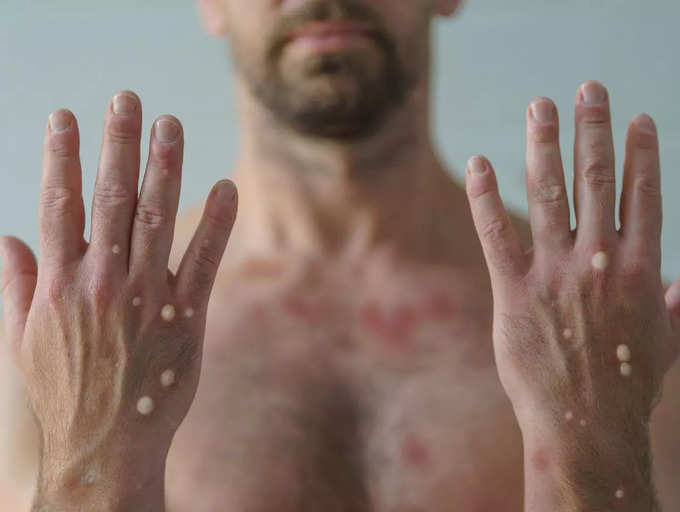
A rash certainly is the most common symptom and indicator of the disease. But it only marks the peak of the illness, which shows on the body only after a week of fever, headaches, soreness in the muscles, chills and overall exhaustion, possible swollen lymph nodes, and other cold symptoms such as a sore throat, nasal congestion, or a cough. 


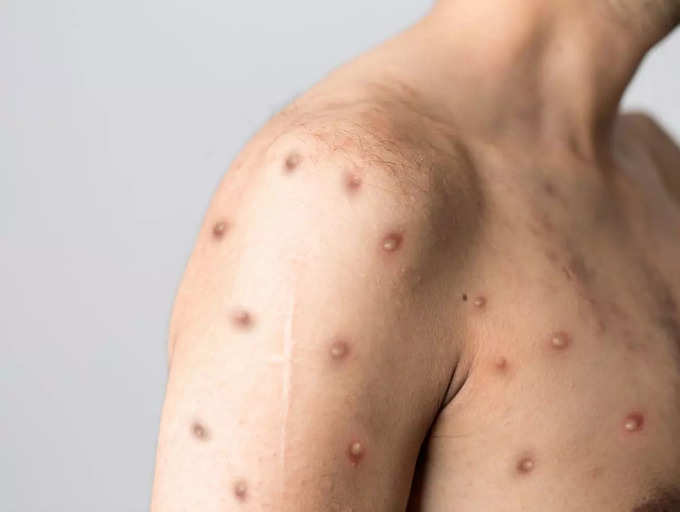
Once the rash starts to show, each lesion will swell a little, scar, and then fall off. While the rash is fresh, the patient is most contagious via skin-to-skin contact. Only once the scabs have dried or fallen off, the person is no longer contagious. 


3. Monkeypox is airborne 


Unlike COVID-19, the monkeypox virus is not airborne. It can live on surfaces for a relatively long time, but you most likely will not be infected if you stay in the same room with a sick person. It’s transmitted through direct contact, such as shaking hands or drinking from the same cup.


If you live with someone who got infected, practice cleaning and disinfecting surfaces on a daily basis. Avoid physical contact, and wash bedsheets and clothing with hot water while wearing gloves.


4. Monkeypox is not an STI

Monkeypox is not a sexually transmitted illness. Many people believe it is because infection requires prolonged physical contact or direct contact with bodily fluids. This means that it can be spread through sexual intercourse. It can also be transmitted through hugging, kissing, or even strictly non-sexual or intimate contact, such as shaking hands or sharing utensils during a dinner with guests.


 Monkeypox can affect anyone regardless of their sexual orientation. As doctor Mail Curry, the regional clinical Director at Carbon Health, puts it, “The virus does not discriminate.


5. Monkeypox is easily diagnosed 

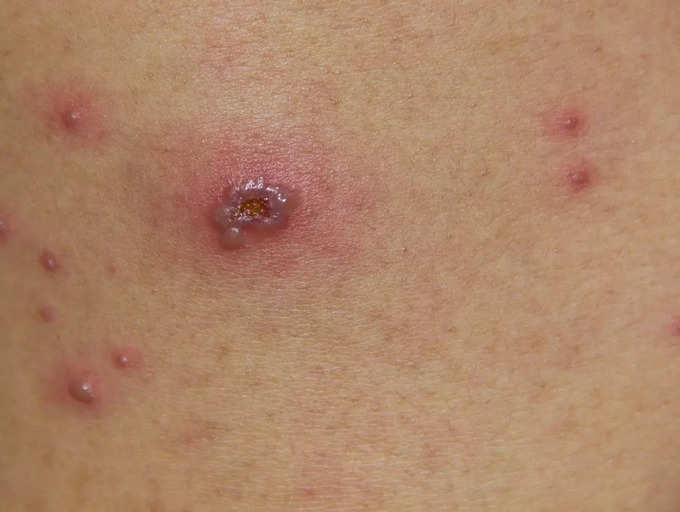
 Even with a prominent symptom such as a rash, monkeypox isn’t as easily detectable as you might assume. In mild cases, the infected person may not experience any symptoms other than the rash, which may seem like an allergic reaction or even a bug bite. But there is one difference between a monkeypox rash and an allergic reaction or a bug bite, and that is that bug bites tend to swell up fast and gradually shrink. The monkeypox rash will start flat on your skin and swell within days. When it starts scabbing, that’s when you know for sure that it's viral. 


 6. There is still no cure for monkeypox 

 Even if left untreated, monkeypox will certainly go away on its own. But that is not to say that you can’t get help from the pharmaceutical world. According to the CDC, “There are no treatments specifically for monkeypox virus infections.” However, the CDC website clarifies that monkeypox and smallpox viruses belong to the same genetic family, and so, “antivirals, such as tecovirimat (TPOXX), may be recommended for people who are more likely to get severely ill, like patients with a weakened immune system.


“ If you’re a healthy person, you could also use the assistance of over-the-counter painkillers, and even use at-home treatments like an oat meals bath to relieve itching.


To run an oatmeal bath, grind one cup of steel-cut rolled oats in the food processor. Keep going until you have a fine powder that dissolves easily in warm water. Fill your tub with lukewarm water (not hot!) and sprinkle one cup of ground oats while the water is running. Soak for 10 to 15 minutes, pat yourself dry with a clean towel, and put on freshly cleaned clothes. You can also put the oat powder into a thin pantyhose tied at the top to avoid a mess


7. A monkeypox vaccine is new and widely available to anyone

Currently, there is no designated monkeypox vaccine. There are, however, two vaccines meant to protect against smallpox. The CDC says they are at least 85% effective against monkeypox. Neither are new, as one was approved for use in 2008 and the other in 2019.


 While they are available on the market, not everyone can get them, as they are currently found in very limited supply in the US. For this reason, people eligible to receive the vaccine are either those exposed to the virus in the past two weeks, individuals who have had multiple sexual partners over the previous two weeks, or healthcare workers. 


 8. You can get monkeypox from a swimming pool

 We’ve already established that monkeypox is transmitted through skin-to-skin contact or sharing utensils, clothes, and bed sheets. That is because this virus can live on surfaces. However, it is not airborne, and it is not waterborne. You will not get infected if you swim in the same pool as an infected person, but you may get infected by touching unsterilized surfaces in the shower room or sharing the same towel.


The bottom line 

The most burning question right now is, "Are we in for another global pandemic?" The answer is simply No. Monkeypox is more easily avoidable than COVID-19, it does not require strict social distancing, and some experts even say that it is “unlikely that in-person gatherings and events will be impacted the same way as with Covid 19. “


This is only for your information, kindly take the advice of your doctor for medicines, exercises and so on.   

https://gscrochetdesigns.blogspot.com. one can see my crochet creations  
https://gseasyrecipes.blogspot.com. feel free to view for easy, simple and healthy recipes    
https://kneereplacement-stickclub.blogspot.com. for info on knee replacement
https://cancersupportindia.blogspot.com  for infor on cancer and health related topics
https://GSiyers home remedies.blogspot.com   is the latest addition to my blogs. I'm going to add posts there, do give me your valuable feed back on my blogs. Thanks a lot, take care, be healthy and be happy.

Labels: , , , , ,

Sunday, July 31, 2022

Monkeypox vs. Chickenpox: How to differentiate between the two?

Know the key differences between Monkeypox and Chickenpox

The World Health Organisation (WHO) on Saturday declared monkeypox a 'global health emergency' due to the rising number of cases worldwide.

Just recently, India confirmed three cases of Monkeypox in small districts of Kerala. On Sunday, official sources detected India's fourth and Delhi's first case of the disease.

The 31-year-old man was admitted to Maulana Azad Medical College with fever and skin lesions, revealed the Health Ministry.

"1st case of Monkeypox detected in Delhi. The patient is stable & recovering. There's no need to panic. The situation is under control. We have made a separate isolation ward at LNJP. Our best team is on the case to prevent the spread & protect Delhiites," Delhi CM Arvind Kejriwal wrote in a tweet.

Amid increasing chaos and concern, it is important to know what monkeypox is and how it differs from chickenpox, which is said to be somewhat similar to the illness.


What is Monkeypox vs. Chickenpox?

Monkeypox is an illness caused by the monkeypox virus, which belongs to the Orthopoxvirus genus in the family Poxviridae, whereas Chickenpox is caused by the varicella-zoster virus, which also causes shingles.

Both these viruses have the potential to spread through close contact, through respiratory droplets and/or through direct contact with skin lesions.

It is to note that while chickenpox is extremely common and contagious, monkeypox is a rare occurrence and does not spread as easily.


Fever may be a common symptom, but time of occurrence may differ

Monkeypox and chickenpox may cause mild illness and with the right treatment, the disease might get cured over time.

Some of the common symptoms include: fever, headache, muscle aches, backache, chills and exhaustion.

Since fever is a common symptom, the time of onset may differ in monkeypox and chickenpox.

While fever with monkeypox may arise 1-5 days before rash appearance, which is another common symptom of both monkeypox and chickenpox, fever associated with the latter may appear 1-2 days before rash.


Difference in incubation period

According to the US Centers for Disease Control and Prevention (CDC), the incubation period for monkeypox can go from 7 to 14 days, while symptoms of chickenpox can take upto 16 days to appear.


One key difference in symptoms

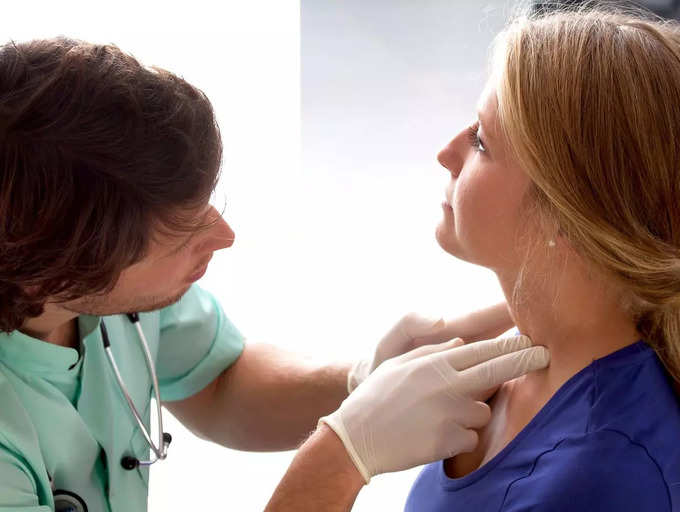
While most initial symptoms of monkeypox coincide with chickenpox, one distinctive feature of the former is swollen lymph nodes, which do not occur with chickenpox.

According to the Mayo Clinic, swollen lymph nodes usually occur as a result of infection from bacteria or viruses. Generally, the lymph glands play an essential role in fighting off infections.


How different is monkeypox-related rash to chickenpox rash

Rash is a common symptom in both monkeypox and chickenpox infection.

While monkeypox-related rash usually occurs within one to three days of a fever, chickenpox rash starts to appear 1 to 2 days after the fever.

Often monkeypox rash starts on the face and spreads to other parts of the body, including palms and soles. First it develops into papules and fluid filled pustules and then takes the form of a scab and falls off.

Chickenpox rash is an itchy, blister-like rash, which first appears on the chest, back and the face. Then it spreads over the entire body, except on the palms and soles. 

Ways to prevent the spread

Monkey and chickenpox can be spread through close contact, either through direct contact with skin lesions or through respiratory droplets.

That said, coming in close contact with someone infected with the viruses must be avoided. Additionally, any clothing or bedding of the infected individual must be kept away from people.

In case of monkeypox, the CDC recommends washing your hands often with soap and water or using an alcohol-based hand sanitizer.

The best way to prevent chickenpox is by getting a chickenpox vaccine. Two doses of the vaccine are important for everyone, who have never had chickenpox or were never vaccinated.


This is only for your information, kindly take the advice of your doctor for medicines, exercises and so on.   

https://gscrochetdesigns.blogspot.com. one can see my crochet creations  
https://gseasyrecipes.blogspot.com. feel free to view for easy, simple and healthy recipes    
https://kneereplacement-stickclub.blogspot.com. for info on knee replacement
readmore

Labels: , , , , , , , , ,

Thursday, October 14, 2021

5 Unconventional Signs of Breast Cancer That You Must Know About

Breast cancer is one of the most common forms of the disease in the world that affects both men and women. The chances of getting the disease increase as you age, but detecting it at an early stage could be life saving. In this article I am going to discuss uncommon signs and symptoms of breast cancer that many people overlook.

The majority of breast cancer cases are diagnosed in people who are aged 40 and up, but in the instances where it affects younger people it tends to be more aggressive. This makes early detection an essential part of treating the disease within its onset stages.

It’s important to have a firm grasp of bodily knowledge, as the earliest stages of breast cancer usually come without pain. The most common indicator is the discovery of a lump, but cancer goes through multiple progressive stages before these lumps form. It may sometimes take years for lumps to develop, so people shouldn’t rely solely on lumps to indicate breast cancer, as they usually indicate an already progressive disease.

There are several signs that the American Cancer Society claim should be analyzed closely by a specialist. It is important to remember that these signs aren’t definitive proof of existing breast cancer. They can sometimes indicate smaller hormonal or health factors, so visiting an expert can clear any ambiguity. Some of the more obvious signs are:

  • Change in breast structure
  • Appearance of lumps
  • Changes in the skin or nipple

Here are a few of the sneakier breast cancer symptoms that many people overlook:

1. Itchy Breast, Redness and Pain

The American Cancer Society  mentions that while the most common symptom of breast cancer is a new lump, other possible symptoms include skin irritation and dimpling, as well as redness, scaliness or thickening of the breast skin.

It’s common for breasts to be sore and sensitive during menstruation, but this symptom could mean something more serious if you have sore breasts sensitivity that persists after that period. There may also be swelling involved with skin that is warm to the touch, indicating the less common (about 3% of cases) forms of inflammatory breast cancer.

It is worth noting that it is rare that breast pain or sore breasts after period is a sign of cancer. Doctors from Harvard Medical School say that sore tender breasts are usually not connected with breast cancer.

Cancer Research UK says that itchy breasts can be a sign of inflammatory breast cancer, however this is very rare. With this type of cancer, the area of skin over the tumor can become red, inflamed, painful and itchy.

Inflammatory cancer may also cause swelling and pain in the chest. The skin may look scaly or have small blue marks similar to hemorrhages, somewhat like cellulite holes on the breast.

Doctors on WebMD say that a reddish, pitted surface like the skin of an orange could be a sign of advanced breast cancer. They also mention a marble-like area under the skin or indentation on the breast, which may indicate a tumor that cannot be seen or felt.

Some women misunderstand the above symptoms for an allergic reaction on their breasts. But it’s important to know that according to The National Cancer Institute, inflammatory breast cancer is characterized by a rapid development, with blocking lymph vessels in the skin of the breast which cause redness, warmth and sensitivity.

2. Breast Cancer and Shoulder Blade Pain

Some women may feel back pain in the upper back between the shoulder blades before any other sign of breast cancer reveals itself. The discomfort is usually attributed to muscle pain, inflammation of the spine or stretching the tendon and ligaments in the back.

It’s important to know that tumors will sometimes develop deep within the breast tissue of the chest and felt in the spine or rib-cage. There is also the possibility of metastasis, a malignant spreading of the disease to the ribs or spine.

For example, The National Breast Cancer Foundation reports about a patient who was diagnosed with metastatic breast cancer and suffered from a severe back pain.

The Journal of the Canadian Chiropractic Association reported that metastatic bone disease secondary to breast cancer is a common cause of low back pain. The report stressed the need for further imaging in patients with a history of breast cancer and whose physical examination and plain film radiographs are inconclusive or suspicious.

3. Pain and Tenderness in the Armpit

According to studies, the first place breast cancer spreads to is the axillary lymph nodes (or armpit lymph nodes).

The auxillary lymph nodes indicate breast cancer in the same way the lymph nodes in the neck and throat indicate a flu, making the auxiliaries an essential place for onset discovery.

The journal of Clinical Oncology reported about the significance of auxiliary lymph node metastasis in primary breast cancer saying that auxillary lymph node status is the single most important prognostic variable in the management of patients with primary breast cancer.

The American Cancer Society says that sometimes a breast cancer can spread to lymph nodes under the arm or around the collarbone and cause a lump or swelling there, even before the original tumor in the breast tissue is large enough to be felt. Therefore any pain or discomfort in the left or right armpit is something that should definitely be tested and you should also be aware of the other causes of armpit pain.

The first thing to do is to compare the painful armpit to the other armpit. If the difference is persistently evident, it’s worth consulting an expert.

There is sometimes a hard lump that appears in the armpit and tissue surrounding it that won’t move when touched. There may also be tissue that is thicker and dense when compared with the other armpit . A sore spot could indicate many things that aren’t a tumor. But it never hurts to be safe and get a medical evaluation, as the underarm tissue does have a close connection to breast tissue.

Is armpit itching a sign of breast cancer?

The charity Cancer Research UK says that a rash and itching is more likely to be eczema or another skin condition rather than cancer. In very rare cases itchy armpits can be a sign of breast cancer, for example, inflammatory breast cancer, but it is usually accompanied by other symptoms.

4. Nipple Discharge or Changes

One of the most common locations of breast cancer is beneath the nipple. The presence of a cancerous lesion may cause changes in appearance and sensitivity of the nipple. Different texture, color and shape might occur. The nipple may also feel much more tender and have an unusual texture. Some women describe a lack of sensitivity within the nipple, especially during intimate relations.

The American Cancer Society mentions nipple pain, nipple retraction (nipple that turns inward) and redness, scaliness or thickening of the nipple as possible signs of breast cancer. WebMD also mentions itching, a burning sensation, or ulceration in the nipple.

A discharge of clear liquid, blood, or milk that doesn’t happen during breast feeding might also be a sign of breast cancer. According to WebMD, unusual discharge from the nipple is usually caused by benign conditions, but may also indicate breast cancer in some cases, in which the discharge can be clear, bloody, or another color.

This happens when a tumor forms in the milk duct on the nipple or behind it. When this happens the skin jostles to one side, allowing the tumor to cause irritation and inflammation that results in an unusual discharge from the nipple. Medical evaluation and followups are needed for early detection, but it is important to remember that many tumors are harmless.

The Mayo Clinic also mentions Paget’s disease of the breast which is a rare form of breast cancer. Paget’s disease of the breast starts on the nipple and extends to the dark circle of skin around the nipple (areola). Mayo clinic reports that it’s easy to mistake the signs and symptoms of Paget’s disease of the breast for skin irritation (dermatitis) or another noncancerous (benign) skin condition.  The skin around your areola may also become bumpy as your Montgomery glands become enlarged due to pregnancy or breast feeding.

5. Breast Changing Shape

Many women around the world believe that an easily visible and touchable lump close to the surface of the skin is a sign of a breast tumor. Far less women, however, report the fact that one breast has taken on an elliptical shape while the other remains normal.

Other women have reported the progression of breast tissue on one side of the breast, looking uneven. Some women notice a change in appearance and feel when they put a bra on. Many times it’s the spouse that notices these physical indicators instead of the patient.

The NHS says that a change in the size or shape of one or both breasts should be checked by your doctor.

WebMD mentions that some of the signs of breast cancer are change in the size, contour, texture, or temperature of the breast, as well as an area that is distinctly different from any other area on either breast.

Breast cancer Foundation NZ mentions that the change in the shape or size of your breast can include unexplained swelling or shrinkage of the breast, particularly in just one breast.

How to Preform Breast Self-Exam at Home

There has been some debate over the years regarding just how valuable breast self exam is in detecting the early stages of breast cancer and increasing the rate of survival. However many breast cancer organizations still believe that breast self exam is a useful strategy, especially when combined with regular physical exams by a doctor and screening methods.

The best way to detect the changes that aren’t associated with pain or strange sensations is by learning about the appearance and size of your breasts. Breast cancer organizations recommend sitting in front of a mirror and examine the structure of the breast. Use your hands to lift the breast and check the variability of skin stretching on both sides.

Don’t forget to do this often to make sure you don’t miss any sudden changes in appearance. Any of these symptoms should be analyzed by a medical professional for a conclusive diagnosis. If you are not professionally examined, you’ll be left in a worrying state of uncertainty. Hopefully everything is fine, but even if it isn’t, detecting breast cancer in the earlier stages could very well make your chances for survival exponentially better.

What is the best time to perform breast self-exam?

Many breast cancer organizations recommend to perform breast self-exams at least once a month. It is recommended to examine yourself several days after your period ends, when your breasts are least likely to be swollen and tender.

Step by step guide on how to perform breast self exam at home:

Look at your breasts in the mirror – Position your shoulders straight and place your arms on your hips. See if your breasts have their usual size, shape, color and whether they have visible swelling or change in shape. Check that they don’t have dimpling or puckering of the skin, or that they became red, sore, swollen or have rash. Also check your nipples to see if they became inverted (pushed inward) or changed their position.

Raise your arms and look for the same changes. Squeeze the nipple and check if fluid comes out of one or both nipples. The discharge can be a watery, milky, or yellow fluid or blood.

Check your breast when lying down – Use your right hand to feel your left breast and then vice versa. When feeling your breast with your hands, keep your fingers together and use the first few finger pads applying small circular motions covering the entire breast area and armpit.

Check yourself in the shower – Many women find that it is easier to check for changes in the breast when their hands are wet and slippery with soap and water. Cover your entire breast, using the same hand movements as when lying down and check for any lumps or thickening in your underarm area too.

If you find something suspicious with your breast – don’t panic, as most of the lumps are not cancerous and many breast changes are not associated with cancer, but for your own peace of mind call your doctor if you have any concerns.

This is only for your information, kindly take the advice of your doctor for medicines, exercises and so on.   

https://gscrochetdesigns.blogspot.com. one can see my crochet creations  
https://gseasyrecipes.blogspot.com. feel free to view for easy, simple and healthy recipes    
https://kneereplacement-stickclub.blogspot.com. for info on knee replacement


Labels: , , , , , , , , , ,