Sunday, July 31, 2022

Monkeypox vs. Chickenpox: How to differentiate between the two?

Know the key differences between Monkeypox and Chickenpox
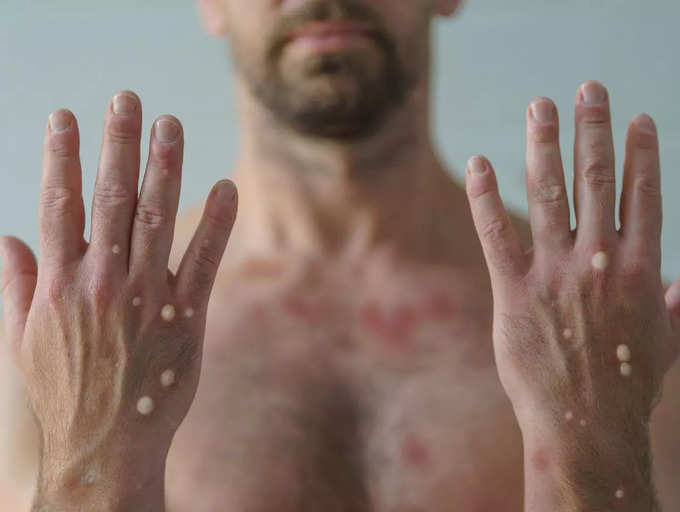
The World Health Organisation (WHO) on Saturday declared monkeypox a 'global health emergency' due to the rising number of cases worldwide.

Just recently, India confirmed three cases of Monkeypox in small districts of Kerala. On Sunday, official sources detected India's fourth and Delhi's first case of the disease.

The 31-year-old man was admitted to Maulana Azad Medical College with fever and skin lesions, revealed the Health Ministry.

"1st case of Monkeypox detected in Delhi. The patient is stable & recovering. There's no need to panic. The situation is under control. We have made a separate isolation ward at LNJP. Our best team is on the case to prevent the spread & protect Delhiites," Delhi CM Arvind Kejriwal wrote in a tweet.

Amid increasing chaos and concern, it is important to know what monkeypox is and how it differs from chickenpox, which is said to be somewhat similar to the illness.


What is Monkeypox vs. Chickenpox?
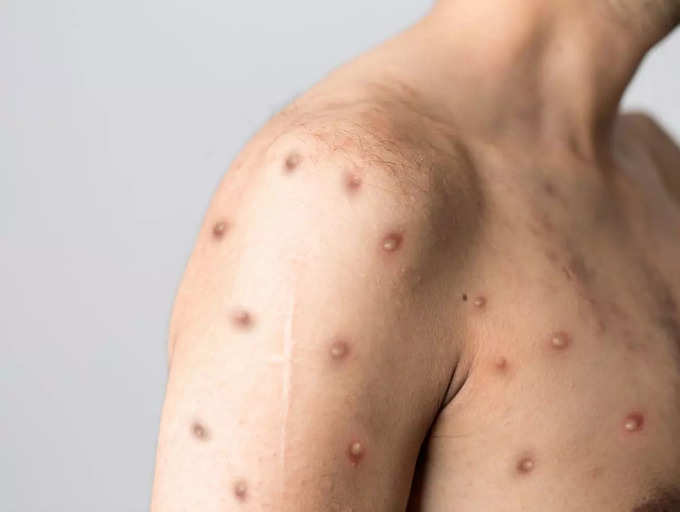
Monkeypox is an illness caused by the monkeypox virus, which belongs to the Orthopoxvirus genus in the family Poxviridae, whereas Chickenpox is caused by the varicella-zoster virus, which also causes shingles.

Both these viruses have the potential to spread through close contact, through respiratory droplets and/or through direct contact with skin lesions.

It is to note that while chickenpox is extremely common and contagious, monkeypox is a rare occurrence and does not spread as easily.


Fever may be a common symptom, but time of occurrence may differ

Monkeypox and chickenpox may cause mild illness and with the right treatment, the disease might get cured over time.

Some of the common symptoms include: fever, headache, muscle aches, backache, chills and exhaustion.

Since fever is a common symptom, the time of onset may differ in monkeypox and chickenpox.

While fever with monkeypox may arise 1-5 days before rash appearance, which is another common symptom of both monkeypox and chickenpox, fever associated with the latter may appear 1-2 days before rash.


Difference in incubation period
According to the US Centers for Disease Control and Prevention (CDC), the incubation period for monkeypox can go from 7 to 14 days, while symptoms of chickenpox can take upto 16 days to appear.


One key difference in symptoms
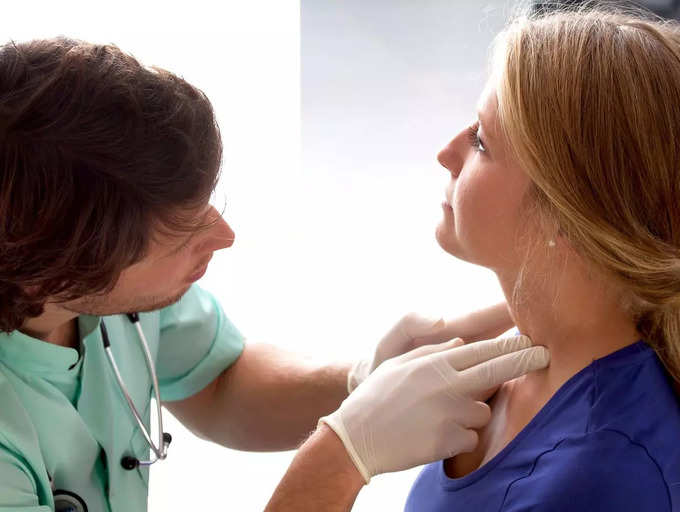
While most initial symptoms of monkeypox coincide with chickenpox, one distinctive feature of the former is swollen lymph nodes, which do not occur with chickenpox.

According to the Mayo Clinic, swollen lymph nodes usually occur as a result of infection from bacteria or viruses. Generally, the lymph glands play an essential role in fighting off infections.


How different is monkeypox-related rash to chickenpox rash

Rash is a common symptom in both monkeypox and chickenpox infection.

While monkeypox-related rash usually occurs within one to three days of a fever, chickenpox rash starts to appear 1 to 2 days after the fever.

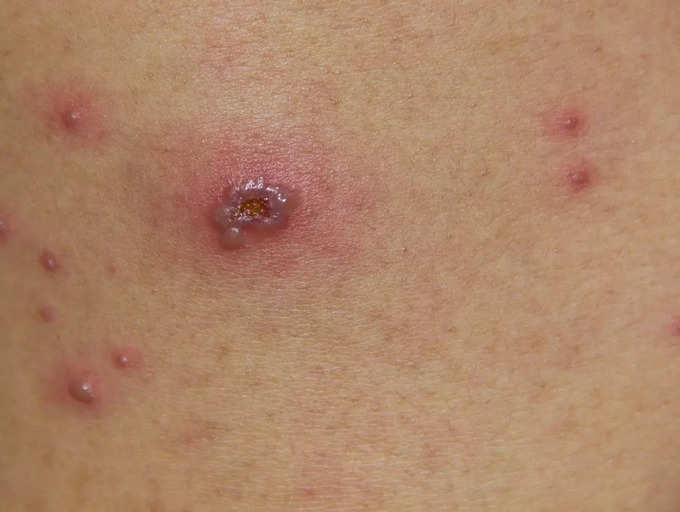
Often monkeypox rash starts on the face and spreads to other parts of the body, including palms and soles. First it develops into papules and fluid filled pustules and then takes the form of a scab and falls off.

Chickenpox rash is an itchy, blister-like rash, which first appears on the chest, back and the face. Then it spreads over the entire body, except on the palms and soles. 

Ways to prevent the spread

Monkey and chickenpox can be spread through close contact, either through direct contact with skin lesions or through respiratory droplets.

That said, coming in close contact with someone infected with the viruses must be avoided. Additionally, any clothing or bedding of the infected individual must be kept away from people.

In case of monkeypox, the CDC recommends washing your hands often with soap and water or using an alcohol-based hand sanitizer.

The best way to prevent chickenpox is by getting a chickenpox vaccine. Two doses of the vaccine are important for everyone, who have never had chickenpox or were never vaccinated.


This is only for your information, kindly take the advice of your doctor for medicines, exercises and so on.   

https://gscrochetdesigns.blogspot.com. one can see my crochet creations  
https://gseasyrecipes.blogspot.com. feel free to view for easy, simple and healthy recipes    
https://kneereplacement-stickclub.blogspot.com. for info on knee replacement
readmore

Labels: , , , , , , , , ,

Tuesday, March 22, 2022

Why Some People Still Haven't Gotten COVID

When I tested positive for COVID-19 over the winter holidays, I spent a good bit of time puzzling over how and where I was exposed. I was infected just as omicron was ripping through New York City, so it wasn’t a surprise. But I am also a fairly COVID-cautious health reporter. I wore an N95 in public settings, I’d been working from home, and I was newly boosted. How did I end up with a breakthrough infection and not, say, my husband, who goes into work every day? Why was I the one exposed, and not my unvaccinated preschooler who spends his days in the company of germy 3-year-olds?

Of course, health experts have warned since omicron took over as the dominant strain that everyone is likely to get COVID-19 at some point. And a recent Centers for Disease Control and Prevention survey that used blood tests to check for coronavirus antibodies suggests that there have been many more cases than our official counts suggest. Yet all of the data we have at this point suggests there are still millions of Americans who haven’t been infected.

So what gives? How can it be that two years into a pandemic marked by increasingly contagious variants, so many people remain COVID-free? What separates those of us who have tested positive from those who haven’t?

Here are a few reasons why some people have never had COVID-19 at this point in the pandemic.

Reason 1: Because vaccines, masking and distancing works

Maybe you’re sick of hearing it, maybe not. But doctors, researchers and public health experts have long been harping on the same basic preventive tools for a reason: They work.

“There are a few measures that have shown to reduce the spread of infection: getting effectively vaccinated, wearing masks indoors, and maintaining physical distance,” said Dr. Marie-Elizabeth Ramas, a New Hampshire-based family physician.

A study published just this week found, for example, that requiring masks in schools may cut infections by nearly 25%. Of course, that data comes at an interesting time, when many of the last states with mask mandates in schools are dropping them.

Ramas’ note about getting “effectively vaccinated” is an important one, reflecting that boosters have become an important tool ― although less than half of people who are fully vaccinated have received one at this point.

So if you’ve managed to avoid infection so far, there’s a good chance it’s because you’ve been diligent about masking up, avoiding crowds and getting your shots as soon as you were eligible.

“You’re talking to someone who has not had COVID despite it ruling my life for the past three years, and seeing tons of patients who have it. ... A lot of it is just self-management in terms of getting vaccinated and boosted [and] making sure that you have adequate PPE and being fastidious with it,” said Dr. Kevin Dieckhaus, chief of infectious diseases at UConn Health in Connecticut.

Reason 2: Because you’ve remained totally isolated

While both Dieckhaus and Ramas agreed that the vast majority of people have been exposed to the coronavirus over the past two years, both noted that there are some people who are seriously immunocompromised and who have largely hunkered down during the pandemic.

About 7 million Americans are considered immunocompromised, a category that includes (but is not limited to) people who have had cancer, who have had organ transplants, who are undergoing chemotherapy or who are on immunosuppressive medications. While many of these people have found ways to safely head out in public, for others, isolation has been their only real option. And let’s not forget that the millions of people with weakened immune systems need this level of protection still.

As one woman whose husband had a heart-lung transplant recently told me for a story on what it’s like to be immunocompromised in the pandemic: “What I wish people who don’t know an immune-compromised person would know is that COVID is still here and it is still a real threat to our most vulnerable members of society.”

Reason 3: Because you did actually have it, you just didn’t know

Whether or not you had COVID-19 and were simply unaware was a bigger preoccupation for people earlier on in the pandemic, when we were hopeful that a prior infection would provide longer-lasting immunity than it actually does.

Still, there is new data suggesting it’s entirely possible that you fall into this category. A recent CDC survey of more than 70,000 blood samples taken during January looked for antibodies generated after COVID-19 infection (not vaccines) and found that about 43% of Americans have been infected with the virus. That’s a much higher rate than national case counts suggest. The survey found that infections among kids were even higher. About 58% of children have had COVID-19 during the pandemic.

“This is why getting tested is so important, particularly in school-aged children,” Ramas said. “This will reduce disruption of continuity of learning and unnecessary exposure to teachers and paraprofessionals.”

Experts say the odds are very good that most of us have been exposed to the virus by now, but a few factors can make a major difference in whether you get infected or not (on top of whether you’re masked and vaccinated). One is how much virus the person is putting out, as some people shed a lot more than others. Others include how close you were to the infected person and what the ventilation was like.

Reason 4: Because household transmission is not a given

Researchers are trying to determine exactly how often household transmission happens. It’s a difficult number to pin down, in part because people’s home settings vary so widely, as do their behaviors when someone tests positive and is supposed to quarantine. (Are they masking up? Opening windows? Is everyone vaccinated, etc.?) It’s also a challenging thing to measure because the virus itself keeps changing. Omicron is more contagious than delta. The omicron subvariant BA.2, more contagious still.

“There are a lot of factors that we probably don’t understand,” said Dieckhaus, who added that he and his team are studying household transmission right now.

However, the estimates we do have clearly show that household spread is not inevitable. A CDC report says that during omicron, about 1 in 2 people in a household developed COVID-19 if someone else was infected. Within that group, there were differences. The attack rate was lower in households where the positive person isolated, where people were vaccinated, and where people masked up.

Reason 4: Because household transmission is not a given

Researchers are trying to determine exactly how often household transmission happens. It’s a difficult number to pin down, in part because people’s home settings vary so widely, as do their behaviors when someone tests positive and is supposed to quarantine. (Are they masking up? Opening windows? Is everyone vaccinated, etc.?) It’s also a challenging thing to measure because the virus itself keeps changing. Omicron is more contagious than delta. The omicron subvariant BA.2, more contagious still.

“There are a lot of factors that we probably don’t understand,” said Dieckhaus, who added that he and his team are studying household transmission right now.

However, the estimates we do have clearly show that household spread is not inevitable. A CDC report says that during omicron, about 1 in 2 people in a household developed COVID-19 if someone else was infected. Within that group, there were differences. The attack rate was lower in households where the positive person isolated, where people were vaccinated, and where people masked up.

Reason 5: Because, well, luck

While there are clear, well-established mitigation strategies that have helped lower individual risk of contracting COVID-19, “a lot of it comes down to a hefty dose of just good luck,” Dieckhaus admitted.

He recalled several conversations over the past few years with patients who could not figure out where or how they were exposed, because they had been careful all along.

“There’s a lot of randomness to COVID,” Dieckhaus said. “There are people who seem to have minimal exposure who come down with it, and there are people who have heavy exposure who seem to do OK.”

Experts are still learning about COVID-19. The information in this story is what was known or available as of publication, but guidance can change as scientists discover more about the virus.


This is only for your information, kindly take the advice of your doctor for medicines, exercises and so on.   

https://gscrochetdesigns.blogspot.com. one can see my crochet creations  
https://gseasyrecipes.blogspot.com. feel free to view for easy, simple and healthy recipes    
https://kneereplacement-stickclub.blogspot.com. for info on knee replacement


Labels: , , , , , , ,