Friday, August 11, 2023

Your Periodical Dose of Monkey Pox Myth Busting

The COVID-19 era has thankfully passed its peak. We are collecting the pieces and putting them back together. Everyone is traveling and getting back on their feet, but there is still the mental aftermath to deal with. And as if Covid wasn’t nerve-racking enough, we are now seeing a worldwide surge in a new disease called monkeypox. 


By now, we are all very well-adjusted to the precautions we need to take to stay healthy. These include keeping social distance, practicing hygiene, and wearing a mask. 


But the monkeypox virus does not behave the same as Covid, and while, at this point, we all know a thing or two about it, there is still a lot of misinformation and myths around monkeypox. We are here to bust 8 of those today.  


1. Monkeypox is a new virus


We don’t know exactly how long this virus has been infecting monkeys, but it was first discovered by scientists in lab monkeys in 1958. The first documented case of human infection was in 1970 in the Democratic Republic of the Congo. Other than that, there have been only anecdotal infections in travelers returning from countries in Africa, where this virus is endemic. 


2. The only symptom is a rash

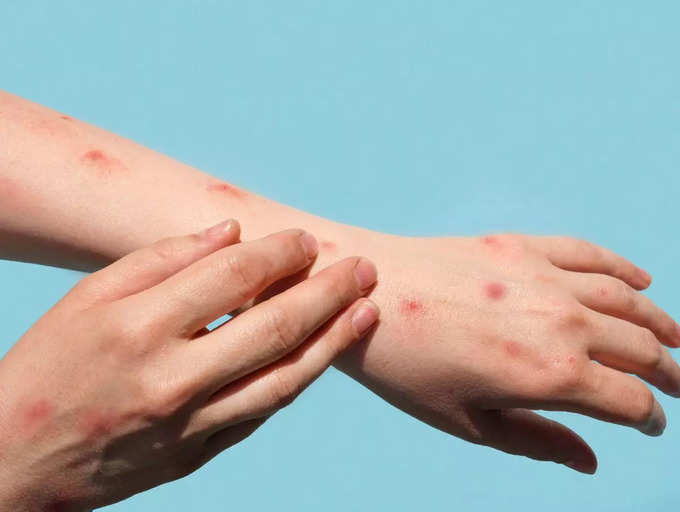
A rash certainly is the most common symptom and indicator of the disease. But it only marks the peak of the illness, which shows on the body only after a week of fever, headaches, soreness in the muscles, chills and overall exhaustion, possible swollen lymph nodes, and other cold symptoms such as a sore throat, nasal congestion, or a cough. 


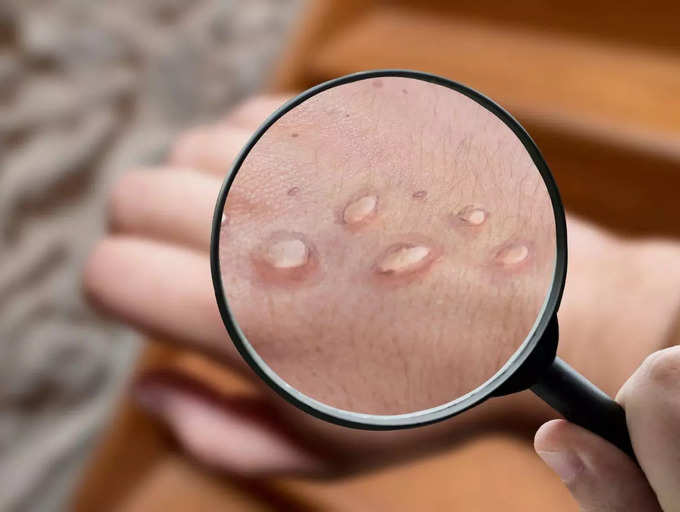
Once the rash starts to show, each lesion will swell a little, scar, and then fall off. While the rash is fresh, the patient is most contagious via skin-to-skin contact. Only once the scabs have dried or fallen off, the person is no longer contagious. 


3. Monkeypox is airborne 


Unlike COVID-19, the monkeypox virus is not airborne. It can live on surfaces for a relatively long time, but you most likely will not be infected if you stay in the same room with a sick person. It’s transmitted through direct contact, such as shaking hands or drinking from the same cup.


If you live with someone who got infected, practice cleaning and disinfecting surfaces on a daily basis. Avoid physical contact, and wash bedsheets and clothing with hot water while wearing gloves.


4. Monkeypox is not an STI

Monkeypox is not a sexually transmitted illness. Many people believe it is because infection requires prolonged physical contact or direct contact with bodily fluids. This means that it can be spread through sexual intercourse. It can also be transmitted through hugging, kissing, or even strictly non-sexual or intimate contact, such as shaking hands or sharing utensils during a dinner with guests.


 Monkeypox can affect anyone regardless of their sexual orientation. As doctor Mail Curry, the regional clinical Director at Carbon Health, puts it, “The virus does not discriminate.


5. Monkeypox is easily diagnosed 

 Even with a prominent symptom such as a rash, monkeypox isn’t as easily detectable as you might assume. In mild cases, the infected person may not experience any symptoms other than the rash, which may seem like an allergic reaction or even a bug bite. But there is one difference between a monkeypox rash and an allergic reaction or a bug bite, and that is that bug bites tend to swell up fast and gradually shrink. The monkeypox rash will start flat on your skin and swell within days. When it starts scabbing, that’s when you know for sure that it's viral. 


 6. There is still no cure for monkeypox 

 Even if left untreated, monkeypox will certainly go away on its own. But that is not to say that you can’t get help from the pharmaceutical world. According to the CDC, “There are no treatments specifically for monkeypox virus infections.” However, the CDC website clarifies that monkeypox and smallpox viruses belong to the same genetic family, and so, “antivirals, such as tecovirimat (TPOXX), may be recommended for people who are more likely to get severely ill, like patients with a weakened immune system.


“ If you’re a healthy person, you could also use the assistance of over-the-counter painkillers, and even use at-home treatments like an oat meals bath to relieve itching.


To run an oatmeal bath, grind one cup of steel-cut rolled oats in the food processor. Keep going until you have a fine powder that dissolves easily in warm water. Fill your tub with lukewarm water (not hot!) and sprinkle one cup of ground oats while the water is running. Soak for 10 to 15 minutes, pat yourself dry with a clean towel, and put on freshly cleaned clothes. You can also put the oat powder into a thin pantyhose tied at the top to avoid a mess


7. A monkeypox vaccine is new and widely available to anyone

Currently, there is no designated monkeypox vaccine. There are, however, two vaccines meant to protect against smallpox. The CDC says they are at least 85% effective against monkeypox. Neither are new, as one was approved for use in 2008 and the other in 2019.


 While they are available on the market, not everyone can get them, as they are currently found in very limited supply in the US. For this reason, people eligible to receive the vaccine are either those exposed to the virus in the past two weeks, individuals who have had multiple sexual partners over the previous two weeks, or healthcare workers. 


 8. You can get monkeypox from a swimming pool

 We’ve already established that monkeypox is transmitted through skin-to-skin contact or sharing utensils, clothes, and bed sheets. That is because this virus can live on surfaces. However, it is not airborne, and it is not waterborne. You will not get infected if you swim in the same pool as an infected person, but you may get infected by touching unsterilized surfaces in the shower room or sharing the same towel.


The bottom line 

The most burning question right now is, "Are we in for another global pandemic?" The answer is simply No. Monkeypox is more easily avoidable than COVID-19, it does not require strict social distancing, and some experts even say that it is “unlikely that in-person gatherings and events will be impacted the same way as with Covid 19. “


This is only for your information, kindly take the advice of your doctor for medicines, exercises and so on.   

https://gscrochetdesigns.blogspot.com. one can see my crochet creations  
https://gseasyrecipes.blogspot.com. feel free to view for easy, simple and healthy recipes    
https://kneereplacement-stickclub.blogspot.com. for info on knee replacement
https://cancersupportindia.blogspot.com  for infor on cancer and health related topics
https://GSiyers home remedies.blogspot.com   is the latest addition to my blogs. I'm going to add posts there, do give me your valuable feed back on my blogs. Thanks a lot, take care, be healthy and be happy.

Labels: , , , , ,

Wednesday, July 20, 2022

Monkeypox not as alarming as COVID, but here's how you can prevent it


How concerning is the monkeypox virus?

Monkeypox is a rare zoonotic disease that is transmissible from animals to humans and can transmit from an infected human to another. These are primarily found in tropical rainforest areas of central and west Africa, however, are currently circulating in several parts of the world.

India reported its second case of monkeypox infection on Monday, in a 31-year-old man, who had recently traveled to Kannur in Kerala from Dubai on July 13. The news comes at a time, when just recently, the first case of the infection was reported from Kollam district of south Kerala on July 14.

Although the cases have been reported as mild, the infectiousness of the virus is what concerns many experts.


COVID vs. Monkeypox: What's more concerning currently?

Recently, AIIMS’ Department of Medicine Additional Professor Piyush Ranjan told ANI, “No reason to worry as the monkeypox virus’s infectivity is very less though it can be fatal for children as compared to the covid virus. The COVID-19 infection has more transmissibility, but monkeypox infection occurs after prolonged exposure with an infected person. So, the infection rate is very high in COVID and an infected person can infect many. But, monkeypox is less contagious."

However, he has cautioned that the monkeypox can be fatal for children as compared to COVID-19.

What you should know about monkeypox symptoms

According to the World Health Organization (WHO), the incubation period from the monkeypox infection is usually from 6 to 13 days but can range from 5 to 21 days.

That said, the infection can be divided into two periods: the invasion period, which lasts between 0–5 days, and the period when skin eruption usually begins within 1–3 days of the appearance of fever, as per the global health agency.

The first line of symptoms include fever, intense headache, lymphadenopathy (swelling of the lymph nodes), back pain, myalgia (muscle aches) and intense asthenia (lack of energy), whereas one may start to experience skin rashes that tend to be more concentrated on the face, palms of the hands and soles of the feet.

That said, in order to avoid these symptoms and to curb the spread of the monkeypox virus, expert advice on taking certain measures.

Avoid skin to skin contact with anyone diagnosed with monkeypox

Experts have revealed that monkeypox spreads through close contact with an infected animal or person.

When it comes to human to human transmission, direct contact with an affected person can increase your risk of the viral infection. This includes, skin to skin contact with the rashes, scabs or body fluids of a person with monkeypox, contact with respiratory droplets of an infected person, sharing clothing, sheets, blankets, etc..

Therefore, the US Centers for Disease Control and Prevention (CDC) warns against close, skin-to-skin contact with people who have a rash that looks like monkeypox. Furthermore, it advises against kissing, hugging, cuddling or having any sexual contact with someone with monkeypox.

Experts also recommend steering clear of animals who may be carrying the monkeypox virus. 

Can face masks help?

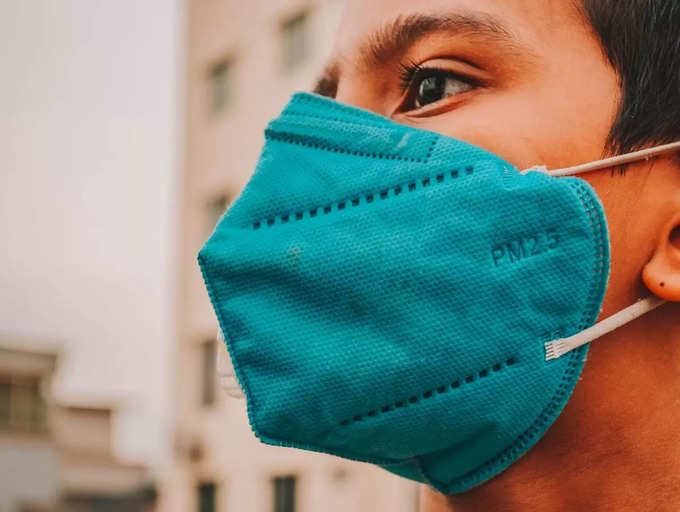
Wearing well-fitted masks still remains relevant given that the COVID-19 pandemic is not over yet.

However, with monkeypox virus circulating worldwide, people are curious whether masks can help prevent the same.

According to a recently updated travel advisory, the CDC recommended travelers to wear a mask to protect themselves in countries where monkeypox has been detected. However, the New York Times reported that it soon deleted the mandate, saying that it "caused confusion."

But the US health agency still advises people with the virus to wear masks, "especially those who have respiratory symptoms". 

Practicing good hand hygiene is a must

Maintaining proper hand hygiene is crucial at a time when COVID and monkeypox are wildly spreading across countries.

Remember to wash your hands with soap and avoid touching any possibly contaminated surfaces.

How effective are vaccines?

How effective are vaccines?

The WHO says, "vaccination against smallpox was demonstrated through several observational studies to be about 85% effective in preventing monkeypox."

Thus, prior smallpox vaccination may result in milder illness, it further adds.

As per the US health agency, CDC, people who have been exposed to monkeypox and people who are at higher risk of being exposed to monkeypox should get themselves vaccinated immediately.

Furthermore, the Mayo Clinic reports that some smallpox vaccines can prevent monkeypox, including the ACAM2000 and Jynneos vaccines.

These vaccines can be used to prevent monkeypox because smallpox and monkeypox are caused by related viruses, the health body explains.

readmore

Labels: , , , ,

Thursday, May 26, 2022

Antiviral drugs may reduce monkeypox symptoms

Some antiviral medications might have the potential to shorten symptoms of monkeypox and reduce the amount of time a patient is contagious, according to a study of seven patients diagnosed with the rare viral disease in the UK between 2018 and 2021.

The cases analysed in the study, published on Tuesday in  Infectious Diseases journal, represent the first instances of in-hospital transmission and household transmission outside of Africa.

The research also reported the patient response to the first off-label use of two different antiviral medications — brincidofovir and tecovirimat — to treat the disease.

The study found little evidence that brincidofovir was of clinical benefit but concluded that further research into the potential of tecovirimat would be warranted.

The researchers also report detection of monkeypox virus in blood and throat swabs.

As optimum infection control and treatment strategies for this disease are not yet established, data from the study could help inform global efforts to further understand the clinical features of the disease as well as transmission dynamics, they said.

“As public health officials are trying to understand what is causing the May 2022 monkeypox outbreaks in Europe and North America — which have affected several patients who reported neither travel nor an identified link to a previously known case — our study offers some of the first insights into the use of antivirals for the treatment of monkeypox in humans,” said Hugh Adler of the UK.

“Although this latest outbreak has affected more patients than we had previously encountered in the UK, historically monkeypox has not transmitted very efficiently between people, and overall the risk to public health is low,” Adler, lead author on the paper, said.

With international travel returning to pre-pandemic levels, public health officials and healthcare workers around the world must remain vigilant to the possibility of new cases of monkeypox, said Nick Price of Guy’s & St Thomas’ NHS Foundation Trust, senior author on the paper.

Of the seven UK monkeypox cases analysed in the study, four were imported from West Africa with three further cases occurring due to human-to-human transmission within the case clusters.

Monkeypox, a close relative of the smallpox virus, is a rare disease classified as a High Consequence Infectious Disease (HCID) by the UK health agency.

There are currently no licensed treatments for monkeypox and there is limited data on the duration of its contagiousness, with the incubation period ranging from five to 21 days.

The study authors observed clinical data alongside laboratory results from blood tests and nose-and-throat swabs to describe the duration and clinical features of monkeypox in a high-income setting.

Researchers also reported patient response to antiviral medications developed to treat smallpox — brincidofovir and tecovirimat — which have previously demonstrated some efficacy against monkeypox in animals.

Between 2018 and 2019, four patients observed in the study were treated for monkeypox in HCID units in England. Three of these cases were imported from West Africa.

The fourth case occurred in a healthcare worker 18 days after initial exposure to the virus and was the first example of monkeypox transmission in a hospital setting outside of Africa.

The initial three patients were treated with brincidofovir seven days after the initial onset of the rash.

The study found that brincidofovir did not have any convincing clinical benefit in treating monkeypox and alterations in liver blood tests were observed.

The researchers noted that it is not known whether brincidofovir administration earlier in the course of the disease or at a different dosing schedule would have yielded different clinical outcomes.

Despite this, all three patients, plus the fourth hospital transmission patient, made a full recovery, they said.

Three further cases of monkeypox were reported in the UK in 2021 in a family travelling from Nigeria, with two of these cases being the first examples of household transmission outside of Africa.

One of the 2021 UK patients was treated with tecovirimat and experienced a shorter duration of symptoms and upper respiratory tract viral shedding than the other cases in this cluster, the researchers said.


Labels: , , ,