Tuesday, May 11, 2021

What is Chlorophyll? All You Need to Know

If you feel like you’ve been hearing the term ‘chlorophyll’ more often recently, it is no coincidence. Chlorophyll supplements have been gaining quite a lot of popularity, and the health benefits of this substance have been hailed by many all across the internet. But what exactly is chlorophyll? In the article below we’ll take a close look at the benefits it offers, according to health experts, as well as recommend some ways to attain it naturally.
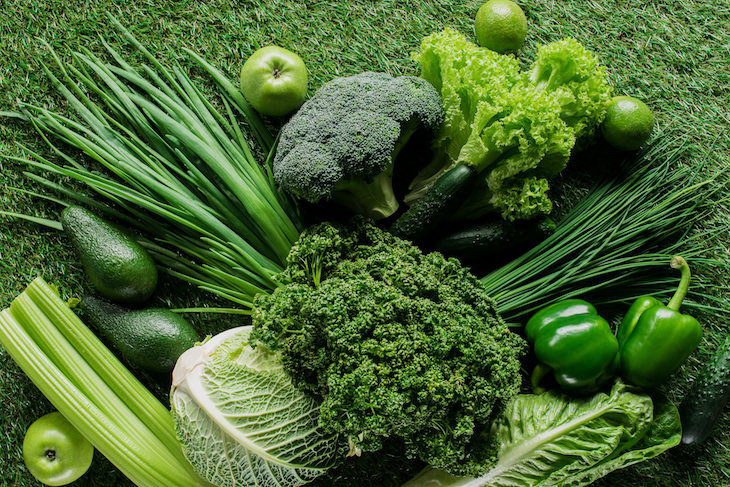
What is Chlorophyll?  
Chlorophyll - Health Benefits and How to Obtain It green vegetables
One of the most common things people know about chlorophyll is that it’s what gives plants their green color. That's true. Chlorophyll is a group of green pigments with a similar chemical structure that plays a vital role in photosynthesis, allowing plants to absorb energy and nutrients from sunlight. It contains various vitamins and antioxidants, which are responsible for its therapeutic properties for the human body.

One of the primary ways to incorporate chlorophyll into your diet is by eating green vegetables, such as asparagus, spinach, or broccoli. The reason chlorophyll supplements are so popular is that naturally obtained chlorophyll may not survive digestion long enough to be well-absorbed by the body. Most chlorophyll supplements actually contain chlorophyllin - a water-soluble semi-synthetic derivative of natural chlorophyll, which contains copper instead of magnesium. The copper can be detected by the plasma, which potentially makes chlorophyllin better absorbed by the body. However, these claims are yet to be officially proven by research. 
 
The Health Benefits of Chlorophyll  
1. Boosts skin health - 
Chlorophyll - Health Benefits and How to Obtain It skin care
Research suggests that applying chlorophyll topically may have skincare benefits such as reducing inflammation, clearing acne, smoothing wrinkles, and improving signs of sun damage. One study from 2016 found that women who applied a gel containing chlorophyllin for 12 days showed reduced signs of photoaging, which is aging that results from sun exposure. The study found that the effects of topical chlorophyllin were comparable with those of vitamin A known as tretinoin (which has been proven to help with anti-aging).

Another study, published in the Journal of Clinical and Aesthetic Dermatology, followed 24 women with mild-to-moderate acne for 8 weeks, as they applied a topical treatment of acne cream and a rebalancing gel containing chlorophyllin. The researchers found that this regimen improved pore size, skin smoothness, clarity, skin tone, and acne lesions.
 
2. Blood builder
Chlorophyll may help construct and improve the quality of red blood cells, which is why some people call it a “blood builder”. Chlorophyll is chemically similar to hemoglobin, a protein that is essential in red blood cells as carries the oxygen to the various body organs. 
 
Research published in the journal Indian Pediatrics found that chlorophyll behaves similarly to hemoglobin, even though it contains magnesium while hemoglobin is made with iron. The research team also noted that wheatgrass juice, which is about 70% chlorophyll, had a positive effect on patients with hemoglobin deficiency disorders such as anemia and thalassemia.
3. Natural deodorant - 
Chlorophyll has been used to neutralize certain odors since the 1940s. Today, some popular deodorants and mouthwashes still contain chlorophyll.

A recent study looked at dietary supplements for people suffering from trimethylaminuria, a rare condition where the body is unable to break down the chemical triethylamine (TMA). Since triethylamine has a strong fish-like smell, people with trimethylaminuria and TMA build-up give off a strong and unpleasant body odor. 
 
The study found that the chlorophyllin supplements decreased the number of TMAS, and therefore neutralized the smell. 
 
4. Promotes weight loss
It’s no secret that eating your greens aids in weight loss, and it turns out that chlorophyll may be one of the reasons why. A 2014 study involving 38 female participants found that those who took a green plant membrane supplement that included chlorophyll once a day had greater weight loss than a group who didn’t take the supplement. The research team also suggested that the supplements were linked to lower cholesterol levels. The mechanism behind these findings, however, is currently unknown.
Safety, Risks, and Side Effects 
According to Dr. Niket Sonpal, a certified internist, the natural chlorophyll you get from food has no known side effects. People who take chlorophyll supplements in amounts similar to those found in food don't have any risk either. However, taking chlorophyll in excess could lead to digestive problems, diarrhea, and increased susceptibility to rashes when applied topically. So please read the instructions carefully and take no more than the recommended amount. 
 
It’s important to note that the effects of taking chlorophyll supplements in pregnant or breastfeeding women are yet to be studied. We strongly advise talking to your doctor if you're interested in taking chlorophyll, as with any other new supplement. This is especially true for those who take other medications regularly. 
 
Chlorophyll sources 

As we mentioned earlier, chlorophyll can easily be obtained naturally through green vegetables. 
Varieties that are particularly rich in chlorophyll are: 
 
Collard greens 
Spirulina 
Parsley 
Broccoli 
Green cabbage 
Spinach 
Asparagus 
Green beans and peas 
 Matcha green tea

As to preparation and consumption of natural chlorophyll, some research in the Journal of Zhejiang University found that cooking chlorophyll-rich foods by boiling or stir-frying them lowers their chlorophyll levels. Therefore, it may best to eat them raw or use light cooking methods like steaming to get the most out of the vegetables’ chlorophyll content. 
 
You can make your own natural chlorophyll extract by using parsley and water. The process is quite simple: you will need 80 grams of curly parsley leaves and 6 cups of water. 
1. Wash and dry the parsley leaves. 
2. Place the leaves and water into a blender and process for a few minutes until it forms a bright green liquid. 
3. Strain this through a fine sieve and pour into a saucepan. Over low heat, stir constantly until you see green particles rising to the surface. It's important that you do this slowly. 
4. Pour this into a container along with a handful of ice and place it in the fridge to cool. 
5. When cold, pour through a muslin-lined sieve. Once drained you can throw away the water. 
6. Scrape as much of the green paste that is remaining on the muslin as possible and store in an air-tight container in the fridge for up to 1 week. This should give you about 2 tablespoons of homemade chlorophyll, which you can add to smoothies or salads. 
 
The bottom line is, chlorophyll has a variety of health benefits, from skin to nutrition. While some people believe chlorophyllin supplements to be more effective than chlorophyllin that is naturally obtained from green vegetables and herbs, the scientific evidence behind this claim is inconclusive. The majority of health experts agree that the safest way to obtain it is through veggies - and you'll get a lot of other nutrients as well that way!

This is only for your information, kindly take the advice of your doctor for medicines, exercises and so on.     

https://gscrochetdesigns.blogspot.com. one can see my crochet creations  
https://gseasyrecipes.blogspot.com. feel free to view for easy, simple and healthy recipes    
https://kneereplacement-stickclub.blogspot.com. for info on knee replacement

Labels: , , , , , , ,

Monday, February 03, 2020

The Amazing Health Benefits Of Chlorophyll

Are you familiar with Chlorophyll and it’s many benefits? Chlorophyll is the green pigment and ‘plant food’ that is naturally occurring in plants.

What you may not know is that it can actually prevent disease, detox your body and speed up healing time.


Of course, you’ll find that many of the greenest veggies contain chlorophyll, but these top 9 power foods will really give you a hefty dose. They are definitely worth adding to your diet.

They will give you a big boost and you are not going to recognize the new and improved, energized you!

Important Chlorophyll Cooking Facts

One important factor to remember is that when vegetables are cooked, the amount of chlorophyll they contain is greatly reduced. For example, chlorophyll in frozen spinach was reduced by 35% after it was thawed, and a further 50 percent once it was steamed.

Experts recommend to get the full benefits of chlorophyll from these green veggies, eat them raw when possible.


Chlorophyll Fights Cancer

Recent studies have made the discovery that chlorophyll can actually bind itself to potential carcinogens and stop them from circulating throughout your body. Such effects have been shown to lower the risk of certain cancers including colon and lung cancers.
Chlorophyll Helps Detoxify Your Liver

Chlorophyll can also help cleanse your liver! Some studies have shown that chlorophyllin (liquid chlorophyll) may reduce the risk of liver cancer and even help repair certain kinds of liver damage.

Chlorophyll Speeds Up Healing

Did you know that chlorophyllin has been used in wound healing ointments since the 1940s?

Not only has it been found to slow down harmful bacteria from multiplying in the body, but it also helps reduce inflammation, promote healing and even control odors caused by bacteria.


Chlorophyll Helps Reduce Hunger

Here is one that everyone can benefit from – weight control and digestion! Chlorophyll can help speed up waste elimination in the body and even keep you ‘regular’.

Studies have shown it to reduce hunger, stimulate the digestion of fats, and even helped prevent hypoglycemia in overweight women.

Chlorophyll Helps Protect Your Skin

Some evidence has shown that chlorophyll can help prevent skin sores, such as those caused by the common cold, or even genital sores.

It can also help reduce the risk of skin cancer and shingles. It may even help prevent the recurrence of cancerous cells in people who have had skin cancer previously.
Can Chlorophyll Be Dangerous?

Overall there have been no studies suggesting that eating large amounts of chlorophyll can cause any problems or toxicity.

The only real side effects that have been shown to occur from taking chlorophyll supplements are green discoloration of feces and urine.

Discoloration of the tongue and some mild indigestion may also occur. Whilst these symptoms may occur at first, they do eventually go away, particularly if you’re getting your chlorophyll from natural sources like vegetables.


It is important to note that Chlorophyll supplements haven’t been tested on pregnant women, so it’s not recommended that they take supplements.


Also, certain medications that increase sunlight sensitivity can interact with Chlorophyll to increase the sensitivity even more.


This is only for your information, kindly take the advice of your doctor for medicines, exercises and so on.     
https://gscrochetdesigns.blogspot.com. one can see my crochet creations  
https://gseasyrecipes.blogspot.com. feel free to view for easy, simple and healthy recipes    
https://kneereplacement-stickclub.blogspot.com. for info on knee replacement
 

Labels: , , , , , , , , , , , , , , , ,

Monday, March 31, 2014

Top Health benefits of Spinach

Cancer prevention: Spinach and other green vegetables contain chlorophyll which has shown to be effective at blocking the carcinogenic effects of heterocyclic amines which are generated when grilling foods at a high temperature.

Asthma prevention: The risks for developing asthma are lower in people who consume a high amount of certain nutrients. One of these nutrients is beta-carotene, of which spinach is an excellent source. Apricots, brocc
oli, cantaloupe, pumpkin and carrots are also rich sources of beta-carotene.3


Lowering blood pressure: because of its high potassium content, spinach is 

recommended to those with high blood pressure to negate the effects of 

sodium in the body. A low potassium intake may be just as big of a risk factor 

in developing high blood pressure as a high sodium intake.4

Other high potassium foods include potatoes, tomatoes, lima beans and oranges.

Bone health: Low intakes of vitamin K have been associated with a higher risk 

for bone fracture. Adequate vitamin K consumption is important for good 

health, as it acts as a modifier of bone matrix proteins, improves calcium 

absorption and may reduce urinary excretion of calcium.5

Promotes regularity: Spinach is high in fiber and water content, both of which 

help to prevent constipation and promote a healthy digestive tract.

Healthy skin and hair: Spinach in high in vitamin A, which is necessary for 

sebum production to keep hair moisturized. Vitamin A is also necessary for the 

growth of all bodily tissues, including skin and hair. Spinach and other leafy 

greens high in vitamin C are imperative for the building and maintenance of 

collagen, which provides structure to skin and hair.


ps- this is only for information, always consult you physician before having any particular food/ medication/exercise/other remedies.
ps- those interested in recipes are free to view my blog-
http://gseasyrecipes.blogspot.com/
for info about knee replacement, you can view my blog-
http://Knee replacement-stick club.blogspot.com/

for crochet designs


http://My Crochet Creations.blogspot.com


Top Health benefits of Spinach 

Cancer prevention: Spinach and other green vegetables contain chlorophyll which has shown to be effective at blocking the carcinogenic effects of heterocyclic amines which are generated when grilling foods at a high temperature.2

Asthma prevention: The risks for developing asthma are lower in people who consume a high amount of certain nutrients. One of these nutrients is beta-carotene, of which spinach is an excellent source. Apricots, broccoli, cantaloupe, pumpkin and carrots are also rich sources of beta-carotene.3

Lowering blood pressure: because of its high potassium content, spinach is recommended to those with high blood pressure to negate the effects of sodium in the body. A low potassium intake may be just as big of a risk factor in developing high blood pressure as a high sodium intake.4

Other high potassium foods include potatoes, tomatoes, lima beans and oranges.

Bone health: Low intakes of vitamin K have been associated with a higher risk for bone fracture. Adequate vitamin K consumption is important for good health, as it acts as a modifier of bone matrix proteins, improves calcium absorption and may reduce urinary excretion of calcium.5

Promotes regularity: Spinach is high in fiber and water content, both of which help to prevent constipation and promote a healthy digestive tract.

Healthy skin and hair: Spinach in high in vitamin A, which is necessary for sebum production to keep hair moisturized. Vitamin A is also necessary for the growth of all bodily tissues, including skin and hair. Spinach and other leafy greens high in vitamin C are imperative for the building and maintenance of collagen, which provides structure to skin and hair.

Keep sharing @[383529098420647:274:Your Daily Health Tips]

Labels: , , , , , , , , , , , ,

Tuesday, October 04, 2011

Benefits of Wheatgrass


Benefits of Wheatgrass

What has made wheatgrass an integral part of health foods?
It is known to be a concentrated source of certain essential nutrients, including iron, calcium, magnesium, amino acids, chlorophyll & Vitamins A, C & E. its rich chlorophyll & nutrient composition is believed to boost immunity, kill harmful bacteria in the digestive system & improve digestive problems . its high chlorophyll contents makes it alkaline in nature which helps digestive health & may help relieve constipation & ulcers.

Other than its use in cancer therapy, wheatgrass has also been found to play a protective role in several other health conditions like anemia, diabetes, infections, skin diseases, ulcerative colitis & joint pains.

Recently a study conducted showed the beneficial role of wheatgrass in treating hyperlipidemia (high blood cholesterol levels). Another study showed that administering wheatgrass juice to individuals with thalassemia significantly reduced blood transfusion requirements for most.

It is mostly perceived to be a nutritional supplement; it is widely taken as a healthy green drink. Besides wheatgrass shots, it is sold in various forms including tablets, capsules, liquid extracts & tinctures.

Wheatgrass is safe & can be consumed by most, but it may cause nausea, headaches, hives or swelling of throat in sensitive individuals. It is best avoided by pregnant & lactating women. It is gluten-free & can be consumed by people with gluten intolerance or celiac disease, but kindly check with your physician before consuming it.

To use, as it grows in soil or water, it must be thoroughly washed, trimmed carefully before being used. It can be grown at home organically.

Labels: , , , , , , , , , , , ,