Friday, February 19, 2021

Health THIS is what a white tongue says about your health! Very few people know this!
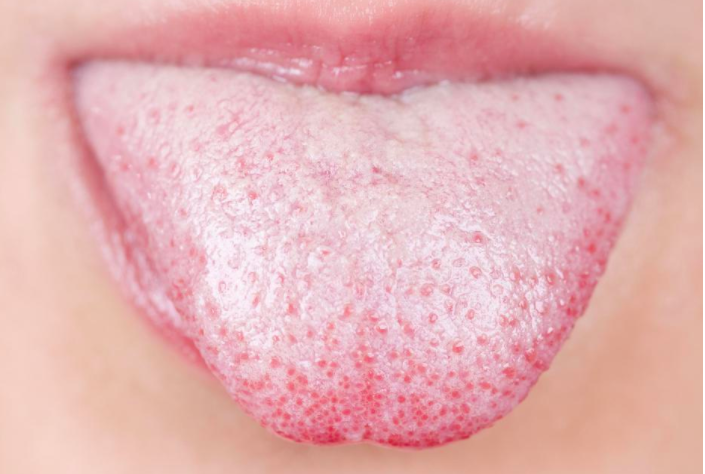
white tongue 

A white tongue rarely indicates anything serious

Having a white tongue can disrupt your daily life quite a bit: you don’t want to laugh with you mouth open and you don’t want people standing too close when you’re talking to them. A white tongue might not be dangerous, but it is annoying and it does tell you something about your health.

What causes a white tongue? What can you do to prevent it or get rid of it?

White tongue
Having a white tongue can be an indicator of a low immune system. This has everything to do with bacteria and fungi that are naturally present on your skin, mucous membranes and throughout your body. Usually, these bacteria and fungi live in harmony in and on your body. Yet if your immune system is low, the balance between them can get disrupted, which causes the whiteness on your tongue.

Rare
So, it isn’t anything serious, but in some cases (very rare cases!) a white tongue can be caused by a serious disease, like AIDS. The whiteness can also occur when you’re taking antibiotics or undergoing radical treatments like chemotherapy. It can also be caused by a tongue condition that can make sure your tongue becomes white (or partly white). For most people, though, the cause is a lowered immune system.

Boosting your immune system
Time to boost your immune system! But how does that work exactly? Firstly, try to make sure you’ve got little to no stress on a regular basis. In the long run, stress can cause a lowered immune system. That’s why you need to get enough rest, eat healthily (enough vitamins, minerals and fibers), keep up your hygiene (wash your hands!) and get enough exercise. Those products that advertise they will boost your immune system are better left unused. As long as your diet is healthy and nutritious, you really don’t need any vitamin tablets.

This is only for your information, kindly take the advice of your doctor for medicines, exercises and so on.     

https://gscrochetdesigns.blogspot.com. one can see my crochet creations  
https://gseasyrecipes.blogspot.com. feel free to view for easy, simple and healthy recipes    
https://kneereplacement-stickclub.blogspot.com. for info on knee replacement


Labels: , , , , , , , , ,

Thursday, February 04, 2021

Short afternoon naps may aid cognitive function as we age

Sleep patterns often change as we age, with many older people adding an afternoon snooze to their daily schedule. The meaning of such naps has been unclear: Do they help keep the mind agile, or do they signify incipient dementia? A new study may have the answer.

Older people who take afternoon naps score more highly on cognitive tests than their non-snoozing contemporaries. These nappers exhibit stronger cognitive function, including memory, orientation, and language.

This study, which appears in General Psychiatry, is the first to explore the relationship of napping to cognitive function and biochemistry in older populations.

People are living longer, and — as the authors mention in their study — with dementia affecting 5–7% of adults aged over 65 years worldwide, its diagnosis is a common occurrence. In Western countries, the rate of dementia is slightly higher at 8–10%.

Since there is currently no cure for dementia, there is clear value in identifying lifestyle changes that can help reduce the chances of developing the condition.

With disturbed sleep patterns having known associations with dementia, the role of napping in older cognitive health is an obvious area of interest. Unfortunately, previous findings have been inconsistent, say the authors of the current study.

For example, they cite 2012 research that found afternoon naps delay the onset of dementia, and yet another study concluding afternoon sleepiness may increase the risk of dementia or cognitive decline.

The researchers studied 2,214 healthy people from several large Chinese cities, including Beijing, Shanghai, and Xian. All were at least 60 years old.

The average night-time sleep interval of study participants was 6.5 hours.

To evaluate existing dementia, the researchers tested participants using the Beijing version of the Montreal Cognitive Assessment and the Mini-Mental State Exam (MMSE).

The team evaluated participants’ cognitive ability and higher function through 30 measurements of visual space, memory, naming, attention, calculation, abstract, orientation, and language function.

The researchers used the Chinese Neuropsychological Test Battery to measure “digit span, auditory verbal learning, associative learning, visual retention, language fluency, mapping, and a test with blocks.”

The researchers assessed all participants’ health while profiling their blood for cholesterol levels and triglyceride fatty acids, or “TG.”

For the purposes of the study, the team defined a nap as anywhere from 5 minutes to 2 hours of sleep after lunch.

Of the group, 1,534 reported regularly taking an afternoon nap, with the frequency of their snoozes ranging from once a week to every day.

The study reports three main results:

  • “First, the older individuals who took afternoon naps showed significantly higher cognitive performance compared with those who did not nap.
  • Second, we found higher levels of TG in napping older adults.
  • Finally, afternoon napping was strongly associated with orientation, language function, and memory.”

The higher TG levels were within a normal range, and therefore may not have impaired cognitive function in the study’s participants.

However, the authors note that not all naps are alike.

The study found that longer and more frequent naps tended to be associated with poor cognitive function.

Short and less frequent naps — lasting less than 30 minutes and occurring four times a week — appear to be the most helpful.

These naps lead to an 84% decrease in the chances of developing Alzheimer’s.

In addition, people who deliberately nap, instead of simply dozing off in place, are more likely to acquire cognitive benefits.

The researchers suggest that their conclusions may differ from previous contrary research due to the differences in the napping styles studied. The current study is unique in investigating nap frequency.

Also, while some other studies looked primarily into different nap durations, the current research caps it at 2 hours. In addition, “they bring unintentional or intentional napping into analysis while we only assessed afternoon napping (i.e., post-lunch).”


This is only for your information, kindly take the advice of your doctor for medicines, exercises and so on.     

https://gscrochetdesigns.blogspot.com. one can see my crochet creations  
https://gseasyrecipes.blogspot.com. feel free to view for easy, simple and healthy recipes    
https://kneereplacement-stickclub.blogspot.com. for info on knee replacement


Labels: , , , , , ,

Friday, December 27, 2019

Illicit opioid users at higher mortality risk due to various causes, reveals a study

People hooked on to illicit opioids are not only at the risk of dying from a drug overdose but also face increased chances of death from communicable and non-communicable diseases, injuries and suicide.

Suicide related mortality was 8 times higher among opioid abusers as against general populations. The rate of unintentional injury was increased 7-fold, while intrapersonal violence, in spite of being quite infrequent, went up by 9 times.


People might be surprised that although overdose was the most common cause of death, it's fat from the only cause of death that people using opioids outside a prescription experience at excessive rates, said the lead author of the study.


The author said, smoking-related illnesses such as cancer and cardiovascular diseases are common. Trauma is another major factor. People are exposed to car accidents, assaults and other causes of injuries at greater than usual rates and suicide is also much more common that in the broader population.


It's really clear that although overdose prevention is critical, we also need to look at the range of poor outcomes that people are experiencing and work to reduce other causes of excess mortality such as suicide, chronic diseases and infectious diseases.


This research was a systematic review and meta-analysis of 124 studies carried out previously, with a few dating back to 2009. Data pertaining to illegal opioid usage was collected and analysed for 28 different countries and was compared against the general population of similar sex and age group.


The findings showed that men had a higher likelihood of dying from opioid consumption as against women. Liver related deaths were more prevalent in the male population while women were found to be at a higher risk of excess mortality from AIDS. Also, older individuals were more vulnerable than younger ones.


Expressing her concern over AIDS-related mortality, the author added, another surprise is that we didn't see any evidence that deaths due to AIDS are reducing over time in this population. In the other population groups living with HIV, deaths due to AIDS are decreasing due to better treatments, and better access to treatments among marginalised populations.


People who inject drugs are the only group where we don't see this. People who inject opioids and other drugs who are living with HIV still have very limited access to care and as a result, are dying of treatable chronic disease.


While being quite exhaustive, the study wasn't devoid of limitations. For instance, there were variations in the manner , the cause of death was defined. Also, the study majorly focuses in high-income countries, so it's not clear at this moment that its findings would apply to low and middle-income countries.


As expected, poisoning was the biggest cause of death among illicit opioid users, responsible for 31.5% of the deaths. Noncommunicable and communicable diseases accounted for 24.1 and 19.7%, respectively. Trauma led to 19.2 % of the deaths.


As a solution, the author expressed, to me the most important message to take from this study is that we need to think beyond the drug. People using opioids are people first and foremost and have complex health and social needs.


Making sure people have access to essential medicines to treat HIV and hepatitis C, encouraging smoking cessation through access to nicotine replacement therapies and ensuring access to nutritious food and safe shelter would all go towards reducing the death toll in this population.


Presently, around 130 people die in USA alone each day from opioid overdose, which is put into the category of death of despair, which also includes suicides, liver disease and drug overdose.


this is only for your information, kindly take the advice of your doctor for medicines, exercises and so on.     
https://gscrochetdesigns.blogspot.com. one can see my crochet creations  
https://gseasyrecipes.blogspot.com. feel free to view for easy, simple and healthy recipes    
https://kneereplacement-stickclub.blogspot.com. for info on knee replacement
 

Labels: , , , , , , , ,

Friday, December 20, 2019

Pineapple banana smoothie for acid reflux

Ingredients

pineapple diced   1 1/2 cup
banana 1 big
Greek yoghurt  1/2 cup
pineapple juice  1 cup OR water
ice as needed

Method
blend all ingredients to a smooth drink in your mixer, drink adding ice if required.


this is only for your information, kindly take the advice of your doctor for medicines, exercises and so on.     
https://gscrochetdesigns.blogspot.com. one can see my crochet creations  
https://gseasyrecipes.blogspot.com. feel free to view for easy, simple and healthy recipes    
https://kneereplacement-stickclub.blogspot.com. for info on knee replacement


Labels: , , , , , , , ,

Monday, December 02, 2019

Networks in brain play crucial role in suicide risk

Researchers have identified key networks within the brain which they say plays a crucial role in fostering a person to commit suicide.

The facts in relation to suicide are stark: 800,000 people die globally by suicide every year, the equivalent of one every 40 seconds. Suicide is the 2nd leading cause of death globally among 15-29 year olds. More adolescents die by suicide than from cancer, heart disease, AIDS, birth defects, stroke, pneumonia, influenza and chronic lung disease combined. As many as 1 in 3 adolescents think about ending their lives and 1 in 3 of these will attempt suicide.


Imagine having a disease that we knew killed almost a million people a year, a quarter of them before the age of 30, and yet we knew nothing about why some individuals are more vulnerable to this disease, said the 1st author of the study.


This is where we are with suicide. We know very little about what's happening in the brain, why there are sex differences, and what makes young people especially vulnerable to suicide the authir said.
The team of researchers in order to understand the study well carried out a review of 2 decades' worth of scientific literature relating to brain imaging studies of suicidal thoughts and behaviour. In total, they look at 131 studies, which covered more than 12,000 individuals, looking at alterations in brain structure and function that might increase an individual's suicide risk.


Combining the results from all of the brain imaging studies available, the team looked for evidence of structural, functional and molecular alterations, in the brain that could increase the risk of suicide. They identifies 2 brain networks and the connections between them that appear to play an important role.


The first of these networks involve areas towards the front of the brain known as the medial and lateral ventral prefrontal cortex and their connections to other brain regions involved in emotion. Alteration in this network may lead to excessive negative thoughts and difficulties regulating emotions, stimulating thoughts of suicide.


The 2nd network involves regions known as the dorsal prefrontal cortex and inferior gyrus system. Alterations in this network may influence suicide attempt, in part, due to its role in decision making, generating alternative solutions to problems and controlling behaviour.


The majority of studies so far have been cross-sectional, meaning that they take a ' snapshot' of the brain, rather than looking over a period of time, and so can only relate to suicidal thoughts or behaviours in the past. The researchers say there is an urgent need for more research that looks at whether their proposed model relates to future suicide attempts and whether any therapies are able to change the structure or function of these brain networks and thereby perhaps reduce suicide risk.


this is only for your information, kindly take the advice of your doctor for medicines, exercises and so on.     
https://gscrochetdesigns.blogspot.com. one can see my crochet creations  
https://gseasyrecipes.blogspot.com. feel free to view for easy, simple and healthy recipes    
https://kneereplacement-stickclub.blogspot.com. for info on knee replacement


Labels: , , , , , , , , , , , ,