Health Benefits of Pink Himalayan Salt
THIS IS ONLY FOR INFORMATION, ALWAYS CONSULT YOU PHYSICIAN BEFORE HAVING ANY PARTICULAR FOOD/ MEDICATION/EXERCISE/OTHER REMEDIES.
FOR INFO ABOUT KNEE REPLACEMENT, YOU CAN VIEW MY BLOG
HTTP://KNEE REPLACEMENT-STICK CLUB.BLOGSPOT.COM/FOR CROCHET DESIGNS- http://My Crochet Creations.blogspot.com/
What is Pink Himalayan Salt?
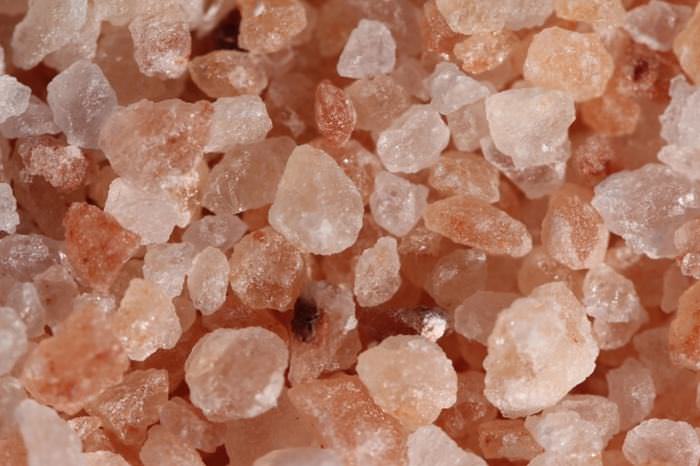
Pink
Himalayan salt, also known as 'white gold', is a rock salt that is
naturally found in a non-polluted area deep within the Himalayas. It is
known for its striking properties, as it contains 84 natural elements
and minerals that are indispensable to our health. These
include magnesium, potassium, calcium, chloride, phosphorus and iron. It
also contains zinc, selenium, iodine and copper, and has traces of iron oxide (rust), which gives it its pink tinge.
Unlike regular table salt, Himalayan salt is completely natural,
and contains no added chemicals or additives. For this reason, it is
considered to be a healthy salt. It is commonly sold as coarse grains,
or even as large blocks, although finely grained versions are
available.
|
|
|
What are the health benefits?
Consuming Pink Himalayan salt brings a multitude of surprising health benefits to our body. Here are some:
Having
said this, it is still very important to watch your amount of intake of
this salt. Just like other salts, Pink Himalayan salt may contain
some traces of aluminum, lead and toxic metals, so make sure you always
maintain a balance.
Table salt is a highly processed type of salt, which can act as an 'invader' to the human body when it is turned into sodium chloride. It is widely known that this is the main cause of high blood pressure and water retention, and it can also bring about tissue irritation. Because it affects the balance of fluids in our body considerably, it causes the body to waste a great deal of energy in order to bring it back to normal. In fact, for every gram of sodium chloride that is ingested, our body uses about 20 times the amount of cellular water in order to neutralize it. As a result, this can lead to health conditions such as rheumatism, arthritis, cellulite, and kidney and gall bladder stones. For these reasons, Himalayan salt is very often the healthier option. This type of salt is natural and hence easier on the body when it comes to metabolism and energy usage. Apart from this, it is found to have positive effects on the nervous system and is an excellent source of energy for our bodies. How much Pink Himalayan salt should I consume? Sodium is found in every type of salt, and this is why we should be careful not to consume more than we should, even when it comes to Himalayan salt. Excess intake of any salt can lead to water retention, high blood pressure and heart disease, and while the risk is less for Himalayan salt, it still doesn't exclude the fact that you should be cautious. Consider the facts: According to the American Heart Association, we shouldn't consume more than 1,500 milligrams of sodium daily. In reality, the body can function on just 500 milligrams a day, but an average American consumes a shocking 5,000 milligrams - far exceeding the limit. The ideal amount of Himalayan salt would be a quarter-teaspoon, which contains 500 milligrams of sodium. This allows one to use it a little more freely than regular table salt. |
Labels: bone strength, Health benefits, Himalayan Pink salt, muscle cramps, prevents, respiratory system, vascular health
posted by G S Iyer at 5:23 AM
0 comments

