Sunday, April 16, 2023

This Sleep Condition Affects Our Cognitive Abilities

The brain is an organ that nobody would want to experience a decrease in function, even a slight one. People are willing to do whatever it takes to maintain brain function, but several factors can negatively impact it, some of which are beyond our control. However, there are also controllable factors, such as regular exercise and a balanced diet. Unfortunately, some factors are not well known, making it difficult to identify their negative effects on brain health. One such factor is sleep apnea, a syndrome that often goes unnoticed because it occurs during sleep. Sleep apnea affects many people, but is not widely understood./


What is sleep apnea and who is at risk of developing it 
This particular sleep disorder involves the cessation or reduction of breathing while asleep, and is often caused by a blockage of air by the tongue and palate, which results in snoring. Throughout the night, breathing is frequently interrupted for periods of 10–30 seconds, leading the individual to wake up in order to regulate their breathing. Although the individual may not realize that their sleep is being interrupted, a common sign of this disorder is constant fatigue upon waking, no matter how long they sleep. If you suspect that you may be experiencing this issue, it is recommended that you review these 7 indicators for a more thorough assessment. 
 
Based on various research and experiments, it is hypothesized that around 2-7% of men experience moderate to severe sleep apnea, while the percentage for women is around 2-5%. However, these figures may not accurately reflect the actual number of people affected by this health condition, as many remain unaware of their condition and do not seek medical help.

What it the connection between sleep apnea and reduced cognitive abilities? 
The impact of sleep apnea on cognitive function has been established by scientists, who have found that interrupted oxygen supply to the brain during sleep affects its structure and functioning. Nevertheless, some experts attribute this effect to other health issues that are related to sleep apnea, such as high blood pressure, obesity, and peripheral vascular disease. 
 
According to Dr. Ivana Rosenzweig, a neuropsychiatrist and head of the Sleep Center and brain plasticity at King's College London, the latest study suggests that even healthy individuals may suffer brain damage due to interrupted breathing during sleep.

What sleep apnea does to the brain and cognition 
The study involved 27 men aged 35-70 with moderate to severe comorbid sleep apnea, whose test results were compared with those of other men without sleep apnea or comorbidities from 7 different research sources. All participants had a body mass index below 30, did not smoke or drink alcohol, and were not obese. 
 
Although no causal relationship could be established, the findings suggest a strong correlation between sleep apnea and brain damage. According to the study, men who suffered from sleep apnea suffered more than others from problems such as a decrease in short-term memory and damage to executive functions - mental processes that allow us to plan, maintain concentration, retrieve information from memory and do several things at the same time. They also showed less sustained attention, alertness and impulse control. 
 
The cognitive abilities of the participants were assessed using several neuropsychological tests, and Dr. Rosenzweig notes that one of the most surprising results was that the participants who suffered from sleep apnea also showed a decline in social and emotional cognition. "In our clinic, this phenomenon was usually mentioned by the partners of the patients. For example, the spouse sometimes reported that the patient suffering from sleep apnea is a person who is 'less emotionally present', 'irritable', or 'less thoughtful'. However, in the studies conducted until our study, no such connection was noted.

What do other experts say about this study? 
According to Dr. Colleen Lance, a physician at the Center for Sleep Disorders at the Neurology Institute at the Cleveland Clinic, getting enough uninterrupted sleep is crucial for the brain and mind to heal and maintain good health. The brain's ability to heal is negatively affected when sleep is shortened or interrupted. 
 
Dr. Lance provides an example from animal studies, where rats that experienced a lack of sleep had more protein accumulation in their brains, which is linked to Alzheimer's disease. Sleep plays a vital role in clearing out this protein waste, and sleep apnea hinders this process, leading to cognitive decline.

How to deal with sleep apnea 
Identifying sleep apnea in your partner may be necessary, since 80-90% of people who have the syndrome are unaware of it. If you experience breathing interruptions during sleep, it's recommended that you consult a physician and undergo testing in a sleep laboratory to determine the severity of the syndrome. 
 
The treatment you receive will adhere to the severity of your condition: 
Treatment for mild to moderate cases may involve losing weight or changing sleeping positions, while more severe cases may require surgical intervention or an oral device adjusted by a dentist. The most severe cases may require the use of a CPAP device, which delivers regular air pressure to the throat through a mask worn during sleep to keep the airways open. 
 
To avoid the issue, professionals suggest refraining from drinking alcohol or taking sedatives before sleeping, resting on your side rather than your back, and enhancing sleeping conditions such as creating a dark environment and refraining from using screens for at least one hour before going to bed. All of these measures should be taken to prevent the problem.

This is only for your information, kindly take the advice of your doctor for medicines, exercises and so on.  

https://gscrochetdesigns.blogspot.com. one can see my crochet creations  
https://gseasyrecipes.blogspot.com. feel free to view for easy, simple and healthy recipes    
https://kneereplacement-stickclub.blogspot.com. for info on knee replacement
https://GSiyers home remedies.blogspot.com     is my latest addition to my blogs. I'm going to add posts there, do give me your valuable feed back on my blogs. Thanks a lot, take care, be healthy and be happy
.  

Labels: , ,

Thursday, April 01, 2021

How to Get Better Sleep With a Stuffy Nose

Nasal congestion is one of those inevitable nuisances in life. After all, anything starting from a cold to allergies and sinusitis manifests itself through a runny and stuffy nose. While nasal congestion isn’t dangerous and usually passes on its own, it can interfere with your daily life and wake you up at night. But it doesn’t have to. If you want to sleep better at night, even though you have a stuffy nose, these tips and tricks will help you find relief and feel more rested.

1. Make a few adjustments to your sleeping position
Are you a side sleeper? Even though sleeping on your side is considered the best sleeping position for spine health, doctors recommend switching things up when you have a runny nose. Rather than sleep on your side, which can block one or both of your nostrils, try sleeping on your back when you've got the sniffles. This way, all the congestion will be able to run down instead of clogging up your sinuses and airways.

To facilitate mucus drainage even further and prevent that feeling of pressure in the sinuses at night, it’s a good idea to prop up your head with a few pillows. 
 
2. Keep these diet tips in mind
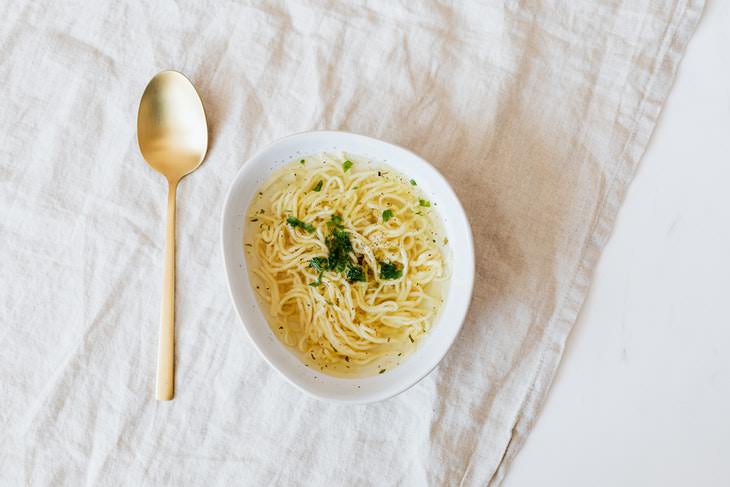
How to Get Better Sleep With a Stuffy Nose chicken soup
When you’re sick and your nose is stuffy, it’s key to work with your body instead of hindering the recovery process. Rule number one of remedying a stuffy nose (and getting over a cold, in general) is to stay hydrated. The extra water will help loosen up the mucus and make it easier for you to breathe. When you’re sick, doctors recommend drinking no less than 11.5 cups of liquid for women and 15.5 cups for men every day. 
 
If you have a fever, or experience vomiting or diarrhea, you should drink even more. Now, remember that any drink or liquid food counts. Herbal teas with honey and chicken soup are well-known cold remedies for good reason. The reason why tea and soup are helpful for a stuffy nose is that they are both hydrating and nutritious. The vitamins and antioxidants present in tea, chicken broth, and honey have proven anti-inflammatory and immune-boosting effects. 
 
At the same time, doctors advise against drinking dehydrating drinks like alcohol and coffee when you’re sick, especially after 2 PM, as these beverages have the opposite effect. 
 
One last food tip - If you enjoy spicy food, consider eating some when your nose is stuffy. Spicy foods contain capsaicin, the compound that makes peppers spicy. Apart from having a variety of health benefits, capsaicin has temporary decongestant properties, so it will help clear your nose, even if only for a short time.

3. Keep air humidity high
When you have a stuffy nose, moist air is your friend. The reasoning behind it is identical to why you should drink more - moist air makes mucus runnier, which will prevent it from blocking your nose. There are few ways you can increase air humidity and achieve much-needed relief before sleep: 
 
The most straightforward method is using an air humidifier in your bedroom or hanging a damp towel near a heater in the bedroom. 
 
Alternatively, you can take a hot shower before bed. While you’re in the shower, massage your sinuses to promote drainage. 
 
Lastly, you can place a warm towel on your forehead or sinuses before bedtime.

4. Use nasal strips
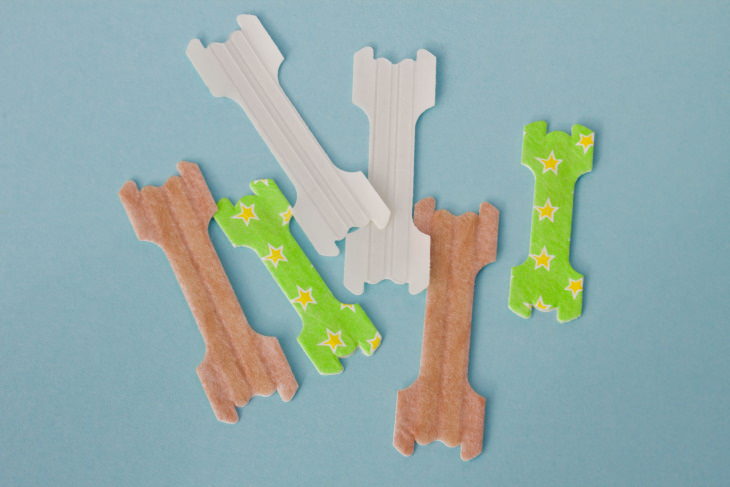
How to Get Better Sleep With a Stuffy Nose nasal strips
Nasal strips are small sticky strips that you attach to the bridge of the nose before bedtime. These strips slightly pull the nostrils out, helping you open the nasal passages. Nasal strips are usually used to prevent snoring, but they can also improve breathing when you’ve got the sniffles. You can easily find these strips at most pharmacies.

5. Don’t forget about medications and home remedies
Even if you prefer not to take medications during the day because it makes you drowsy, consider doing so before bed. Apart from the obvious flu medicine, or decongestant sprays and corticosteroid sprays that work topically to relieve nasal congestion, consider taking antihistamines like Benadryl (diphenhydramine), Claritin (loratadine), Allegra (fexofenadine), and Zyrtec (cetirizine).

Histamine is a hormone that triggers an allergic reaction, and antihistamines are drugs that block the effects of histamine. As a result, you will experience less sneezing, swelling, congestion, and pressure in the sinuses after taking antihistamines. Many antihistamines are available over-the-counter. Note: any medication can interfere with other medications and may not be advised if you have certain health conditions, so it’s always important that you consult a doctor before taking any new medication. 
 
Apart from medications, you can also apply a menthol chest rub before sleep. You can even make one at home by mixing a tablespoon of neutral oil with a few drops of eucalyptus, peppermint, or tea tree oil. 
 
Lastly, you can use a saline rinse spray or neti pot to clear the sinuses. Saline solutions are not only drug-free and carry no risk of addiction, but they are also easy to make at home: distill 1 cup of water by using a distiller or boiling for 10 minutes and then cooling it, add ½ teaspoon salt, and you’ve got a saline solution. You can use this solution as many times a day as you need.
 
6. Keep pets out of the bedroom
If you suspect that your stuffy nose is caused by allergies, it may be due to pet dander. Even minor pet allergies often manifest through itchy eyes and a stuffy nose, so it’s a good idea to keep your pets out of the bedroom to reduce your symptoms. Likewise, it’s important to switch out bedlinens more often - about once a week - and wipe down your couch regularly to prevent pet dander from accumulating on textiles and irritating your nose.

7. Keep supplies within arm’s reach
Lastly, we’d like to stress the importance of having things like tissues, water, and nasal sprays close at hand at night. Oftentimes, one’s sleep is interrupted not by the nasal congestion itself, but by the action of having to get up from bed and search for the items you need in the middle of the night. 
 
So take the time to gather all the supplies you need, such as a box of tissues, medications, water, and a wastebasket, and within arm’s reach to save yourself the effort of getting out of bed. This way, even if you do wake up, it will be less stressful and you’ll be more likely to fall asleep quicker, too.


This is only for your information, kindly take the advice of your doctor for medicines, exercises and so on.     

https://gscrochetdesigns.blogspot.com. one can see my crochet creations  
https://gseasyrecipes.blogspot.com. feel free to view for easy, simple and healthy recipes    
https://kneereplacement-stickclub.blogspot.com. for info on knee replacement


Labels: , , , , , , , , , , ,

Tuesday, May 05, 2020

Wrinkles: Treatments and prevention

In ancient times, having wrinkles often meant that you were successful in having reached old age. It was a sign of wisdom, health, and longevity. With the advancements in medical knowledge and care, we all get to live longer, meaning that wrinkles are becoming less a sign of success, and more a sign of just being old. Any pharmacy will have a plethora of “anti-aging” creams and products meant to make wrinkles less visible, but the best way to reduce the likeliness of wrinkles, one just needs to know these facts:

1. The more expressive you are, the more wrinkles you’ll have

Laugh-lines, frown-lines, crow’s-feet, etc. – they all are results of your more common expressions. These lines become ingrained in your skin through years of similar motions and are impossible to reduce without plastic surgery as a facelift or by injecting special fillers under the skin.

2. Changing your diet can make a difference

Fruits and vegetables that are rich in antioxidants help the body combat the effects of free radicals, which are the main cause for aging-related symptoms. Foods that are particularly rich in antioxidants are prunes, raspberries, strawberries, cranberries, walnuts blueberries, pinto beans, and red beans.

3. Spending time in your car increases the likeliness of wrinkles

You may feel safe from the sun’s rays in your car, but the sad truth is that the car windows can be your worst enemy. They provide no UVA protection, so if you sit in traffic a lot – you’re also being exposed to the sun, often on one side specifically. Always wear sunscreen when you go for a drive – your skin will thank you.

4. Do you sleep on one side? You’re more likely to get wrinkles

If your favorite sleeping position is on your side or stomach, with your face lying on a pillow – you’re creating your own wrinkles. As your face presses into the pillow, it creates many wrinkles on your face, similarly to expression lines.

5. Drinking water helps reduce wrinkles

Most people don’t know or understand the importance of drinking sufficient amounts of water during the day. If we’re not sufficiently hydrated, our skin dries out, and dry skin gets damaged more easily because it loses its elasticity and becomes more brittle. Make sure you’re well-hydrated throughout the day, and you’ll keep those wrinkles at bay.

6. Frown lines can mean problems with your vision

While most other wrinkles are the results of age or sun damage, frown lines are not. These wrinkles that appear between your eyes are most often an indication that you probably need an eye exam. If you take care of vision problems early enough – you’ll be able to delay and even prevent these wrinkles.

7. Look at old family photos

Wrinkles are hereditary, and by investigating your family’s history you can often predict when you’ll start getting wrinkles, how pronounced they will be and where are they most likely to occur. Knowing that will help you care for “danger zones” in advance.

8. Face creams can slow down the appearance of wrinkles

Collagen levels in your skin determine its elasticity. As we get older, our bodies produce less collagen, contributing to the appearance of wrinkles. By using face creams that contain peptides, alpha hydroxy acids, retinoids, and vitamin C, you increase skin turnover, encouraging the production of collagen to a degree. Another way is a procedure called “Skin Tightening via Radio Frequency” that causes mild inflammation in the skin, promoting increased production of collagen. While this procedure is effective – it can be quite costly.

2 DIY skin tightening face masks:

1. Skin Brightening and Hydrating Mask

Choose between 3 optional bases:

    Aloe vera juice - for a soothing and healing mask
    Greek yogurt - for a purifying and cleansing mask
    Honey - for a nourishing and softening mask

Add the following ingredients:

    2 tablespoons of Fuller’s Earth Clay
    ½ teaspoon of lemon peel powder
    ½ teaspoon of licorice root powder
    ¼ teaspoon of vitamin C powder
    ¼ teaspoon of green tea extract powder
    3 drops of lemon/lime essential oil

Instructions:

Mix the dry ingredients in a bowl until combined
    Add the essential oil.
    Add the rest of the liquid ingredients until the mixture is a smooth, thick paste.
    Apply the mask and wait for approximately 15 minutes.(Don’t let the mask dry all the way)
    Clean your face with a warm, wet washcloth.


2. Vitamin Rich Face Mask

Ingredients:

    ½ of a Banana
    1 Apricot
    1 tablespoon of lukewarm water

Instructions:

Remove the skin and the seeds from the apricot and then cut it into small pieces.
    Cut a peeled banana into small pieces.
    Mix the fruits with lukewarm water in a blender.
    The texture should be creamy and fluffy.
     Apply the mask and wait for 20 minutes.
    Rinse your face with cool water.


This is only for your information, kindly take the advice of your doctor for medicines, exercises and so on.     

https://gscrochetdesigns.blogspot.com. one can see my crochet creations  
https://gseasyrecipes.blogspot.com. feel free to view for easy, simple and healthy recipes    
https://kneereplacement-stickclub.blogspot.com. for info on knee replacement

Labels: , , , , , , , , , , , , , ,

Saturday, November 03, 2018

Snoring Remedy That Works

There are a number of factors that contribute to who snores and why. Your sleeping positions, diet, weight and alcohol consumption are a few of the primary reasons.

What Type of Snorer Are You?

It helps to determine what type of snorer you are in order to really pinpoint how to stop snoring. Taking the time to determine this, and why you snore, can help you find the right solution and get a good night of rest consistently.
To figure this out, ask your partner to help you keep a sleep diary to monitor your snoring. By observing patterns in your snoring, you can often determine the reasons why you snore and what makes it worse. With the help of your partner, let’s see if you can pinpoint when you snore. This feedback is invaluable and will get to the root of the issue.  

1. Mouth Shut Snorer

If your mouth stays shut while you snore, it may indicate a problem with your tongue and nasal passageways.

2. Mouth Wide Open Snorer

If you snore with your mouth wide open, this could be an indication that the tissues in your throat are more likely to be causing you to snore. If your throat is partially obstructed, you’re apt to try to force in more air, which creates the snore sounds.

3. Back Snorer

Sleeping on your back often causes you to breathe through your mouth. This can make snoring worse.

4. A Snorer No Matter What

If you snore in any position no matter what, it could be a sign of a more serious problem, such as sleep apnea. Please have a visit with your doctor if your snoring is loud enough to keep your partner awake, you wake yourself up, everything you have tried does not seem to help or you snore in any sleeping position. You may need a more specified approach or more individualized details from a health care provider to determine how to stop snoring in this case. 

Juice the ingredients and drink prior to going to bed. You will sleep well and notice the difference.


The great thing is that this isn’t JUST helpful for snorers (and their spouses!)…it can also help clear stuffy, irritated nasal passages of any kind! So if your family tends to get colds frequently or has allergy issues, you’ll definitely want to whip up a couple of these jars.

Snore Relieving Gel in a Jar

You’ll need:
  • 2 packets unflavoured gelatin
  • 1 Tbsp salt
  • 1 cup water, divided
  • 2  4 oz mason jars
  • Marjoram, peppermint, eucalyptus, and lavender essential oils

Directions:
Heat 3/4 cup of water in a small pot or pan over medium-high heat. Add 1 Tbsp of salt, and stir until the salt dissolves completely.
Slowly add the contents of the 2 packets of gelatin to the water, and stir until dissolved.
Remove the mixture from heat and add the remaining 1/4 cup of water.
Pour the liquid carefully into your two 4oz mason jars, then add the essential oils. Add 5 drops each of marjoram, peppermint, eucalyptus, and lavender essential oils, for a total of 20 drops in each jar. Add a drop or two of food coloring too, if you’d like (just to make it a bit more visually interesting.)
Place the jars into your fridge to cool and solidify, then cover with a lid.

To Use:
At bedtime, open the jar and hold it near your nose. Take a few deep breaths through your nose, then leave the jar open on your nightstand while you sleep.
Marjoram essential oil relieves tension and relaxes muscles, promoting restful sleep.
Peppermint and eucalyptus essential oils are excellent at reducing inflammation in the nasal passages, which helps clear the airways and eliminate snoring. And finally, lavender essential oil is very relaxing, helping to carry you off to a restful, snore-less sleep.
(As with all gelatin products, higher temperatures can cause this gel to liquify. If this happens, no worries! Just stick the jar back in the fridge until it has solidified again.)

THIS IS ONLY FOR INFORMATION, ALWAYS CONSULT YOU PHYSICIAN BEFORE HAVING ANY PARTICULAR FOOD/ MEDICATION/EXERCISE/OTHER REMEDIES.                                                                                                                                                                                                       PS- THOSE INTERESTED IN RECIPES ARE FREE TO  VIEW MY BLOG-                                                                                           https://gseasyrecipes.blogspot.com/   

FOR INFO ABOUT KNEE REPLACEMENT, YOU CAN VIEW MY BLOG-                                                                                          https:// kneereplacement-stickclub.blogspot.com/                              

FOR CROCHET DESIGNS                                                                                                                                                                                                                                 https://gscrochetdesigns.blogspot.com


Labels: , , , , , , , , , , , ,