Tuesday, October 19, 2021

Stomach Ulcers and Heartburn Natural Treatments

You would never think of tomatoes as being bad for you, but if you have stomach ulcers, they can actually make them worse. You'll truly be amazed at the other health foods you should avoid to prevent acid reflux from occurring. Before we discuss 14 natural home remedies for them, let's take a closer look at the causes and symptoms of stomach ulcers and heartburn:

What Are Stomach Ulcers?

Many people confuse peptic ulcers with heartburn, but they are far from alike despite having similar symptoms. Ulcers consist of tiny open sores that develop on the inner lining of the stomach and small intestine, causing excruciating pain. 
 
What Causes Stomach Ulcers?  
Helicobacter pylori is the main bacterial infection that triggers stomach ulcers. Helicobacter pylori develops from certain medications, poor dietary lifestyle and stomach acid buildup. 
 
 What Are the Symptoms Associated with Stomach Ulcers? 
The most common symptoms attributed to ulcers are burning pains that begin at the top of your chest, eventually reaching your midriff. You can also experience sharp pains that keep you awake at night. There are also pains that occur two to three hours after eating, which may provoke mild nausea. These pains generally go away after vomiting. 
 
Food and Beverages to Avoid With Stomach Ulcers:
 
Coffee - Coffee stimulates acid production and can cause severe indigestion problems. 
 
• Alcohol - Alcohol can irritate and erode the lining of the stomach and small intestine, triggering ulcers. 
 
• Spicy Foods - Certain peppers found in dishes, such as Mexican chili, can trigger heartburn in a flash. Avoid spicy foods as much as possible, because they stimulate acid reflux buildup and gastrointestinal pains. 
 
What is Heartburn?  
Heartburn occurs when stomach acid backs up in the esophagus and eventually reaches your throat area. Heartburn is a very unpleasant burning sensation that can truly leave a bad taste in your mouth. Almost one in five Americans experiences it. 
 
What Causes Heartburn? The common cause of heartburn is a lower esophageal sphincter, or LES, that doesn't contract regularly. Unhealthy foods are a major contributor to heartburn, especially foods that are deep-fried or cooked in grease. Overeating can also cause acid reflux, due to the excess amount of pressure on the stomach. 
 
What Are the Symptoms of Heartburn? 
Symptoms of heartburn or acid reflux include a dry cough, a sore throat that causes difficulty swallowing, an increased burning sensation after digestion, and tasting acid or food in the back of your mouth. These symptoms intensify the moment you lay down. 
 
Foods and Beverages to Avoid with Acid Reflux:
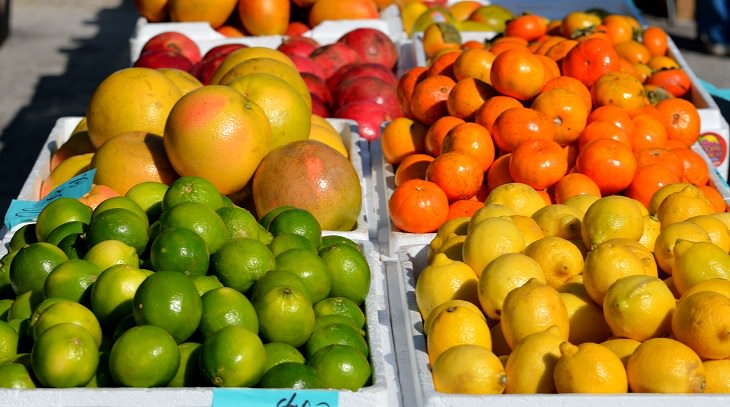
Citrus Fruits - Citrus fruits might be ideal for the common cold, but the acidity inside can cause heartburn, particularly on an empty stomach. 
 
• Garlic and Onions - Although both vegetables are essential for a healthy dietary intake, they also wreck havoc on people suffering from heartburn. 
 
• Carbonated Beverages - Carbonated beverages cause gastric distension, leading to acid reflux and indigestion. It's best to stay away from sodas and just drink mineral water instead. 
 
7 Natural Treatments for Heartburn
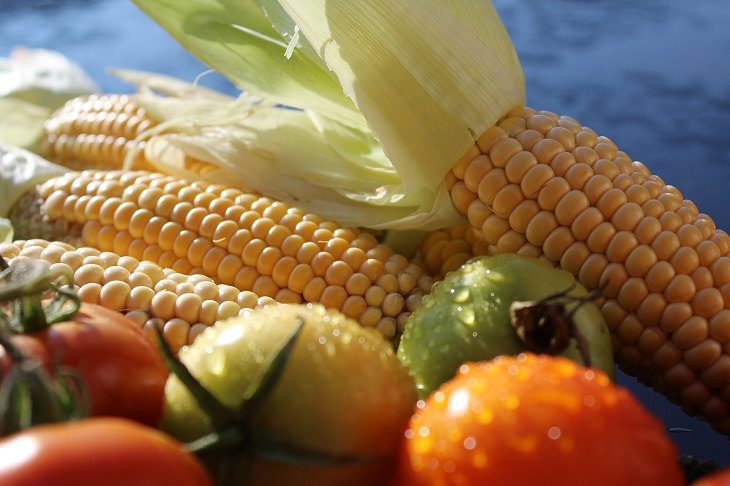
1. Eating a Healthy Diet - There are many foods that are extremely good for you, but bad for your heartburn. Some of these foods include ground beef, sour cream, cottage cheese, onions, tomatoes, and citrus fruits. Make sure you avoid fried or greasy foods to prevent heartburn from occurring. Drink plenty of water between meals and skip the carbonated beverages altogether.

2. Enzymes and Probiotics - Probiotics are often referred to as the “good bacteria”, since they promote healthy digestion. Probiotics minimize the growth of harmful bacteria and boost the immune system. Probiotics are available in supplement form, and help combat acid reflux. Take them together with hydrochloric acid or HCI enzyme supplement for smooth digestion. 
 
3. Aloe Vera Juice - Aloe Vera juice has been known to treat acid reflux and other medical symptoms. It's advisable to drink a quarter of a cup of Aloe Vera approximately 20 minutes before a meal, or whenever you experience acid reflux. You can even mix Aloe Vera with tea or water if you don't like the basic taste of it. Do not drink Aloe Vera juice if you have diabetes, kidney failure or thyroid disease. Pregnant women and children should also avoid it. 
 
4. Apple Cider Vinegar - Apple cider vinegar is used to treat stomach acid buildup, as ironic as that may sound. The cider helps digestion by breaking down fats, despite the acidity factor. Mix one or two teaspoons of the apple cider vinegar with a glass of water and drink it before meals, or whenever you feel an acid reflux attack coming on. 
 
5. Baking Soda - A little baking soda is all it takes to alleviate your acid reflux symptoms. You may not appreciate the bland taste, but you'll feel much better afterward. Mix half a teaspoon (or even a full one) of baking soda with a glass of water. 
 
6. Black Salt - Heartburn is caused by an excess of acid being present in your stomach. Luckily, black salt is full of alkaline minerals, as a result of its exposure to high temperatures, which helps cancel out the negative effects of your stomach’s acid production. 
 
7. Belly Breathing - What belly breathing does is it helps the abdomen expand and allows your diaphragm to move more and tighten around your lungs, so you let more air out when you exhale, the effect is the same in the opposite direction. This means that by practicing belly breathing, you can help maintain the proper functioning of the LES, preventing heartburn in the long term and dealing with the symptoms of the condition in the short term.
Natural Treatments for Stomach Ulcers 

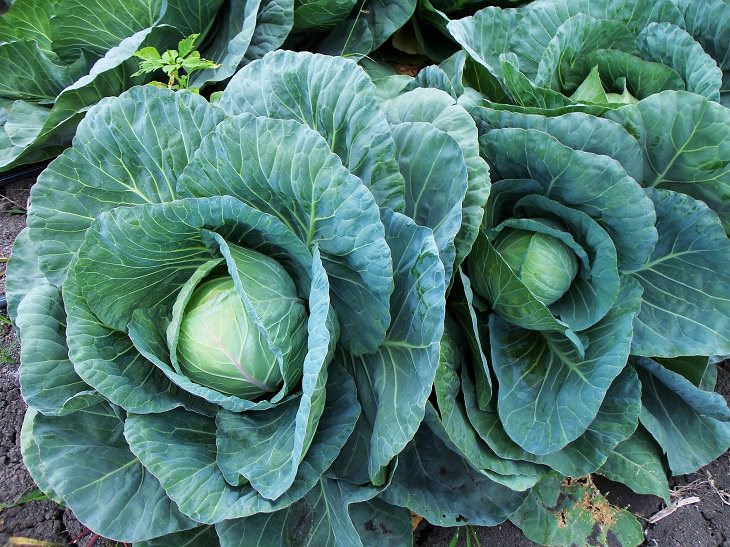
1. Cabbage Juice - Cabbage is packed with an abundance of natural anti-oxidant properties that help prevent stomach ulcers. Cabbage contains vitamins A, B1, B2, B6, C, E, K and folate, all essential for treating acid reflux and fighting cancer. 
 
2. Zinc Carnosine - Zinc-Carnosine is used to treat stomach ulcers and other gastrointestinal problems. The function of the Zinc-Carnosine is to repair damaged tissues and heal ulcer wounds. Recommended Dosage: Use for eight weeks, with a daily dose of 75mg in divided doses. 
 
3. Probiotics - Probiotics improve intestinal functions and help fend off Helicobacter pylori. They are also used to prevent other gastric disorders, such as diarrhea and inflammatory bowel disease, from occurring. Recommended Dosage: Take a probiotic of 1 to 2 million CFUs daily. 
 
4. Glutamine - Glutamine significantly reduces the amount of inflammation brought on by a Helicobacter pylori infection. Glutamine supplements can be purchased at any local health store. Recommended Dosage: Take 2 grams of glutamine daily for stomach ulcers. 
 
5. Ginger Root - Ginger limits the harmful helicobacter pylori from acting up. Add several slices of fresh ginger roots to hot water, and drink the ginger mixture approximately 20 minutes or so before each meal for a quick soothing remedy. 
 
6. Deglycyrrhizinated Licorice Powder (DGL) - DGL can work wonders for peptic ulcers. They protect the inner lining of your small intestine and stomach. Recommended Dosage: Suggested dose is 200 to 400 mg daily dissolved in 200 ml warm water. 
 
7. Astaxanthin - These powerful antioxidants help protect the gastrointestinal or GI tract and reduce symptoms of acid reflux. The free radical scavenging activity of astaxanthin also combats against Helicobacter pylori bacterial infection. Recommended Dosage: Suggested daily dose is 40 mg.

For anti-reflux smoothie, see my recipe blog, thanks

This is only for your information, kindly take the advice of your doctor for medicines, exercises and so on.   

https://gscrochetdesigns.blogspot.com. one can see my crochet creations  
https://gseasyrecipes.blogspot.com. feel free to view for easy, simple and healthy recipes    
https://kneereplacement-stickclub.blogspot.com. for info on knee replacement


Labels: , , , , , , , , , , , , ,

Tuesday, May 05, 2020

Wrinkles: Treatments and prevention

In ancient times, having wrinkles often meant that you were successful in having reached old age. It was a sign of wisdom, health, and longevity. With the advancements in medical knowledge and care, we all get to live longer, meaning that wrinkles are becoming less a sign of success, and more a sign of just being old. Any pharmacy will have a plethora of “anti-aging” creams and products meant to make wrinkles less visible, but the best way to reduce the likeliness of wrinkles, one just needs to know these facts:

1. The more expressive you are, the more wrinkles you’ll have

Laugh-lines, frown-lines, crow’s-feet, etc. – they all are results of your more common expressions. These lines become ingrained in your skin through years of similar motions and are impossible to reduce without plastic surgery as a facelift or by injecting special fillers under the skin.

2. Changing your diet can make a difference

Fruits and vegetables that are rich in antioxidants help the body combat the effects of free radicals, which are the main cause for aging-related symptoms. Foods that are particularly rich in antioxidants are prunes, raspberries, strawberries, cranberries, walnuts blueberries, pinto beans, and red beans.

3. Spending time in your car increases the likeliness of wrinkles

You may feel safe from the sun’s rays in your car, but the sad truth is that the car windows can be your worst enemy. They provide no UVA protection, so if you sit in traffic a lot – you’re also being exposed to the sun, often on one side specifically. Always wear sunscreen when you go for a drive – your skin will thank you.

4. Do you sleep on one side? You’re more likely to get wrinkles

If your favorite sleeping position is on your side or stomach, with your face lying on a pillow – you’re creating your own wrinkles. As your face presses into the pillow, it creates many wrinkles on your face, similarly to expression lines.

5. Drinking water helps reduce wrinkles

Most people don’t know or understand the importance of drinking sufficient amounts of water during the day. If we’re not sufficiently hydrated, our skin dries out, and dry skin gets damaged more easily because it loses its elasticity and becomes more brittle. Make sure you’re well-hydrated throughout the day, and you’ll keep those wrinkles at bay.

6. Frown lines can mean problems with your vision

While most other wrinkles are the results of age or sun damage, frown lines are not. These wrinkles that appear between your eyes are most often an indication that you probably need an eye exam. If you take care of vision problems early enough – you’ll be able to delay and even prevent these wrinkles.

7. Look at old family photos

Wrinkles are hereditary, and by investigating your family’s history you can often predict when you’ll start getting wrinkles, how pronounced they will be and where are they most likely to occur. Knowing that will help you care for “danger zones” in advance.

8. Face creams can slow down the appearance of wrinkles

Collagen levels in your skin determine its elasticity. As we get older, our bodies produce less collagen, contributing to the appearance of wrinkles. By using face creams that contain peptides, alpha hydroxy acids, retinoids, and vitamin C, you increase skin turnover, encouraging the production of collagen to a degree. Another way is a procedure called “Skin Tightening via Radio Frequency” that causes mild inflammation in the skin, promoting increased production of collagen. While this procedure is effective – it can be quite costly.

2 DIY skin tightening face masks:

1. Skin Brightening and Hydrating Mask

Choose between 3 optional bases:

    Aloe vera juice - for a soothing and healing mask
    Greek yogurt - for a purifying and cleansing mask
    Honey - for a nourishing and softening mask

Add the following ingredients:

    2 tablespoons of Fuller’s Earth Clay
    ½ teaspoon of lemon peel powder
    ½ teaspoon of licorice root powder
    ¼ teaspoon of vitamin C powder
    ¼ teaspoon of green tea extract powder
    3 drops of lemon/lime essential oil

Instructions:

Mix the dry ingredients in a bowl until combined
    Add the essential oil.
    Add the rest of the liquid ingredients until the mixture is a smooth, thick paste.
    Apply the mask and wait for approximately 15 minutes.(Don’t let the mask dry all the way)
    Clean your face with a warm, wet washcloth.


2. Vitamin Rich Face Mask

Ingredients:

    ½ of a Banana
    1 Apricot
    1 tablespoon of lukewarm water

Instructions:

Remove the skin and the seeds from the apricot and then cut it into small pieces.
    Cut a peeled banana into small pieces.
    Mix the fruits with lukewarm water in a blender.
    The texture should be creamy and fluffy.
     Apply the mask and wait for 20 minutes.
    Rinse your face with cool water.


This is only for your information, kindly take the advice of your doctor for medicines, exercises and so on.     

https://gscrochetdesigns.blogspot.com. one can see my crochet creations  
https://gseasyrecipes.blogspot.com. feel free to view for easy, simple and healthy recipes    
https://kneereplacement-stickclub.blogspot.com. for info on knee replacement

Labels: , , , , , , , , , , , , , ,

Sunday, December 30, 2018

Natural Cures for Stomach Ulcers and Heartburn

You would never think of tomatoes as being bad for you, but if you have stomach ulcers, they can actually make them worse. You'll truly be amazed at the other health foods you should avoid to prevent acid reflux from occurring. Before we discuss 12 natural home remedies for them, let's take a closer look at the causes and symptoms of stomach ulcers and heartburn: 
What Are Stomach Ulcers?
Many people confuse peptic ulcers with heartburn, but they are far from alike despite having similar symptoms. Ulcers consist of tiny open sores that develop on the inner lining of the stomach and small intestine, causing excruciating pain.
What Causes Stomach Ulcers?
Helicobacter pylori is the main bacterial infection that triggers stomach ulcers. Helicobacter pylori develops from certain medications, poor dietary lifestyle and stomach acid buildup. 
What Are the Symptoms Associated with Stomach Ulcers?
The most common symptoms attributed to ulcers are burning pains that begin at the top of your chest, eventually reaching your midriff. You can also experience sharp pains that keep you awake at night. There are also pains that occur two to three hours after eating, which may provoke mild nausea. These pains generally go away after vomiting. 
Food and Beverages to Avoid With Stomach Ulcers:
•    Coffee - Coffee stimulates acid production and can cause severe indigestion problems.
•    Alcohol - Alcohol can irritate and erode the lining of the stomach and small intestine, triggering ulcers.
•    Spicy Foods - Certain peppers found in dishes, such as Mexican chili, can trigger heartburn in a flash. Avoid spicy foods as much as possible, because they stimulate acid reflux buildup and gastrointestinal pains. 
What is Heartburn?
Heartburn occurs when stomach acid backs up in the esophagus and eventually reaches your throat area. Heartburn is a very unpleasant burning sensation that can truly leave a bad taste in your mouth. Almost one in five Americans experiences it.                                
What Causes Heartburn?
The common cause of heartburn is a lower esophageal sphincter, or LES, that doesn't contract regularly. Unhealthy foods are a major contributor to heartburn, especially foods that are deep-fried or cooked in grease. Overeating can also cause acid reflux, due to the excess amount of pressure on the stomach. 
What Are the Symptoms of Heartburn?
Symptoms of heartburn or acid reflux include a dry cough, a sore throat that causes difficulty swallowing, an increased burning sensation after digestion, and tasting acid or food in the back of your mouth. These symptoms intensify the moment you lay down. 
Foods and Beverages to Avoid with Acid Reflux:
•    Citrus Fruits - Citrus fruits might be ideal for the common cold, but the acidity inside can cause heartburn, particularly on an empty stomach.
•    Garlic and Onions - Although both vegetables are essential for a healthy dietary intake, they also wreck havoc on people suffering from heartburn.
•    Carbonated Beverages - Carbonated beverages cause gastric distension, leading to acid reflux and indigestion. It's best to stay away from sodas and just drink mineral water instead. 
5 Natural Treatments for Heartburn
1. Eating a Healthy Diet - There are many foods that are extremely good for you, but bad for your heartburn. Some of these foods include ground beef, sour cream, cottage cheese, onions, tomatoes, and citrus fruits. Make sure you avoid fried or greasy foods to prevent heartburn from occurring. Drink plenty of water between meals and skip the carbonated beverages altogether.
2. Enzymes and Probiotics - Probiotics are often referred to as the “good bacteria”, since they promote healthy digestion. Probiotics minimize the growth of harmful bacteria and boost the immune system. Probiotics are available in supplement form, and help combat acid reflux. Take them together with hydrochloric acid or HCI enzyme supplement for smooth digestion. 
3. Aloe Vera Juice - Aloe Vera juice has been known to treat acid reflux and other medical symptoms. It's advisable to drink a quarter of a cup of Aloe Vera approximately 20 minutes before a meal, or whenever you experience acid reflux. You can even mix Aloe Vera with tea or water if you don't like the basic taste of it. Do not drink Aloe Vera juice if you have diabetes, kidney failure or thyroid disease. Pregnant women and children should also avoid it. 
4. Apple Cider Vinegar  - Apple cider vinegar is used to treat stomach acid buildup, as ironic as that may sound. The cider helps digestion by breaking down fats, despite the acidity factor. Mix one or two teaspoons of the apple cider vinegar with a glass of water and drink it before meals, or whenever you feel an acid reflux attack coming on.  
5. Baking Soda - A little baking soda is all it takes to alleviate your acid reflux symptoms. You may not appreciate the bland taste, but you'll feel much better afterward. Mix half a teaspoon (or even a full one) of baking soda with a glass of water.  
Natural Treatments for Stomach Ulcers

1. Cabbage Juice - Cabbage is packed with an abundance of natural anti-oxidant properties that help prevent stomach ulcers. Cabbage contains vitamins A, B1, B2, B6, C, E, K and folate, all essential for treating acid reflux and fighting cancer.
2. Zinc Carnosine - Zinc-Carnosine is used to treat stomach ulcers and other gastrointestinal problems. The function of the Zinc-Carnosine is to repair damaged tissues and heal ulcer wounds. 
Recommended Dosage: Use for eight weeks, with a daily dose of 75mg in divided doses. 
3. Probiotics - Probiotics improve intestinal functions and help fend off Helicobacter pylori. They are also used to prevent other gastric disorders, such as diarrhea and inflammatory bowel disease, from occurring. 
Recommended Dosage: Take a probiotic of 1 to 2 million CFUs daily.
4. Glutamine - Glutamine significantly reduces the amount of inflammation brought on by a Helicobacter pylori infection. Glutamine supplements can be purchased at any local health store.  
Recommended Dosage: Take 2 grams of glutamine daily for stomach ulcers.
5. Ginger Root - Ginger limits the harmful helicobacter pylori from acting up. Add several slices of fresh ginger roots to hot water, and drink the ginger mixture approximately 20 minutes or so before each meal for a quick soothing remedy. 
6. Deglycyrrhizinated Licorice Powder (DGL) - DGL can work wonders for peptic ulcers. They protect the inner lining of your small intestine and stomach. 
Recommended Dosage: Suggested dose is 200 to 400 mg daily dissolved in 200 ml warm water.
7. Astaxanthin - These powerful antioxidants help protect the gastrointestinal or GI tract and reduce symptoms of acid reflux. The free radical scavenging activity of astaxanthin also combats against Helicobacter pylori bacterial infection.  
Recommended Dosage: Suggested daily dose is 40 mg. 
Bonus Recipe: How to Prepare an Anti-Reflux Smoothie:      
•    1 cup diced fresh pineapple
•    1 cup diced fresh papaya
•    1/2 cup Greek yogurt
•    1/2 cup ice
•    1/2 cup pineapple juice or water
•    Blend it all together and drink.
THIS IS ONLY FOR INFORMATION, ALWAYS CONSULT YOU PHYSICIAN BEFORE HAVING ANY PARTICULAR FOOD/ MEDICATION/EXERCISE/OTHER REMEDIES.                                                                                
 PS- THOSE INTERESTED IN RECIPES ARE FREE TO  VIEW MY BLOG-                                                                                           https://gseasyrecipes.blogspot.com/                                                                                                                                                                             FOR INFO ABOUT KNEE REPLACEMENT, YOU CAN VIEW MY BLOG-                                               
     https:// kneereplacement-stickclub.blogspot.com/                                                                                     
  FOR CROCHET DESIGNS                                                                                                                                                                                                              https://gscrochetdesigns.blogspot.com

Labels: , , , , , , , , , , , , , , ,