How to Get Better Sleep With a Stuffy Nose
Nasal congestion is one of those inevitable
nuisances in life. After all, anything starting from a cold to
allergies and sinusitis manifests itself through a runny and stuffy
nose. While nasal congestion isn’t dangerous and usually passes on its
own, it can interfere with your daily life and wake you up at night. But
it doesn’t have to. If you want to sleep better at night, even though
you have a stuffy nose, these tips and tricks will help you find relief
and feel more rested.
1. Make a few adjustments to your sleeping position
Are you a side sleeper? Even though
sleeping on your side is considered the best sleeping position for spine
health, doctors recommend switching things up when you have a runny
nose. Rather than sleep on your side, which can block one or both of
your nostrils, try sleeping on your back when you've got the sniffles.
This way, all the congestion will be able to run down instead of
clogging up your sinuses and airways.
To facilitate mucus drainage even further
and prevent that feeling of pressure in the sinuses at night, it’s a
good idea to prop up your head with a few pillows.
2. Keep these diet tips in mind

When you’re sick and your nose is stuffy,
it’s key to work with your body instead of hindering the recovery
process. Rule number one of remedying a stuffy nose (and getting over a
cold, in general) is to stay hydrated. The extra water will help loosen
up the mucus and make it easier for you to breathe. When you’re sick,
doctors recommend drinking no less than 11.5 cups of liquid for women
and 15.5 cups for men every day.
If you have a fever, or experience vomiting or diarrhea, you should
drink even more. Now, remember that any drink or liquid food counts.
Herbal teas with honey and chicken soup are well-known cold remedies for
good reason. The reason why tea and soup are helpful for a stuffy nose
is that they are both hydrating and nutritious. The vitamins and
antioxidants present in tea, chicken broth, and honey have proven
anti-inflammatory and immune-boosting effects.
At the same time, doctors advise against drinking dehydrating drinks
like alcohol and coffee when you’re sick, especially after 2 PM, as
these beverages have the opposite effect.
One last food tip - If you enjoy spicy food, consider eating some when
your nose is stuffy. Spicy foods contain capsaicin, the compound that
makes peppers spicy. Apart from having a variety of health benefits,
capsaicin has temporary decongestant properties, so it will help clear
your nose, even if only for a short time.
3. Keep air humidity high
When you have a stuffy nose, moist air is
your friend. The reasoning behind it is identical to why you should
drink more - moist air makes mucus runnier, which will prevent it from
blocking your nose. There are few ways you can increase air humidity and
achieve much-needed relief before sleep:
The most straightforward method is using an air humidifier in your
bedroom or hanging a damp towel near a heater in the bedroom.
Alternatively, you can take a hot shower before bed. While you’re in
the shower, massage your sinuses to promote drainage.
Lastly, you can place a warm towel on your forehead or sinuses
before bedtime.
4. Use nasal strips
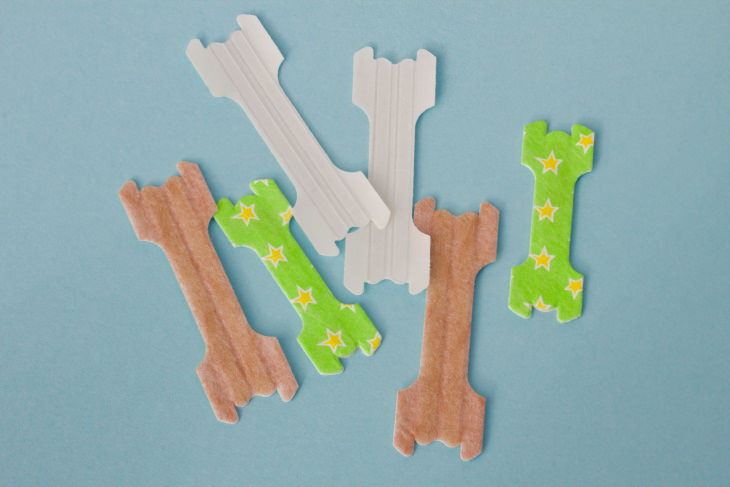
Nasal strips are small sticky strips that
you attach to the bridge of the nose before bedtime. These strips
slightly pull the nostrils out, helping you open the nasal passages.
Nasal strips are usually used to prevent snoring, but they can also
improve breathing when you’ve got the sniffles. You can easily find
these strips at most pharmacies.
5. Don’t forget about medications and home remedies
Even if you prefer not to take medications
during the day because it makes you drowsy, consider doing so before
bed. Apart from the obvious flu medicine, or decongestant sprays and
corticosteroid sprays that work topically to relieve nasal congestion,
consider taking antihistamines like Benadryl (diphenhydramine), Claritin
(loratadine), Allegra (fexofenadine), and Zyrtec (cetirizine).
Histamine is a hormone that triggers an
allergic reaction, and antihistamines are drugs that block the effects
of histamine. As a result, you will experience less sneezing, swelling,
congestion, and pressure in the sinuses after taking antihistamines.
Many antihistamines are available over-the-counter. Note: any medication
can interfere with other medications and may not be advised if you have
certain health conditions, so it’s always important that you consult a
doctor before taking any new medication.
Apart from medications, you can also apply a menthol chest rub before
sleep. You can even make one at home by mixing a tablespoon of neutral
oil with a few drops of eucalyptus, peppermint, or tea tree oil.
Lastly, you can use a saline rinse spray or neti pot to clear the
sinuses. Saline solutions are not only drug-free and carry no risk of
addiction, but they are also easy to make at home: distill 1 cup of
water by using a distiller or boiling for 10 minutes and then cooling
it, add ½ teaspoon salt, and you’ve got a saline solution. You can use
this solution as many times a day as you need.
6. Keep pets out of the bedroom
If you suspect that your stuffy nose is
caused by allergies, it may be due to pet dander. Even minor pet
allergies often manifest through itchy eyes and a stuffy nose, so it’s a
good idea to keep your pets out of the bedroom to reduce your symptoms.
Likewise, it’s important to switch out bedlinens more often - about
once a week - and wipe down your couch regularly to prevent pet dander
from accumulating on textiles and irritating your nose.
7. Keep supplies within arm’s reach
Lastly, we’d like to stress the importance
of having things like tissues, water, and nasal sprays close at hand at
night. Oftentimes, one’s sleep is interrupted not by the nasal
congestion itself, but by the action of having to get up from bed and
search for the items you need in the middle of the night.
So take the time to gather all the supplies you need, such as a box of
tissues, medications, water, and a wastebasket, and within arm’s reach
to save yourself the effort of getting out of bed. This way, even if you
do wake up, it will be less stressful and you’ll be more likely to fall
asleep quicker, too.