Help Treat Widespread Pain, Tenderness & Muscle Discomfort
Rheumatic diseases have been researched
extensively by doctors and medical experts over many years. They are
characterized by conditions that affect the joints and muscles. They can
arise for many reasons, including failures in the immune system.
However, while rheumatic conditions such as arthritis are often talked
about, there is one condition that has had little time in the spotlight -
fibromyalgia, a chronic disease that affects roughly 4% of the American
population (80% of those affected are women aged 35 to 55).
In this helpful guide, we'll take a look at
fibromyalgia, its symptoms, lifestyle implications and alternative
treatment methods alongside a few simple forms of pain relief. But
first, let's take a closer look at what fibromyalgia actually is.
About Fibromyalgia
Most commonly described as a rheumatic, chronic disorder, fibromyalgia
causes widespread pain, tenderness, and muscle discomfort. It is often
related to arthritis, however, it isn't actually a form of arthritis
because it doesn't cause inflammation, or damage joints or tissue.
Nevertheless, it can cause severe amounts of pain and bodily fatigue,
hindering daily life and regular activities. Its true cause is still in
the process of being understood by doctors.
The symptoms
Symptoms of fibromyalgia can present themselves at various times of day,
however, they're usually at their worst during the morning or early
evening. Symptoms range from dull aches to widespread aches and pains
throughout the body. Notable symptoms also include:
The need to urinate frequently
Insomnia
Cramping in the lower abdomen, as well as bloating and nausea
Difficulty remembering and concentrating on tasks
Extreme fatigue and lower energy levels
Stiffness when sitting or standing
Sensitivity to sharp smells and noises
Anxiety and depression
Tender Points
Tender Points
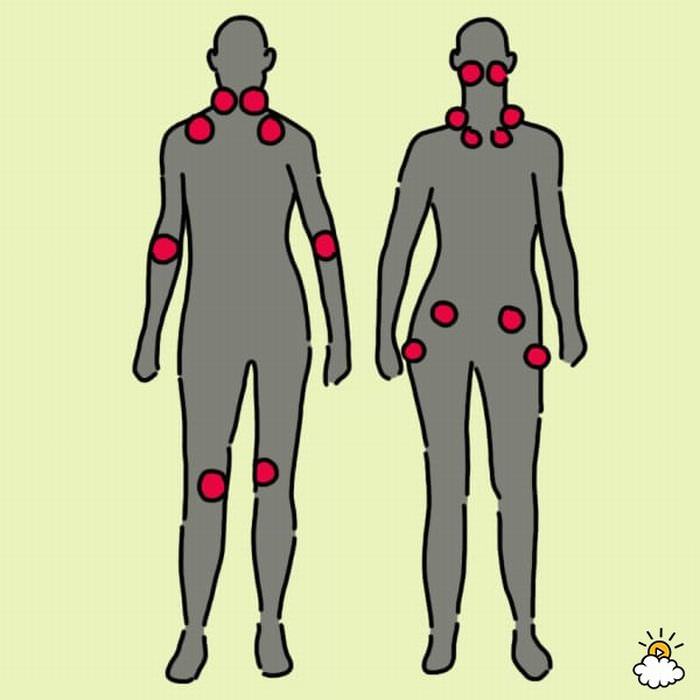
Certain points on the body made tender by
fibromyalgia can be especially painful. These pressure points, as
indicated in the illustration above, are generally located around the
shoulders, elbows, knees, breastbone, back of the hand and hips.
However, these tender points do not necessarily need to be touched for
pain to be triggered - they can be a focal point for pain without being
touched at all.
Unfortunately, fibromyalgia can be particularly difficult to treat,
because not all doctors are familiar with the condition. It is,
therefore, crucial to consult with a physician who is well-versed with
the condition. Here are some simple lifestyle changes you can make to
help with pain relief.
Treatments for fibromyalgia
1. Movement therapies
A number of alternative therapies can help
reduce pain and stress in the body. Yoga and meditation can be
especially useful for people suffering from chronic illness. Tai Chi is
another alternative therapy that has been found to work well. It
combines slow, gentle movements with meditation and deep breathing, and
thus is ideal for alleviating the symptoms of fibromyalgia.
2. Massage therapy
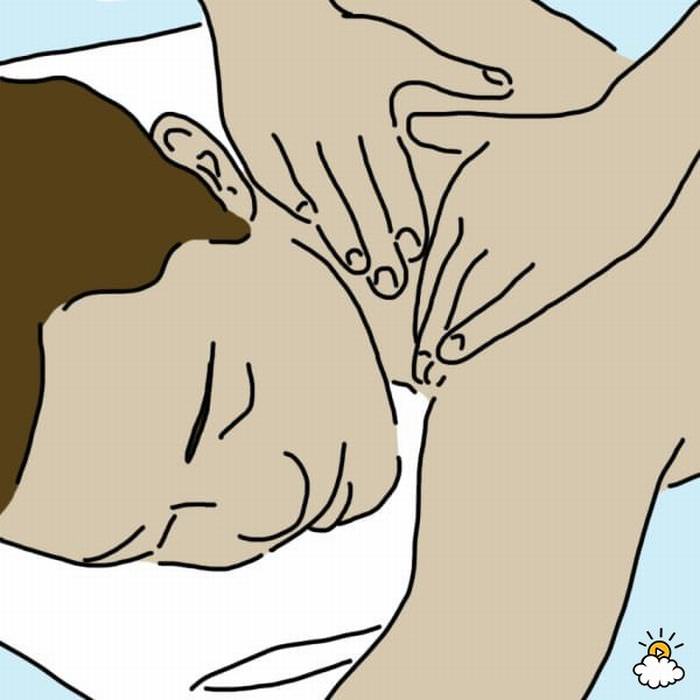
Massage is a well-known therapy for easing
muscle pain and tension in those suffering from rheumatic conditions.
Massages can help improve circulation and promote the production of
serotonin, a natural painkiller.
3. Acupuncture
This trusted alternative treatment has been
used for centuries. Thin needles are applied to certain pressure points
to ease pain and tension in the body, as well as to balance blood flow
and prevent stiffness.
4. Improve your sleeping habits
Sleep problems and intense daytime fatigue
have been linked to fibromyalgia. Ensuring that you get enough sleep is
essential for reducing the condition's painful symptoms. Make it a point
to go to bed and wake up at the same time every day. It's also
advisable to avoid napping during the day to ensure that your nightly
sleep is as restful as possible.
5. 5-HTP amino acids
This natural amino acid promotes the
production of serotonin, a neurotransmitter in the brain that also acts
as the body's natural painkiller. It has been reported that the
supplement can alleviate fibromyalgia symptoms, reducing pain, fatigue,
and stiffness.
6. Keep a daily food journal
Diet plays a significant role in managing
symptoms associated with fibromyalgia. As such, no research has been
conducted on what foods patients should avoid or add to their diets.
Nevertheless, monitoring what you eat can help a great deal. Doing so
will help you determine specific foods that aggravate the pain. It is
also wise to not drink alcohol or coffee right before bed - doing so may
disrupt your sleep.
This is only for your information, kindly take the advice of your doctor for medicines, exercises and so on.
https://gscrochetdesigns.blogspot.com. one can see my crochet creations
https://gseasyrecipes.blogspot.com. feel free to view for easy, simple and healthy recipes
https://kneereplacement-stickclub.blogspot.com. for info on knee replacement
https://GSiyers home remedies.blogspot.com is the latest addition to my blogs
Labels: 5-HTP amino acids, acupuncture, anxiety & depression, cramp lower abdomen, extreme fatigue, fibromyalgia, insomnia, massage, movement, sensitivity to sharp smells n noises, stiffness sitting/ standing
posted by G S Iyer at 10:20 AM
0 comments
