Saturday, June 08, 2024

8 Signs That Your Heart isn't Working Properly

 According to the Centers for Disease Control and Prevention, in the US alone, around 610,000 people die of heart-related problems each year. They are many signs that warn us about heart trouble that we should all be more aware of. Here are 8 of them. 


1. Pain That Spreads to the Arm

Signs You Have a Dodgy Heart
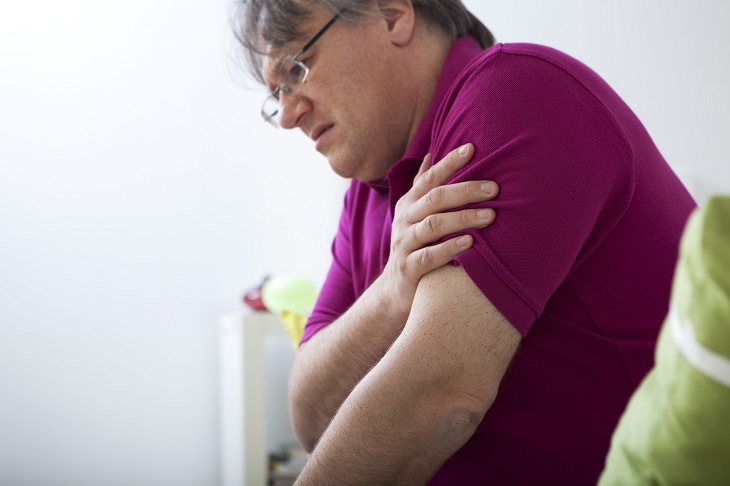
Many men experience pain in their left arm, while women experience the same pain in either arm. Some women have even said that they experienced an unusual elbow pain before having a heart attack. This occurs because the pain from your heart travels to your spinal cord where many nerves of your body are connected and your brain gets confused and thinks that your arm is in pain, when it’s not actually the case.

 
2. Coughing That Won’t Stop  
Persistent coughing can be caused by a number of factors, one of which is cardiovascular disease. Persistent coughing which produces a pinking liquid that contains some blood is very common with heart failure. Coughing can also be a symptom of a much more serious symptom, which is dyspnea – a sudden shortage of breath. 
 
 
3. Swollen Legs, Ankles, and FeetSigns You Have a Dodgy Heart
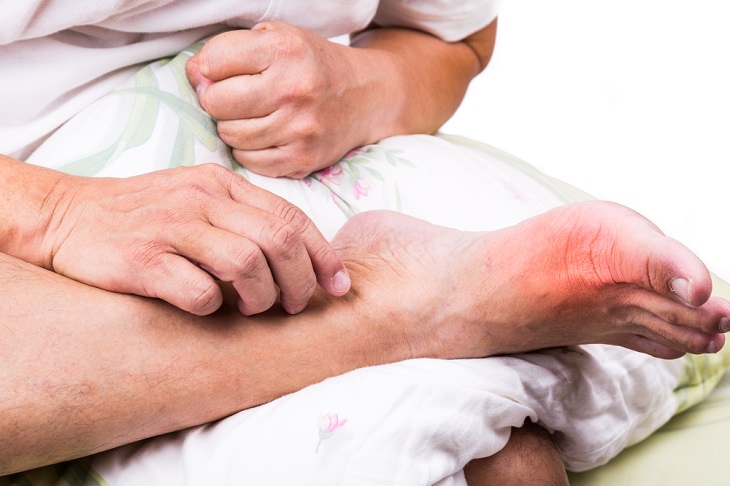
When your heart is not working well, fluid from your blood vessels leaks into surrounding tissues. This is more noticeable in your legs and feet because of gravity. This is known as a peripheral edema and many people who have it don’t actually have heart disease. However, it’s still a common symptom among heart disease patients, so if you notice swelling, visit the doctor. 
 
 
4. Lack of Appetite and Feeling Nauseous 
Many people who are suffering from heart disease have a lack of appetite and/or nausea. This is caused by a build-up of fluid around the liver and the intestines that interfere with proper digestion. These symptoms are usually followed by abdominal pain and if you’re experiencing them all together, you need to visit the doctor.


5. Extreme Levels of Anxiety
Signs You Have a Dodgy Heart
A number of studies have shown that people who suffer from extreme anxiety from very early on in their lives are prone to heart disease. Anxiety can be caused by either a very stressful lifestyle or various disorders such as panic attacks and phobic anxiety. Some of the effects of anxiety on your heart include increased blood pressure, decreased heart rate, and tachycardia. 


6. Losing Consciousness or Fainting 
Feeling lightheaded and losing consciousness is very common among heart patients. This occurs because the heart isn’t pumping blood well due to a blocked artery or the narrowing of a valve. If you ever feel short of breath and you faint for a short period of time, consult your doctor immediately. 


7. Skin Rashes or Unusual Spots
Signs You Have a Dodgy Heart
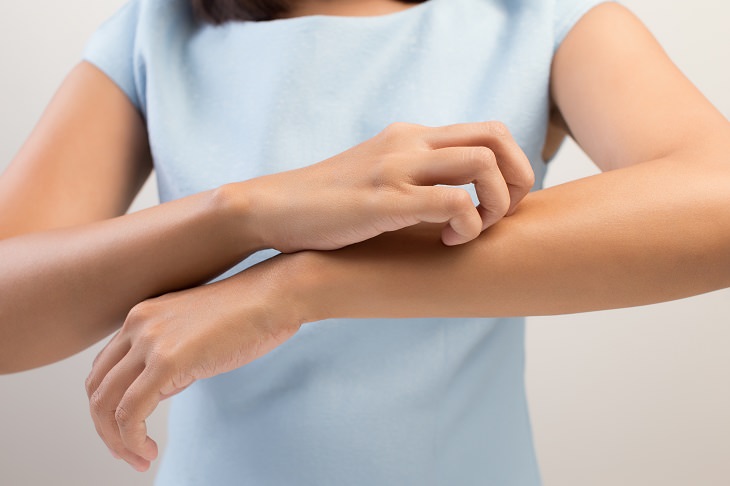
Two research projects have shown that eczema and shingles are high-risk factors of heart disease. Those who have had eczema were found to have a 48% chance of suffering from high blood pressure and a 29% chance of having high cholesterol. Furthermore, those who have had shingles were 59% more likely to have a heart attack than people who have never had this condition. 


8. Your Skin Becomes Paler or Takes on a Bluish Color 
This is not a common symptom, but when it does appear, it could be due to reduced blood flow and a decreased number of red blood cells. Shock is the main reason for this symptom and the paleness can appear over your entire body or a certain part, such as a limb. If you’re paler than usual but are not in shock, visit the doctor as it could be anemia.

This is only for your information, kindly take the advice of your doctor for medicines, exercises and so on.   

https://gscrochetdesigns.blogspot.com. one can see my crochet creations  
https://gseasyrecipes.blogspot.com. feel free to view for easy, simple and healthy recipes    
https://kneereplacement-stickclub.blogspot.com. for info on knee replacement
https://cancersupportindia.blogspot.com  for infor on cancer and health related topics
https://GSiyers home remedies.blogspot.com   is the latest addition to my blogs. I'm going to add posts there, do give me your valuable feed back on my blogs. Thanks a lot, take care, be healthy and be happy.

Labels: , , , , , , , ,

Friday, February 16, 2024

These 6 signals help you recognise a heart attack a month before it happens

 These 6 early symptoms tell you you’re going to have a heart attack

Heart attacks are among the top causes of death in Western countries. In fact, it is the number one killer in the UK. 160,000 people die from heart disease in the UK every year. That’s why it’s important to be able to recognise the symptoms of a heart attack when you’re having one. It could save your life! Most people think heart attacks happen suddenly, but in most cases, there are signals weeks before the actual event.

Recognising the symptoms of a heart attack could potentially save a lot of lives.

Signals

When you’re having a heart attack, your heart stops pumping blood around your body because of cardiac arrhythmia. This cardiac arrhythmia is often caused by clogged arteries. A lot of the people who get heart attacks suffer from the following things in the weeks leading up to the attack: pain in the chest, shortness of breath, nausea, dizziness, fainting and heart palpitations. Of course, if you experience one of these symptoms on its own, it can also mean something completely different (someone who has a cold can have shortness of breath as well). Yet a combination of these symptoms could be an indication of an impending heart attack. Are you experiencing one or more of these symptoms? Visit your doctor: it might save your life!

Silent heart attack

Did you know that half of all heart attacks happen unnoticed? That’s pretty shocking, especially if you know that you’re three times more likely to die of heart failure or other health issues if you’ve had one of those silent heart attacks. When most people think of heart attacks, they think of being in incredible pain and gasping for breath. But a heart attack can also go by completely unnoticed. You might feel a little more tired than usual, and you might experience some heart palpitations and sweat a little more profusely. But these symptoms can happen for a number of reasons – there’s no real reason to think of a heart attack right away, right? That’s the danger.

Silent symptoms

You hardly notice a silent heart attack (it’s in the name, after all), but there are a couple of symptoms that point to a more serious problem than simply fatigue. If you’re experiencing one or more of the following symptoms, make sure you stay alert. Contact your doctor if you’re feeling worried about it.

  • Tightness or a squeezing sensation in the chest that may spread to the neck, jaw or back
  • Sweating
  • Vomiting, nausea
  • Pain in the upper belly
  • Pain between the shoulder blades
  • Shortness of breath
  • Extreme fatigue
  • Dizziness
  • Restless feeling, anxiety
  • Sped up breathing


Women

In women, the signal and symptoms of a heart attack are often less clear than they are for men. The symptoms are often confused with the symptoms of the menopause. Important causes of heart disease are genes, high blood pressure, obesity, stress, not enough exercise or smoking. Just like men, women experience tightness or squeezing pain in their chest, which can spread to the upper arms, neck, jaw, back and stomach area. The pain often lasts longer than 5 minutes and can come along with sweating, nausea or vomiting. However, women often also experience the other symptoms listed above under ‘Silent symptoms’. You also shouldn’t ignore the following health problems that could indicate heart disease:

  • Sudden loss of vision or double or blurry vision. If you experience any of those things, we recommend going to the emergency room straight away.
  • Swollen legs. Swollen or painful legs can indicate deep-vein thrombosis. This problem could lead to blockages in the aorta. Call your doctor immediately.
  • Discoloured eyelids. Yellow eyelids or yellow specks on your eyelids could indicate that your cholesterol levels are too high, which increases the risk of heart disease. If this is the case, you should let a doctor check your cholesterol levels.
  • Red, sensitive gums. You could get cardiovascular diseases when oral bacteria enter the bloodstream and dwell near the heart valve. Research shows that having your dentist clean your teeth on a regular basis reduces the risk of heart disease.
  • Blue fingers. Visit your doctor if you have blue(ish) fingers, toes, earlobes, hands, lips or cheeks. This could be caused by a lack of oxygen in the tissue, which could indicate heart failure.

The symptoms can arise very suddenly or more slowly and can differ per person. It’s important to stay calm when you’re experiencing a heart attack and to sit or lie down. Don’t travel to the hospital yourself but call an ambulance.


Labels: , , , , , , , ,

Sunday, September 26, 2021

Signs That You Might Have a Dodgy Heart

According to the Centers for Disease Control and Prevention, in the US alone, around 610,000 people die of heart-related problems each year. They are many signs that warn us about heart trouble that we should all be more aware of. Here are 8 of them.

1. Pain That Spreads to the Arm
Signs You Have a Dodgy Heart
Many men experience pain in their left arm, while women experience the same pain in either arm. Some women have even said that they experienced an unusual elbow pain before having a heart attack. This occurs because the pain from your heart travels to your spinal cord where many nerves of your body are connected and your brain gets confused and thinks that your arm is in pain, when it’s not actually the case.

2. Coughing That Won’t Stop
Persistent coughing can be caused by a number of factors, one of which is cardiovascular disease. Persistent coughing which produces a pinking liquid that contains some blood is very common with heart failure. Coughing can also be a symptom of a much more serious symptom, which is dyspnea – a sudden shortage of breath. 
 
3. Swollen Legs, Ankles, and Feet
When your heart is not working well, fluid from your blood vessels leaks into surrounding tissues. This is more noticeable in your legs and feet because of gravity. This is known as a peripheral edema and many people who have it don’t actually have heart disease. However, it’s still a common symptom among heart disease patients, so if you notice swelling, visit the doctor. 
 
4. Lack of Appetite and Feeling Nauseous  
Many people who are suffering from heart disease have a lack of appetite and/or nausea. This is caused by a build-up of fluid around the liver and the intestines that interfere with proper digestion. These symptoms are usually followed by abdominal pain and if you’re experiencing them all together, you need to visit the doctor.
 
5. Extreme Levels of Anxiety
A number of studies have shown that people who suffer from extreme anxiety from very early on in their lives are prone to heart disease. Anxiety can be caused by either a very stressful lifestyle or various disorders such as panic attacks and phobic anxiety. Some of the effects of anxiety on your heart include increased blood pressure, decreased heart rate, and tachycardia. 
 
6. Losing Consciousness or Fainting  
Feeling lightheaded and losing consciousness is very common among heart patients. This occurs because the heart isn’t pumping blood well due to a blocked artery or the narrowing of a valve. If you ever feel short of breath and you faint for a short period of time, consult your doctor immediately.

7. Skin Rashes or Unusual Spots
Two research projects have shown that eczema and shingles are high-risk factors of heart disease. Those who have had eczema were found to have a 48% chance of suffering from high blood pressure and a 29% chance of having high cholesterol. Furthermore, those who have had shingles were 59% more likely to have a heart attack than people who have never had this condition. 
 
8. Your Skin Becomes Paler or Takes on a Bluish Color  
This is not a common symptom, but when it does appear, it could be due to reduced blood flow and a decreased number of red blood cells. Shock is the main reason for this symptom and the paleness can appear over your entire body or a certain part, such as a limb. If you’re paler than usual but are not in shock, visit the doctor as it could be anemia.


This is only for your information, kindly take the advice of your doctor for medicines, exercises and so on.   

https://gscrochetdesigns.blogspot.com. one can see my crochet creations  
https://gseasyrecipes.blogspot.com. feel free to view for easy, simple and healthy recipes    
https://kneereplacement-stickclub.blogspot.com. for info on knee replacement


Labels: , , , , , , , , , , ,

Friday, September 10, 2021

Signs That You Might Have a Dodgy Heart

According to the Centers for Disease Control and Prevention, in the US alone, around 610,000 people die of heart-related problems each year. They are many signs that warn us about heart trouble that we should all be more aware of. Here are 8 of them.  
 
1. Pain That Spreads to the Arm
Signs You Have a Dodgy Heart

Many men experience pain in their left arm, while women experience the same pain in either arm. Some women have even said that they experienced an unusual elbow pain before having a heart attack. This occurs because the pain from your heart travels to your spinal cord where many nerves of your body are connected and your brain gets confused and thinks that your arm is in pain, when it’s not actually the case.

2. Coughing That Won’t Stop  
Persistent coughing can be caused by a number of factors, one of which is cardiovascular disease. Persistent coughing which produces a pinking liquid that contains some blood is very common with heart failure. Coughing can also be a symptom of a much more serious symptom, which is dyspnea – a sudden shortage of breath. 
 
3. Swollen Legs, Ankles, and Feet
Signs You Have a Dodgy Heart
When your heart is not working well, fluid from your blood vessels leaks into surrounding tissues. This is more noticeable in your legs and feet because of gravity. This is known as a peripheral edema and many people who have it don’t actually have heart disease. However, it’s still a common symptom among heart disease patients, so if you notice swelling, visit the doctor. 
 
4. Lack of Appetite and Feeling Nauseous  
Many people who are suffering from heart disease have a lack of appetite and/or nausea. This is caused by a build-up of fluid around the liver and the intestines that interfere with proper digestion. These symptoms are usually followed by abdominal pain and if you’re experiencing them all together, you need to visit the doctor. 
 
5. Extreme Levels of Anxiety
A number of studies have shown that people who suffer from extreme anxiety from very early on in their lives are prone to heart disease. Anxiety can be caused by either a very stressful lifestyle or various disorders such as panic attacks and phobic anxiety. Some of the effects of anxiety on your heart include increased blood pressure, decreased heart rate, and tachycardia. 
 
6. Losing Consciousness or Fainting  
Feeling lightheaded and losing consciousness is very common among heart patients. This occurs because the heart isn’t pumping blood well due to a blocked artery or the narrowing of a valve. If you ever feel short of breath and you faint for a short period of time, consult your doctor immediately.  
 
7. Skin Rashes or Unusual Spots
Two research projects have shown that eczema and shingles are high-risk factors of heart disease. Those who have had eczema were found to have a 48% chance of suffering from high blood pressure and a 29% chance of having high cholesterol. Furthermore, those who have had shingles were 59% more likely to have a heart attack than people who have never had this condition. 
 
8. Your Skin Becomes Paler or Takes on a Bluish Color  
This is not a common symptom, but when it does appear, it could be due to reduced blood flow and a decreased number of red blood cells. Shock is the main reason for this symptom and the paleness can appear over your entire body or a certain part, such as a limb. If you’re paler than usual but are not in shock, visit the doctor as it could be anemia.


This is only for your information, kindly take the advice of your doctor for medicines, exercises and so on.   

https://gscrochetdesigns.blogspot.com. one can see my crochet creations  
https://gseasyrecipes.blogspot.com. feel free to view for easy, simple and healthy recipes    
https://kneereplacement-stickclub.blogspot.com. for info on knee replacement


Labels: , , , , , , , , , , ,