Thursday, October 28, 2021

Common signs and symptoms of calcium deficiency
​Common signs and symptoms of calcium deficiency

Calcium is an important mineral needed by the body to build strong bones and teeth. It is also required for the proper functioning of the heart and other muscles of the body. Calcium deficiency can increase your risk of osteoporosis, osteopenia and hypocalcemia.

People who do not get enough calcium as kids, do not grow to their full potential height as adults. The recommended amount of calcium per day can be obtained from the food, supplements and vitamins.

What can cause calcium deficiency?
The chances of calcium deficiency increase with age. Many other factors put you at risk, here are some of them.

- Not enough intake of calcium for a long period of time, especially during the childhood

- Some medications can decrease the absorption of calcium

- Dietary intolerance to calcium-rich foods

- Hormonal changes in women

- Certain genetic factors

Women need to increase their calcium intake earlier than men, starting from middle age. It's important for women to increase their calcium intake as they approach menopause.

The decline in the estrogen hormone during menopause causes a woman's bones to thin faster. Thus, increasing calcium intake is important to reduce the risk of osteoporosis and calcium deficiency.

Hypoparathyroidism, a hormone disorder that can cause calcium deficiency disease. People suffering from this condition cannot produce enough parathyroid hormone, which controls the calcium levels in the body.

Malnutrition and malabsorption also cause hypocalcemia. Malnutrition is when you don't get enough nutrients and malabsorption is when your body cannot absorb the vitamins and minerals you need from the food you eat.

Common symptoms of hypocalcemia
Muscle problems

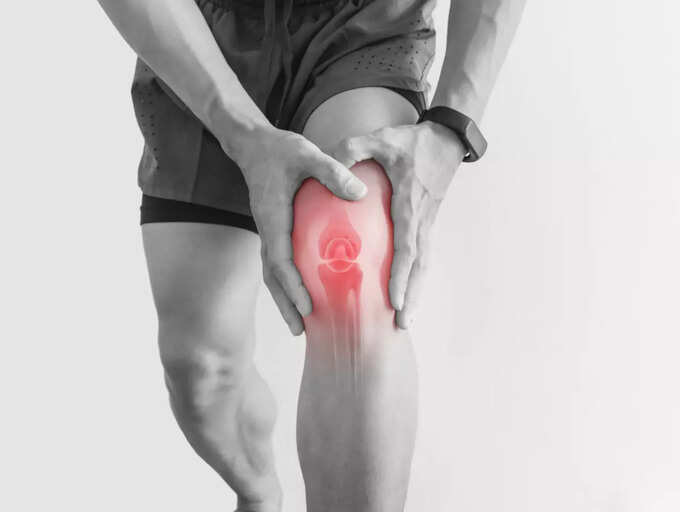
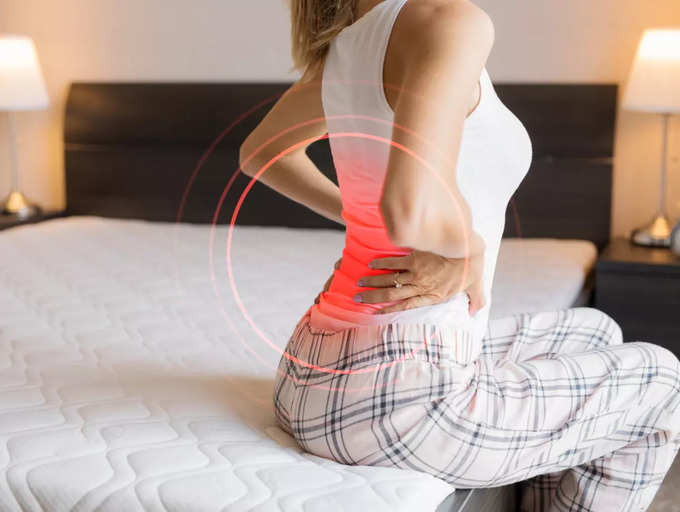
People with calcium deficiency may experience muscle aches, cramps and spasms. These people can also suffer from pain in the thighs and arms while walking or moving. Numbness and tingling in the hands, arms, feet, legs and around the mouth can also happen. And these sensations do not disappear with activity.

More extreme sensations can indicate a more severe deficiency, which can also lead to conclusions, arrhythmias and death.

​Extreme fatigue

Low levels of calcium can lead to extreme fatigue and make you feel sluggish all the time. It can also lead to insomnia. Fatigue due to calcium deficiency can lead to lightheadedness, dizziness and brain fog, which can also lead to lack of focus, forgetfulness and confusion.

​Nail and skin problems

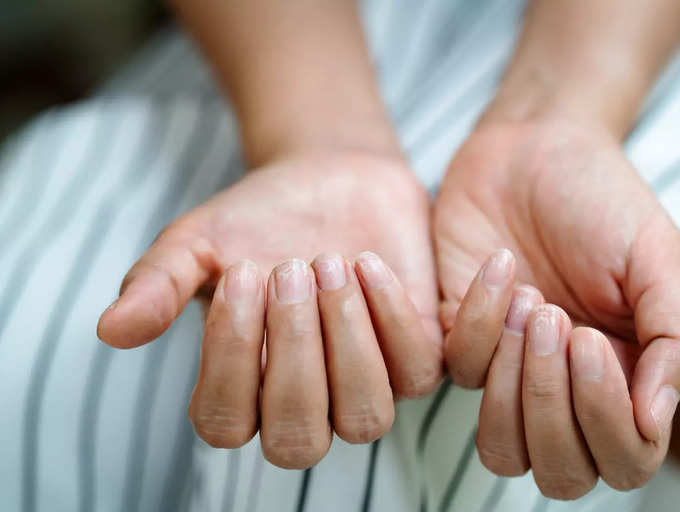
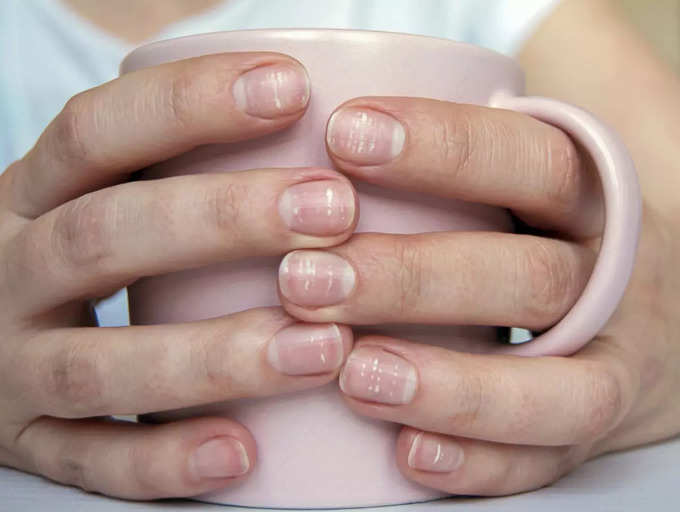
Calcium deficiency for the long term can lead to dry skin, dry and brittle nails, coarse hair, eczema, skin inflammation, skin itchiness and psoriasis.

​Osteopenia and osteoporosis

Bones store calcium well and require a high level to stay a string. When the overall levels of calcium are low in the body, the body can divert calcium from bones making them brittle and prone to injury.

Calcium deficiency over time can lead to osteopenia, a reduction of mineral density in the bones, which can lead to osteoporosis, leading the bones to thin and becoming vulnerable to fractures.

​Severe PMS

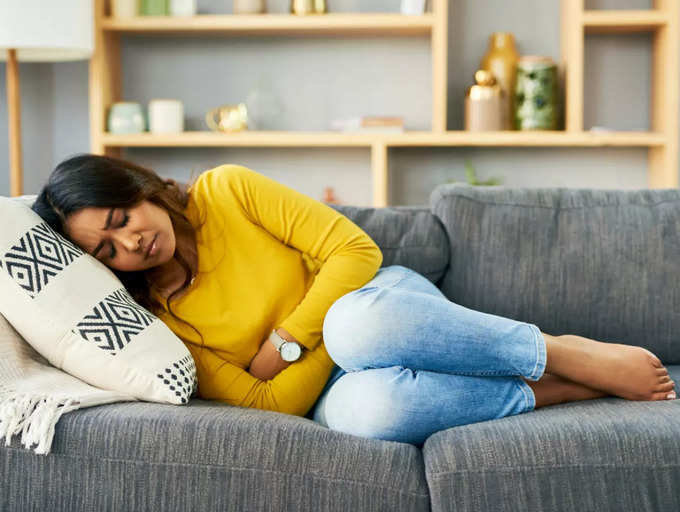
Low levels of calcium in women have been linked to severe premenstrual syndrome (PMS). As per a 2017 study, participants improved mood and had reduced fluid retention after taking 500 milligrams of calcium daily for 2 months. In 2019, a study concluded that low levels of vitamin D and calcium during the second half of the menstrual cycle might contribute to symptoms of PMS.

​Dental problems

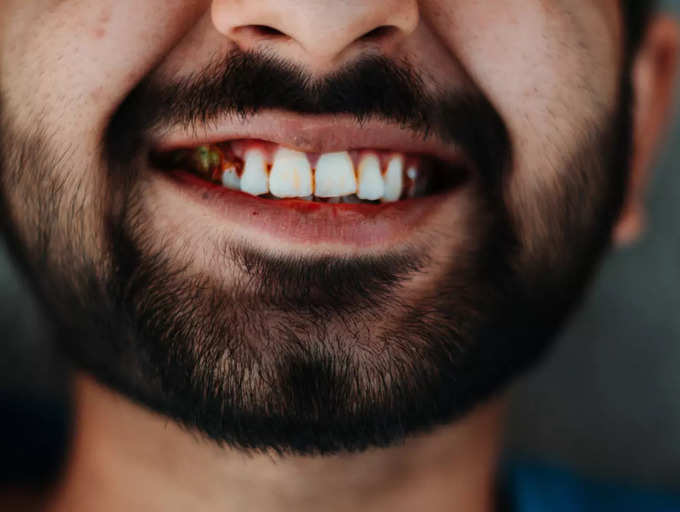
When the body has low levels of calcium, it pulls it down from teeth. This can lead to dental problems like tooth decay, brittle teeth, irritated gums and weak tooth roots.

​Depression

Studies have suggested that calcium deficiency may be linked with mood disorders, including depression. Though more research is needed to confirm the results.

This is only for your information, kindly take the advice of your doctor for medicines, exercises and so on.   

https://gscrochetdesigns.blogspot.com. one can see my crochet creations  
https://gseasyrecipes.blogspot.com. feel free to view for easy, simple and healthy recipes    
https://kneereplacement-stickclub.blogspot.com. for info on knee replacement


Labels: , , , , , , , , ,

Saturday, February 01, 2020

5 health tests every woman should have in 2020

Indian women often tend to put their own needs on the backburner, preferring to tend to home and family first. However, the fast-changing lifestyle and juggling career with bringing up children sooner or later begins to take a toll on their health. Many common health problems in women can be prevented or effectively tackled by undergoing testing for the following five health tests, suggested by Dr.

Anaemia
Anaemia, the most common blood disorder, is a condition in which a person lacks enough healthy red blood cells to carry adequate oxygen to the body’s tissues or organs. Women are especially at risk of iron-deficiency anaemia because of blood loss from their periods. India carries the highest burden of anaemia despite having an anaemia control program running for the last 50 years. About 58.6% of children, 53.2% of non-pregnant women and 50.4% of pregnant women in India were found to be anaemic in 2016, as per the National Family Health Survey.


The normal haemoglobin level for women is 12 gram per deciliter (g/dlL). All women should get tested for anaemia at least once a year. The test will look for the size and colour of red blood cells, haematocrit, haemoglobin and ferritin levels.

Vitamin D Deficiency
Researchers have linked vitamin D deficiency with increased risk of poor bone health and depression in women with Polycystic Ovary Syndrome (PCOS). Symptoms include bone pain, muscle weakness and fatigue. Women often do not get enough Vitamin D from their diet or being exposed to sunlight, and end up being deficient. Having optimum levels of vitamin D is very important for overall health and well-being of a person.

The most accurate way to measure how much vitamin D is in your body is the 25-hydroxy vitamin D blood test. A level of 20 nanograms/milliliter to 50 ng/mL is considered adequate for healthy people. A level less than 12 ng/mL indicates vitamin D deficiency.

Calcium Deficiency
As women get older, they become more prone to osteoporosis (reduced density and quality of bone). A good healthy diet is enough to provide all the calcium that our body needs. However, women do not realise they have low calcium levels until they have suffered bone loss or fracture.

Women should undergo a blood test once a year to check for levels of calcium, albumin and ionized or free calcium. Sustained low calcium levels of below 8.8 mg/dL may confirm a diagnosis of calcium deficiency disease (Hypocalcemia).

Pap Smears and Pelvic Exams
Women should start undergoing these exams every year from the age of 21, or even earlier if they are sexually active. This is important to reduce their risk of cervical cancer, which is the second leading cause of death in women due to cancer. Cervical cancer can be entirely avoided through regular screening.

A pelvic exam will generally include an external visual exam to check for irritation, redness, sores, swelling or other abnormalities, followed by an internal visual exam. A pap smear test is conducted to examine cervical cells and check for any abnormal growth in the uterus and the cervix.
Barring any other problems, women aged 30 and above need a pap smear once every three years if they have had three normal tests in a row.

Mammograms and Breast Exams
All prevention tests in women start early, and so is the case for the exam to check for breast cancer. A manual exam where a doctor tests for lumps and abnormalities is recommended starting around age 20 up to until 40 years.

A mammogram is a screening test for breast cancer and involves applying moderate compression to the breasts so that X-ray images can be captured. Mammograms are done every one or two years beginning at age 40, as recommended by the American Cancer Society.

This is only for your information, kindly take the advice of your doctor for medicines, exercises and so on.     
https://gscrochetdesigns.blogspot.com. one can see my crochet creations  
https://gseasyrecipes.blogspot.com. feel free to view for easy, simple and healthy recipes    
https://kneereplacement-stickclub.blogspot.com. for info on knee replacement
 

Labels: , , , , , , , , , , , ,