Thursday, June 24, 2021

Is aspirin really effective on acne and scars?

Is aspirin really effective on acne and scars
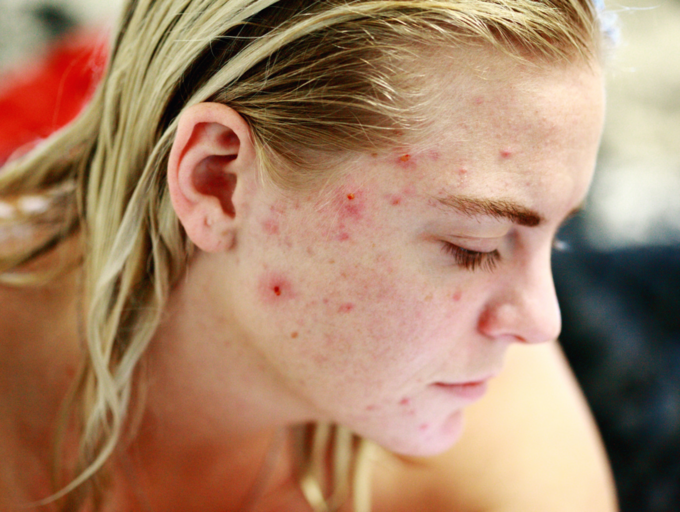
Aspirin, which is acetylsalicylic acid (ASA) is a widely used medicine commonly used to relieve pain, fever or inflammation. Since it’s also helpful in preventing blood clots and strokes, aspirin is also used in the heart attack treatment. But apart from these therapeutic uses, people now have begun to use it for acne and scar treatment. This drug essentially consists of acetylsalicylic acid which is closely related to the anti-acne element salicylic acid. However salicylic acid has an amazing drying effect on the sebaceous secretions and the dead skin particles which aids in preventing and clearing the acne and its scars, many people claim the similar effect of aspirin on acne.

For acne treatment

The inflammatory acne exhibits symptoms like red, pussy, swollen blisters while the non inflammatory acne shows minor pimples, blackheads or white heads.

A study proved that aspirin was found competent in reducing allergic skin reactions, inflammation and pain due to it. Being a type of nonsteroidal anti-inflammatory drug, aspirin was found to be effective only on the inflammatory acne while it showed no extraordinary results for non-inflammatory acne. Hence people with such acne need to find other treatment which cleanses the blocked pores.

​Side Effects

Since there is no great effect of this drug on the acne problem, rather an unprescribed use can lead to severe health complications. Hence one should opt for other acne forbidding options like retinoids, salicylic acid or benzoyl peroxide after consulting a dermatologist. Here are some reasons which proves the detrimental side of aspirin.

  • Aspirin can at times effectively lead to overdrying of the skin leading to increased amount of breakouts with redness and a lot of irritation.
  • This drug can make your facial skin even more sensitive towards the UV rays of the sun.
  • Intake of aspirin by breastfeeding or a pregnant woman can cause severe problems to the baby.
  • A person who’s allergic to nonsteroidal drugs can potentially harm himself by such a use of aspirin.
  • Asthamatic and people with rhinitis can face severe health problems.

 Other techniques to manage acne

Other techniques to manage acne

  • Never ever try popping or unnecessary touching your acne.
  • Try using a non alcoholic, paraben free and gentle cleanser on the skin.
  • An excessive sweat and sebaceous secretions can lead to acne hence it is recommended to wash your fash at least twice a day.
  • Oil or dandruff on the hair can prominently cause pimples, hence one should try washing their hair very often in a week.
  • Don’t over scrub or abrasively wipe your face.
  • Always use a high spf sunscreen before going out or getting exposed to sun rays.

This is only for your information, kindly take the advice of your doctor for medicines, exercises and so on.   

https://gscrochetdesigns.blogspot.com. one can see my crochet creations  
https://gseasyrecipes.blogspot.com. feel free to view for easy, simple and healthy recipes    
https://kneereplacement-stickclub.blogspot.com. for info on knee replacement


Labels: , , , , , , , , ,

Wednesday, October 29, 2014

Hypoglycemia & How it Affects Our Lives

Have you noticed that when you (or a loved-one) wait too long between meals, you become irritable, confused, nauseated or fatigued? That means you’re most likely experiencing symptoms of postprandial hypoglycemia.
Hypoglycemia - The Reason You're so Grumpy
What is postprandial hypoglycemia?
Postprandial hypoglycemia (also known as “Reactive hypoglycemia”) translates as “Low blood sugar which occurs after eating”. In postprandial hypoglycemia, a non-diabetic person experiences reoccurring symptoms similar to those of medical hypoglycemia. Medical hypoglycemia is a state where there are abnormally low levels of glucose in the blood, resulting in an inadequate supply of it to the brain.
What causes hypoglycemia?
Hypoglycemia - The Reason You're so Grumpy
Postprandial hypoglycemia usually manifests about 4 hours after consuming a large carbohydrate meal or a high consumption of glucose. Healthy adults maintain a blood glucose level of around four mmol/L when between meals. If the level drops below four mmol/L, hypoglycemic symptoms may appear. The  (NIH) states that "The causes of most cases of reactive hypoglycemia are still open to debate. Some researchers suggest that certain people may be more sensitive to the body’s normal release of the hormone epinephrine, which causes many of the symptoms of hypoglycemia. Others believe deficiencies in glucagon secretion might lead to reactive hypoglycemia.”
Hypoglycemia - The Reason You're so Grumpy Symptoms:
  • Double vision or blurry vision
  • Unclear thinking
  • Sleeping Trouble
  • Heart palpitation or fibrillation
  • Fatigue
  • Dizziness
  • Light-headedness
  • Sweating
  • Headaches
  • Depression
  • Nervousness
  • Muscle twitches
  • Irritability
  • Tremors
  • Flushing
  • Craving sweets
  • Increased appetite
  • Rhinitis
  • Nausea, vomiting
  • Panic attack
  • Numbness/coldness in the extremities
  • Confusion
  • Coma can be a result in severe untreated episodes
Treatment
Hypoglycemia - The Reason You're so GrumpyYou can purchase a blood glucose meter in most pharmacies if you wish to test the levels of glucose in your blood.
The NIH recommends taking the following steps:
  • Eat small meals and snacks every 3 hours.
  • Avoid or limit sugar intake
  • Eat a variety of foods, including meat, poultry, fish, or nonmeat sources of protein, foods such as whole-grains, fruits, vegetables, and dairy products
  • Prefer high-fiber foods
  • Regular Exercise (exercise increases sugar uptake which decrease excessive insulin release)
Foods you should avoid:
  • Sugar (white / dark)
  • Honey and molasses
  • Corn, rice, maple and fruit syrups
  • Candies, cookies and chocolate
  • Cakes, pies, pastries and muffins
  • Milk, ice cream, frozen yogurt and pudding
  • Jelly, jam
  • Alcoholic beverages
  • Carbonated drinks
  • Caffeinated drinks
  • Potatoes, white rice
  • Noodles, pastas and spaghetti
  • Dried Fruit, grapes, figs, bananas, dates and plums
  • Grape and Prune Juice
  • Dishes containing corn starch and refined flour
  • Artificial sweeteners
  • Sweetened condiments
  • Starchy vegetables (like corn)
Foods that are good for you:
  • Wholegrain breads, cereals, crackers made with little and no sugars
  • Fresh fruits and vegetables
  • Decaff coffee and tea
  • Carbonated and regular water
  • Brown rice and whole grain pasta
  • Raw nuts, unsweetened nut butter
  • Organic poultry, meats, fish and shellfish
  •  
  •  THIS IS ONLY FOR INFORMATION, ALWAYS CONSULT YOU PHYSICIAN BEFORE HAVING ANY PARTICULAR FOOD/ MEDICATION/EXERCISE/OTHER REMEDIES.


    PS- THOSE INTERESTED IN RECIPES ARE FREE TO VIEW MY BLOG-

    HTTP:GSEASYRECIPES.BLOGSPOT.COM/
    FOR INFO ABOUT KNEE REPLACEMENT, YOU CAN VIEW MY BLOG-
    HTTP://KNEE REPLACEMENT-STICK CLUB.BLOGSPOT.COM/

    FOR CROCHET DESIGNS


    HTTP://MY CROCHET CREATIONS.BLOGSPOT.COM

Labels: , , , , , , , , , , , , , ,

Thursday, May 31, 2012

Paradisetree fruit      (Simarouba glauca).jpg


*LAKSHMITARU PLANT--PARADISE PLANT[SIMAROUBA]*

*                                            â€˜A BOON FOR CANCER
PATIENTS’*

                       This plant is  blessed with many medicinal
properties like

·         Antiviral

·         Antimicrobial

·         Antifungal

·         Immunity enhancer

·         Antihelminthic

·         Antidysentic

·         Antipyretric

·         Anticancerous

·         Antihaemoragic

·         General tonic

                  It can be used in the treatment of

·         CANCER

·         LEUKEMIA

·         GASTRIC ULCER

·         AMOEBIASIS

·         ANAEMIA

·         GYENEC DISORDERS

·         ARTHRITIS

·         RHINITIS[COLD]

·         AS A TONIC


Labels: , , , , , , , , , , , , , ,