Sunday, October 24, 2021

6 Hormones That Are Crucial For Good Health

Thousands of complex processes occur in our body at any given time, all thanks to our hormones. They are responsible for signaling processes like appetite or building muscle. When they do not function properly, usually because of our diet or lifestyle, our health is at risk. While there are over 50 hormones in the human body, we are going to take a look at the six of the most important ones that are crucial for good health. Check out some ways you can balance the hormones in your body.  
 
1. Insulin
hormones

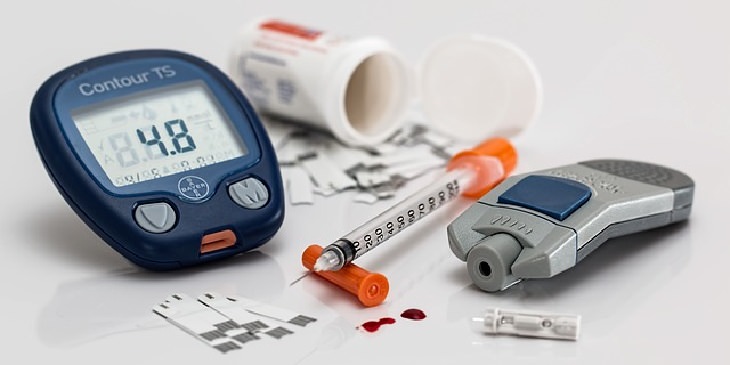
This hormone predominantly focuses on blood sugar levels, which typically rise whenever you eat (especially carbohydrates). The insulin levels in healthy individuals do not usually reach dangerous amounts.  
 
Why we need it: When our blood sugar rises, it signals beta cells (unique cells in the pancreas) to release insulin into the blood. The insulin then binds to the cells, allowing glucose (sugar) to enter the cells and be used for energy. So, without insulin, glucose cannot leave the bloodstream. 
 
When a person is unable to produce enough insulin or they have become resistant to insulin, this hormone loses its ability to remove sugar from the bloodstream, therefore leading to diabetes. A type 1 diabetic has damaged beta cells, meaning that insulin cannot be created or stored. As a result, type 1 diabetics need insulin injections after their meals. A type 2 diabetic can produce insulin, but in insufficient amounts, leading to blood sugar build-up and insulin build-up. Diabetes can cause numerous health consequences including: 
 
 • Atherosclerosis 
 
• Kidney disease or kidney failure, requiring dialysis 
 
• Strokes 
 
• Heart attacks 
 
• Vision loss or blindness 
 
• Weakened immune system, with a greater risk of infection and more. 
 
What to do: 
As the aforementioned problems are caused by insulin resistance, your goal should, therefore, be to increase your insulin sensitivity or at least maintain a healthy level. The most effective way is through maintaining a diet that is low in carbohydrates.

2. Leptin
The hormone leptin is what tells you that you are full - it is your satiety hormone. So, whenever you eat, your leptin levels rise and your appetite starts to wane. But, what happens to the body if you are unable to produce leptin? Take a look at the rat on the left, in the above picture.  
 
Why we need it: Weight loss and body fat are about more than just willpower. It is a combination of genetics and hormones. In a healthy individual, leptin tells the brain that they have sufficient fat stored away for when needed. If your stores are full, there's no point in eating more, so your appetite becomes suppressed. Many obese people tend to be leptin resistant. And once you become resistant to leptin, your brain cannot interpret the leptin signals as it should. This causes obese people to eat past the point of where they should be satiated.  
 
What to do: Whether obesity causes leptin resistance or leptin resistance causes obesity is unknown. However, in both cases, it is a problem. Science, however, believes that the most likely causes are inflammation (which leads to neuron injury), genetic factors, lifestyle, and diet. So, while not much can be done about genetic factors, diet and inflammation can be controlled. 
 
Inflammation is usually a result of poor diet and a stressful lifestyle. Stress can lead to weight gain, therefore leptin resistance may occur due to inflammation. Eating a diet that is low in processed sugars (a major cause of inflammation), with adequate amounts of protein should improve your leptin sensitivity. Exercise and sleeping well also improves leptin's sensitivity. 
 
3. Glucagon
While insulin works to remove excess blood sugar from the bloodstream, glucagon works to increase the amount of blood sugar when there isn't enough. And while insulin is created, stored and released by beta cells in the pancreas, glucagon is created, stored and released by alpha cells in the pancreas. 
 
What to do: Glucagon doesn't get half as much of the attention that insulin gets, primarily because in order to become resistant to glucagon, you need to suffer from some sort of condition. For instance, if insulin levels are too high, they can block glucagon from being released. This can lead to hypoglycemia (low blood sugar) in certain situations. To prevent insufficient levels of glucagon, maintaining good insulin sensitivity should suffice.  
 
4. Cortisol

Often labeled the 'stress hormone' cortisol plays an important role in your physiology.  
 
Why we need it: When you feel stressed, your blood sugar levels tend to drop fairly quickly. During this process, glucagon will attempt to raise it and cortisol is there to help out. Cortisol is produced by the adrenal glands to accelerate protein breakdown and begin GNG (gluconeogenesis) - a process of making sugar from various byproducts, including those of protein. Cortisol also signals to fat cells, to start releasing stored fat to be used for energy. 
 
So, while in the short term, elevated cortisol levels can be a good thing, in the long term, elevated cortisol can cause major problems. In fact, prolonged elevated cortisol can hinder long-term memory, cause muscle wasting (telling the body to break down protein in order to make energy) and it suppresses and hinders the immune system.  
 
What to do: Cortisol is predominantly affected by lifestyle not diet, which would include rest, low-intensity activity such as walking and yoga combined with high-intensity activity. 
 
5. Ghrelin
Known as the 'hunger hormone', ghrelin tells you when you are hungry. It, therefore, plays an important role in regulating energy and how it is used, therefore affecting how energetic you feel. When ghrelin is released, it is because your stomach is empty. It, therefore, signals your body to start preparing for incoming food.  
 
Why we need it: Both ghrelin and leptin work together, regulating the overall long-term weight of a person. Leptin tends to be more of a constant hormone, meaning that it is always present on some level. Ghrelin, on the other hand, is more cyclical. As such, it's not possible to become resistant to ghrelin, however, it can function abnormally. For instance, among obese individuals, studies have shown that ghrelin is not produced during sleep, as it is in a healthy, lean patient. 
 
While it may seem like a good thing at first - as it would mean that we are less hungry upon waking, ghrelin is important for activating growth hormone production and energy use. So, a lack of ghrelin can leave you deprived of energy, thus contributing to remaining obese.  
 
What to do: Ghrelin is affected by lifestyle and body fat percentage, rather than food's nutrition. Nevertheless, maintaining a healthy weight is arguably one of the best ways of having your ghrelin hormone function effectively. 
 
6. Testosterone
This hormone, better known as the 'male sex hormone' is important for both genders. While men make use of it a lot more, women are still fairly sensitive to testosterone. In fact, it is used in the body to regulate sex drive and function, maintain and grow muscles, keep bones healthy and dense as well as grow hair.  
 
Why we need it: If your testosterone levels are low, then you likely have a low sex drive, an inability to grow muscle significantly and weaker bones. But what causes low testosterone? One culprit is low-fat diets. In one study, patients on a low-fat diet for 8 weeks saw a 12 percent reduction in resting testosterone.  
 
What to do: Include more vigorous exercise into your lifestyle, sprinting and heavy lifting in particular. Sufficient levels of vitamin D is also needed to maximize testosterone.


This is only for your information, kindly take the advice of your doctor for medicines, exercises and so on.   

https://gscrochetdesigns.blogspot.com. one can see my crochet creations  
https://gseasyrecipes.blogspot.com. feel free to view for easy, simple and healthy recipes    
https://kneereplacement-stickclub.blogspot.com. for info on knee replacement


Labels: , , , , , , , , , ,

Sunday, October 17, 2021

Type 2 diabetes and dizziness

People with diabetes may experience dizziness, either as a symptom of the condition or as a result of dehydration or certain medications. A doctor can help determine the cause and how to manage or treat it.

Diabetes can cause low or high blood sugar, which can make people feel dizzy or lightheaded. High blood sugar can also lead to dehydration, as the body removes excess glucose from the blood through the urine, taking extra water with it.

Certain medications, including those that lower blood sugar, can also cause dizziness.

In this article, we look at the possible causes of dizziness in type 2 diabetes, other symptoms to be aware of, treatment options, and when to see a doctor.

Low blood sugar, or hypoglycemia, can occur in a person with diabetes. Low blood sugar levels, or low glucose levels, are those that fall below the healthy range.

According to the American Diabetes Association (ADA), low blood sugar levels are usually below 70 milligrams per deciliter (mg/dl), although this may be different for each individual.

Research suggests that 11–44%Trusted Source of people with diabetes experience dizziness as a symptom of low blood sugar.

Other signs of low blood sugar can include:

High blood sugar, or hyperglycemia, can also cause dizziness. In people with type 2 diabetes, the body may not be able to use insulin effectively enough to control blood sugar, leading to hyperglycemia.

According to research from the United Kingdom, in people using insulin to treat diabetes, about 27% and 22% reported feeling lightheaded or dizzy, respectively, as a result of high blood sugar.

Other symptoms of high blood sugar include:

People with diabetes have a higher risk of dehydration due to high blood sugar levels. High blood sugar causes the kidneys to remove excess glucose from the blood through urine.

As the kidneys filter glucose out of the blood, they also remove water. This increased urination means that people with high blood sugar can become dehydrated more easily.

Dehydration can cause dizziness. Other symptoms of dehydration include:

Certain drugs can cause dizziness, including diabetes medications that lower blood sugar.

Other medications that may cause dizziness include:

A person can discuss medication changes with a doctor. They should not stop taking medications or change their dosages unless the doctor instructs them to do so.

It is important that people seek treatment for dizziness resulting from type 2 diabetes. Severe dizziness may affect everyday tasks and quality of life, and it can lead to falls.

Without treatment, some causes of dizziness may progress to serious complications. In severe cases, uncontrolled blood sugar levels may lead to a loss of consciousness or ketoacidosis, which requires emergency medical care.

Severe dehydration can also lead to life threatening complications without treatment.

By following a treatment plan, people can learn how to control the symptoms of type 2 diabetes, maintain healthy blood sugar levels, and prevent dehydration and dizziness.

Anyone experiencing regular dizziness should contact a doctor. They may wish to consider keeping track of when they feel dizzy to help a doctor identify any patterns.

The doctor may carry out a physical examination and assess any other symptoms. They may check blood sugar levels and review the person’s medications to determine the cause of the dizziness.

Treating or managing the underlying causes of dizziness in type 2 diabetes may help resolve dizziness.

Monitoring blood sugar

Monitoring blood sugar can help people maintain levels within a healthy range. People can use a device called a blood glucose monitor, which measures blood glucose levels in a pinprick of blood from the fingertip.

Low blood sugar: The 15:15 rule

Doctors may recommend that people with low blood sugar follow the 15:15 rule. The ADA explains that a person can take 15 grams (g) of carbohydrates and then check their blood sugar levels 15 minutes afterward. If blood sugar is still low, they should take another 15 g.

People can repeat this until their levels are within a normal range. Examples of carbohydrates that can raise low blood sugar efficiently include:

  • glucose tablets or glucose gel, which a person should take according to the instructions on the label
  • a half cup of juice or non-diet soda
  • 1 tablespoon of sugar, honey, or corn syrup
  • hard candies, such as jelly beans or gumdrops

It is important to avoid using complex carbohydrates to treat low blood sugar in an emergency, as these can slow down the time it takes for the body to absorb glucose. The same applies to carbohydrates with fat, such as chocolate.

Once blood sugar levels have returned to a healthy level, a person can eat a healthy snack to prevent their levels from dropping again.

Carbohydrate levels may vary for each individual, and children will need less than 15 g to treat low blood sugar. People can discuss a specific treatment strategy for low blood sugar with a doctor.

Low blood sugar: Glucagon

In severe cases of low blood sugar, when the 15:15 approach is insufficient, people may need glucagon. Glucagon is a hormone that the pancreas produces to release stored glucose. A person can speak with their doctor to check whether they require prescription glucagon.

High blood sugar: Diet and exercise advice

People with high blood sugar may be able to lower their levels through exercise and eating a nutritious, well-balanced diet with smaller portions.

If a person’s blood sugar level is higher than 240 mg/dl, it may not be safe for them to exercise because ketones may be present in the urine. Ketones are waste products that the body creates when it uses fats as fuel instead of glucose.

Exercising with ketones in the urine may cause blood sugar levels to increase even further. A buildup of ketones can also lead to a life threatening condition called ketoacidosis.

A doctor can offer advice on a safe treatment plan for lowering blood sugar.

High blood sugar: Hydration

Managing high blood sugar may also help treat dehydration. Drinking plenty of water throughout the day can help the body stay well-hydrated. For more severe cases of dehydration, people may need to replenish their electrolytes.

It is best to avoid sugary drinks or fruit juices, as these could increase blood sugar levels.

Medications

If medications are causing dizziness, a doctor may be able to alter the dosage or suggest an alternative. It is important that people do not stop taking any medication without speaking with a doctor.

Type 2 diabetes can cause low or high blood sugar and dehydration, all of which can cause people to feel dizzy or lightheaded. Certain medications, including those for diabetes, may also cause dizziness.

Anyone with type 2 diabetes who experiences frequent or severe dizziness should discuss this symptom with a doctor. Dizziness could be a sign of uncontrolled blood sugar or dehydration, both of which can cause severe complications without treatment.

Depending on the underlying cause, a doctor may suggest changing to an alternative medication or taking steps to manage blood sugar or avoid dehydration.


This is only for your information, kindly take the advice of your doctor for medicines, exercises and so on.   

https://gscrochetdesigns.blogspot.com. one can see my crochet creations  
https://gseasyrecipes.blogspot.com. feel free to view for easy, simple and healthy recipes    
https://kneereplacement-stickclub.blogspot.com. for info on knee replacement


Labels: , , , , , , , , , , , , , , ,