Sunday, October 24, 2021

6 Hormones That Are Crucial For Good Health

Thousands of complex processes occur in our body at any given time, all thanks to our hormones. They are responsible for signaling processes like appetite or building muscle. When they do not function properly, usually because of our diet or lifestyle, our health is at risk. While there are over 50 hormones in the human body, we are going to take a look at the six of the most important ones that are crucial for good health. Check out some ways you can balance the hormones in your body.  
 
1. Insulin
hormones

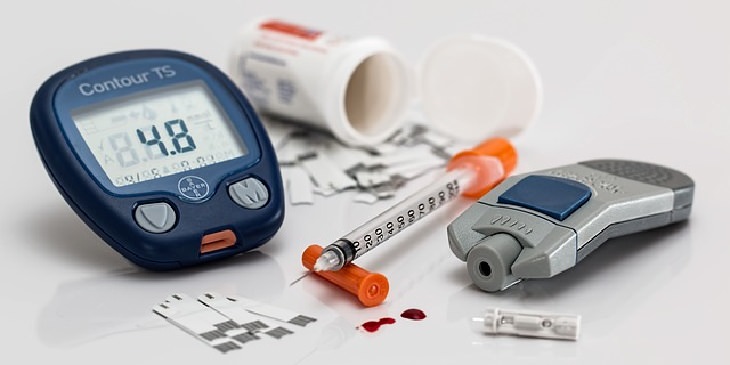
This hormone predominantly focuses on blood sugar levels, which typically rise whenever you eat (especially carbohydrates). The insulin levels in healthy individuals do not usually reach dangerous amounts.  
 
Why we need it: When our blood sugar rises, it signals beta cells (unique cells in the pancreas) to release insulin into the blood. The insulin then binds to the cells, allowing glucose (sugar) to enter the cells and be used for energy. So, without insulin, glucose cannot leave the bloodstream. 
 
When a person is unable to produce enough insulin or they have become resistant to insulin, this hormone loses its ability to remove sugar from the bloodstream, therefore leading to diabetes. A type 1 diabetic has damaged beta cells, meaning that insulin cannot be created or stored. As a result, type 1 diabetics need insulin injections after their meals. A type 2 diabetic can produce insulin, but in insufficient amounts, leading to blood sugar build-up and insulin build-up. Diabetes can cause numerous health consequences including: 
 
 • Atherosclerosis 
 
• Kidney disease or kidney failure, requiring dialysis 
 
• Strokes 
 
• Heart attacks 
 
• Vision loss or blindness 
 
• Weakened immune system, with a greater risk of infection and more. 
 
What to do: 
As the aforementioned problems are caused by insulin resistance, your goal should, therefore, be to increase your insulin sensitivity or at least maintain a healthy level. The most effective way is through maintaining a diet that is low in carbohydrates.

2. Leptin
The hormone leptin is what tells you that you are full - it is your satiety hormone. So, whenever you eat, your leptin levels rise and your appetite starts to wane. But, what happens to the body if you are unable to produce leptin? Take a look at the rat on the left, in the above picture.  
 
Why we need it: Weight loss and body fat are about more than just willpower. It is a combination of genetics and hormones. In a healthy individual, leptin tells the brain that they have sufficient fat stored away for when needed. If your stores are full, there's no point in eating more, so your appetite becomes suppressed. Many obese people tend to be leptin resistant. And once you become resistant to leptin, your brain cannot interpret the leptin signals as it should. This causes obese people to eat past the point of where they should be satiated.  
 
What to do: Whether obesity causes leptin resistance or leptin resistance causes obesity is unknown. However, in both cases, it is a problem. Science, however, believes that the most likely causes are inflammation (which leads to neuron injury), genetic factors, lifestyle, and diet. So, while not much can be done about genetic factors, diet and inflammation can be controlled. 
 
Inflammation is usually a result of poor diet and a stressful lifestyle. Stress can lead to weight gain, therefore leptin resistance may occur due to inflammation. Eating a diet that is low in processed sugars (a major cause of inflammation), with adequate amounts of protein should improve your leptin sensitivity. Exercise and sleeping well also improves leptin's sensitivity. 
 
3. Glucagon
While insulin works to remove excess blood sugar from the bloodstream, glucagon works to increase the amount of blood sugar when there isn't enough. And while insulin is created, stored and released by beta cells in the pancreas, glucagon is created, stored and released by alpha cells in the pancreas. 
 
What to do: Glucagon doesn't get half as much of the attention that insulin gets, primarily because in order to become resistant to glucagon, you need to suffer from some sort of condition. For instance, if insulin levels are too high, they can block glucagon from being released. This can lead to hypoglycemia (low blood sugar) in certain situations. To prevent insufficient levels of glucagon, maintaining good insulin sensitivity should suffice.  
 
4. Cortisol

Often labeled the 'stress hormone' cortisol plays an important role in your physiology.  
 
Why we need it: When you feel stressed, your blood sugar levels tend to drop fairly quickly. During this process, glucagon will attempt to raise it and cortisol is there to help out. Cortisol is produced by the adrenal glands to accelerate protein breakdown and begin GNG (gluconeogenesis) - a process of making sugar from various byproducts, including those of protein. Cortisol also signals to fat cells, to start releasing stored fat to be used for energy. 
 
So, while in the short term, elevated cortisol levels can be a good thing, in the long term, elevated cortisol can cause major problems. In fact, prolonged elevated cortisol can hinder long-term memory, cause muscle wasting (telling the body to break down protein in order to make energy) and it suppresses and hinders the immune system.  
 
What to do: Cortisol is predominantly affected by lifestyle not diet, which would include rest, low-intensity activity such as walking and yoga combined with high-intensity activity. 
 
5. Ghrelin
Known as the 'hunger hormone', ghrelin tells you when you are hungry. It, therefore, plays an important role in regulating energy and how it is used, therefore affecting how energetic you feel. When ghrelin is released, it is because your stomach is empty. It, therefore, signals your body to start preparing for incoming food.  
 
Why we need it: Both ghrelin and leptin work together, regulating the overall long-term weight of a person. Leptin tends to be more of a constant hormone, meaning that it is always present on some level. Ghrelin, on the other hand, is more cyclical. As such, it's not possible to become resistant to ghrelin, however, it can function abnormally. For instance, among obese individuals, studies have shown that ghrelin is not produced during sleep, as it is in a healthy, lean patient. 
 
While it may seem like a good thing at first - as it would mean that we are less hungry upon waking, ghrelin is important for activating growth hormone production and energy use. So, a lack of ghrelin can leave you deprived of energy, thus contributing to remaining obese.  
 
What to do: Ghrelin is affected by lifestyle and body fat percentage, rather than food's nutrition. Nevertheless, maintaining a healthy weight is arguably one of the best ways of having your ghrelin hormone function effectively. 
 
6. Testosterone
This hormone, better known as the 'male sex hormone' is important for both genders. While men make use of it a lot more, women are still fairly sensitive to testosterone. In fact, it is used in the body to regulate sex drive and function, maintain and grow muscles, keep bones healthy and dense as well as grow hair.  
 
Why we need it: If your testosterone levels are low, then you likely have a low sex drive, an inability to grow muscle significantly and weaker bones. But what causes low testosterone? One culprit is low-fat diets. In one study, patients on a low-fat diet for 8 weeks saw a 12 percent reduction in resting testosterone.  
 
What to do: Include more vigorous exercise into your lifestyle, sprinting and heavy lifting in particular. Sufficient levels of vitamin D is also needed to maximize testosterone.


This is only for your information, kindly take the advice of your doctor for medicines, exercises and so on.   

https://gscrochetdesigns.blogspot.com. one can see my crochet creations  
https://gseasyrecipes.blogspot.com. feel free to view for easy, simple and healthy recipes    
https://kneereplacement-stickclub.blogspot.com. for info on knee replacement


Labels: , , , , , , , , , ,

Sunday, February 16, 2020

Your gut bacteria can have an impact on your weight loss goals

In an ideal, utopian world, you should be able to gulp down everything you love to, without adding the calories that they come with. Well, if you think that this is too good to be true, you may be wrong. This wishful thinking probably comes true in some cases, courtesy, trillions of bacteria that live in your gut or digestive tract. Your body is the hub of countless bacteria and most of them have their homes in your intestine. While many of these gut bacteria can give you tough times, there are quite a few which play pivotal roles in helping you perform several physiological functions. For example, they are instrumental in making your metabolism more efficient, and producing certain chemicals and hormones that make you hungry or full. All these have an impact on your weight loss goals.
 

THE GUT-BACTERIA-WEIGHT LOSS CONNECET
There is a wide range of scientific studies that have found a direction link between your body weight and gut bacteria. Here, we share some of them with you.
 

Bacteria named Christensenellaceae
A study published in the journal Cell finds that this having lesser number of these gut bacteria is associated with being obese. The best thing is, most of us have them. However, the quantity is determined by our genes.


Diversity in the gut bacteria
The higher the diversity of your gut bacteria, the better are your chances of shedding those extra kilos, finds a growing body of research. This is because, a higher diversity in these microorganisms ensures faster metabolism, a pre-requisite for weight loss. Interestingly, some studies suggest that lean people harbour 70 per cent more bacteria in their gut. Therefore, their  gut bacteria diversity is higher than their overweight counterparts. There are other studies which have found that people with relatively less diverse gut bacteria are obese.
 

Gut bacteria and your appetite
Your body secretes hormones that control your hunger. They are known as leptin and ghrelin. Research reveals that your gut bacteria influence the amount of these chemicals and therefore, your appetite.


HOW TO HAVE A GAMUT OF HEALTHY BACTERIA
Include more fibre in your meals. They are known to nourish gut bacteria and enhance their diversity. Aim for 20-30 grams of fibre every day. Fruits, vegetables and whole grains are your best options. These foods, along with bananas and garlic offer ample amount of prebiotics in ample amounts. These are fibres that your gut bacteria feed on. Also, avoid processed foods.


This is only for your information, kindly take the advice of your doctor for medicines, exercises and so on.     
https://gscrochetdesigns.blogspot.com. one can see my crochet creations  
https://gseasyrecipes.blogspot.com. feel free to view for easy, simple and healthy recipes    
https://kneereplacement-stickclub.blogspot.com. for info on knee replacement
 

Labels: , , , , , , , , , , ,

Friday, December 28, 2018

Carb Cycling Can Help You Lose Weight, Without Ditching The Carbs

Carbohydrates continue to be the most feared nutrient when getting onto a weight loss plan. While carbs are often touted as the enemy when it comes to weight loss, they are often required in higher quantities than fat and protein for our bodies to perform efficiently. 

Well, there now seems to be a way to continue getting in your dose of carbs and losing weight at the same time. Carb cycling is the latest addition to the bandwagon of diets out there and it’s here to help you lose weight without sacrificing your favourite carbs.

The concept of carb cycling involves three cycles of carb consumption.

Carb cycling is a basic concept involving three cycles of carb consumption: no carb, low-carb and high-carb. However, it is not as easy as it reads. Carb cycling is a scientifically researched approach to weight loss and hence should be attempted once you have understood it completely.

Carb cycling does not mean eating pizzas and burgers on high-carb days and sticking to sandwiches on low ones. One needs to consume healthy carbohydrates which do not hurt your health in the long run and build your body in a healthier manner.

A concept based on alternative carb intake, carb cycling should be approached in an organised manner to make the most of this scientific dietary approach. You can alternate carb cycling either between days, weeks or even months. But, you need to be careful.

Carb cycling is based on various factors ranging from body composition, training goals, body fat percentage and insulin to name a few. Once you know what your body goals are, you can tailor make a carb cycling meal plan to suit yourself.

Carb cycling can help in losing weight as it creates a calorie deficit in the body. This is because, on low carb days, you are high on fats, and vice versa on high carb days. This also includes protein consumption.

There are several theories which state that carb cycling is based more on hormones and less on calories. This is because when we begin carb cycling, insulin, leptin, and serotonin are three hormones which come into play. These three hormones are also primary ones which play an important role in weight maintenance.

Carb cycling also helps curb cravings which you would otherwise get if you completely cut off carbs from your diet. Scraping out cravings is a small but significant step towards weight loss. This is due to the fact that carbs provide a sense of satisfaction to our brain and to our body.

When our body starts reacting to carb cycling, it starts to lose weight and fat at the same time. In addition to this, better insulin sensitivity, improved cholesterol levels, and increased metabolic activity are other benefits of carb cycling.

What sources of food can you use for carb cycling?

Fruits: Despite the contrary belief, fruits are healthy carbohydrates to include in your diet. Rather than eating simple sugar, which often leads to weight gain, eating at least 60 grams of fruit on your high carb days will be beneficial and is acceptable.

Whole grains:
As mentioned before, carb cycling does not mean overloading your plate with unhealthy carbs like pizzas and burgers which are also highly processed. You must stick to whole grains. Brown rice, buckwheat, barley, millets and whole wheat are some options you should include.

Vegetables: Your plate should comprise all vegetable colours such as green, yellow, orange and red. These are antioxidant-rich and ensure healthy carbohydrate intake.

Legumes and pulses: As Indians, legumes and pulses are a part of our everyday meal and hence, are not an issue to consume. Remember to cook them in minimal oil or ghee to balance out your carb, fat and protein ratio.

THIS IS ONLY FOR INFORMATION, ALWAYS CONSULT YOU PHYSICIAN BEFORE HAVING ANY PARTICULAR FOOD/ MEDICATION/EXERCISE/OTHER REMEDIES.                                                                                
 PS- THOSE INTERESTED IN RECIPES ARE FREE TO  VIEW MY BLOG-                                                                                           https://gseasyrecipes.blogspot.com/                                                                                                                                                                             FOR INFO ABOUT KNEE REPLACEMENT, YOU CAN VIEW MY BLOG-                                               
     https:// kneereplacement-stickclub.blogspot.com/                                                                                     
  FOR CROCHET DESIGNS                                                                                                                                                                                                              https://gscrochetdesigns.blogspot.com

Labels: , , , , , , , , , ,