Wednesday, September 16, 2026

Keep Your Blood Sugar Levels Down With This Guide

Admittedly, most of us will think of diabetes when we hear the term “high blood sugar," and with good reason. Diabetes is very serious, but long before a diagnosis occurs, the body will show signs that someone’s blood sugar levels are elevated. 

Glucose is the main culprit for elevated blood sugar levels, and we ingest glucose via the food we eat. This substance is distributed to every cell in our body, and is an essential nutrient when ingested in the correct doses. The problem is that when glucose levels in the body become too high for an extended period of time, they can result in kidney, blood vessel, nerve and eye damage

In the present day, many people are eating far higher amounts of processed and artificial food than they really should be. This negative change in eating habits is directly leading to incidences of people with high blood sugar increasing around the world. So how can you avoid the same happening to you? The first thing you need to do is know what the signs of high blood sugar are, as well as how to identify them: 

14 signs of high blood sugar
1. Frequent urination and urination during the night 

2. Blurred vision

3. Difficulty concentrating 

4. Dry mouth 

5. Impotence 

6. Recurrent infections 

 7. Slow healing of cuts and wounds 

8. Stomach problems 

9. Constant fatigue or extreme tiredness 

10. Increased thirst 

11. Dry and itchy skin 

12. Constant hunger 

13. Excess abdominal fat/weight gain 

14. Nerve problems

THE GLYCEMIC INDEX
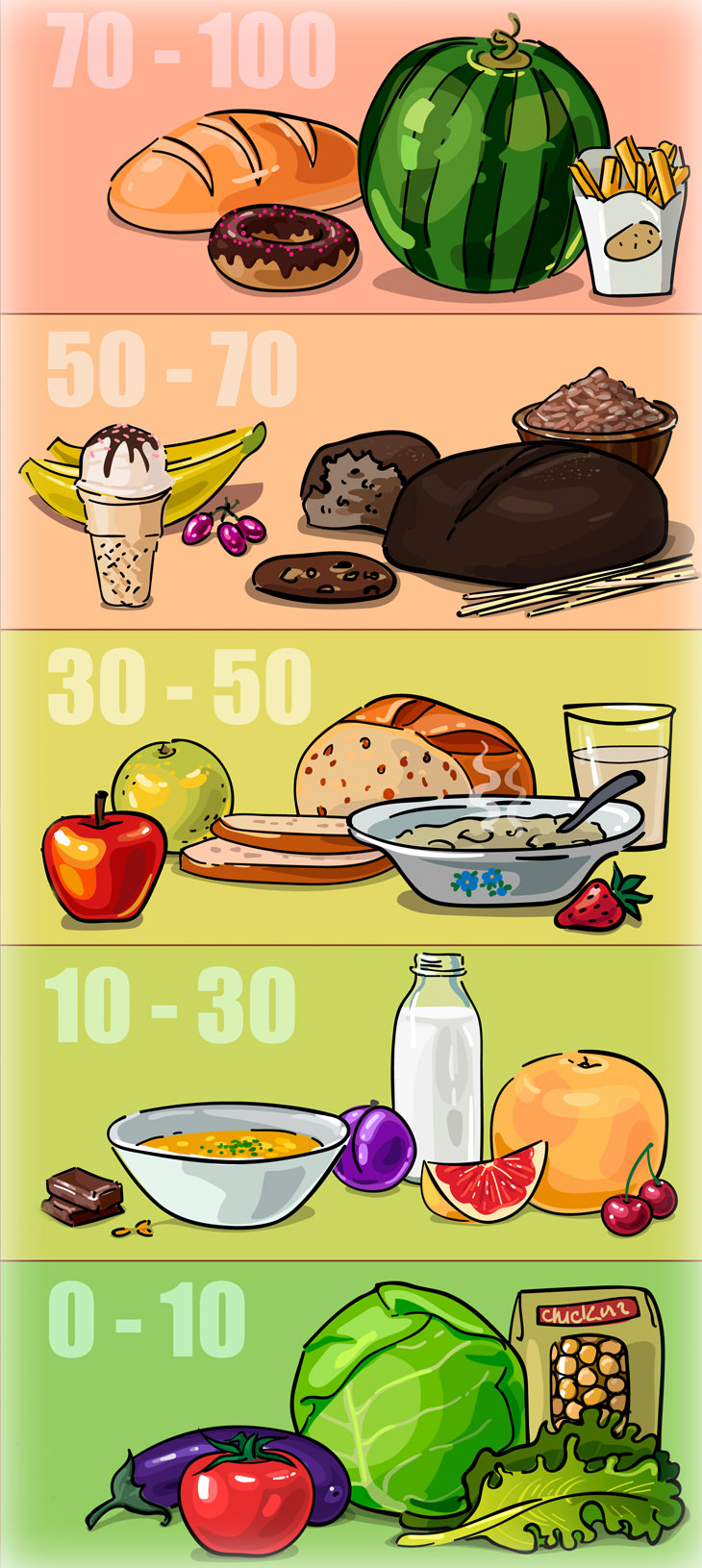
 Keep Your Blood Sugar Levels Down With This Guide

If you’re really concerned about the level of glucose you’re ingesting and thus the impact it may be having on your blood sugar levels, you can refer to the Glycemic Index. This index indicates the amount of carbohydrates found in food products to help you determine what you can or cannot eat. It ranges from 0-100. The lower the GI number of a food, the lower its glucose content.

3 High sugar foods to avoid

One slice of white bread – GI score 70 

If you really must eat bread, switch to brown and reduce your glucose intake. 

Rice cake – GI score 78 

If you have blood sugar levels that are relatively normal, having a rice cake is fine to eat as a healthy snack, however, you should avoid rice cakes altogether if your blood pressure is already high. 

Baked potato – GI score 85 

You might think that baked potatoes are perfectly fine to eat as part of a healthy, balanced diet, however you really should avoid them if you’re exhibiting any of the symptoms outlined above. 

Three low sugar foods to enjoy

Walnuts – GI score 15  Keep Your Blood Sugar Levels Down With This Guide

Walnuts make fantastic additions to salads, or just eaten on their own. Their GI score is very low, making them ideal to eat if you’re concerned about your blood sugar levels. 

Broccoli – GI score 10 

Although you might have hated eating broccoli as a child, broccoli offers a myriad of health benefits, not least having the ability to repair the damage caused to your vessels by high blood sugar levels. 

Eggs – GI score 0 

Eggs are great for your health and definitely won’t elevate your blood sugar levels. Their GI score is zero, so this means they are completely glucose-free. 

As you can see from all of the above, it’s highly important to keep tabs on the deficiencies and excesses of your diet. Be aware of what you’re putting into your body, so that you don’t end up overloading it with all the sugar that manufacturers put into their food.


This is only for your information, kindly take the advice of your doctor for food, medicines, exercises and so on.   


Labels: , , , , , , , , , , ,

Tuesday, November 16, 2021

What kind of complications are seen in diabetics, and how to avoid them?

A chronic health disease, diabetes is characterised by increased blood sugar along with other metabolic disorders. Dr Rajeev Gupta, internal medicine, CK Birla Hospital, Delhi explains that when the pancreas is unable to produce enough insulin, or insulin action on cells becomes ineffective, hyperglycemia with its complications are seen in a patient.

“These complications include infection in blood vessels and nerves. Symptoms of hyperglycemia are increased urination, weakness, weight loss, increased appetite, recurrent infections and other complications of diabetes like heart attacks, strokes or kidney failure,” he says.

According to the doctor, diabetes mellitus is divided into 3 types:

Type 1: Wherein the primary defect is the failure of the pancreas to produce insulin, so regular mellitus treatment is mandatory to sustain life and prevent complications. It generally affects children and young adults, but can occur at any age. Damage to cells or pancreas can be genetic or acquired by viral levels or autoimmune reactions of the body.

“Type 1 diabetes demands the adoption of strict lifestyle changes and dietary habits to keep this condition under control. Unlike other conditions, an individual’s participation and medical and social support are of paramount importance,” Dr Gupta adds.

Patients with type 1 diabetes need to:

– Monitor and control blood sugar, cholesterol and BP consistently.
– Manage blood sugar with insulin shots as advised by a doctor.
– Rest and relaxation to reduce stress.
– Stay active with exercises.
– Make healthy food choices.
– Manage stress to postpone or avoid diabetic complications. Consult your doctor to understand how to recognise and manage complications like kidney disease, eye disease, and cardiovascular complications.
– Go for regular urine tests for albumin (ACR), fundus examination for retinopathy, and lipids assessment along with strict blood pressure control.

Dr Gupta says type 2 diabetes is a more common type, characterised by primarily ineffective insulin action (insulin resistance) with a variable defect in insulin secretion. “Generally, these patients are adults who are obese or have a sedentary lifestyle. Dealing with the complications of diabetes requires effective management to reduce morbidity and mortality.

“Patients must pay attention to blood sugar control, blood pressure, cholesterol, avoid smoking, reduce alcohol consumption, keep their weight under control and exercise regularly to reduce the risk of heart disease,” he explains.

People with type 2 diabetes must recognise signs of impending stroke — like numbness or weakness of any limb, slurred speech, headaches, or dizziness. For early detection of kidney disease, a regular urine albumin test and kidney function test are needed.

Gestational diabetes

This is the third type, majorly diagnosed in pregnant women who are not diabetic before pregnancy. Generally, a glucose tolerance test at the 27th week of gestation is routinely done to detect this condition.

“Once diagnosed, the pregnancy needs to be closely monitored as there is increased risk to the fetus as well. Pregnant women with gestational diabetes should exercise regularly, ensure proper diet and insulin dosage as recommended by the doctor. After delivery, gestational diabetes normally resolves. Obese mothers need to be followed-up for any future development of diabetes,” the doctor concludes.

This is only for your information, kindly take the advice of your doctor for medicines, exercises and so on.   

https://gscrochetdesigns.blogspot.com. one can see my crochet creations  
https://gseasyrecipes.blogspot.com. feel free to view for easy, simple and healthy recipes    
https://kneereplacement-stickclub.blogspot.com. for info on knee replacement


Labels: , , , , , , , , , , , , ,