Monday, April 29, 2024

The Early Signs of Arthritis That Are Often Ignored!

 Joint pain, stiffness, swelling, and grinding joints are all classic symptoms of arthritis. However, there are some lesser-known early signs that masquerade as something insignificant, but actually indicate the onset of arthritis. Would you know what to look for? 

Firstly, it’s important to know the difference between the two main types of arthritis. Rheumatoid arthritis is a concern for all ages. This autoimmune disease triggers inflammation that attacks joints, triggering tenderness, swelling, pain, and limited mobility. Osteoarthritis has similar symptoms to rheumatoid arthritis such as joint pain and stiffness, but it’s brought on by wear and tear. It’s a condition that generally develops later on in life and the symptoms are limited to the joints.


Below you’ll find the early symptoms of Rheumatoid arthritis and osteoarthritis. 
 
Rheumatoid Arthritis 
 
Fatigue

The Early Signs of Arthritis That Are Often Ignored!
This is usually the first symptom of rheumatoid arthritis. It can start weeks or months before other symptoms appear, and it’s often accompanied by “not feeling right” or mild depression. It might feel like you have a virus or flu. Sometimes this is just a reaction to the raised inflammation in your body, but occasionally it could be an indicator of an underlying problem associated with RA, such as anemia.

Poor Appetite and Weight Loss  
The weight loss is normally not drastic, but patients might notice that they don’t have quite the appetite for food and thus start to lose weight. There’s also another reason why early rheumatoid arthritis might result in some weight loss – the inflammation in your body increases your metabolic rate, meaning you burn calories more easily. 
 
Dry Eyes and Mouth  
Having problems with your eyes is quite a common side effect of rheumatoid arthritis, and the symptoms might appear before the classic arthritis symptoms kick in. Rheumatoid arthritis can cause the surface of the eye to become inflamed. 
 
Another eye symptom of rheumatoid arthritis is reduced tear fluid. You’ll notice that you have a gritty sensation in your eye, or feel like there’s some dirt stuck in it. Your saliva production can decline, as well as other bodily fluids.


Painful chest

 The Early Signs of Arthritis That Are Often Ignored!
One of the most surprising early symptoms of rheumatoid arthritis is chest pain. Some rheumatoid arthritis patients get inflammation in the lining of the lungs, so it hurts when a deep breath is taken. However, this is not a very common early sign. More often than not, it comes on after other symptoms. 
 
Stiffness 
Many people with rheumatoid arthritis will experience morning stiffness. Some people don’t realize that stiffness in the morning is a sign of arthritis. They just blame it on the fact that they’re getting old. Another rheumatoid arthritis symptom is stiffness in minor joints that isn’t caused by activity. This usually starts in the small joints, such as hands or the wrists, and then progresses to other joints. There may also be some mild joint inflammation. 
 
Osteoarthritis 
 
Grating Sensation and Bone Spurs  
The spongy cartilage in your joints helps to cushion your bones as you move about. As this cartilage wears down, the bones can begin to grate and grind against each other, causing pain. Worn cartilage can also encourage the growth of bone spurs, potentially deforming joints. 
 
 
Popping
 The Early Signs of Arthritis That Are Often Ignored!
 
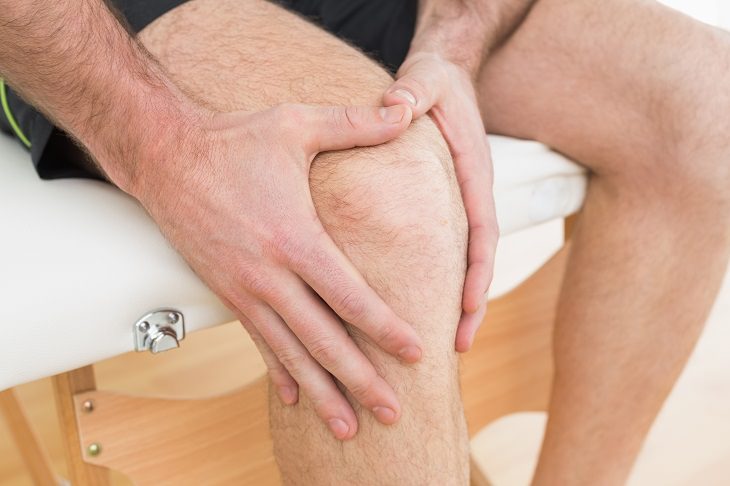
People will often report experiencing a cracking or popping sensation – a kind of cracking sound in their knees or cracking in their joints. This is also caused by worn down cartilage. 
 
 
 Swollen Joints and Stiffness 
Joint swelling due to osteoarthritis is caused by excess synovial fluid, the lubricating fluid in your joints. This isn’t usually painful, but it can limit your range of movement.


Pain Triggered by Activity  
People who have osteoarthritis usually find that their pain is worse with activity and improves with rest. This is the opposite to people with rheumatoid arthritis who find that their stiffness is worse in the morning. 
 
 
Seeking Medical Help Early 
Early detection enables you to seek expert treatment earlier. It may help to prevent joint damage in the case of OA, but catching rheumatoid arthritis early is vital. This is because the longer you leave an inflammation untreated, the more of an effect it will have on your entire system. There is evidence that untreated inflammation can lead to a risk of heart attacks, cardiovascular disease, and strokes. Therefore, it’s important to make sure that people who have persistent symptoms aren’t ignoring things that could be signs of a larger systemic problem.


This is only for your information, kindly take the advice of your doctor for medicines, exercises and so on.   

https://gscrochetdesigns.blogspot.com. one can see my crochet creations  
https://gseasyrecipes.blogspot.com. feel free to view for easy, simple and healthy recipes    
https://kneereplacement-stickclub.blogspot.com. for info on knee replacement
https://cancersupportindia.blogspot.com  for infor on cancer and health related topics
https://GSiyers home remedies.blogspot.com   is the latest addition to my blogs. I'm going to add posts there, do give me your valuable feed back on my blogs. Thanks a lot, take care, be healthy and be happy.

Labels: , , , , , , , , , ,

Wednesday, March 23, 2022

The Early Warning Signs of Arthritis

Joint pain, stiffness, swelling, and grinding joints are all classic symptoms of arthritis. However, there are some lesser-known early signs that masquerade as something insignificant, but actually indicate the onset of arthritis. Would you know what to look for?

Firstly, it’s important to know the difference between the two main types of arthritis. Rheumatoid arthritis is a concern for all ages. This autoimmune disease triggers inflammation that attacks joints, triggering tenderness, swelling, pain, and limited mobility. Osteoarthritis has similar symptoms to rheumatoid arthritis such as joint pain and stiffness, but it’s brought on by wear and tear. It’s a condition that generally develops later on in life and the symptoms are limited to the joints. Below you’ll find the early symptoms of Rheumatoid arthritis and osteoarthritis. 
 
 Rheumatoid Arthritis 
 
Fatigue
This is usually the first symptom of rheumatoid arthritis. It can start weeks or months before other symptoms appear, and it’s often accompanied by “not feeling right” or mild depression. It might feel like you have a virus or flu. Sometimes this is just a reaction to the raised inflammation in your body, but occasionally it could be an indicator of an underlying problem associated with RA, such as anemia.

Poor Appetite and Weight Loss 
The weight loss is normally not drastic, but patients might notice that they don’t have quite the appetite for food and thus start to lose weight. There’s also another reason why early rheumatoid arthritis might result in some weight loss – the inflammation in your body increases your metabolic rate, meaning you burn calories more easily. 
 
Dry Eyes and Mouth 
Having problems with your eyes is quite a common side effect of rheumatoid arthritis, and the symptoms might appear before the classic arthritis symptoms kick in. Rheumatoid arthritis can cause the surface of the eye to become inflamed. 
 
Another eye symptom of rheumatoid arthritis is reduced tear fluid. You’ll notice that you have a gritty sensation in your eye, or feel like there’s some dirt stuck in it. Your saliva production can decline, as well as other bodily fluids. 
 
Painful Chest
One of the most surprising early symptoms of rheumatoid arthritis is chest pain. Some rheumatoid arthritis patients get inflammation in the lining of the lungs, so it hurts when a deep breath is taken. However, this is not a very common early sign. More often than not, it comes on after other symptoms.  
 
Stiffness 
Many people with rheumatoid arthritis will experience morning stiffness. Some people don’t realize that stiffness in the morning is a sign of arthritis. They just blame it on the fact that they’re getting old. Another rheumatoid arthritis symptom is stiffness in minor joints that isn’t caused by activity. This usually starts in the small joints, such as hands or the wrists, and then progresses to other joints. There may also be some mild joint inflammation. 
 
Osteoarthritis 
 
Grating Sensation and Bone Spurs 
 
The spongy cartilage in your joints helps to cushion your bones as you move about. As this cartilage wears down, the bones can begin to grate and grind against each other, causing pain. Worn cartilage can also encourage the growth of bone spurs, potentially deforming joints.

Popping
People will often report experiencing a cracking or popping sensation – a kind of cracking sound in their knees or cracking in their joints. This is also caused by worn down cartilage. Swollen Joints and Stiffness Joint swelling due to osteoarthritis is caused by excess synovial fluid, the lubricating fluid in your joints. This isn’t usually painful, but it can limit your range of movement. 
 
Pain Triggered by Activity 
People who have osteoarthritis usually find that their pain is worse with activity and improves with rest. This is the opposite to people with rheumatoid arthritis who find that their stiffness is worse in the morning.  
 
Seeking Medical Help Early  
Early detection enables you to seek expert treatment earlier. It may help to prevent joint damage in the case of OA, but catching rheumatoid arthritis early is vital. This is because the longer you leave an inflammation untreated, the more of an effect it will have on your entire system. There is evidence that untreated inflammation can lead to a risk of heart attacks, cardiovascular disease, and strokes. Therefore, it’s important to make sure that people who have persistent symptoms aren’t ignoring things that could be signs of a larger systemic problem.


This is only for your information, kindly take the advice of your doctor for medicines, exercises and so on.   

https://gscrochetdesigns.blogspot.com. one can see my crochet creations  
https://gseasyrecipes.blogspot.com. feel free to view for easy, simple and healthy recipes    
https://kneereplacement-stickclub.blogspot.com. for info on knee replacement


Labels: , , , , , , , , , , , ,

Tuesday, August 13, 2019

Leave These 7 Types of Bumps and Blemishes Alon

As tempting as it may be to pick at that unsightly zit on your face, skin-care experts agree that when it comes to bumps and blemishes, a hands off approach is your best bet. Popping a zit causes your skin to break apart, making it vulnerable to infection and permanent damage like scarring and broken blood vessels. So, keep your complexion fresh and flawless with these handy tips:    
Ingrown Hairs
As frustrating as ingrown hairs may be, it is not worth picking at them. Ingrown hairs occur when the hair shaft becomes trapped beneath the skin's surface. The red bumps that follow tend to be itchy and inflamed, though using tweezers or manual force to pluck them out will break the skin, can lead to further inflammation and infection. At times, doing so may also lead to dangerous complications like a staph infection or sepsis (bacteria that can cause a multitude of diseases) further down the road.
Treat it: Apply hydrocortisone, which reduces redness, itchiness and irritation, and wash the affected area with an exfoliating cleanser, helping the hair reach the skin's surface.

Milia
Tiny white bumps are often known as milia. They appear on your face and refuse to pop no matter how hard you try. These bumps often appear to be hard, white cysts under the skin, so much so that picking at them has little to no effect. In fact, trying to pop milia will only leave your skin red, irritated and inflamed. The difference between this kind of pimple, compared to others, is that milia is not actually dirt, oil or grime, but trapped skin cells.
Treat it: Schedule an appointment with your dermatologist who will most likely extract it with a heated sterilized tool.
 
Keratosis Pilaris
Better known as chicken skin, this skin condition occurs as a build-up of the protein keratin (which protects the skin, hair and nails from infection and other harmful environmental toxins. The buildup forms a plug that blocks the opening of a hair follicle. Picking at the lesions can cause it to worsen and increase effects like redness and the potential for scarring as well.
Treat it: Use a chemical exfoliant that contains salicylic acid or glycolic acid, which will help calm inflammation down. If it doesn't go away, be sure to visit a dermatologist.
Cold sores
Touching these pesky bumps can cause them to spread, leading to the formation of another sore. Popping them also releases a blister-like fluid that contains the same virus, which can spread to other areas. As irritating as they may be, these blisters are caused by the herpes simplex virus which can be transmitted from one area of the body to another, through touching.
Treat it: Small sores generally heal over time with over-the-counter treatments. However, if you notice cold sores that are more frequent or spreading, seek professional treatment. Bear in mind that until the cold sore has become dormant, avoid kissing anyone, including your significant other.

Cystic Acne
This type of pimple forms a red, tender nodule that is both painful and hard to treat. The inflammation that accompanies cystic acne can hinder the healing process, leading to permanent scarring that is difficult to eliminate.
Treat it: To treat the situation properly and eliminate scarring book an appointment with your dermatologist.

 Blackheads
While blackheads are not as unsightly as red and inflamed spots, they can cause havoc on our complexion, especially when they colonize in pairs or groups. Just like whiteheads, blackheads are pores that become clogged with oil - except that the oil has oxidized after being exposed to the air, giving it a black or brownish hue. Squeezing blackheads forces the bacteria even deeper, causing trauma to the skin.
Treat it: Work the oil and dirt out of your face by using an exfoliating face wash.

Whiteheads
whiteheads
While whiteheads may seem pretty easy to pick at, when squeezed whiteheads release a mix of acne bacteria, oil and skin cells. Therefore a tiny pop can result in spreading that bacteria throughout your face. Picking at a whitehead also forces the bacteria deep into your skin and it can also transfer more bacteria from your fingers to your face.
Treat it: Allow the acne to clear on its own. Your body knows how to repair this damage by producing collagen - a substance that gives the skin support.

THIS IS ONLY FOR INFORMATION, ALWAYS CONSULT YOU PHYSICIAN BEFORE HAVING ANY PARTICULAR FOOD/ MEDICATION/EXERCISE/OTHER REMEDIES.                                    PS- THOSE INTERESTED IN RECIPES ARE FREE TO  VIEW MY BLOG-                                                                                           https://gseasyrecipes.blogspot.com/                                                                                                                                                FOR INFO ABOUT KNEE REPLACEMENT, YOU CAN VIEW MY BLOG-                                                  https:// kneereplacement-stickclub.blogspot.com/                                                                      FOR CROCHET DESIGNS                                                                                                    
                                https://gscrochetdesigns.blogspot.com

Labels: , , , , , , , , , , , , , ,