Wednesday, May 22, 2024

Navigating Menopause: 10 Key Queries for Your Doctor

Menopause is a significant and often transformative phase in a woman's life. It can come with a range of physical and emotional changes that differ from woman to woman. Although it's a natural biological process, it can be overwhelming and raise many questions and concerns.

If you're feeling confused or intimidated by the symptoms associated with menopause, don't worry - you're not alone. Symptoms such as hot flashes, mood swings, and menstrual changes can leave you searching for answers. Thankfully, you have a trusted resource to turn to: your gynecologist. Your gynecologist is not only a specialist in reproductive health but also an expert in addressing menopausal issues. While discussing pregnancy, contraception, and gynecological infections during routine visits is critical, engaging your gynecologist in conversations about menopause is equally important. 
 
Here are some essential questions you should consider asking your gynecologist about menopause to get the support and guidance you need.

 
1. How do I know for sure if I’m experiencing menopause?
menopause
Menopause is medically characterized as the absence of menstrual bleeding for a continuous year. However, gynecologists say that as women approach this phase, their menstrual cycles become irregular, with a reduction in menstrual flow. In addition to these changes, women may also experience symptoms such as irritability, memory issues, hot flashes, and night sweats. 
 
An additional menopausal indicator is weight gain, which is associated with a slowed metabolism, making it more difficult to lose excess weight. Many women may find that they need to engage in more extended exercise routines to achieve the same weight management benefits. 
 
 
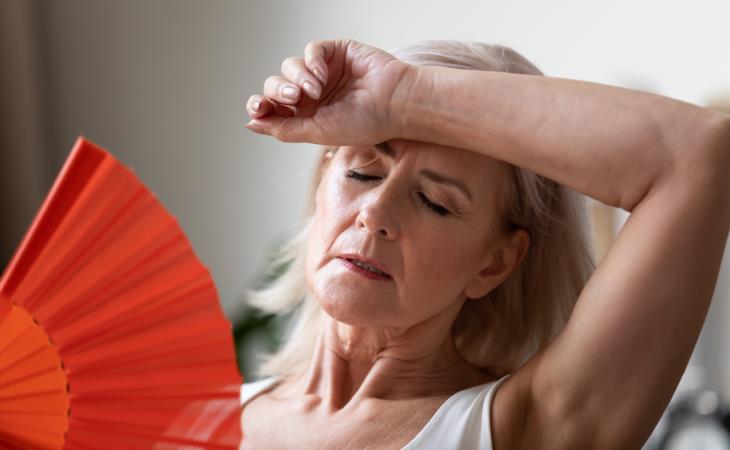
2. What should I do about hot flashes?
 hot flashes
 
Menopausal women are probably most concerned about hot flashes during this time. Consult your doctor about the potential benefits of hormone therapy in helping with these symptoms. Additionally, your doctor might suggest alternative treatments, such as selective serotonin reuptake inhibitors (SSRIs), commonly prescribed for depression, antihypertensive medications used to manage high blood pressure, or specific mood stabilizers. Gynecologists recommend lifestyle adjustments like reducing caffeine and alcohol consumption and increasing physical activity to help alleviate hot flashes.
 
 
3. How will menopause affect my sleep?
While you've enjoyed a lifetime of peaceful rest, the onset of your late 40s and 50s may bring about unexpected sleep disruptions. Is this common for menopausal women? Indeed, it is. Doctors reassure that experiencing sleep difficulties during menopause is quite common among women. Among the most common concerns are night sweats, which are similar to hot flashes but occur at night. 
 
Coping with menopause may bring about difficulties in both falling asleep and maintaining sleep, primarily because hormonal fluctuations affect temperature regulation and can lead to nighttime restlessness. If you're facing insomnia for the first time, consulting your gynecologist about potential treatments is advisable. 
 
 Before suggesting hormone replacement therapy, medications, or cognitive behavioral therapy (CBT), your healthcare provider may encourage lifestyle changes to promote better sleep. These changes could include reducing your caffeine intake, increasing your exercise routine, or improving your sleep hygiene. They may also suggest additional tests to rule out potential sleep-disrupting disorders. Sleep difficulties during menopause can increase other symptoms such as weight gain and poor physical health, say gynecologists. 


4. Should I expect changes in my sexual drive when I reach menopause?
sex drive 
 A lot of women experience lower libido during menopause. Hormone fluctuations can lead to a decrease in libido, and vaginal dryness can make sexual experiences less satisfying. There is, however, no guarantee that all of these multiple factors will affect your desire for sex, and not all women will experience a decrease in libido during the menopause period.

When these symptoms become a concern, consider raising the following questions during your upcoming gynecologist visit: 
 
 * "Could my loss of libido be attributed to hormonal changes?" 
 
* "What are your recommendations for treatment?" Medications, hormone therapy, and lifestyle modifications are all potential options for addressing a reduced libido. Moreover, your gynecologist can provide guidance on suitable lubricants, particularly if you have sensitive skin or are uncertain about which product to choose. 
 
Also, let the doctor know about any other sexual health concerns you may have, such as pain during sex or abnormal bleeding. 


5. What treatments are available for vaginal dryness during menopause? 
Gynecologists say that vaginal dryness is a common menopausal symptom, affecting both intimacy and daily comfort. If you're experiencing vaginal dryness, consider using an over-the-counter lubricant. It's best to avoid stimulating or warming products, as these may aggravate rather than relieve menopausal women's suffering. 
 
You may also find over-the-counter vaginal moisturizers helpful in relieving daily discomfort, even if you do not engage in sexual activity. If needed, consult your healthcare provider regarding various forms of vaginal estrogen, such as creams and suppositories, though these options may not suit everyone.


6. Do I still need Pap tests and mammograms after menopause?
Absolutely. It's advisable to maintain Pap tests until reaching the age of 65, unless certain risk factors for cervical cancer, like HIV (human immunodeficiency virus), are present. It's important to note that even if a woman has undergone a hysterectomy, screening may still be necessary. 
 
As for mammograms, most women with a low risk of breast cancer can discontinue them at the age of 75. In both scenarios, it's essential for you to engage in an open dialogue with your OB-GYN, exchanging information, discussing your preferences, and arriving at a mutually agreed-upon screening schedule. 
 
 The American Cancer Society (ACS) recommends that people between the ages of 25 and 65 undergo a combination Pap and HPV test every 5 years, or a Pap test solely every 3 years. They also advise yearly mammograms beginning at 45 for people at average risk of breast cancer and every two years after the age of 54. 


7. Is hormone therapy right for me? 
In hormone therapy, formerly known as hormone replacement therapy (HRT), estrogen is administered alone or in combination with progesterone through pills, topicals, or patches. The specific combination prescribed depends on whether a hysterectomy has been performed. This treatment can help with common menopausal symptoms, including night sweats and vaginal dryness, and it can also help with bone density loss.
 
Granted, there is an abundance of unsettling information surrounding hormone therapy and its potential ties to heart attacks, breast cancer, and more. Regardless, it's worth noting that the landmark 2002 study, which initially raised apprehensions about these risks, had certain limitations. This study focused on a specific group of older women. Presently, we have a broader understanding that hormone therapy is typically considered a secure choice, particularly for women in their 50s and younger who are experiencing menopause. 
 
 If you're considering hormone therapy, talk to your gynecologist about the benefits and drawbacks, as well as if it's good for you. 
 
 
8. Should I take natural supplements to treat my symptoms? 
 Limited research has been conducted on the safety and efficacy of numerous plant and herbal supplements. The loose regulation surrounding these substances should be acknowledged, since some may contain unsafe concentrations of hormones such as estrogen, progesterone, or testosterone. 
 
Over-the-counter supplements may also interfere with your current drugs or pre-existing medical issues. This is why consulting with your obstetrician-gynecologist before incorporating supplements into your menopausal symptom management routine is strongly advised. 


9. When can I expect to regain my pre-menopausal normalcy?
Typically, the transition to menopause takes years rather than months. While these symptoms often last less than a decade, you may notice most of them within a one- to three-year period. However, it's important to remember that each woman's experience is different. While some women may have menopausal symptoms on a constant basis, others, according to health professionals, transition through menopause with no visible symptoms and just stop menstruating. It's worth emphasizing that both of these instances are outliers rather than the norm. 


10. Is it necessary to visit an OB-GYN annually if I haven't had a period in years?
Yes, regular annual visits are vital, regardless of your menstrual cycle. While you may no longer require birth control or prenatal care, OB-GYNs provide comprehensive women's health services. These visits include cancer and STI screenings, addressing sexual concerns, and managing issues like urinary incontinence.


This is only for your information, kindly take the advice of your doctor for medicines, exercises and so on.   

https://gscrochetdesigns.blogspot.com. one can see my crochet creations  
https://gseasyrecipes.blogspot.com. feel free to view for easy, simple and healthy recipes    
https://kneereplacement-stickclub.blogspot.com. for info on knee replacement
https://cancersupportindia.blogspot.com  for infor on cancer and health related topics
https://GSiyers home remedies.blogspot.com   is the latest addition to my blogs. I'm going to add posts there, do give me your valuable feed back on my blogs. Thanks a lot, take care, be healthy and be happy.
 

Labels: , , , , , , , ,

Monday, April 19, 2021

5 Science-Backed Health Benefits of Consuming Maca, According to a RD ​

You may have stumbled across this caffeine-free, plant-based superfood in your local health food store and wondered what exactly is maca—and what does it do? Full disclosure: This root vegetable is packed with endurance-boosting adaptogens that help combat stress and fatigue and give you the much-needed dose of energy you may be in dire need of.

Learn the benefits of introducing maca into your daily routine and how best to consume it based on the recommendations of a registered dietitian.

Maca contains anticancer properties and vital nutrients

Originating from Peru, this superfood vegetable is not only packed with vitamins and minerals, it is also believed to help boost mood, stamina, and even memory. According to Roxana Ehsani, RDN, spokesperson for the Academy of Nutrition and Dietetics, maca is a “cruciferous vegetable (related to broccoli, cauliflower, and cabbage) that contains anticancer properties like glucosinolates and polyphenols." These important antioxidants help enhance the elimination of potential carcinogens from the body and may potentially reduce tumor growth. Also rich in vitamin C, copper, iron, potassium, vitamin B6, and manganese, maca is a great source of several important vitamins and minerals.  

It can potentially improve mood, memory, and energy levels

According to a recent study on the benefits of maca and its impact on mood, Ehsani notes that consuming this root can help “reduce anxiety and symptoms of depression in menopausal women.” She also notes that another study on the effects of maca and energy levels found that “cyclists improved the time it took to complete a bike ride after consuming maca extract for a period of 14 days.” Additionally, research on animals has shown potential improvements with learning and memory, however Ehsani notes that more research needs to be done on the subject.

It may help boost libido and fertility

If you’re looking for an extra boost of energy in your intimate life, this Peruvian herb has long been proclaimed for its libido-enhacing properties (and there is research to prove it). According to Ehsani, maca can also potentially have beneficial effects on reproduction, particularly for men. She notes that “one small study found that it can positively affect fertility in healthy adult men, specifically increasing sperm concentration, and motility.” However, she urges that individuals should first consult with a health care professional (like a registered dietitian nutritionist) before consuming for this specific benefits.

How to best consume maca

The edible root of maca is typically dried to consume in powder form, and it can also be consumed as a liquid extract. Ehsani recommends adding this earthy and nutty root to both savory and sweet dishes like smoothies, coffee, oatmeal, baked goods, or even into dips like guacamole. She also advises that pregnant or breast-feeding women check with their health care professional before consuming to err on the side of caution.

This is only for your information, kindly take the advice of your doctor for medicines, exercises and so on.     

https://gscrochetdesigns.blogspot.com. one can see my crochet creations  
https://gseasyrecipes.blogspot.com. feel free to view for easy, simple and healthy recipes    
https://kneereplacement-stickclub.blogspot.com. for info on knee replacement


Labels: , , , , , , ,

Wednesday, November 20, 2019

Several physiological factors cause lack of libido in older women

Libido or simply put as sexual desire takes a hit after women enter their menopause but why is it so? Researchers have the answer!

A qualitative study completed by interviewing dozens of women about their lack of desire for sex into several major themes -- including sexual dysfunction in their partners.

The findings of the study were published in the journal Menopause which shed light on various reasons women in their 60s reported behind why they lack libido.

"If a woman is having sexual problems, what's going on with her partner may be contributing. Sex doesn't occur in a vacuum," said lead author.

Up to 40 per cent of women over age 60 have low libido, and about 10 per cent of them report feeling bothered by it.

Researchers conducted three 12-woman focus groups and interviewed 15 other women privately, depending on which setting the participant preferred.

Through these conversations, five major themes emerged -- Postmenopausal vaginal symptoms; erectile dysfunction in partner; fatigue or bodily pain; life stressors; and body image.

The most surprising thread here, Thomas said, was that so many women identified sexual dysfunction in their male partners as a major contributor to their own lack of desire for sex.

"Some women find workarounds, but others get stonewalled by their partner because he feels defensive. As women we're encouraged to be accommodating, so we learn to tamp down our own needs and desires, and prioritize those of others," the researcher explained.

Another revelation was that for some women, despite having retired from their jobs and successfully ejected their adult children from their houses, they were still too stressed to view sex as a priority.

Still, since most of the research on low libido in older women has focused on hormones, Thomas said, hearing detailed accounts from the women themselves produces novel ideas that may not come out of a large survey.

this is only for your information, kindly take the advice of your doctor for medicines, exercises and so on.     
https://gscrochetdesigns.blogspot.com. one can see my crochet creations  
https://gseasyrecipes.blogspot.com. feel free to view for easy, simple and healthy recipes    
https://kneereplacement-stickclub.blogspot.com. for info on knee replacement


readmore

Labels: , , , , , , , ,

Tuesday, March 19, 2019

Hormonal treatment may trigger depression in men with cancer

According to a recent study, men who receive anti-hormonal treatment after having their prostate removed are 80 % more likely to suffer from depression. The study suggests that patients receiving androgen deprivation therapy should be monitored for post-surgical depression.

Increasingly doctors are becoming aware that for many men, a cancer diagnosis and treatment leads to depression, with suicide rates seen rising disproportionately for those with urological cancers. The group of researchers has shown that men who receive anti-hormonal treatment after a radical prostatectomy have an increased tendency to depression.


" The anti-hormonal treatment is given to control the growth of tumour cells. Unfortunately, we've found that it is also associated with depression, said the lead author of the study.


The researchers examined medical records of 5,570 men. They found that 773 of these men were treated for depression after surgery. They found that men treated with anti-hormonal medicines were 1.8 times more likely to suffer from depression than men who did not receive the additional treatment. The researchers also checked whether radiotherapy after radical prostatectomy was associated with depression, but these results were inconclusive.


The treatment prevents the production of androgen hormones, like testosterone. We know from other studies that low testosterone can affect a man;s well-being, so it may be that limiting testosterone production might have the same effect m perhaps especially after a major stress such as cancer treatment. It is important to note that compared to men without prostate cancer the patients treated with prostatectomy as a whole has an increased risk of depression, the Dr. explained.


According to the Dr., after surgery, erectile dysfunction and urinary incontinence are frequent symptoms, in case of recurrence and hormonal treatment, these symptoms may worsen and in addition, altered body image and loss of libido are common. These treatment effects are likely to increase the risk of depression. Also, low testosterone levels may directly affect mood centres of the brain.


As many as 25 % of men undergoing radical prostatectomy will relapse and may be offered hormonal treatment. These men appear to be at a higher risk of developing depression once hormonal treatment is introduced. The reason could be either a consequence of failing surgery, directly caused by the hormonal manipulation or both.


THIS IS ONLY FOR INFORMATION, ALWAYS CONSULT YOU PHYSICIAN BEFORE HAVING ANY PARTICULAR FOOD/ MEDICATION/EXERCISE/OTHER REMEDIES.                                    PS- THOSE INTERESTED IN RECIPES ARE FREE TO  VIEW MY BLOG-                                                                                           https://gseasyrecipes.blogspot.com/                                                                                                                                                         FOR INFO ABOUT KNEE REPLACEMENT, YOU CAN VIEW MY BLOG-                                                  https:// kneereplacement-stickclub.blogspot.com/           

                                                                           FOR CROCHET DESIGNS                                                                                                                                                                                                  https://gscrochetdesigns.blogspot.com 


Labels: , , , , , , ,

Monday, December 24, 2018

Health Benefits of Maca Root Worth Knowing

Maca (Lepidium meyenii) is a cruciferous vegetable native to the Andes mountains of Peru. It looks like a radish or turnip is consumed both as a dietary staple and as a medicinal herb. The main edible part of maca is the root, which grows underground.
 
Also known as Peruvian ginseng, maca has been used by traditional cultures living in Peru for thousands of years as an aphrodisiac and to combat living in the harsh mountainous climate. Inca warriors consumed maca for strength in battle
There are 13 maca variations, named for the color of their roots. In some cases, different colors of maca can produce different biological effects .
The most commonly studied colors are yellow, black, and red.
 
 Maca is rich in calcium, potassium, iron, and iodine. It also contains copper, manganese, zinc, vitamin C, riboflavin (Vitamin B2), and thiamine (Vitamin B1)
Maca contains 20 different fatty acids (including linolenic, palmitic, and oleic acids), and 19 amino acids.
Red and black maca have high levels of choline .
Red maca is high in GABA
The main active compound in maca is the alkaloid macaridine. It has not been found in any other plant.
Maca also contains macamides, which are are fatty acids unique to maca.
Glucosinolates are active components of maca and contribute a bitter flavor. Fresh maca has 10 times the glucosinolates of other cruciferous vegetables. Red maca has the most glucosinolates, followed by black and yellow .
Maca also contains polyphenols .
Maca also contains a compound (MTCA), which inhibits monoamine oxidase (MAO – an enzyme that breaks down certain transmitters), which has the ability to mutate DNA 

1. Relieves menopausal symptoms of women

According to the accepted definition, female menopause begins when the menstrual cycle stops and the amount of estrogen decreases significantly. Because most parts of the female body contain estrogen receptors and are affected by it, this period is characterized by a host of symptoms such as hot flashes, sleep disorders, hair loss, headaches, weight gain and more. Many foods such as various soy products and flaxseeds contain elements with estrogenic similarities that can bind to receptors in the body but have a much weaker effect than the real thing. In contrast, maca powder simply encourages the body to produce estrogen while suppressing the production of cortisol, also known as the "stress hormone." As a result, maca root consumption relieves the symptoms of menopause, and in a 2009 study, it was found that this powder may have another positive effect that is particularly important for menopausal women - preventing bone loss.

2. Rich in iron

Eating 30 grams of maca root, or products based on it, will give your body about 25% of the recommended iron intake per day. Because most of the richest and best sources of iron are animal products, this fact is good news for vegetarians and vegans who need to add to their diet as many foods as possible that are rich in this essential mineral. In fact, each and every one of us should be aware of our iron consumption, since it is a material that many in the Western world suffer from a lack of. The symptoms of iron deficiency include fatigue even after adequate sleep, dizziness, concentration and memory problems, mood swings and a sharp decline in endurance for physical activity.

3. Improves learning ability and protects the brain

The results of a study indicated that the positive effects of the maca plant may inhibit the decline in cognitive abilities that often characterize the aging process. Some of the reasons for the study included the fact that different cultures around the world, such as native Peru, used Maca to improve the mental abilities of their children. A 2009 study showed that there was a link between these two things, and  researchers proved it to be fairly high. In folk medicine and among various researchers who deal with the subject, it is commonly claimed that black maca root is the most effective for the full utilization of these benefits.

4. Rich in vitamin C

We all know how important vitamin C is to our health, but not only because of its great importance to our immune function. Vitamin C is needed for the proper functioning of immune system cells. It prevents oxidation of cells in the body and also takes part in the formation of the collagen necessary for tissue fusion and the process of healing wounds. At the same time, this vital substance also participates in about 300 different processes in the body, such as detoxification in the liver and production of bile salts, it improves iron absorption in the body and more. You can give your body 133% of the recommended daily intake of vitamin C with 30 grams of maca, and you have nothing to fear about excess intake since vitamin C is water soluble and therefore excreted in urine.

5. Improves libido in both men and women

Libido is the name given by Sigmund Freud, the father of psychoanalysis, to the sexual energy inherent in all of us, which tends to fade at some point or another as the years go by. In order to prevent this phenomenon, there are many treatments and preparations to increase libido and sexual desire, many of which are based on various industrial materials. Maca root, on the other hand, can be used as a natural and proven method of improving libido in both men and women, and this fact has been proven in many studies. One thing to remember about this issue is that the maca root has no immediate effect. A study of men aged 21-56 in Peru showed that the root of the plant begins to affect sexual desire only after about 8 weeks.

6. Improves mood

In a world where antidepressants are sold on every corner, it’s good to know that there are plenty of natural treatments for the problem, and maca root provides one of them. Thanks to the flavonoids this plant contains, it can improve mood and help prevent panic attacks or treat chronic anxiety. At the same time, it also provides relief for mood swings and other disorders that women experience during their menstrual cycle. These effects have been demonstrated in several studies on mice and humans. Some of these studies have suggested that black maca root is the most effective treatment for anxiety and depression, but this is only based on preliminary data.

7. Contributes to the treatment of enlarged prostate gland problems

Many studies have shown that the maca root has several distinct benefits for men, with one of the most important being its ability to help treat swollen prostate. Because this gland is located at the origin of the bladder when it begins to grow, many men experience difficulty in urinating and a weak stream, or alternatively, need to urinate too often. Since this is a fairly common problem (at 70, about 60% of men suffer from this problem), it should be noted that in a number of different studies, such as that conducted in 2008 by researchers, a direct link between red maca intake and prostate reduction was observed. In addition, maca root is also rich in ingredients previously associated with low risk of developing prostate cancer.

8. May contribute to lowering blood pressure

A preliminary study conducted in 2015 on a small group of Chinese women showed that after regular consumption of maca (3.3 grams per day), there was a significant decrease in blood pressure of women who consumed the real root rather than a placebo capsule. A study earlier in 2010  that examined a long list of common South American herbs showed similar results, but it is important to note that this is preliminary data only and there is still little consensus on the subject. Therefore, due to the many effects of the powerful maca root, it is recommended not to use it on your own to lower high blood pressure. Consult your General Practitioner and see if it is safe for you, and if so, consult with them about which type you should take.

9. Rich in copper

Copper is a trace mineral that our body does not require in high quantities, but this does not mean that its importance to the body is small. The main processes in which copper participates are the production of red blood cells (alongside the aforementioned iron), protection of connective tissues and bones throughout the body, Inflammation, protein breakdown, and hormone production, mainly from the adrenal glands. Approximately 84% of the recommended copper consumption is obtained from about 30 grams of maca root powder, thus contributing to the body's ability to sustain all these important processes, and many others, efficiently.

Warnings and recommended dosage

The first thing to note is that when purchasing Maca products it is advisable to check that it comes from Peru, where the plant actually grows. The recommended dosage per day is 3 grams or more, but if you have any health problems, you should check with your doctor before you begin. In addition, pregnant women and lactating women should also consult with a qualified professional prior to regular use of the plant. If you don’t belong to any of these “at-risk” groups, maca root has been proven to have many health benefits and it is safe for use!

THIS IS ONLY FOR INFORMATION, ALWAYS CONSULT YOU PHYSICIAN BEFORE HAVING ANY PARTICULAR FOOD/ MEDICATION/EXERCISE/OTHER REMEDIES.                                                                                
 PS- THOSE INTERESTED IN RECIPES ARE FREE TO  VIEW MY BLOG-                                                                                           https://gseasyrecipes.blogspot.com/                                                                                                                                                                             FOR INFO ABOUT KNEE REPLACEMENT, YOU CAN VIEW MY BLOG-                                               
     https:// kneereplacement-stickclub.blogspot.com/                                                                                     
  FOR CROCHET DESIGNS                                                                                                                                                                                                                                 https://gscrochetdesigns.blogspot.com

Labels: , , , , , , , , , , , , , ,