Wednesday, May 22, 2024

Navigating Menopause: 10 Key Queries for Your Doctor

Menopause is a significant and often transformative phase in a woman's life. It can come with a range of physical and emotional changes that differ from woman to woman. Although it's a natural biological process, it can be overwhelming and raise many questions and concerns.

If you're feeling confused or intimidated by the symptoms associated with menopause, don't worry - you're not alone. Symptoms such as hot flashes, mood swings, and menstrual changes can leave you searching for answers. Thankfully, you have a trusted resource to turn to: your gynecologist. Your gynecologist is not only a specialist in reproductive health but also an expert in addressing menopausal issues. While discussing pregnancy, contraception, and gynecological infections during routine visits is critical, engaging your gynecologist in conversations about menopause is equally important. 
 
Here are some essential questions you should consider asking your gynecologist about menopause to get the support and guidance you need.

 
1. How do I know for sure if I’m experiencing menopause?
menopause
Menopause is medically characterized as the absence of menstrual bleeding for a continuous year. However, gynecologists say that as women approach this phase, their menstrual cycles become irregular, with a reduction in menstrual flow. In addition to these changes, women may also experience symptoms such as irritability, memory issues, hot flashes, and night sweats. 
 
An additional menopausal indicator is weight gain, which is associated with a slowed metabolism, making it more difficult to lose excess weight. Many women may find that they need to engage in more extended exercise routines to achieve the same weight management benefits. 
 
 
2. What should I do about hot flashes?
 hot flashes
 
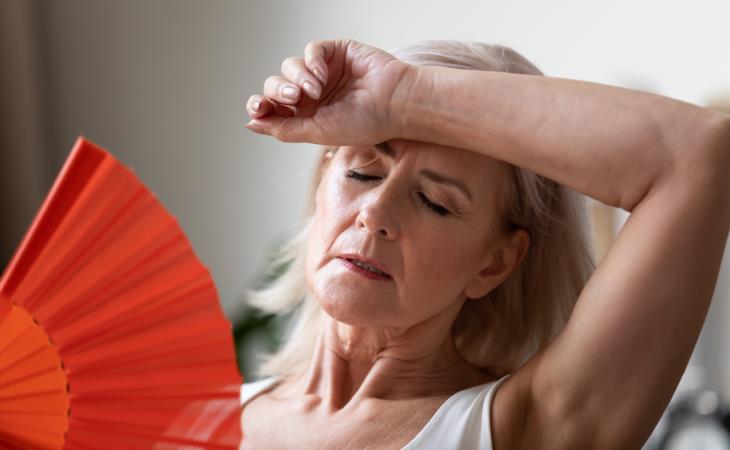
Menopausal women are probably most concerned about hot flashes during this time. Consult your doctor about the potential benefits of hormone therapy in helping with these symptoms. Additionally, your doctor might suggest alternative treatments, such as selective serotonin reuptake inhibitors (SSRIs), commonly prescribed for depression, antihypertensive medications used to manage high blood pressure, or specific mood stabilizers. Gynecologists recommend lifestyle adjustments like reducing caffeine and alcohol consumption and increasing physical activity to help alleviate hot flashes.
 
 
3. How will menopause affect my sleep?
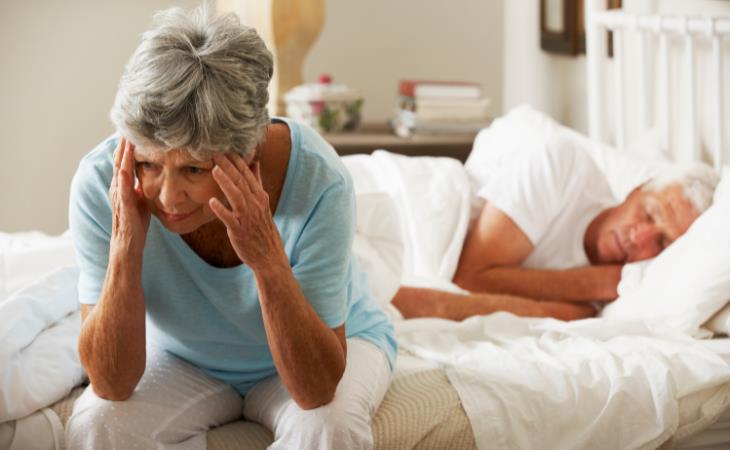
While you've enjoyed a lifetime of peaceful rest, the onset of your late 40s and 50s may bring about unexpected sleep disruptions. Is this common for menopausal women? Indeed, it is. Doctors reassure that experiencing sleep difficulties during menopause is quite common among women. Among the most common concerns are night sweats, which are similar to hot flashes but occur at night. 
 
Coping with menopause may bring about difficulties in both falling asleep and maintaining sleep, primarily because hormonal fluctuations affect temperature regulation and can lead to nighttime restlessness. If you're facing insomnia for the first time, consulting your gynecologist about potential treatments is advisable. 
 
 Before suggesting hormone replacement therapy, medications, or cognitive behavioral therapy (CBT), your healthcare provider may encourage lifestyle changes to promote better sleep. These changes could include reducing your caffeine intake, increasing your exercise routine, or improving your sleep hygiene. They may also suggest additional tests to rule out potential sleep-disrupting disorders. Sleep difficulties during menopause can increase other symptoms such as weight gain and poor physical health, say gynecologists. 


4. Should I expect changes in my sexual drive when I reach menopause?
sex drive 
 A lot of women experience lower libido during menopause. Hormone fluctuations can lead to a decrease in libido, and vaginal dryness can make sexual experiences less satisfying. There is, however, no guarantee that all of these multiple factors will affect your desire for sex, and not all women will experience a decrease in libido during the menopause period.

When these symptoms become a concern, consider raising the following questions during your upcoming gynecologist visit: 
 
 * "Could my loss of libido be attributed to hormonal changes?" 
 
* "What are your recommendations for treatment?" Medications, hormone therapy, and lifestyle modifications are all potential options for addressing a reduced libido. Moreover, your gynecologist can provide guidance on suitable lubricants, particularly if you have sensitive skin or are uncertain about which product to choose. 
 
Also, let the doctor know about any other sexual health concerns you may have, such as pain during sex or abnormal bleeding. 


5. What treatments are available for vaginal dryness during menopause? 
Gynecologists say that vaginal dryness is a common menopausal symptom, affecting both intimacy and daily comfort. If you're experiencing vaginal dryness, consider using an over-the-counter lubricant. It's best to avoid stimulating or warming products, as these may aggravate rather than relieve menopausal women's suffering. 
 
You may also find over-the-counter vaginal moisturizers helpful in relieving daily discomfort, even if you do not engage in sexual activity. If needed, consult your healthcare provider regarding various forms of vaginal estrogen, such as creams and suppositories, though these options may not suit everyone.


6. Do I still need Pap tests and mammograms after menopause?
Absolutely. It's advisable to maintain Pap tests until reaching the age of 65, unless certain risk factors for cervical cancer, like HIV (human immunodeficiency virus), are present. It's important to note that even if a woman has undergone a hysterectomy, screening may still be necessary. 
 
As for mammograms, most women with a low risk of breast cancer can discontinue them at the age of 75. In both scenarios, it's essential for you to engage in an open dialogue with your OB-GYN, exchanging information, discussing your preferences, and arriving at a mutually agreed-upon screening schedule. 
 
 The American Cancer Society (ACS) recommends that people between the ages of 25 and 65 undergo a combination Pap and HPV test every 5 years, or a Pap test solely every 3 years. They also advise yearly mammograms beginning at 45 for people at average risk of breast cancer and every two years after the age of 54. 


7. Is hormone therapy right for me? 
In hormone therapy, formerly known as hormone replacement therapy (HRT), estrogen is administered alone or in combination with progesterone through pills, topicals, or patches. The specific combination prescribed depends on whether a hysterectomy has been performed. This treatment can help with common menopausal symptoms, including night sweats and vaginal dryness, and it can also help with bone density loss.
 
Granted, there is an abundance of unsettling information surrounding hormone therapy and its potential ties to heart attacks, breast cancer, and more. Regardless, it's worth noting that the landmark 2002 study, which initially raised apprehensions about these risks, had certain limitations. This study focused on a specific group of older women. Presently, we have a broader understanding that hormone therapy is typically considered a secure choice, particularly for women in their 50s and younger who are experiencing menopause. 
 
 If you're considering hormone therapy, talk to your gynecologist about the benefits and drawbacks, as well as if it's good for you. 
 
 
8. Should I take natural supplements to treat my symptoms? 
 Limited research has been conducted on the safety and efficacy of numerous plant and herbal supplements. The loose regulation surrounding these substances should be acknowledged, since some may contain unsafe concentrations of hormones such as estrogen, progesterone, or testosterone. 
 
Over-the-counter supplements may also interfere with your current drugs or pre-existing medical issues. This is why consulting with your obstetrician-gynecologist before incorporating supplements into your menopausal symptom management routine is strongly advised. 


9. When can I expect to regain my pre-menopausal normalcy?
Typically, the transition to menopause takes years rather than months. While these symptoms often last less than a decade, you may notice most of them within a one- to three-year period. However, it's important to remember that each woman's experience is different. While some women may have menopausal symptoms on a constant basis, others, according to health professionals, transition through menopause with no visible symptoms and just stop menstruating. It's worth emphasizing that both of these instances are outliers rather than the norm. 


10. Is it necessary to visit an OB-GYN annually if I haven't had a period in years?
Yes, regular annual visits are vital, regardless of your menstrual cycle. While you may no longer require birth control or prenatal care, OB-GYNs provide comprehensive women's health services. These visits include cancer and STI screenings, addressing sexual concerns, and managing issues like urinary incontinence.


This is only for your information, kindly take the advice of your doctor for medicines, exercises and so on.   

https://gscrochetdesigns.blogspot.com. one can see my crochet creations  
https://gseasyrecipes.blogspot.com. feel free to view for easy, simple and healthy recipes    
https://kneereplacement-stickclub.blogspot.com. for info on knee replacement
https://cancersupportindia.blogspot.com  for infor on cancer and health related topics
https://GSiyers home remedies.blogspot.com   is the latest addition to my blogs. I'm going to add posts there, do give me your valuable feed back on my blogs. Thanks a lot, take care, be healthy and be happy.
 

Labels: , , , , , , , ,

Thursday, March 05, 2020

Diet With Higher Fruit And Veggies Intake Linked To Fewer Menopausal Symptoms

The fluctuation of hormones is to be blamed for most of the menopause complaints. A recent study has suggested that a healthy diet, rich in fruits and veggies, may help in lessening several menopausal symptoms.

Menopause is the phase that brings huge change in a woman's life. It marks the end of her menstrual cycles and fertility, which is confirmed 12 months after the last period she has. Cessation of menstruation is associated with several symptoms - weight gain, mood fluctuation, vaginal dryness, headache etc. The fluctuation of hormones (particularly the decline in oestrogen and progesterone) is to be blamed for most of the menopause complaints. A recent study has suggested that a healthy diet, rich in fruits and veggies, may help in lessening several menopausal symptoms. This study was published in the Menopause: The Journal of the North American Menopause Society.

As per the study, it has focused on identifying modifiable lifestyle factors to prevent menopausal symptoms. However, hormone therapy has been proven to be an acceptable method for menopausal symptoms; rather the search for nonpharmacological treatment options is ongoing, especially for women with certain risk factors and those who are not candidates for hormone therapy.

"This small cross-sectional study provides some preliminary evidence regarding the influence of fruit and vegetable intake on menopause symptoms," said study researcher Stephanie Faubion from The North American Menopause Society (NAMS) in the US, as per an IANS report.

Previous studies suggested that consumption of fruits and Mediterranean-style diet were linked to decrease of menopausal complaints. Taking this a step ahead, the new study found 'an apple a day might help keep menopause symptoms away'.

Researchers also stated that though several fruits and veggies had inverse association with menopause symptoms, higher intake of several other kinds of fruits (like citrus fruits) and vegetables were associated to more urogenital problems.

"There is ample evidence that a healthy diet rich in fruits and vegetables has a beneficial effect on health in a myriad of ways, but additional study is needed to determine whether various menopause symptoms may be affected by dietary choices," Faubion concluded.


This is only for your information, kindly take the advice of your doctor for medicines, exercises and so on.     

https://gscrochetdesigns.blogspot.com. one can see my crochet creations  
https://gseasyrecipes.blogspot.com. feel free to view for easy, simple and healthy recipes    
https://kneereplacement-stickclub.blogspot.com. for info on knee replacement
 

Labels: , , , , , , , , ,

Sunday, January 05, 2020

Migraine - Causes, Symptoms And Home remedies

In modern days, migraine has become a common disease that affects the young and the old equally. Migraine as such cannot be cured, but improving lifestyle and Ayurvedic medication can help you keep this disease under control and improve your quality of life.

What is Migraine?
Migraine, commonly known as Sooryavarta in Ayurveda, is a medical condition in which the excessive stimulation of the blood vessels in the brain causes a throbbing pain on one side of the head and is associated with nausea, sensitivity and vomiting. This happens because the vomiting centre of the brain gets activated during an episode. These symptoms are the most common signs; however, it varies from person to person. 


What Causes Migraines?
These headaches worsen upon sunrise and it is at its peak at noon, when the sun is at its highest intensity and slowly subsides on sunset. This is one of the major factors in setting in an episode; it is not true in every case. 

The other triggers that cause migraine attacks according to Ayurveda are:
  1. Spicy and oily food
  2. Stress, anger, grief, jealousy
  3. Suppressed emotions or natural urges
  4. Indigestion
  5. Consumption of too much of dry, salty and pungent food
  6. Consuming polluted food
General triggers may include:
  1. Smoking and drinking
  2. Stress
  3. Fasting
  4. Physical stress and exercise
  5. Fluctuation in hormone levels during the menstrual cycle or the use of birth control pills
  6. Stopping intake of tea or coffee suddenly
  7. Stress to sensory organs in the form of bright noises, bright lights, strong perfumes or odours etc.
Certain foods or beverages may also trigger an episode of migraine. These include baked foods, chocolates, processed foods, spicy foods, onions, dairy products and peanuts. These kinds of foods are known to suddenly increase Kapha dosha or Pitta Dosha and as a result, trigger an attack.

Symptoms of Migraine-
It is usually characterised by a stinging, throbbing pain on one side of the head and is followed by nausea and vomiting. Some people may get visual aberrations called an aura- such as blind spots, blurred visions, distorted lines etc.


Ayurvedic medications that can help migraine are:
  1. Indian licorice –athimadram
  2. Sariva –
  3. Hareetaki –
  4. Amalaki –
  5. Mallika –
  6. Kumari – Aloe vera
Simple home remedies useful in migraine:
  1. Tender leaves of jasmine or tender leaves of pomegranate are taken along with a pinch of salt and crushed well to obtain fresh juice. Early in the morning, preferably in empty stomach, 2-3 drops of this fresh juice is instilled to both the nostrils. Procedure is repeated once again evening hours (6-7 pm). This reduces the severity of headache in migraine.
  2. One fist full of Doorva grass (cynodan dactylon) is taken and its fresh juice is obtained. To this, 2 pinch of licorice powder is added and mixed well. This is consumed during the noon hours. Procedure is repeated for 20-30 days. This helps to reduce the severity of illness significantly.
  3. Take coriander seed powder – 1 teaspoon. add it to one cup of water, leave it as it is at night, next day morning, drink it on empty stomach.
  4. Soak 5 raisins and 5 almonds in water at night, next day morning, eat them. If you wish to discuss about any specific problem, you can consult an ayurveda and ask a free question.

    this is only for your information, kindly take the advice of your doctor for medicines, exercises and so on.     
    https://gscrochetdesigns.blogspot.com. one can see my crochet creations  
    https://gseasyrecipes.blogspot.com. feel free to view for easy, simple and healthy recipes    
    https://kneereplacement-stickclub.blogspot.com. for info on knee replacement
     

Labels: , , , , ,