Monday, February 15, 2021

No More Needles: New Diabetes Treatment in a Pill Approved

Diabetes has been on the rise for decades, with an estimated 422 million worldwide suffering from the condition as of 2014 according to the WHO. The majority of these patients suffer from the acquired form of the disease, known as type 2 diabetes, which is notorious for being undiagnosed for years. Until recently, the treatment of type 2 diabetes in its advanced stages, for the majority of patients, was limited to injections, which are invasive, painful, and significantly more expensive than oral medications. Luckily, that is about to change, as a new treatment of the disease has recently passed FDA approval.
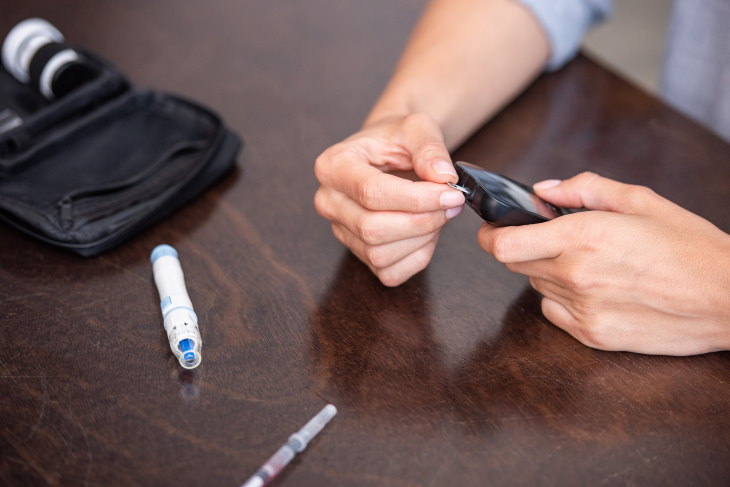
diabetes pill injection
The drug in question is called Rybelsus, and it belongs to a group of glucagon-like peptide (GLP-1) drugs, which are sometimes prescribed to patients who can no longer control their blood sugar with diabetes medications that come in pills. These drugs typically come in injections, as the active ingredients of these medications are destroyed by stomach acids.
Rybelsus is the first drug of this kind to come in tablet form, and it has been approved as a standalone or complementary treatment of type 2 diabetes.

The tablets will be taken daily 30 minutes before food in the morning. Though the pricing of the new drug will be comparable to similar injectable treatments, the new medication can help relieve the psychological and financial burdens for many diabetes patients, as they will no longer require painful injections and will ultimately save money on syringes. Given that type 2 diabetes is a chronic disease and patients require daily or weekly injections for years on end, this is a major improvement. 
 
The effectiveness and safety of Rybelsus have been proven in several clinical trials and established that it can stabilize blood sugar levels in type 2 diabetes patients. The medication is not advised to treat type 1 diabetes, and the FDA doesn’t recommend Rybelsus as the first choice of treatment because it may increase the risk of a specific type of thyroid tumors as a side effect. 
 
Still, the developers of the drug, Novo Nordisk, predict that it will become the treatment of choice for many patients and will lead the way in producing other novel treatments that are currently only available in injection form.


This is only for your information, kindly take the advice of your doctor for medicines, exercises and so on.     

https://gscrochetdesigns.blogspot.com. one can see my crochet creations  
https://gseasyrecipes.blogspot.com. feel free to view for easy, simple and healthy recipes    
https://kneereplacement-stickclub.blogspot.com. for info on knee replacement

Labels: , , , ,

Tuesday, February 25, 2020

Early-morning, starch-rich meal improves glycemic control among type 2 diabetics

Type 2 diabetics inject themselves with insulin, a hormone that regulates the movement of sugar into liver, muscle and fat cells, up to four times a day. But insulin injections are linked to weight gain and the loss of control of blood sugar levels. This triggers a vicious cycle of higher insulin doses, continuous weight gain, a higher incidence of cardiovascular disease and other complications.

A new Tel Aviv University study finds that a starch-rich breakfast consumed early in the morning coupled with a small dinner could replace insulin injections and other diabetes medications for many diabetics.

The traditional diabetic diet specifies six small meals spread throughout the day. But our research proposes shifting the starch-rich calories to the early hours of the day. This produces a glucose balance and improved glycemic control among type 2 diabetics. We believe that through this regimen it will be possible for diabetics to significantly reduce or even stop the injections of insulin, and most of antidiabetic medications, to achieve excellent control of glucose levels. 
Prof. Daniela Jakubowicz of TAU's Sackler Faculty of Medicine and Wolfson Medical Center's Diabetes Unit
Prof. Jakubowicz is the lead author of the study, the result of a collaboration with Prof. Julio Wainstein and Dr. Zohar Landau of Wolfson Medical Center's Diabetes Unit and Prof. Oren Froy and Dr. Shani Tsameret of the Hebrew University of Jerusalem. The research was published in Diabetes Care in December.

According to the new research, our metabolism and biological clock are optimized for eating in the morning and for fasting during the evening and night, when we are supposed to be asleep. "But the usual diet recommended for type 2 diabetes consists of several small meals evenly distributed throughout the day -- for example, three meals and three snacks daily, including a snack before going to sleep to prevent a drop in sugar levels during the night," Prof. Jakubowicz says.

But the '6M-diet,' as this is called, has not been effective for sugar control, so diabetics require additional medication and insulin. And insulin injections lead to weight gain, which further increases blood sugar levels," Prof. Jakubowicz adds.

The researchers studied 29 type 2 diabetes participants and compared a new "3M-diet," more in alignment with our biological clock, with a control group on the traditional 6M-diet. The experimental 3M-diet comprises a meal of bread, fruits and sweets in the early hours of the morning; a substantial lunch; and a small dinner specifically lacking starches, sweets and fruits.

The group on the traditional 6M-diet did not lose weight and did not experience any improvement of sugar levels, requiring an increase in medication and insulin doses. But the group on the 3M-diet not only lost weight but also experienced substantially improved sugar levels.

"Their need for diabetic medication, especially for insulin doses, dipped substantially. Some were even able to stop using insulin altogether," adds Prof. Jakubowicz. "In addition, the 3M-diet improved the expression of biological clock genes. This suggests that the 3M-diet is not only more effective in controlling diabetes. It may also prevent many other complications such as cardiovascular disease, aging and cancer, which are all regulated by the biological clock genes."

The upregulation of the biological clock gene expression in the 3M-diet might be the mechanism behind its success, as it enhances insulin secretion and improves sugar delivery into the muscles, creating a balanced daytime and nocturnal glucose metabolism. The researchers are now investigating the role certain proteins play in breakfast foods consumed by diabetics.

This is only for your information, kindly take the advice of your doctor for medicines, exercises and so on.     

https://gscrochetdesigns.blogspot.com. one can see my crochet creations  
https://gseasyrecipes.blogspot.com. feel free to view for easy, simple and healthy recipes    
https://kneereplacement-stickclub.blogspot.com. for info on knee replacement
 

Labels: , , , , , , , , , , , , , ,

Friday, May 19, 2017

TYPE-2 DIABETICS MAY BE ABLE TO GET RID OF INSULIN SHOTS SOON

Diabetes sufferers might soon be able to take pills to treat their condition, rather than inject themselves with insulin, a research by Australian scientists said on Friday.

Research led by the University of Adelaide is testing safer and more effective drugs to treat type-2 diabetes which will reduce side-effects and insulin injections, Xinhua news agency reported.

Two studies published in the Journal of Medicinal Chemistry and BBA-General Subjection on Friday found that new drugs could be more efficient in reducing blood sugar.

Successfully developing new treatments for type-2 diabetes would be considered a major health coup, with insulin injections often proving unsafe and ineffective.

The two new drugs work by targeting a protein receptor known as PPARgamma found in fat tissue throughout the body to lower blood sugar by increasing sensitivity to insulin and changing the metabolism of fat and sugar.

The first study, undertaken in partnership with The Scripps Research Institute in the US, described 14 versions of a drug which worked by partially activating PPARgamma, an outcome which resulted in fewer side effects than full activation.

The second study, in collaboration with South Australia's Flinders University, used X-ray crystallography to demonstrate how a drug, rivoglitazone, binds with the PPARgamma receptor.

Rivoglitazone fully activates PPARgamma but produced  fewer side effects than other drugs that activate the same way.

Type-2 diabetes is characterized by a resistance to insulin and subsequent high blood sugar, usually resulting from lifestyle factors like poor diet and lack of exercise.


John Bruning from the University's School of Biological Sciences and Institute for Photonics and Advanced Sensing said developing safer and more efficient drugs is essential.

this is only for your information, kindly take the advice of your doctor for medicines, exercises and so on.   
https://gscrochetdesigns.blogspot.com. one can see my crochet creations 
https://gseasyrecipes.blogspot.com. feel free to view for easy, simple and healthy recipes    
https://kneereplacement-stickclub.blogspot.com. for info on knee replacement   


Diabetes sufferers might soon be able to take pills to treat their condition, rather than inject themselves with insulin, a research by Australian scientists said on Friday.

Research led by the University of Adelaide is testing safer and more effective drugs to treat type-2 diabetes which will reduce side-effects and insulin injections, Xinhua news agency reported.

Two studies published in the Journal of Medicinal Chemistry and BBA-General Subjection on Friday found tha ..

Labels: , , , , , , , , , , , , ,