Monday, August 23, 2021

Myths about Food Safety You Shouldn’t Believe

There are a lot of misconceptions about food safety we have been blindly believing for years now. Perhaps because we are bombarded with so much information and despite having a wealth of information available to us at our fingertips, many of us tend to ignore certain food safety and safe food handling practices. Food storage, cooking, cleaning, and eating are an essential part of our lives and hence it’s important to not be fooled by any misconceptions related to food safety.

Here, we have attempted to debunk some common food safety myths that you should always keep in mind.

Myth 1: If the food looks and smells fine, it’s good to eat

Food Safety Myths, smelling food
A lot of us do this. We just take a whiff of the food we are about to eat, and if it smells and looks fine, we don’t think much about eating it right away. That can be risky, though. 
 
Some bacteria, molds, and yeasts can change the look, flavor, smell, or texture of food, and then it's easy to tell if it’s gone bad. However, harmful bacteria can only be seen under the microscope, and several types of bacteria that do cause illness don’t always affect the taste, smell, or appearance of food. That’s why you must pay attention to how you store food. If, for example, you aren’t sure how long a leftover food has been kept in the refrigerator, then don’t take the risk – just toss it out. Just because that 5-day old milk or soft apple smells okay, doesn’t mean it actually is. 
 
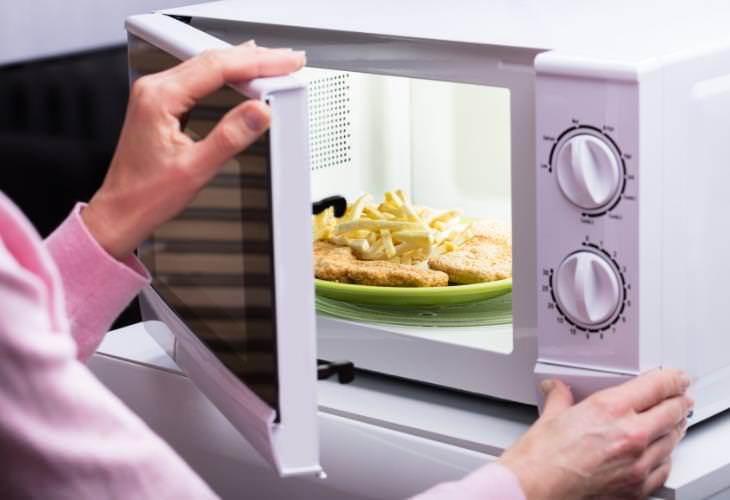
Myth 2: The microwave will kill all bacteria in the food
Food Safety Myths, microwave
Many of us assume that heating food in the microwave oven will instantly kill all bacteria in it and make it safe to eat. 
 
While it’s true that the heat in microwaves can kill bacteria, they can’t be 100% relied upon for your food’s safety. That’s because foods with uneven shapes or variants in thickness might seem cooked by the microwave but they still might be cold spots left in the food, where harmful bacteria can survive. We've all experienced that 'cold spot' at times. So, even if you’re using a microwave to heat the food, it doesn’t automatically mean that it’s safe and you, therefore, must not neglect any aspect of food safety.  
 
Myth 3: You can’t drink milk past the date on the carton  Food Safety Myths, milk
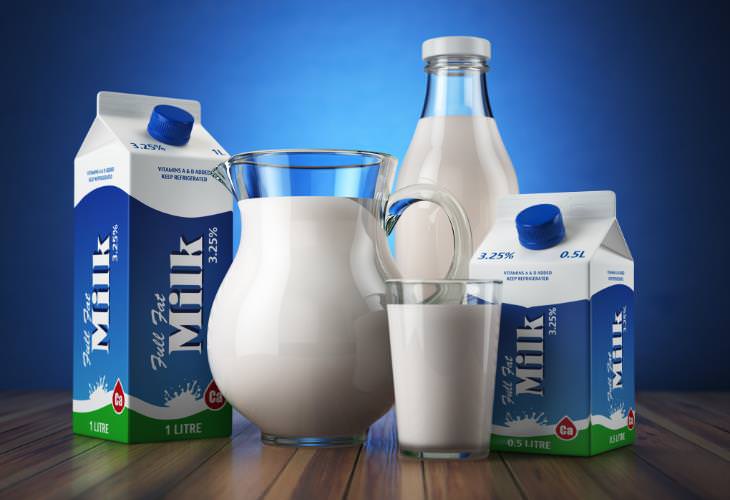
Don’t toss out that carton of milk just because it’s gone by “best before” date. This happens since we often get confused between a “best before” date and a “use by” date. The “best before” date is more a recommendation and most research suggests that properly stored unopened milk is safe to consume up to a week after that date. Opened milk, meanwhile, can last at least 2–3 days past that date. However, milk shouldn’t be taken past its “use by” date, as it could have grown harmful bacteria and can make you sick.
 
Myth 4: The last food you ate is what caused you food poisoning
Apart from some toxins and viruses, most harmful microorganisms usually take a few days to make you sick. Symptoms of food poisoning typically take 1-3 days to develop and can even take as long as three weeks to fully take hold. So don’t be quick to blame your stomach illness on that sushi you had at a restaurant last night for you may have gotten sick from something you ate a few days ago. Also, the underlying cause of the symptoms might not be food poisoning at all. If you feel you have a food-borne illness, seek medical attention.

Myth 5: You don’t need to wash produce if you are going to peel it
Even if you do not plan to eat the skin of the fruit or vegetable, it’s always a good idea to wash it first before consuming it. The reason being that dirt and bacteria can easily be transferred from the surface when peeling or cutting produce, according to the U.S. Food and Drug Administration (FDA). 
 
Here’s another story that will make sure you wash your produce before eating. In 2011, an outbreak of salmonella from cantaloupe was traced to germs clinging to the melon's rinds and transferred to the flesh inside when the fruit was cut. Bacteria can stick easily to the rough surface of fruits like cantaloupes. And even a small amount of bacteria can be dangerous if it reaches the inside of firm fruits such as melons and cucumbers. 
 
Food experts hence recommend scrubbing their rind with a clean vegetable brush and washing your hands with soap and warm water afterward.
 
Myth 6: As long as you cut off the mold, the rest of the food is fine 
Don’t be under the assumption that if you cut or scrape the mold out of food, the remaining part will be safe to eat. That’s not always true. Moldy bread, especially, is better off thrown away as the mold is more likely to be growing beyond the areas you can see. Molds usually extend deep into the food and merely scraping off the visible part won’t make the food safe to eat. 
 
However, molds have a hard time growing inside firm fruits and vegetables. So if you cut off at least an inch around the spot of mold in the affected fruit or veggie, you can still eat it. Just make sure that you wash the knife properly afterward to avoid cross-contaminating your produce.
 
Myth 7: It’s safe to eat raw cookie dough/cake mix
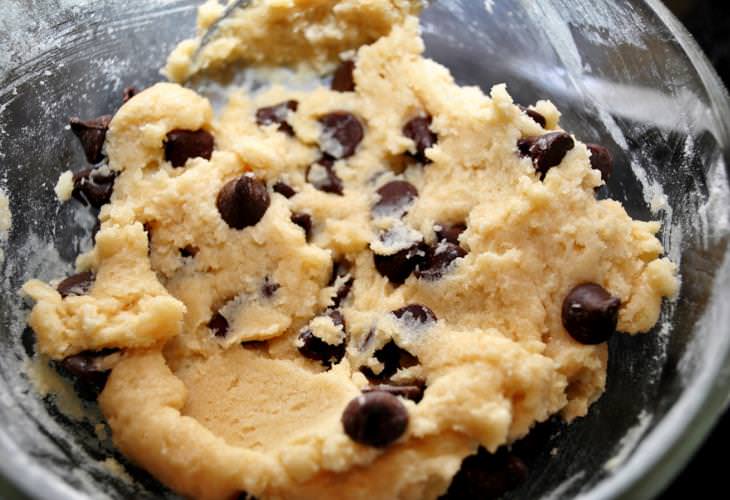
Food Safety Myths, raw cookie dough
While making cookie dough, it's hard to can’t resist licking the batter from the spoon. It might be yummy, sure, but it’s not safe. The Centers for Disease Control and Prevention (CDC) has stated that raw dough can contain germs that make you sick. While there’s a risk of the bacteria in uncooked eggs too, there have been incidents in the recent past of two outbreaks of E. coli infections linked to raw flour as well. The CDC believes that since raw flour hasn’t been treated to kill germs, it might well be contaminated in the field or at other steps during flour production. Bacteria are completely eliminated only when food made with flour is cooked. This is why you should avoid eating raw dough or batter.

Myth 8: Plastic chopping boards are safer than wooden ones
It’s commonly believed these days that plastic cutting boards are much safer than wooden ones. This belief stems from the idea that since they are easier to clean and sanitize, plastic boards are safer to use. Experts say that although plastic boards are definitely easier to clean, cutting on them also leaves lots of grooves where bacteria can hide. And while the wooden boards are tougher to sanitize, there aren’t many deep scratches on their surface and therefore they can actually be more sanitary in the long run.
 
So as long as you are thoroughly sanitizing both the chopping boards, there’s not much difference between them. A good way to clean both types of boards is to pour a solution of 1 gallon of water mixed with 1 tablespoon of bleach on their surface and let them dry. This will stop moisture-loving bacteria from growing on them.

This is only for your information, kindly take the advice of your doctor for medicines, exercises and so on.   

https://gscrochetdesigns.blogspot.com. one can see my crochet creations  
https://gseasyrecipes.blogspot.com. feel free to view for easy, simple and healthy recipes    
https://kneereplacement-stickclub.blogspot.com. for info on knee replacement

Labels: , , , , , , , , , , ,

Monday, January 27, 2020

Don't Ignore the Expiry Dates for These Foods

Think a sniff test or a quick glance can always tell you if food is off and should be thrown away? Think again! Looks and smells can sometimes be deceiving, which is why the expiration dates that are stamped on packaging can guide you and help prevent illness. Below are ten foods that you should never consume once the expiration date has passed.

1. Egg Substitutes
A carton of eggs has a little more leeway than their boxed substitutes, but both need to be consumed in a timely manner. So, if you’re debating whether to finish off that two-week-old carton of whites – don’t! It’s safe to keep eggs in the fridge for three to five weeks if they’re in a shell, but for egg substitutes, you only have about 3-5 days on average once they’re open. If they’re unopened then you have about 10 days.


2. Soft Cheeses

Harder cheeses such as cheddar or Gouda have a longer shelf life because it’s more difficult for mold and bacteria to permeate them. Once opened, these cheeses can last up to 6 months in the fridge. However, softer cheeses such as goat cheese, ricotta, or cream cheese are more susceptible to mold and bacteria and should be thrown away at the first sign of spoiling or once the expiration date has passed. As a general rule, soft cheeses last about a week in the fridge once opened.


3. Jarred Condiments

It might seem like spreads and sauces last forever, but just because they’re in a glass jar tucked away in the fridge, doesn’t mean they’re protected from bacteria. Once the lid has been opened, the safety seal is broken, and the condiment should be consumed in a timely fashion. Furthermore, when we make sandwiches, for example, we dip our knife into the spread container and wipe it on the bread and then dip it back into the container. By doing this, you’re putting some of that bacteria back into the container. Jarred condiments tend to have more exposure to bacteria and therefore they can lead to foodborne illnesses if not trashed at the appropriate time. If you notice water floating on the top, some discoloration, or weird smells, it’s safer to just throw it out.

4. Cold-Pressed Juice

Green juices might be filling up your social media feeds each day, but they shouldn’t find a permanent home in your fridge. Cold-pressed or raw juices are incredibly popular among the health-conscious since they’re full of nutrients, but it’s important to consume them very soon after buying. Unlike typically processed juices which undergo pasteurization to destroy harmful bacteria and increase shelf life, these raw juices are not pasteurized, making them much more prone to contamination by bacteria.


5. Fresh Meat

When it comes to fresh meat, you’re usually dealing with a “sell by” date, which tells the store the last day it can keep that product out for sale. So, what does this mean for you? Well, you either need to eat it or freeze it when you get home.

6. Ground Meats

Ground meats should be eaten or frozen within two days of purchase. This applies to beef, turkey, pork, lamb, and any other type of ground meat. Since it’s ground, the bacteria that were originally present on the surface might be mixed throughout the meat, increasing your risk of contracting food poisoning or another illness.


7. Fish

Fish are no less prone to bacteria than meat and should be consumed in one or two days after purchase. Otherwise, Whole Foods advises tightly wrapping it in moisture-proof freezer paper or foil and putting it in the freezer.

8. Fresh Berries

Whether you buy them from the store or farmer’s market, berries have a short lifespan. Raspberries and strawberries are only good for about three days after purchase, while blueberries can last a couple of days longer in the fridge. After that, they turn mushy and become susceptible to a bacteria called cyclospora cayetanensis, which can cause bloating, diarrhea, vomiting, and other food poisoning symptoms.


I found a simple way to make the strawberry last long without getting spoiled. I washed it in water adding little vinegar, then stored it. Normally the berries which was getting spoiled within 2 days, didn't get spoiled ! Simple trick, which surely help to save your expensive and healthy berries longer.

9. Leafy Greens
Yup, even those packaged ones that are pre-washed. Leafy greens have the potential to carry bacteria such as E. coli because they’re touched by so many hands. For your own safety, wash all types of greens before eating them and never consume them after the date on the packaging.

10. Sprouts

Sprouts are grown in warm climates, which makes them ideal breeding grounds for bacteria right off the bat. Eat them past their ideal date (about two days after purchase) and your risk of getting sick increases. If you’re already sick or pregnant, avoid them altogether.


This is only for your information, kindly take the advice of your doctor for medicines, exercises and so on.     
https://gscrochetdesigns.blogspot.com. one can see my crochet creations  
https://gseasyrecipes.blogspot.com. feel free to view for easy, simple and healthy recipes    
https://kneereplacement-stickclub.blogspot.com. for info on knee replacement
 

Labels: , , , , , , , , , , ,

14 Foods That Are Safe to Eat Past Their Expiration Date

The expiration date label is there for a reason, but that reason might not always be what you think. While some expiration dates are printed for the consumer to know when a certain food should be disposed of, in other cases, the ‘sell by’ label on a product is a marker of freshness and not its actual expiry. After all, we often purchase foods with the intention of using them up over a course of weeks, or sometimes months, and food producers and sellers incorporate these dates to make sure your food gets to you as fresh as possible.

This article explains what you need to know about expiration dates and how, with certain foods, you can extend their shelf life significantly and save a good amount of money. All 14 of these foods shouldn’t be tossed when they reach their expiration date, and you’re about to find out why.


1. Meat and Fish
The "sell by" date that typically appears on fresh fish and meat you buy in-store is printed on each package for retailers or sellers to know when they should start pulling the product from the shelves, but when it comes to the consumer, you don't have to get rid of the expensive meat or fish once it reaches the date if you make sure to freeze or refrigerate it.


Raw fish, chicken, and meat will last for only 1-2 days after you purchased it if you keep it in the refrigerator. But if you put it in the freezer, the shelf life can be extended for months according to FoodSafety.gov, namely:

Poultry can be kept in the freezer up to 9 months if it's cut up into pieces, and up to 12 months if whole.


Fish can be frozen for 6-9 months if bought fresh, but it can be kept frozen up to 12 months if you purchased it frozen, sealed and it didn't thaw while being transported.


Red meat can be stored upwards to 12 months in steaks, chops, and roasts, and up to 4 months if it's ground up.

​Similarly to raw meat and fish, the shelf life of smoked, cured, and cooked products can be extended by 1-2 months if you freeze them, all because freezing significantly slows down the process of oxidation and the multiplication of harmful bacteria in foods.

2. Eggs
Eggs are another one of those foods that are fine to eat after they have passed the expiration date printed on the carton or egg. Irrespective of this date, you are usually fine to use raw eggs for 3-5 weeks after you've purchased them. If you're doubting the freshness of an egg, simply crack it into a separate bowl before cooking or using in a recipe - an egg that has gone off will have a strong sulfur smell that's difficult to mistake for anything else.


Be mindful of the way you store eggs. If you bought eggs un-refrigerated, storing them in the fridge is optional, but refrigerated eggs should always be stored in the fridge. If you want to learn why that is the case, we discuss this in our previous article about egg myths, which can be accessed here: 12 Popular Egg Myths Busted.


3. Hard Cheeses
Unlike soft cheeses, such as cottage cheese, soft mozzarella or ricotta, which should be tossed in accordance with the expiration label, most hard cheeses are safe to eat for weeks past their expiration date. The harder the cheese, the more fermented and the more resistant to bacteria it is, which is exactly why aged cheeses, such as parmesan, can remain unspoiled for months.


When it comes to determining whether or not a chunk of cheese is still edible, your nose and eyes are your best tools. If the cheese smells different than it used to, or if it starts growing mold from the middle, it's best to part with it, but if it smells fine, and there is a little mold growing on the side, simply cutting the faulty part off will still leave you with perfectly fine cheese, since mold is naturally involved in the production of hard cheeses anyway.


4. Cereal
If there is one food that doesn't really have an expiry date, it's dry breakfast cereals. The only catch is to keep the box sealed and unopened, and you will be able to store a bag of cereal in the pantry for 6-8 months. After that, the cereal can taste a bit off and become stale, but even then, you won't get sick if you eat it.


This is because cereals are dry and processed foods, which makes them among the easiest to store at room temperature. Needless to say, adding milk or cooking it, e.g. preparing oatmeal, will require you to eat it immediately, although oatmeal specifically can be stored for a few days in the fridge. 


5. Yogurt
Don't throw away an unopened jar or plastic container of yogurt just because it reached its expiry date, these will still remain just as tasty and healthy as they used to be for another 2-3 weeks. If you'd like to extend its shelf life even further, you can also freeze it, which will give you up to 2 months to use it up.


Once thawed, though, you'll have to use it up immediately. Needless to say, any odd smell or presence of mold is a sign that you should part with the yogurt, after all.


6. Nut Butters
Nut butters are another one of those foods that can be kept for months even after you've opened them, irrespective of the expiration date. Surely, it's best to purchase the freshest option in the store, as, with time, the taste of nut butter will start to decline, but even these are still safe to eat.
Both preservative-free nut butters and those that contain preservatives have a long shelf life, but understandably, those that contain preservatives will stay fresh for longer. It's best to store nut butters in the fridge: natural nut butters can be stored up to 6 months past the expiration date printed on the jar as long as they're unopened, whereas an unopened jar of nut butter that contains preservatives will be good for up to 12 months past the date.
Spreads that contain other ingredients, such as Nutella, for example, have a shorter shelf life -these will last 1-2 months past the date on the label.


7. Frozen Fruit and Vegetables
As mentioned previously, freezing prevents foods from spoiling, and this is also true when it comes to frozen fruit and vegetables, which remain safe to eat up to 10 months after the expiration date if the package hasn't been opened. If you have opened the bag, however, try to use it up as soon as you can, as the freezing can render parts of the fruit and vegetables dry and hard, a phenomenon known as "freezer burn".
It has to be noted that foods affected by freezer burn are still safe to eat, they're just not too tasty.


8. Chocolate
Chocolate is likewise very resilient, staying in tip-top shape for months past it's printed expiration date. You should ideally keep the chocolate at steady room temperature, though, as sudden changes in temperature may cause some of the cocoa butter to liquefy and come to the surface of the chocolate - a phenomenon known as "blooming" among chocolate experts, which shouldn't be confused for mold. This type of chocolate covered in a white film is still safe for you to eat, but the bloom might sadly render the texture of the treat a bit less pleasurable.


9. Some Condiments
You'd be absolutely in the right if you're keeping that bottle of ketchup or mustard until you finish it or it starts smelling funny, as these two, as well as relish and certain salad dressings, can remain fresh and tasty for up to 6 months past their expiration date as long as you keep them refrigerated.
The most resilient of the bunch is yellow mustard, which can remain unspoiled for up to 2 years past its expiration label in the pantry if left unopened, or up to a year in the fridge after opening.


10. Pasta
Let's be clear, we're not talking about cooked pasta, or the fresh pasta, ravioli or gnocchi that are sold in the refrigerated section of the supermarket, as all of those are intended for immediate use and wouldn't last for 5 days past their expiration date. But when it comes to dry pastas, their longevity is quite impressive, as these can be used up even if their expiration date was a year or two ago as long as the packaging seal hasn't been broken.  


11. Chips and Crackers
Like pasta, unopened bags of crackers, dry biscuits, even packaged cookies, and potato chips will last for months past their expiration date, so don't be afraid to munch on a long-forgotten bag of chips you suddenly discover in the depths of your pantry.


Keep in mind that these will likely have a stale taste, which is fine as long as you can tolerate the taste and they don't smell off. If we're talking about an opened bag of treats, however, try to eat them within a few weeks, as dry foods will pull humidity from the air and lose their crunch quite fast. 


12. Bread
Despite the popular misconception, eating bread that's past its sell-by date is absolutely fine as long as it doesn't grow any mold. This is because the date seen on the packaging relates to room-temperature storage, and it is possible to significantly extend the shelf life or bread by simply putting it into the fridge. After all, the best french toast is made precisely from second or third-day bread...


13. Canned Foods
There is a reason why all those post-apocalyptic movies feature underground shelters with tons of canned foods, and that reason is that canning foods is among the best way of preserving it, be it soup, vegetables, fruit, fish or meat. Most canned fruit and vegetables, with the exception of highly acidic tomatoes and pineapples, will stay tasty for up to a year past their expiration date.
But canned fish and meat are the true champions, as foods like spam and canned tuna can be kept for an impressive 2-5 years past the date printed on the can.


14. Milk
Like many other items on this list, milk comes in many varieties, and the level of pasteurization and fat content both determine the shelf life of the product. Skim milk will typically last for a week or so past its expiration date, but whole milk and half and half will spoil more quickly, in about five days past the printed date. Ultra-pasteurized milk will remain drinkable for twice as long as pasteurized milk.


Checking whether the milk has turned is quite easy - it will bunch up in small white curds and start smelling sour, so simply pour the milk into an empty glass and check if you're afraid it might have gone off. Also, make sure to keep milk refrigerated at all times, even go as far as to move it to the back of the refrigerator instead of the fridge door if you want to extend its shelf life.


This is only for your information, kindly take the advice of your doctor for medicines, exercises and so on.     
https://gscrochetdesigns.blogspot.com. one can see my crochet creations  
https://gseasyrecipes.blogspot.com. feel free to view for easy, simple and healthy recipes    
https://kneereplacement-stickclub.blogspot.com. for info on knee replacement
 

Labels: , , , , , , , , , , , , , , , , , ,

Wednesday, April 03, 2019

Do All Medicines Actually Expire?

When it comes to health, there is no taking a chance. Most of us are in the habit of storing some medicines at home, which could come in handy, say for a headache or an acidity attack. However, these often remain in the medicine kit for a long time before they are actually used. So finally, when the day arrives when there is an actual need for it, we are not sure if it is still usable. The one thing we dread is the use of a medicine, which is past its expiry date.

What if there is an adverse event? What if there is a complication or a side effect?
Then, if we are not in a position to get a fresh pill, we would rather endure the pain or acidity than pop that outdated pill. Is it really prudent to do so? Experts say otherwise. Most medicines have the expiry date to indicate the date or time, until when the drug would have the most potency and efficacy. Meaning to say, the drug may become weak (take longer to act or may require more of the drug to produce the same effect) when taken after the listed expiry date.

The truth is that most pharma companies list a date, which could be months, if not years, ahead of the actual expiry date. In reality, a drug never really expires. Most medicines can be used up to a few months after this date. Some medicines may even be useful after years of their expiry date.
It depends as to what the medicine is for:
  1. Painkillers are usually harmless to take beyond the expiry date. If there is no effect (even prolonged), then try to get a fresh one.
  2. Chronic medications like anti-hypertensives and anti-diabetic medications can be used up to a few months at the most, not beyond. Make sure to monitor readings to check for the efficacy. Often times, a greater dose may be required to get the desired effect, but this should not be done without medical supervision.
  3. Biologic products like EpiPen, eye drops or injectable substances should not be used if they are cloudy. In fact, most of these should be kept for a very short period after opening.
  4. With any expired medicine, keep your doctor posted, especially your chronic meds to seek further advice and information.
The place and the way the drug is stored also may help in retaining its strength. A drug stored in the fridge is safer than something stashed away in a cupboard with a lot of other things. Keep these in mind, and take a call!

THIS IS ONLY FOR INFORMATION, ALWAYS CONSULT YOU PHYSICIAN BEFORE HAVING ANY PARTICULAR FOOD/ MEDICATION/EXERCISE/OTHER REMEDIES.                                    PS- THOSE INTERESTED IN RECIPES ARE FREE TO  VIEW MY BLOG-                                                                                           https://gseasyrecipes.blogspot.com/                                                                                                                                                         FOR INFO ABOUT KNEE REPLACEMENT, YOU CAN VIEW MY BLOG-                                                  https:// kneereplacement-stickclub.blogspot.com/           

                   FOR CROCHET DESIGNS                                                                                                                                                                                                  https://gscrochetdesigns.blogspot.com


Labels: , , , , , ,