You Thought These Popular Foods Are Healthy? Think Again
Have you heard of the term “health halo”?
When a food item is said to have a health halo it means it is widely
considered to be healthier than it actually is. Some food companies, in
an attempt to make their products look more attractive and healthy, use
descriptive halos – terms like ‘organic’, ‘fresh’, ‘low-fat’, or
‘homemade’ - and people fall for it.
These foods are touted for being better for
our bodies and as a result, shoot up in popularity all over the world.
However, if you dig deeper, you will realize that there’s no genuine
evidence to back these health claims. Today, we will look at some of the
supposedly healthy foods that have a misleading halo on them. From
veggie chips to acai bowls, you should be wary of these 'superfoods' if
you eat them for their apparent health benefits.
1. Cold-pressed juice
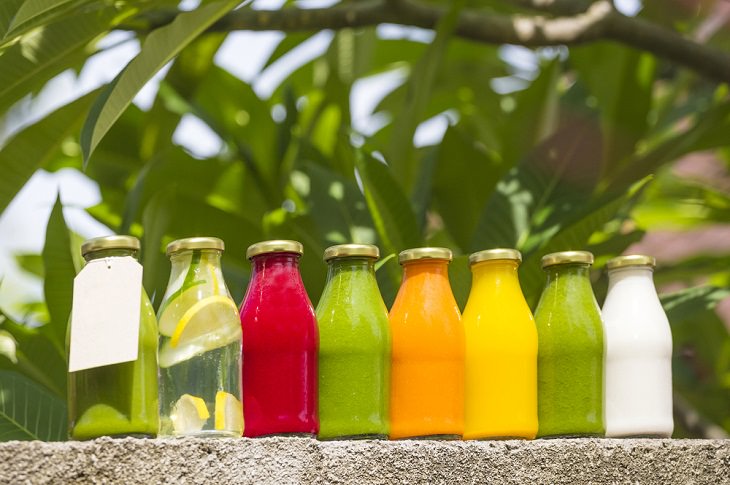
Cold-pressed juices are a new health trend.
These beverages are made from a hydraulic press that crushes and
presses the fruits and veggies to extract the maximum amount of juice
from them without using heat. This is why they have the word “cold” in
their name. More importantly, no additional heat or oxygen is used in
the process which supposedly means that no nutrients are lost.
According to the International Food
Information Council (IFIC), however, there’s no current published
research to prove that heat and air suck nutrients out from fruits and
veggies. Also, it's worth noting that even unpasteurized juices can
contain harmful bacteria and can be risky for pregnant women.
So, while you can enjoy a bottle of cold-pressed juice every now and
then, don’t expect it to be delivering any special results as there’s no
proof of its special health benefits. The safer and better option would
be to have a glass of any 100 percent juice and balance it with other
healthful foods and beverages.
2. Veggie Chips

Veggie chips are promoted as a healthier alternative to potato chips.
The fact they have “veggies” in their name makes them appear to be a
healthful snack option. But is that really the case? Not according to
health experts.
While many veggie chip brands claim that they use actual vegetables,
what they actually use is vegetable powders to give the chips an
attractive color. Unfortunately, vegetables lose most of their nutrition
properties when they're whittled down to powders. Furthermore, these
chips also have a high sodium content to help them get the same flavor
as potato chips.
Bottom line? Veggie chips aren't a substitute for fresh veggies and are
really no "healthier" than regular potato chips. Munch on some carrot or
celery sticks for a truly healthy snack.
3. Plant-based ‘meat’
These days, many companies are offering plant-based ‘meat’ alternatives
to items like beef, turkey, or chicken. Apparently, the alternative
“meat” is made entirely of plants. This has made them immensely popular
amongst vegetarians and vegans and for those looking for healthy meat
substitutes. Plant-based meats mimic animal meat’s taste and texture and
are just as tasty as “the real thing” according to those who have tried
it.
However, experts warn that while plant-based meats are a great
substitute for vegetarians and vegans, they are not always healthier.
These fake meats are often high in sodium and are also considered
processed food. Moreover, to increase their meat-like qualities, a lot
of additives are added to them which don’t exactly make them nutritious.
Many of the plant-based meat alternatives include chemical compounds
such as methylcellulose, soy leghemoglobin, and zinc gluconate. Also,
the calories and fat content in these plant-based meats aren’t exactly
much lesser than regular meat. Therefore, while you can certainly enjoy
them for their taste, don’t go for a plant-based meat diet for
health-specific reasons.
4. Organic junk food

We read the word “organic” with any food item and we immediately tend to
believe it must be the healthier choice. However, just because a food
is labeled “organic” it doesn’t automatically make it healthy. Yes,
organic foods may contain fewer pesticides, but organic junk food is
still junk food. It tends to be high in sugar, sodium, and fat, and low
in protein and fiber. Organic junk foods may also contain refined sugars
and starches that may not be good for your health in the long run.
Always remember that whether it’s organic cane sugar or high fructose
corn syrup, taking too much sugar won’t ever be right for your overall
health.
5. Granola
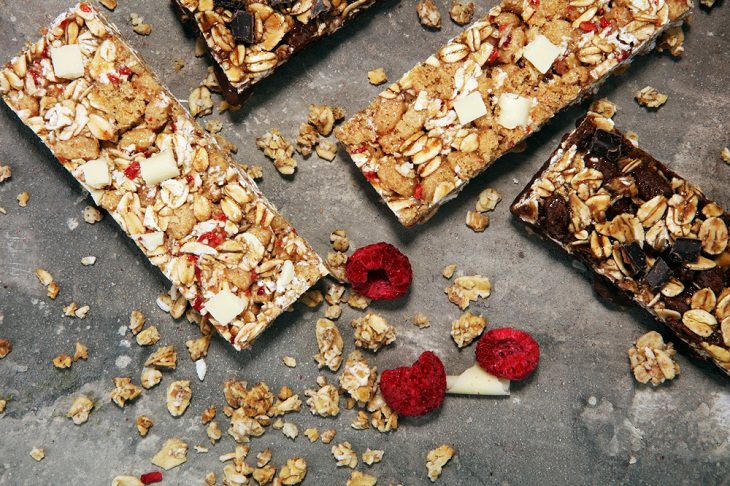
Granola has attained great popularity in
recent years as a super healthy snack option, especially for those who
are always on the go. But did you know that just a quarter-cup serving
of classic granola contains about 140 calories, along with 4 grams of
sugar and 9 grams of fat? That’s pretty similar to a cookie or other
baked treat.
So, while granola certainly has that health halo about it, the truth is
that many store-bought brands can actually add to your calorie count
because of their added sugar and solid fat. Moreover, some granola
brands also use processed oils and chocolate chips to enhance the taste
but that won’t really serve your health needs. You would be better off
going for a bowl of oatmeal with fresh fruits in its place.
6. Alkaline Water
We’re all aware that drinking plenty of
water is essential for our body and can help to ward off illnesses. In
recent times, a product dubbed “alkaline water” has been making waves
because of its supposed ability to balance the body’s pH, boost energy,
and keep illness at bay. Alkaline water is presumably less acidic than
tap water and hence better for health and fitness. This water is rich in
alkalizing compounds, such as calcium, silica, potassium, magnesium,
and bicarbonate.
Most alkaline waters have a pH of 8 or 9 while pure water has a pH level
close to 7. The theory is that drinking alkaline water neutralizes
extra acidity in the body. However, most of the time our blood maintains
a pH of 7. Excessive vomiting or diarrhea or conditions like
uncontrolled diabetes may change our pH but our bodies are more than
capable of correcting it out with quick action.
Currently, there’s no research to show that
alkaline water has any extra advantages over regular water on humans.
Moreover, when the alkaline water hits your stomach, the acids in the
guts will neutralize it. You can definitely enjoy the crisp and sharp
taste of alkaline water but don’t expect it to offer any added benefits.
7. Açai Bowls
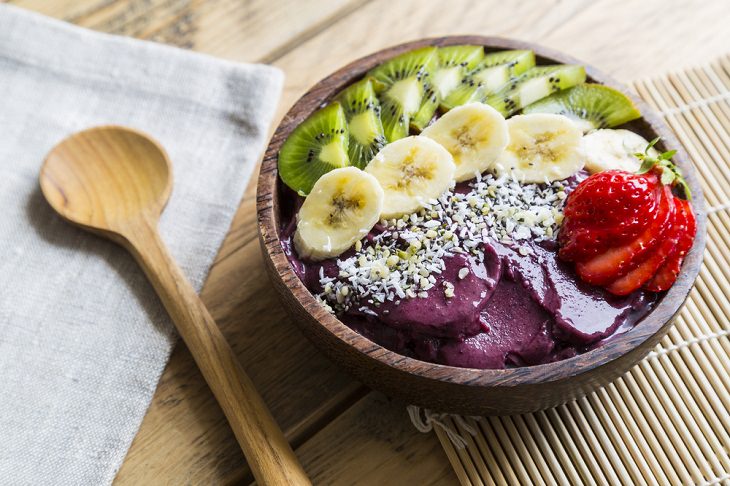 Acai bowls have reigned supreme in recent
years because of their supposed remarkable health benefits. After all,
these gorgeous looking bowls are topped with fruits like cubed mango,
granola, popped berry, and shredded coconut. But what most people don’t
realize is that these bowls mostly consist of just a puree of other
fruits, thickeners, and even dairy alternatives to enhance their
creaminess. They also contain powdered berry or some other juice
concentrate to give them their rich color.
Acai bowls have reigned supreme in recent
years because of their supposed remarkable health benefits. After all,
these gorgeous looking bowls are topped with fruits like cubed mango,
granola, popped berry, and shredded coconut. But what most people don’t
realize is that these bowls mostly consist of just a puree of other
fruits, thickeners, and even dairy alternatives to enhance their
creaminess. They also contain powdered berry or some other juice
concentrate to give them their rich color.
Acai bowls have reigned supreme in recent
years because of their supposed remarkable health benefits. After all,
these gorgeous looking bowls are topped with fruits like cubed mango,
granola, popped berry, and shredded coconut. But what most people don’t
realize is that these bowls mostly consist of just a puree of other
fruits, thickeners, and even dairy alternatives to enhance their
creaminess. They also contain powdered berry or some other juice
concentrate to give them their rich color. "In simple terms, an acai bowl is a very thick smoothie with toppings
that you eat with a spoon," says New Jersey-based chef Julie Harrington,
RD, author of The Healing Soup Cookbook.
The popularity of acai bowls increased when acai berry was categorized
as a 'superfood’. This deep purple berry is native to tropical Central
and South America and forms the base of this famous bowl. These fruits
are packed with powerful antioxidants called anthocyanins but there are
no studies to say that acai on its own can improve your health, says the
National Center for Complementary and Integrative Health. That doesn’t
mean that acai isn’t worth eating. But just don’t expect any magic from
it. Most importantly, when used in these “bowls”, the health benefits of
acai berries diminish further as the dish is packed with sugar, fat,
and other calorie-laden products.