Wednesday, February 10, 2021

You Thought These Popular Foods Are Healthy? Think Again

Have you heard of the term “health halo”? When a food item is said to have a health halo it means it is widely considered to be healthier than it actually is. Some food companies, in an attempt to make their products look more attractive and healthy, use descriptive halos – terms like ‘organic’, ‘fresh’, ‘low-fat’, or ‘homemade’ - and people fall for it.

These foods are touted for being better for our bodies and as a result, shoot up in popularity all over the world. However, if you dig deeper, you will realize that there’s no genuine evidence to back these health claims. Today, we will look at some of the supposedly healthy foods that have a misleading halo on them. From veggie chips to acai bowls, you should be wary of these 'superfoods' if you eat them for their apparent health benefits. 
 
1. Cold-pressed juice
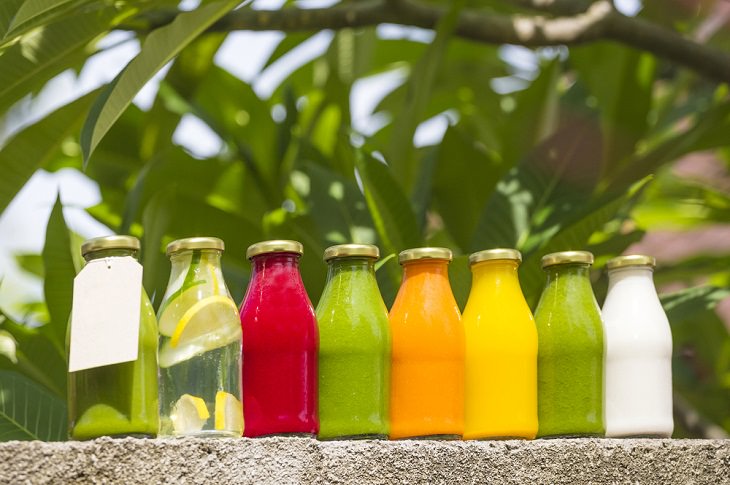
Healthy Foods with a Misleading Halo. Cold-pressed juice
Cold-pressed juices are a new health trend. These beverages are made from a hydraulic press that crushes and presses the fruits and veggies to extract the maximum amount of juice from them without using heat. This is why they have the word “cold” in their name. More importantly, no additional heat or oxygen is used in the process which supposedly means that no nutrients are lost.

According to the International Food Information Council (IFIC), however, there’s no current published research to prove that heat and air suck nutrients out from fruits and veggies. Also, it's worth noting that even unpasteurized juices can contain harmful bacteria and can be risky for pregnant women. 
 
So, while you can enjoy a bottle of cold-pressed juice every now and then, don’t expect it to be delivering any special results as there’s no proof of its special health benefits. The safer and better option would be to have a glass of any 100 percent juice and balance it with other healthful foods and beverages.
 
 2. Veggie Chips
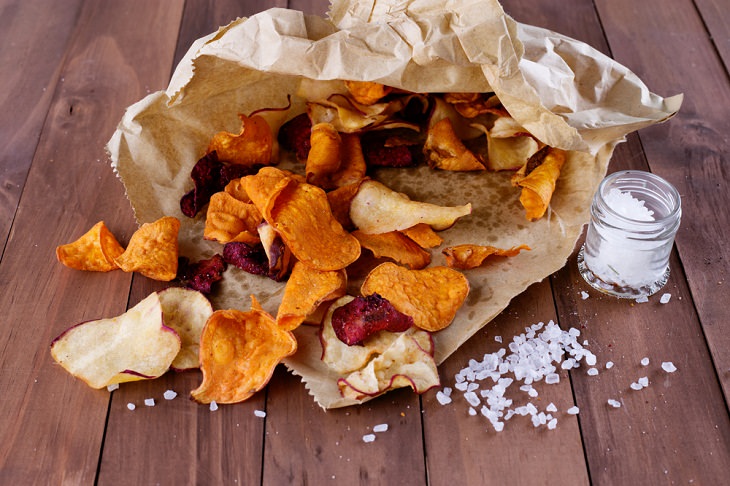
Healthy Foods with a Misleading Halo. Veggie Chips
Veggie chips are promoted as a healthier alternative to potato chips. The fact they have “veggies” in their name makes them appear to be a healthful snack option. But is that really the case? Not according to health experts. 
 
While many veggie chip brands claim that they use actual vegetables, what they actually use is vegetable powders to give the chips an attractive color. Unfortunately, vegetables lose most of their nutrition properties when they're whittled down to powders. Furthermore, these chips also have a high sodium content to help them get the same flavor as potato chips. 
 
Bottom line? Veggie chips aren't a substitute for fresh veggies and are really no "healthier" than regular potato chips. Munch on some carrot or celery sticks for a truly healthy snack. 
 
3. Plant-based ‘meat’ 
These days, many companies are offering plant-based ‘meat’ alternatives to items like beef, turkey, or chicken. Apparently, the alternative “meat” is made entirely of plants. This has made them immensely popular amongst vegetarians and vegans and for those looking for healthy meat substitutes. Plant-based meats mimic animal meat’s taste and texture and are just as tasty as “the real thing” according to those who have tried it. 
 
However, experts warn that while plant-based meats are a great substitute for vegetarians and vegans, they are not always healthier. These fake meats are often high in sodium and are also considered processed food. Moreover, to increase their meat-like qualities, a lot of additives are added to them which don’t exactly make them nutritious. Many of the plant-based meat alternatives include chemical compounds such as methylcellulose, soy leghemoglobin, and zinc gluconate. Also, the calories and fat content in these plant-based meats aren’t exactly much lesser than regular meat. Therefore, while you can certainly enjoy them for their taste, don’t go for a plant-based meat diet for health-specific reasons.

4. Organic junk food

Healthy Foods with a Misleading Halo. Organic junk food 
We read the word “organic” with any food item and we immediately tend to believe it must be the healthier choice. However, just because a food is labeled “organic” it doesn’t automatically make it healthy. Yes, organic foods may contain fewer pesticides, but organic junk food is still junk food. It tends to be high in sugar, sodium, and fat, and low in protein and fiber. Organic junk foods may also contain refined sugars and starches that may not be good for your health in the long run. Always remember that whether it’s organic cane sugar or high fructose corn syrup, taking too much sugar won’t ever be right for your overall health.

5. Granola
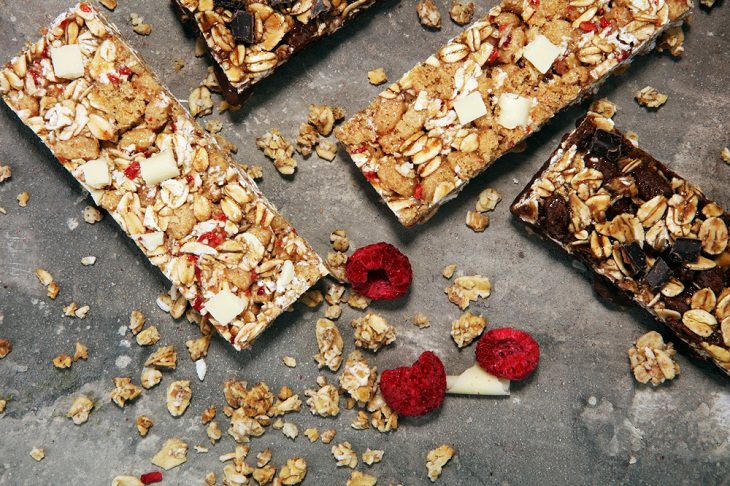
Healthy Foods with a Misleading Halo. Granola
Granola has attained great popularity in recent years as a super healthy snack option, especially for those who are always on the go. But did you know that just a quarter-cup serving of classic granola contains about 140 calories, along with 4 grams of sugar and 9 grams of fat? That’s pretty similar to a cookie or other baked treat. 
 
So, while granola certainly has that health halo about it, the truth is that many store-bought brands can actually add to your calorie count because of their added sugar and solid fat. Moreover, some granola brands also use processed oils and chocolate chips to enhance the taste but that won’t really serve your health needs. You would be better off going for a bowl of oatmeal with fresh fruits in its place.
 
6. Alkaline Water
We’re all aware that drinking plenty of water is essential for our body and can help to ward off illnesses. In recent times, a product dubbed “alkaline water” has been making waves because of its supposed ability to balance the body’s pH, boost energy, and keep illness at bay. Alkaline water is presumably less acidic than tap water and hence better for health and fitness. This water is rich in alkalizing compounds, such as calcium, silica, potassium, magnesium, and bicarbonate. 
 
Most alkaline waters have a pH of 8 or 9 while pure water has a pH level close to 7. The theory is that drinking alkaline water neutralizes extra acidity in the body. However, most of the time our blood maintains a pH of 7. Excessive vomiting or diarrhea or conditions like uncontrolled diabetes may change our pH but our bodies are more than capable of correcting it out with quick action.

Currently, there’s no research to show that alkaline water has any extra advantages over regular water on humans. Moreover, when the alkaline water hits your stomach, the acids in the guts will neutralize it. You can definitely enjoy the crisp and sharp taste of alkaline water but don’t expect it to offer any added benefits. 
 
7. Açai Bowls
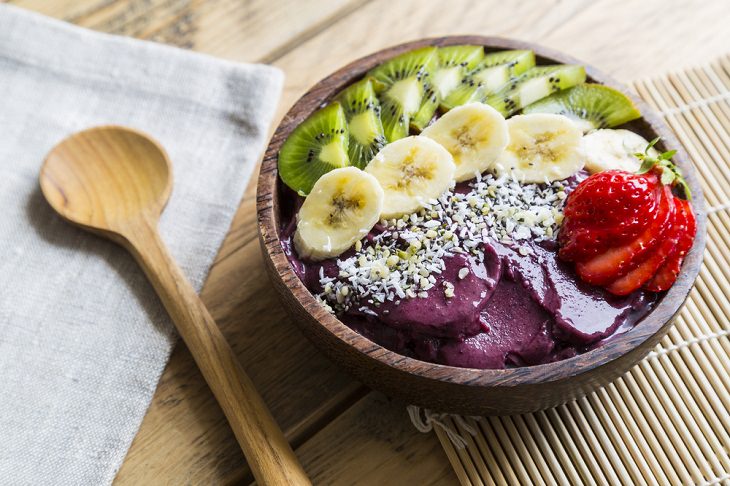
Healthy Foods with a Misleading Halo. Açai Bowls Acai bowls have reigned supreme in recent years because of their supposed remarkable health benefits. After all, these gorgeous looking bowls are topped with fruits like cubed mango, granola, popped berry, and shredded coconut. But what most people don’t realize is that these bowls mostly consist of just a puree of other fruits, thickeners, and even dairy alternatives to enhance their creaminess. They also contain powdered berry or some other juice concentrate to give them their rich color. 
 
"In simple terms, an acai bowl is a very thick smoothie with toppings that you eat with a spoon," says New Jersey-based chef Julie Harrington, RD, author of The Healing Soup Cookbook. 
 
The popularity of acai bowls increased when acai berry was categorized as a 'superfood’. This deep purple berry is native to tropical Central and South America and forms the base of this famous bowl. These fruits are packed with powerful antioxidants called anthocyanins but there are no studies to say that acai on its own can improve your health, says the National Center for Complementary and Integrative Health. That doesn’t mean that acai isn’t worth eating. But just don’t expect any magic from it. Most importantly, when used in these “bowls”, the health benefits of acai berries diminish further as the dish is packed with sugar, fat, and other calorie-laden products.

This is only for your information, kindly take the advice of your doctor for medicines, exercises and so on.     

https://gscrochetdesigns.blogspot.com. one can see my crochet creations  
https://gseasyrecipes.blogspot.com. feel free to view for easy, simple and healthy recipes    
https://kneereplacement-stickclub.blogspot.com. for info on knee replacement


Labels: , , , , , , ,

Friday, January 17, 2020

12 of the Best Non-Perishable Foods

Non-perishable foods, such as canned goods and dried fruit, have a long shelf life and don’t require refrigeration to keep them from spoiling. Instead, they can be stored at room temperature, such as in a pantry or cabinet .

They’re not only standard kitchen items but also favored by backpackers and campers who can’t bring perishable foods like fresh meats, dairy, and vegetables on the trail.

What’s more, non-perishable goods are essential in emergency situations and favored by charitable organizations that feed or give groceries to people facing homelessness or food insecurity.

Although some items like boxed macaroni and cheese are packed with preservatives and other unhealthy ingredients, quite a few nutritious non-perishable foods are available.

Here are 12 of the healthiest non-perishable foods. 


1. Dried and canned beans

With a long shelf life and high nutrient content, dried and canned beans are smart non-perishable food choices. Canned beans can be kept at room temperature for 2–5 years while dried beans can last 10 or more years, depending on the packaging .

In fact, one study found that pinto beans stored up to 30 years were considered edible by 80% of people on an emergency food use panel .

Beans are an excellent source of fiber, plant-based protein, magnesium, B vitamins, manganese, iron, phosphorus, zinc, and copper. What’s more, they pair well with most foods and make hearty additions to soups, grain dishes, and salads .


2. Nut butters
Nut butters are creamy, nutrient-dense, and delicious.

Although storage temperatures can affect shelf life, commercial peanut butter keeps for up to 9 months at room temperature. Natural peanut butter, which does not contain preservatives, lasts up to 3 months at 50℉ (10℃) and only 1 month at 77℉ (25℃) .

According to the United States Department of Agriculture (USDA), almond butter keeps for up to 1 year at room temperature while cashew butter keeps up to 3 months .

Nut butters are a rich source of healthy fats, protein, vitamins, minerals, and powerful plant compounds, including phenolic antioxidants, which are compounds that protect your body against oxidative stress and damage by unstable molecules called free radicals .

Jars of nut butter can be stored in your pantry while smaller packets can be taken backpacking or camping for an on-the-go snack. 


3. Dried fruits and vegetables
Although most fresh fruits and vegetables have a short shelf life, dried produce is considered non-perishable. When properly stored, most dried fruit can be safely kept at room temperature for up to 1 year, and dried vegetables can be kept about half that time .

You can choose from a variety of dried fruits and vegetables, including dried berries, apples, tomatoes, and carrots. You can also use a dehydrator or oven to make your own dried fruits and vegetables. Vacuum-sealed packaging can help prevent spoilage.

Dried fruits and veggies can be enjoyed as a snack or added to trail mix. Plus, dried veggies can be rehydrated by adding them to soups or stews if fresh produce isn’t available.


4. Canned fish and poultry

Although fresh fish and poultry are packed with nutrients, they’re highly perishable. All the same, canned varieties can be safely kept without refrigeration for long periods — up to 5 years at room temperature .

Tuna and other seafood products are also sold in lightweight packages known as retort pouches, which are perfect for smaller pantries and backpacking. Seafood in retort pouches has a shelf life of up to 18 months .

Chicken and other meats can be found in retort pouches as well, though you should refer to the packaging for shelf life information.


5. Nuts and seeds

Nuts and seeds are portable, nutrient-dense, and shelf-stable, making them non-perishable food staples. Favored by backpackers and hikers for high calorie snacking, they’re also great to have on hand in any situation.


On average, nuts last about 4 months when kept at or near room temperature (68℉ or 20℃), though shelf life varies greatly between nut varieties .

For example, cashews can be kept for 6 months at 68℉ (20℃) while pistachios only last 1 month at the same temperature .

Seeds have comparable shelf lives. According to the USDA, pumpkin seeds stay fresh for 6 months at room temperature .


6. Grains

Whole grains like oats, rice, and barley have a much longer shelf life than other popular but perishable carb sources like bread, making them a smart choice for long-term food storage.

For example, brown rice can be kept at 50–70℉ (10–21℃) for up to 3 months while farro lasts up to 6 months at room temperature.

Grains can be added to soups, salads, and casseroles, making them a versatile non-perishable ingredient. Plus, eating whole grains may reduce your risk of type 2 diabetes, heart disease, and certain cancers .


7. Canned vegetables and fruits
Canning has long been used to lengthen the shelf life of perishable foods, including fruits and vegetables.

The heat used during canning kills potentially harmful microorganisms, and the characteristic seal of canned foods keeps new bacteria from spoiling the contents .

The shelf life of canned fruits and vegetables depends on the type of produce.

For example, low-acid canned vegetables, including potatoes, carrots, beets, and spinach, last 2–5 years at room temperature .

On the other hand, high-acid fruits like grapefruit, apples, peaches, berries, and pineapple last just 12–18 months. The same goes for vegetables packed in vinegar, such as sauerkraut, German potato salad, and other pickled vegetables .

When shopping, choose canned fruits packed in water or 100% fruit juice rather than heavy syrup, and opt for low sodium canned veggies whenever possible.

If you’re crafty in the kitchen, consider canning at home using store-bought or garden-grown vegetables and fruits. If you don’t know how, you can consult numerous books or online tutorials.


8. Jerky

Meat preservation is a practice used since ancient times to keep protein sources from spoiling. Specifically, jerky is made by curing meat in a salt solution, then dehydrating it. Preservatives, flavorings, and other additives are sometimes used during processing.

Many types of jerky are available, including beef, salmon, chicken, and buffalo. There are even plant-based jerky alternatives made from coconut, banana, and jackfruit. That said, note that these alternatives are not nutritionally equivalent to meat-based jerkies.

Commercial jerky can be safely kept in the pantry for up to 1 year, though the USDA recommends that homemade jerky be stored at room temperature for a maximum of 2 months .

Any kind of jerky can be enjoyed in moderation, but the healthiest options are those that don’t contain added sugar, artificial flavors, or preservatives.


9. Granola and protein bars

Granola and protein bars are a go-to food for backpackers and hikers thanks to their long shelf life and nutrient composition.

Many granola bars stay fresh for up to 1 year at room temperature. Likewise, most protein bars have a shelf life of at least 1 year, though it’s best to check the label on individual products for expiration information .

What’s more, granola and protein bars can be highly nutritious as long as you choose the right kinds. Look for brands that are full of hearty ingredients, such as oats, nuts, and dried fruit, and contain minimal added sugars and artificial ingredients.


10. Soup

Canned and dried soups are an excellent choice when stocking your pantry. They’re also preferred by food donation organizations.

Most canned soups are low in acid and can last up to 5 years at room temperature. The exception is tomato-based varieties, which have a shelf life of about 18 months .

Although most dried soup mixes should last up to 1 year in storage, it’s best to check labels for expiration dates.

Choose soups that are rich in healthy ingredients like vegetables and beans, and select low sodium products whenever possible, as consuming too much added salt may harm your health.


11. Freeze dried meals

Freeze drying uses sublimation, a process in which ice is converted directly into vapor, to remove water from food so that it lasts longer at room temperature. Freeze dried meals are popular among backpackers because of their light weight and portability .

Freeze dried foods and ready-to-eat freeze dried meals are made for long-term storage — with some products boasting a 30-year taste guarantee .


Many companies, including Wild Zora and AlpineAire, make delicious, freeze-dried meals that are not only healthy but also accommodate specific dietary patterns.


12. Shelf-stable milk and nondairy milk

While fresh milk and some nondairy alternatives like almond and coconut milks have to be refrigerated, shelf-stable milk and many nondairy milks are made to keep at room temperature.

Shelf-stable or aseptic milk is processed and packaged differently than regular milk because it’s heated to higher temperatures and packed in sterile containers .

One study found that shelf-stable milk had a shelf life of up to 9 months when kept at 40–68℉ (4–20℃) .

Plant-based drinks like soy milk packaged in flexible materials, including plastic, paper, and aluminum, similarly last up to 10 months, while canned coconut milk keeps up to 5 years at room temperature.

Shelf-stable and plant-based milks can be used when refrigeration isn’t available. Powdered milk is a good alternative, with an estimated shelf life of 3–5 years when kept in a cool, dark place. It can be reconstituted with clean water in small portions as needed .

.
The bottom line

Non-perishable foods last a long time without spoiling and are necessary for numerous situations.

Whether you want to donate items to charitable organizations, prepare for potential emergencies, purchase backpacking-friendly products, or merely stock your pantry, you can choose from an abundance of healthy foods that don’t require refrigeration.


This is only for your information, kindly take the advice of your doctor for medicines, exercises and so on.     
https://gscrochetdesigns.blogspot.com. one can see my crochet creations  
https://gseasyrecipes.blogspot.com. feel free to view for easy, simple and healthy recipes    
https://kneereplacement-stickclub.blogspot.com. for info on knee replacement


Labels: , , , , , , , , , , , , , ,

Sunday, November 04, 2018

10 Foods High in Sugar

A word of caution before you proceed: You'll probably find some of your favorite foods on this list. Now, before you get irritated, remember the old adage: everything in moderation! Sugars should be limited to 36 grams a day for men and 24 grams for women, as stated by the American Heart Association. This is a reasonable goal considering that foods high in sugar can cause weight gain, metabolic issues, and problems with your heart. Below are 10 surprising foods that are high in sugar: 
 
1. Yogurt
You may as well eat a candy bar as opposed to a carton of yogurt. Don't be fooled by its small size either. A typical low-fat strawberry yogurt contains 26 grams of sugar per serving. A better option would be plain yogurt, which has zero added sugar, or Greek yogurt, which contains nearly twice the amount of protein. You can also add fresh fruit and a handful of nuts. This will give your body the healthy fats and energy it needs. 
2. Instant oatmeal
It's incredible to think that a wholesome bowl of oatmeal can have too much sugar. On its own, oatmeal is healthy - though be selective in the variety you buy as some of them have upwards of 14 grams of sugar per packet! An equally delicious and convenient alternative is to make overnight oats using one half-cup of whole oats with a half-cup of milk. Soak them overnight in the fridge and you will have perfectly fluffy oats. You may also heat it up or eat them cold. For a tastier version, stir in nuts, fruit, chia seeds, and other spices. 
3. Salad dressing
Fat-free or low-fat salad dressings may seem like a great alternative when you are trying to watch your weight. But, when fat is removed, it is generally replaced with sugar. Some versions can contain as much as 12 grams of sugar in two tablespoons. 

4. Sports and energy drinks
If you're suffering from an afternoon slump, you may reach for a sports or energy drink because they give us a boost to our energy. But all that boost comes from sugar and caffeine. In fact, one serving contains 14 or more grams of sugar. As such, these drinks are intended for people who have just completed an intense 60-minute workout or an endurance run of 90 minutes. 
5. Non-dairy milk
Cow's milk has naturally occurring sugar from lactose, but non-dairy milk offerings can be packed with sugar. There are some varieties of soy milk, for instance, that contain up to 14 grams of added sugar. So, if you're trying to limit foods high in sugar or have lactose intolerance, be sure to look for unsweetened varieties. 
6. Smoothies
Most of us believe that a fruit or veggie smoothie is healthier than a can of soda, but in reality, smoothies are another source of sugar that we often forget because they're packed with fruits and other ingredients that are beneficial to our health. But, what appears to be a healthy beverage may have sweeteners added to them to enhance their natural flavor. In fact, some smoothies may contain a whopping 60 to 70 grams of sugar. So before you place your order, check to see the nutrition facts.  
7. Granola
Granola is perceived to be an original health food - it is made of fruit, berries, seeds and whole grains. But don't let the natural stuff fool you. Granola is often made with maple syrup, molasses and lots of honey. If you can't live without your granola each morning, look for brands that contain fewer grams of sugar and more grams of fiber. Fiber helps slow the absorption of simple carbohydrates, or sugar, that can help contribute to your satiety too. 
8. Dried fruit
Fruit is a source of natural sugars. But, it is also a good source of healthy vitamins, minerals, and fiber. So, you may be thinking, what is unhealthy about fruit that is dried, cut up and ready to eat? This healthy snack can have as much sugar as a candy bar. Dried fruit is compact making it pretty easy to eat through an entire pack. For instance, while you won't eat five whole apricots, it's pretty easy to eat five dried apricots. So look for dried fruit with little or no added sugar, or opt for fresh fruit instead. 
9. Frozen meals
Popping a low-fat or a light frozen entree in the microwave may seem like a quick and easy way to stay within your calorie intake. But, when some meals contain 20 to 40 grams sugar per serving. This affects your blood sugars, which consequently, may not be worth the convenience. When manufacturers remove the fat, they have to replace it with something, and that is usually, sugar and salt. Your best bet would be to stay clear of frozen dinners that are smothered in sauces or condiments. 
10. Snack bars
Snack bars can be rather deceiving. If you opt for snack bars labeled nutritious with words like whole grains, fiber and vitamins, and minerals, what is not said is just how much sugar snack bars contain, some, more than regular candy bars. Some snack bars contain as much as 20 grams of sugar and 200 to 250 calories per bar. For this reason, it's best to choose a bar that has fewer than 150 calories, and a minimum of five grams of fiber. Be sure to check the ingredient list, sussing out refined grains, low fiber and added sugars that could spike your blood sugar level. 

THIS IS ONLY FOR INFORMATION, ALWAYS CONSULT YOU PHYSICIAN BEFORE HAVING ANY PARTICULAR FOOD/ MEDICATION/EXERCISE/OTHER REMEDIES.                                                                                                                                                                                                       PS- THOSE INTERESTED IN RECIPES ARE FREE TO  VIEW MY BLOG-                                                                                           https://gseasyrecipes.blogspot.com/   

FOR INFO ABOUT KNEE REPLACEMENT, YOU CAN VIEW MY BLOG-                                                                                          https:// kneereplacement-stickclub.blogspot.com/                              

FOR CROCHET DESIGNS                                                                                                                                                                                                                                 https://gscrochetdesigns.blogspot.com


Labels: , , , , , , , , , , , , ,