Tuesday, February 23, 2021

Can't get your second COVID shot on time? Here's what experts want you to know

People are lining up to get their second COVID-19 vaccine shots
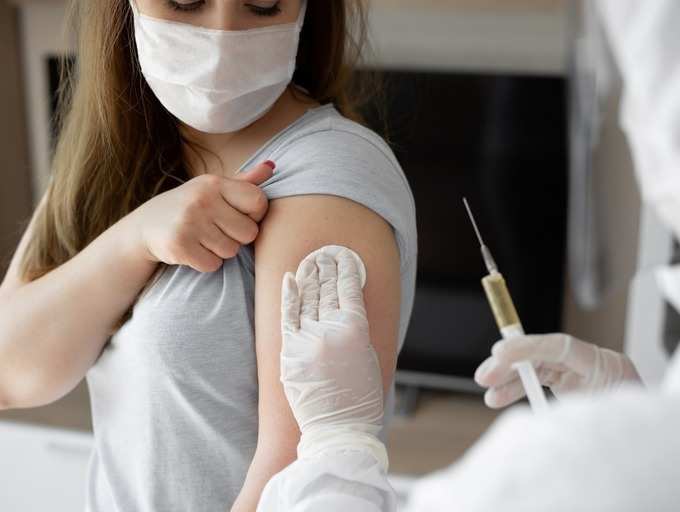
In just a little over two months, millions of people have been successfully vaccinated against novel coronavirus.

Many, including the ones in India, are waiting in line to get their second COVID shot, which is crucial to garner full-term protection and efficacy.

While getting both shots of the COVID vaccine is vital, experts are seeing a dip in the number of people turning up to get their shots. Vaccine hesitancy, fear of side-effects, mismatched schedules and unavailability are currently some of the reasons why doses are being missed.

The tight crunch of vaccine supplies is also forcing many to skip out on receiving timely doses. 

Here's what you should know
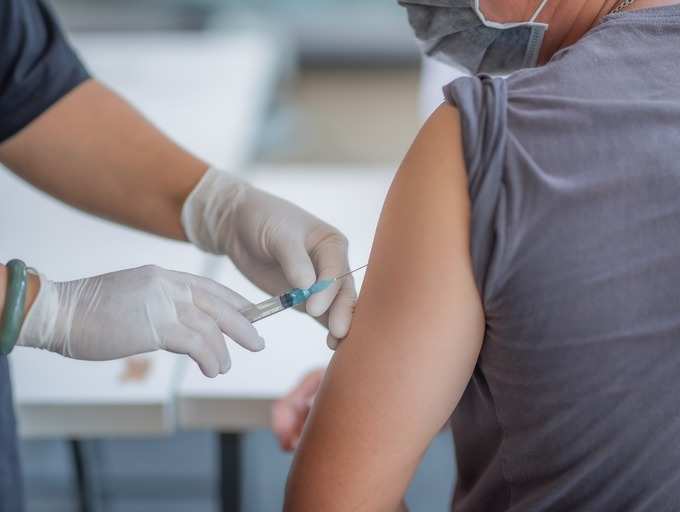
Missing doses as per your turn may render the vaccine not working fully well. For any vaccine to work well, it's also important that they are administered in a given window, mentioned on the fact-sheet.

Therefore, if a person misses out on the second shot, or fails to get the shot in time, it can lead to difficulties.

However, there might still be ways to secure full protection against COVID-19, which is still claiming lives. If you are scheduled to get your second COVID-19 dose or maybe contemplating missing the date, here's what officials want you to know

Why are COVID-19 vaccines administered two doses apart?
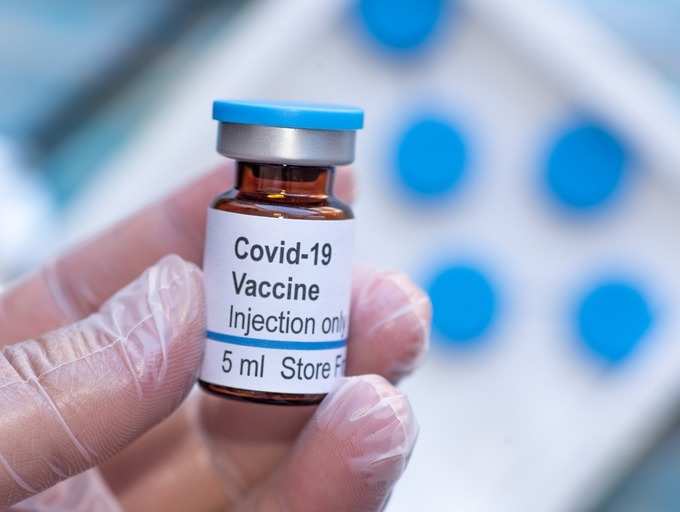
Most vaccines being administered right now, in India and other countries are offered as a two-dose regime, which requires people to turn up for a repeat vaccine dose weeks after the initial jab is offered.

While a single dose regimen can save up supplies and speed up the process, vaccine doses administered weeks apart help strengthen immunity and generate antibodies needed to offer protection against COVID-19.

Can the second shot be delayed?
Under the current guidelines, two full doses of the vaccine are needed to offer full protection against the deadly virus. It should be noted that while a single dose of the vaccine can also offer some level of protection, a second dose will offer full efficacy right now. For example, if a vaccine has an established rate of 94%, the initial dose may offer 60% protection, while getting the second dose will help a person secure the full established level of efficacy, which is 94%.

In many cases, getting the second dose of the vaccine can also strengthen antibody count for those who may have an ill-functioning immune system, or compromised immunity, who may not see the vaccine working desirably well with the first jab. 

Time delay can also differ, based on vaccines
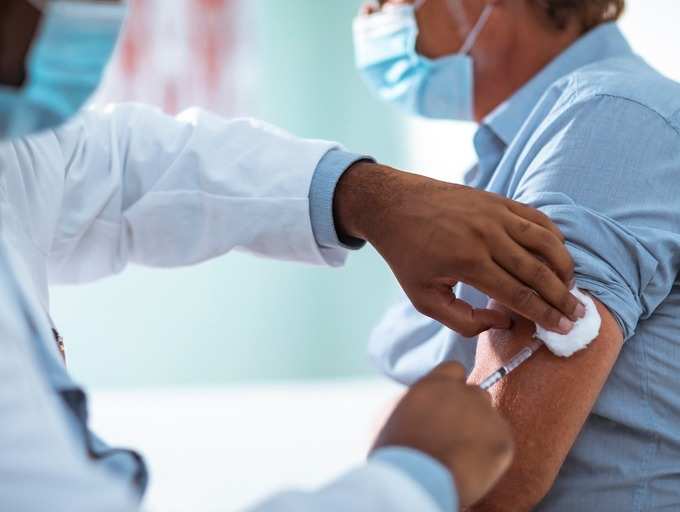
The waiting window between vaccine doses can also differ based on the type of vaccine you are administered, and the ingredients in it.

In India, right now, the two vaccines which are being used right now are traditional vaccines, which are meant to be dosed 4-6 weeks apart for maximum efficacy.

In comparison to this, the mRNA vaccines, such as Moderna's and Pfizer's have a shorter waiting time. Pfizer's second shot is to be administered 21 days after the first dose, while Moderna's shot is to be given exactly 28 days after the first shot.

Will getting a vaccine after delayed time spoil its efficacy?
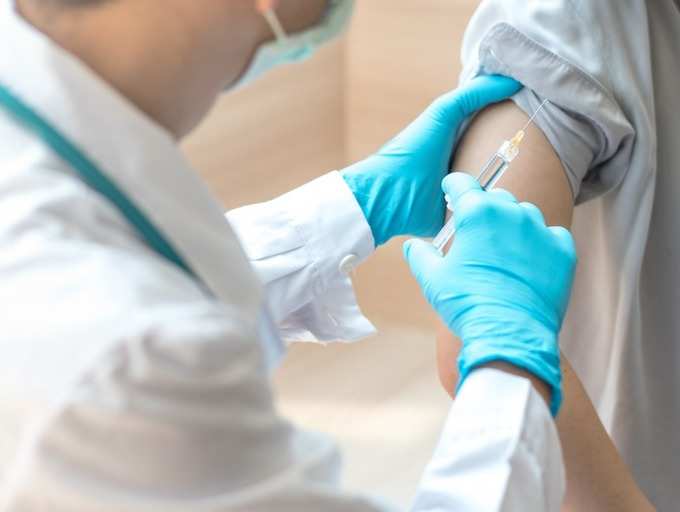
There's a huge doubt which concerns people who may miss their vaccine dose right now.

While vaccines have an ideal 'recommended' time period of inoculation (3-6 weeks, as mentioned above), there's no denying that not getting a second shot, or a delay in the second shot will render the vaccine completely ineffective.

The Centres of Disease Control and Prevention, (CDC) in a previous statement has also talked about the same. Accounting for miscellaneous gaps and unavailability of vaccines, officials say that while it may be ideal that vaccines are injected "as close to the recommended interval", the vaccine doses can still be delayed upto a while.

Some vaccines can be used for longer, say experts
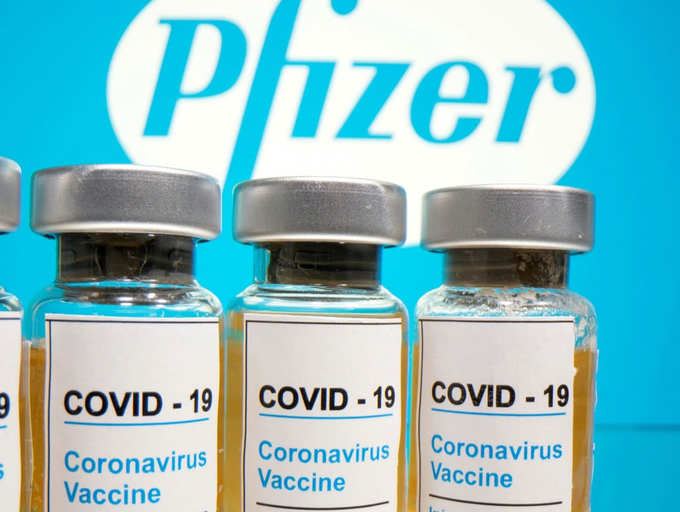
For example, the newest data on Pfizer's vaccine model suggests that the vaccine can be administered 6 weeks apart as well. However, right now, there's limited study to suggest how it would affect the efficacy or protection rate.

Similar guidelines also exist for homegrown vaccines right now.

The important thing, as experts suggest is that people DO get the second dose, even in cases of delay. Side-effects and availability shouldn't stop you from getting the second dose. Only a second dose will garner you full, effective protection against the deadly virus.

It should also be noted that six weeks is the maximum time scientists and medical experts have established for now. It is yet unknown how effective a vaccine would be if administered after the six-week window.

It is also crucial that people oversee that they are getting the same vaccine, as they did before. Mixing vaccine doses or supplies may not give desirable results.

Can you get it earlier than the recommended time?
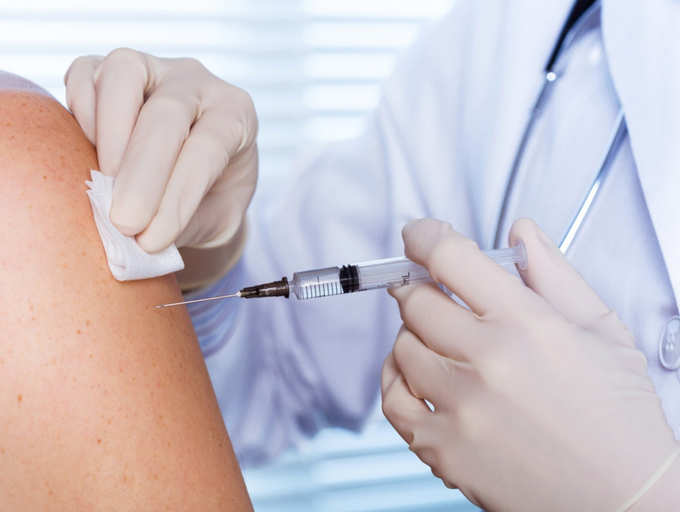
Unavailability and gaps may also prompt people to schedule their second vaccine appointment earlier than the stipulated date. This is one mistake CDC has advised people to not do.

Do remember that our immune system takes a while to work. It can take anywhere between a week to two, after the first shot for the body to start building up antibodies. Hence, second doses are best administered after a while. There's also not credible scientific proof available right now which promotes the administration of a vaccine dose before time. Therefore, it's best advised to wait for your turn, see how your body reacts and then get the shots.

Waiting for 2-3 weeks after the first dose will also help you observe for any unpleasant side-effects, which may force you to delay or postpone the second shot. Hence, follow your doctor's advise diligently, and do not take any action which harms the working of your vaccine right now.

This is only for your information, kindly take the advice of your doctor for medicines, exercises and so on.     

https://gscrochetdesigns.blogspot.com. one can see my crochet creations  
https://gseasyrecipes.blogspot.com. feel free to view for easy, simple and healthy recipes    
https://kneereplacement-stickclub.blogspot.com. for info on knee replacement


Labels: , ,

Monday, December 30, 2019

Everything New Scientists Learned About Hypertension in 2019

Hypertension, or high blood pressure, is one of the most prevalent health conditions in the world, affecting 1 in 4 men and 1 in 5 women on a worldwide scale according to the World Health Organization. Nearly 1.13 billion people in the world are suffering from the condition, and less than half have the condition under control, which is very alarming given that high blood pressure is known to contribute to heart attacks and heart failure, stroke, and kidney failure.
Needless to say, the scale of this global problem makes it the subject of continuous research, and every year, scientists learn more about the causes and ways to treat and prevent hypertension. Here are the most intriguing and noteworthy hypertension research findings of 2019:

1. Taking Midday Naps Can Help Reduce Blood Pressure

An afternoon nap may be as effective as other lifestyle changes (e.g. cutting out alcohol from your diet) at reducing your blood pressure - found a Greek study published in early March of 2019. The scientists measured an average 5.3 mm Hg drop in systolic blood pressure of the study participants, who were diagnosed with pre-hypertension and had an average 129.9 mm Hg systolic blood pressure.
This is a significant drop in blood pressure since a difference as small as 2 mm Hg can sometimes be the deciding factor of whether or not someone suffers a heart attack or other cardiovascular emergencies. So, if you have the luxury of taking a quick midday-nap, take the chance every time, and your heart and cardiovascular system will thank you for it.

2. Moderately High Blood Pressure May Be Actually Beneficial to Some

Another European study, this time from Germany, challenged what we consider 'normal blood pressure' in adults past the age of 80. This longitudinal study was published in July of 2019, and it discovered that it may actually be better NOT to lower blood pressure below 140/90 since they found that blood pressure below that margin increased the risk of death in the population that was 80 and older by 40%.

3. Spirulina Supplements Are Capable of Reducing Blood Pressure

Spirulina is a popular 'superfood' supplement people take for various reasons starting from weight loss to metabolic issues and immune health. Essentially, the product is the dried biomass of the marine bacterium Spirulina platensis, which happens to be rich in a number of nutrients, vitamins, and protein while being very low in calories.
Among the most common uses of spirulina is as a contributing treatment of hypertension, and a recent study did not just find that it is capable of reducing blood pressure, but also explained why that is the case. The researchers discovered a specific protein that our body produces as a result of digesting spirulina. This protein, named SP6, causes blood vessels to relax, and the authors suggest that it may be developed into a new, even more effective, treatment of hypertension.

4. Your Oral Health Affects Blood Pressure, Too

image.gif
A beautiful smile may not just be the reflection of your oral health and impeccable oral hygiene, but it can also reveal your risks of hypertension. One study published in September showed that the presence of gum disease, or periodontitis, can increase one's risk of high blood pressure by 49%. The more advanced the gum issue, the more likely you are to suffer from hypertension - the authors of the study concluded.
Another study also linked the use of antibacterial mouthwash that contained the chemical called chlorhexidine with increased blood pressure just after one week of use. The researchers suggest that the antibacterial agent kills beneficial mouth bacteria, which produce an important chemical that naturally relaxes the blood vessels called nitric oxide. So. maybe using mouthwash isn't worth it, after all.

Labels: , , , , , , , , , , , ,

Monday, November 18, 2019

Machine-Learning Models Can Help Detect Sepsis in Newborns Earlier

The world can be a harsh place, particularly in the first few months after a baby is born. During those precious moments, a newborn is exposed to a flurry of new experiences and stimuli including, unfortunately, foreign bacteria. Sepsis, the result of a bacterial infection in the circulatory system, is a major cause of infant mortality even in developed nations.

Rapid diagnosis of ill babies is important but can be a challenge in hospitals due to ambiguous clinical signs and test inaccuracies. Now, researchers at the Children’s Hospital of Philidelphia (CHOP) have found that by feeding machine-learning models regularly collected clinical data, they could identify cases of sepsis in newborns hours before they usually would. The research team published its findings in the journal PLOS ONE.


Quick Learners

To develop machine-learning models capable of detecting sepsis, the research team trained algorithms on retroactive sets of data with the goal of identifying sepsis at least four hours before clinicians had suspected the illness.

Using electronic health record data, such as vital signs like blood pressure and temperature, from 618 infants in the CHOP neonatal intensive care unit from 2014 to 2017, the team trained eight machine-learning models to compare vital signs to 36 potential indicators of infant sepsis. Because the data was retroactive, the research team was able to compare the machine-learning models’ accuracy to clinical findings. Of the eight models, six were able to accurately identify cases of sepsis up to four hours earlier than clinicians had.


Dr.Algorithm
The team concluded that with additional data to train on the models could become even more accurate over time. “Because early detection and rapid intervention is essential in cases of sepsis, machine-learning tools like this offer the potential to improve clinical outcomes in these infants,” said Aaron J. Masino, lead author of the study. According to Masino, the team’s findings are a key step in developing a real-time tool for use in hospitals. By following up with more clinical studies the team plans to evaluate the effectiveness of such a system in the hospital setting.


this is only for your information, kindly take the advice of your doctor for medicines, exercises and so on.     
https://gscrochetdesigns.blogspot.com. one can see my crochet creations  
https://gseasyrecipes.blogspot.com. feel free to view for easy, simple and healthy recipes    
https://kneereplacement-stickclub.blogspot.com. for info on knee replacement


Labels: , , , , , , , , , , , ,

Thursday, September 19, 2019

Childhood trauma increases the chance of delivering baby early in life and outside of marriage

While childhood trauma is known to have poor impact on a woman’s midlife health, a new study has uncovered the reason behind it and found that these females are more likely to have their first child both earlier in life and outside of marriage – factors associated with poorer health later in life.

These results suggest that early trauma – such as the death of a parent, physical abuse or emotional neglect – may affect young people’s decision-making in ways that they can’t entirely control.

“It’s easy to tell teens that they shouldn’t have kids before marriage, but the message won’t be effective if they haven’t developed the capacity to do that because of the trauma they experienced in childhood,” said lead author.

Previous research has shown that childhood trauma is strongly associated with multiple health risks, including cancer, diabetes, stroke and early death, she said.

Much of this work has focused on how early adversity may have biological and neurological effects that would lead to worse health throughout life.

“But there hasn’t been any attention given to how childhood adversity may affect social and developmental processes in adolescence and young adulthood – factors that we know are also strong predictors of later health,” she added.

One of those factors in women is the timing and context of first birth.

Data for this study came from the 1979 National Longitudinal Survey of Youth, which includes a representative sample of people who were aged 14 to 22 in 1979.

Participants were interviewed every year through 1994 and once every two years since. The final sample for this study included 3,278 women.

Each participant reported whether she experienced one or more of six adverse childhood experiences before age 18: emotional neglect, physical abuse, alcoholism in the home, mental illness in the home, death of a biological parent and parental absence.

The researchers examined data on how old each participant was when she first gave birth and whether she was married, cohabiting or neither. Finally, participants rated their health at or near age 40.

Findings showed that each additional childhood trauma experienced by the participants was associated with earlier age at first birth and a greater probability for a first birth during adolescence or young adulthood compared to later (age 25 to 39).

In addition, each additional trauma was associated with a 24 per cent increase in the probability of being unmarried and not cohabiting at first birth compared to the likelihood that they were married when their first child was born.

Researchers then conducted statistical tests that showed early and non-marital births were a key reason why children who experienced trauma were more likely to report poorer health at midlife.
“Childhood trauma leads to social and biological risks that lead to early and non-marital birth which can lead to health problems later in life,” she explained.

She added “when people experience traumas early in life, they are less likely to make those positive choices.

this is only for your information, kindly take the advice of your doctor for medicines, exercises and so on.   
https://gscrochetdesigns.blogspot.com. one can see my crochet creations 
https://gseasyrecipes.blogspot.com. feel free to view for easy, simple and healthy recipes    
https://kneereplacement-stickclub.blogspot.com. for info on knee replacement


Labels: , , , , , , , , , , ,

Saturday, September 14, 2019

New blood test can detect ovarian cancer up to two years faster

A new blood test can now detect signs of ovarian cancer up to two years earlier than the time taken for diagnosis of the disease at present, with scientists having identified key proteins’ markers associated with the deadly disease.

The scientists  have discovered that the presence of a biomarker panel — four proteins put together — indicates the possibility of Epithelial Ovarian Cancer (EOC).

The new blood test will identify this biomarker panel for detection of ovarian cancer up to two years faster.

Most ovarian cancers are EOC, which forms in the tissue covering the ovary. If EOC is diagnosed at stage I, there is 90 per cent chance of surviving for at least five more years, while it is 22 per cent if diagnosed at stage III or IV.

“The algorithm designed will screen the blood sample and flag any abnormal levels of the proteins associated with the cancer. The screening test identifies ovarian cancer up to two years before the current tests allow,” says a statement from the lead researcher.

Seven-year study

For the research, the scientists had collected blood samples from 80 women — 49 with EOC and 31 with no family history of EOC and no diagnosis of cancer — over a period of seven years.

“Around half of ovarian cancer cases are picked up at a late stage, when treatment is less likely to be successful. Developing simple tests like these that could help detect the disease sooner is essential,” the statement quoted by a researcher.

Third most common cancer among Indian women

Ovarian cancer is reportedly the third most commonly detected cancer among Indian women and the seventh most common cancer in the world.

Gene variants BRCA1 and BRCA2 increase the risk of ovarian cancer.

According to a study published last year, the rate of ovarian cancer in India increased substantially by 28.6 per cent between 1990 and 2016.

In 2016, there were nearly 26,000 new cases of ovarian cancer, apart from 76,000 already prevalent cases. The number of new cases was highest in Kerala, followed by Delhi, Arunachal Pradesh and Punjab that year.


this is only for your information, kindly take the advice of your doctor for medicines, exercises and so on.   
https://gscrochetdesigns.blogspot.com. one can see my crochet creations 
https://gseasyrecipes.blogspot.com. feel free to view for easy, simple and healthy recipes    
https://kneereplacement-stickclub.blogspot.com. for info on knee replacement


Labels: , , , , , , , ,