Wednesday, October 06, 2021

Here's how regular exercising helps reduce the risk of dementia

Here's how regular exercising helps reduce the risk of dementia

Dementia is a form of serious brain damage that impairs cognitive and brain function, entailing symptoms like memory loss, impairment in the ability to think, or behave rationally. While the condition can lead to a great level of emotional disbalance and impairs daily functioning, a lot of studies have now found that there are a lot of factors, including lifestyle changes which help mitigate one's risk of developing dementia. Exercise, too, works as a great non-medicinal preventive strategy which can lessen the chances of developing dementia at an early stage.

Here's how

While we all know about the benefits of exercising everyday and working out, scientists believe that some form of exercise, done everyday, is also a great boost to our brain function and mental well-being. In fact, the risk of dementia could also be combated by including even the simplest form of exercise, such as walking. 

Exercise increases and improves blood flow
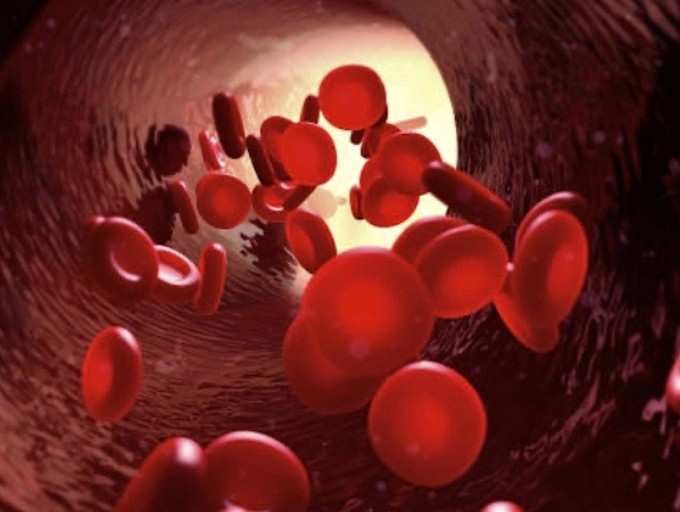
Stretching, flexibility or aerobic exercises allows the blood vessels to be less rigid while increasing the blood flow across the body and reducing the blood pressure level. However, if the brain receives an ample amount of oxygenated blood it can prominently reduce the risk of cognitive decline or vascular dementia.

Neurological benefits

Exercising has been proven to be preventive towards neurological issues and effectively promotes the growth of new nerve cells.

​Helps one maintain a nutritious diet

If a person exercises better, then he/she would definitely opt for a food option that is more satiating and nutritious. No doubts in the fact that more exercising aids the digestion process and hence causes hunger. This improvement in the food and diet habits can allow proper growth of brain cells and its functions.

Combating Alzheimer related problems
While there's no one specific cause of dementia, Alzheimer's is often looked at as a great risk factor which contributes to the risk of developing Dementia. As studies have proven, exercises are effective in combating and reducing the amount of cell damage in the brain during Alzheimer's, and thus, improve your brain health and age-related problems to an extent.

​What type of exercises should one perform?

Both indoor and outdoor exercises and exposure have been known to boost brain health and offer neurological benefits. Having said that, there are a few particular exercise forms and routines which offer therapeutic benefits:

Brain exercises

The increased level of brain exercises can help to form new or strengthen links between the brain cells which is very vital for protecting the brain. Try including brainy tasks, board games, educational things, reading books or solving puzzles.

​Music- related activities

Try including music into your life. Music not only exercises your brain but also soothes and calms the mental pressure which can lead to brain cell damage. You can even learn music as your second language.

Y​oga

Yoga is very effective in improving the cognitive impairment of the brain. If a person who’s already suffering from dementia performs yoga or meditation then it is proven to result in less atrophy in the hippocampus region of the brain and therefore have a more balanced mood and show positive cognitive growth. Yoga shows a wide range of improvements in the body and brain functions, from being effective in curing depression to keeping your body organ safe and healthy.

Brisk walk

In many cases the cause of dementia is found to be high blood pressure, heart ailments, and damaged blood vessels. However brisk walking can help you in keeping up with your cardiovascular health, while lowering the blood pressure and less vascular damage. It will help your body to transfer more oxygenated blood to the brain promoting several positive effects.

This is only for your information, kindly take the advice of your doctor for medicines, exercises and so on.   

https://gscrochetdesigns.blogspot.com. one can see my crochet creations  
https://gseasyrecipes.blogspot.com. feel free to view for easy, simple and healthy recipes    
https://kneereplacement-stickclub.blogspot.com. for info on knee replacement


Labels: , , , , , , , , , , , ,

Wednesday, October 26, 2016

Air pollution may cause blood vessel damage

A new study has found that exposure to fine particulate matter may cause blood vessel damage and inflammation among young, healthy adults. This is according to scientists, who have found how air pollution contributes to cardiovascular disease and related deaths.

For the study, researchers studied the component of air pollution known as fine particulate matter (PM2.5) - the tiny pieces of solid or liquid pollution emitted from motor vehicles, factories, power plants, fires and smoking.

They found that periodic exposure to fine particulate matter was associated with several abnormal changes in the blood that are markers for cardiovascular disease.

As air pollution rose, they found small, micro-particles indicating cell injury and death significantly increased in number; levels of proteins that inhibit blood vessel growth increased; and proteins that signify blood-vessel inflammation also showed significant increased.

“These results substantially expand our understanding about how air pollution contributes to cardiovascular disease by showing that exposure is associated with a cascade of adverse effects,” said study lead author C Arden Pope professor at Brigham Young University in the US.

“These findings suggest that living in a polluted environment could promote the development of high blood pressure, heart disease, and stroke more pervasively and at an earlier stage than previously thought,” said Aruni Bhatnagar, professor at the University of Louisville in the US.

“Although we have known for some time that air pollution can trigger heart attacks or strokes in susceptible, high-risk individuals, the finding that it could also affect even seemingly healthy individuals suggests that increased levels of air pollution are of concern to all of us, not just the sick or the elderly,” Bhatnagar said.

Study participants included 72 healthy, non-smoking, adults. Their average age was 23, most were white, and more than half were male.
During the winters of 2013, 2014, and 2015, participants provided blood samples, which researchers then tested for markers of cardiovascular disease.

Researchers were able to evaluate these informative blood markers with various levels of air pollution.

However, they noted that the third study year, 2015, was relatively unpolluted, which could have affected the results.

The study was published in the journal Circulation Research. 

this is only for your information, kindly take the advice of your doctor for medicines, exercises and so on.

https://gscrochetdesigns.blogspot.com. one can see my crochet creations
https://gseasyrecipes.blogspot.com. feel free to view for easy, simple and healthy recipes

https://kneereplacement-stickclub.blogspot.com. for info on knee replacement

Labels: , , , , , , , , , ,

Friday, August 26, 2016

Inexpensive Diabetes Drug May Fight Heart Disease

A low-cost drug commonly prescribed for Type 2 diabetes may slow the development of heart disease in patients with Type 1 diabetes, a new study has claimed.

Metformin is an inexpensive treatment that is often used for Type 2 diabetes to lower blood sugar levels by reducing glucose production in the liver.

The drug is not regularly given to patients with Type 1 diabetes.

However, for the first time, a clinical trial by researchers from Newcastle University in the UK has shown that metformin can promote a patient's ability to repair their own damaged blood vessels by increasing vascular stem cells.

Heart disease is the leading cause of illness in diabetic patients, accounting for more than half of all fatalities.

Metformin may be used to lower Type 1 diabetic patients' risk of developing this complication, researchers said.

"Metformin could routinely be used by patients with Type 1 diabetes to help lower their chances of developing heart disease, by increasing a repair mechanism created by vascular stem cells released from the bone marrow," said Jolanta Weaver from Newcastle University.

"Our research is an exciting step forward as it may have positive clinical implications for patients with increased risk of cardiovascular disease by improving their treatment options," said Weaver.
ADVERTISEMENT
x

"Our findings also show that the cells associated with damaged blood vessels were reduced, confirming that the repair of blood vessels was taking place in our patients," she added.

Researchers studied a treatment group of 23 people aged 19-64 who had Type 1 diabetes for up to 23 years and had no evidence of heart disease.

Patients were given metformin at a dose they could tolerate, between one to three tablets a day, for eight weeks. Participants were advised to adjust their insulin to keep blood glucose levels safe.

Scientists measured patients' stem cells directly in the blood and also grew stem cells in a test tube, observing how they behaved. Another cell type was also counted to assess damaged blood vessels.

The participants were matched with nine patients within the same age bracket who took standard insulin treatment and 23 healthy non-diabetic people aged 20-64.

Type 1 diabetes is a lifelong autoimmune condition that develops when the pancreas does not produce any insulin, causing a person's blood sugar level to become too high.

"We have shown that all our patients in the study had their insulin doses reduced after taking metformin and have not suffered any serious adverse effect," said Weaver.

The findings were published in the journal Cardiovascular Diabetology.


this is only for your information, kindly take the advice of your doctor for medicines, exercises and so on.
https://gscrochetdesigns.blogspot.com. one can see my crochet creations
https://gseasyrecipes.blogspot.com. feel free to view for easy, simple and healthy recipes

https://kneereplacement-stickclub.blogspot.com. for info on knee replacement

Labels: , , , , , , , ,