Wednesday, January 01, 2025

Vitamin B12 Deficiency Signs On Feet: 7 Indicators You Don't Have Enough Vitamin B12

Vitamin B-12 Deficiency Symptoms: Vitamin B12 plays the most important role in enabling the nerves of the body to function optimally. It also helps in red blood cell production and DNA synthesis. While an acute Vitamin B12 deficiency is not always visible in the body, there are certain abnormalities that a lack of this vitamin can cause. In this article, we discuss the top 7 such signs and symptoms of vitamin b12 deficiency that are visible on the feet.

Warning Signs of Vitamin B12 Deficiency In Feet

Are you suffering from Vitamin B12 deficiency? Look out for these signs and symptoms in your feet: 

Feet Tingling

One of the first indications of a Vitamin B12 deficiency that can be felt in the feet is tingling or numbness. This feeling is often described as "pins and needles" and can result from nerve damage due to a shortage of this vital vitamin. 

Changes in Skin Color of The Feet

Another important sign to watch for is a change in the color of the skin on your feet. You might notice a pale or yellowish hue, which can signify that your body is having trouble producing healthy red blood cells because it isn't getting enough Vitamin B12.

Weakness and Fatigue

Deficiency in Vitamin B12 can also bring about muscle weakness and fatigue, particularly noticeable in the feet. This weakness can interfere with your movement and diminish your overall quality of life.

Balance Problems

Having trouble with balance can be another concerning symptom linked to nerve damage caused by Vitamin B12 deficiency. This can make walking or standing more challenging, increasing the risk of falls. 

Cracked Skin

Dry or cracked skin on the feet may also indicate a Vitamin B12 deficiency. This condition often arises from not getting enough hydration and nutrients absorbed in the body. 

If you notice any of the above signs and symptoms on your feet, take it as an indicator that you body is suffering from Vitamin B12 deficiency.


This is only for your information, kindly take the advice of your doctor for medicines, exercises and so on.   

https://gscrochetdesigns.blogspot.com. one can see my crochet creations  
https://gseasyrecipes.blogspot.com. feel free to view for easy, simple and healthy recipes    
https://kneereplacement-stickclub.blogspot.com. for info on knee replacement
https://cancersupportindia.blogspot.com  for infor on cancer and health related topics
https://GSiyers home remedies.blogspot.com   is the latest addition to my blogs. I'm going to add posts there, do give me your valuable feed back on my blogs. Thanks a lot, take care, be healthy and be happy.


Labels: , , , , ,

Wednesday, November 09, 2022

Myrrh Benefits for Both Mind and Body

Myrrh is most commonly known as one of the gifts the wise men had brought baby Jesus on his birthday, along with frankincense and gold. Have you ever stopped to think why they chose myrrh, of all things? My personal interpretation is that these gifts were meant to bring health and wealth. After you’ll learn about the spiritual and physical benefits of myrrh essential oil, you’ll understand why I claim it is synonymous with health.

What is myrrh?
 Myrrh - tree
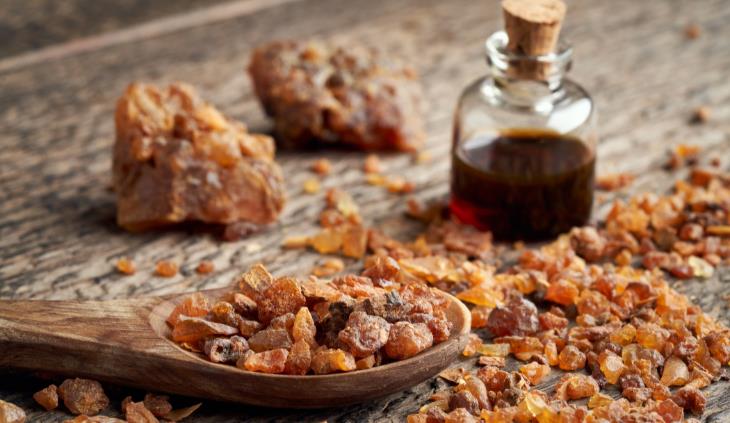
Myrrh can be used both as resin and essential oil. It is derived from a tree botanically related to the frankincense tree, which is known to be able to grow and prosper in inclement conditions. The resin is harvested through a calculated process of cutting into the tree’s trunk in intervals of 15 days. When the tree's injured, it releases the sap which dries and hardens into a resin. 
 
Etymologically, the word "myrrh" came from the same word in Arabic, meaning “bitter.“ Myrrh essential oil is thicker and more viscous than the average essential oil, making it highly moisturizing. 
 
As it was mentioned in the Bible, you can infer that it has been used in traditional medicine for millennia. It has religious and spiritual properties. Myrrh has been used to clear the air and the mind, and in practical traditional medicine, it was used for treating fevers, inflamed cuts, and wounds, as well as an astringent to stop bleeding and an embalming agent.  
 
Antioxidant and anti-cancer properties
Myrrh - resin and oil
Many plants can be described as having antioxidant properties because they generate compounds that protect them from oxidative stress in nature. Myrrh is a powerful antioxidant, a property that is enhanced in the presence of frankincense. A recent study found that burning the two together as incense reduces airborne material counts by 68%. 
 
Several new studies have even found anticancer properties in myrrh. It was found effective against several types of gynecological cancers, as well as liver, prostate, breast, and skin cancer. 
 
Anti-fungal and anti-bacterial qualities
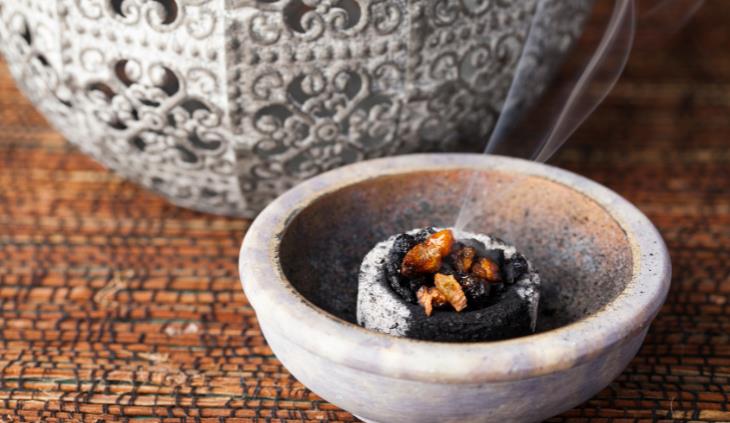
Myrrh - burning on coal
Myrrh is not only an antibacterial, but it also stimulates the immune system to produce more white blood cells - the body’s natural bacteria killers. Thanks to this property, it can also be used to treat oral infections (such as gingivitis) and functions as an antimicrobial additive to mouthwash or toothpaste. It has been found in several studies to reduce inflammation, kill parasites and fungus and reduce pain by interacting with opioid receptors in the brain. 
 
You can harness myrrh’s antifungal properties for the treatment of mild cases of athlete’s foot, bad breath, ringworm, and staph infections. 
 
Skin health
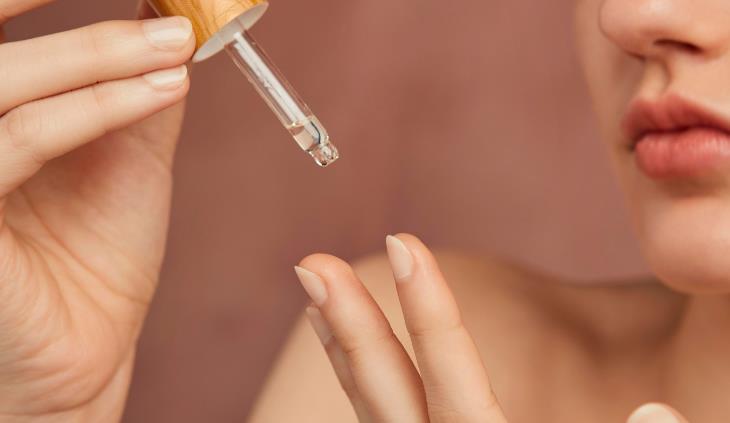
Myrrh - using oil for skin
Myrrh supports the fast healing of wounds. It can be applied topically, diluted in a carrier oil, as an ingredient in an herbal homemade paste, or in a bath or a soak to help heal even the most tender wounds, such as postpartum vaginal tears. It will also help soothe chapped or cracked skin and nails. Use it as a cuticle oil for brittle, splitting nails.  
 
Practical tips for home use:

Here are quick tips and recipes for applying myrrh in your homestead: 
 
1. Mold killer: there are many recipes for natural mold cleaners based on baking soda, vinegar, or lemon. You can add myrrh essential oil for its antifungal properties. 
 
2. Gingivitis remedy: add several drops of oil to 2 ounces of water or coconut oil and swish in the mouth for one minute. 
 
3. Cold compress for swelling: dilute myrrh in carrier oil (jojoba oil, grape seed oil, coconut oil) and use it as a cold compress for pain and swelling. 
 
4. Inhalation: use it in an electronic diffuser or just add it to boiling water and inhale. This helps a congested upper respiratory system and a troubled mind. 
 
5. Digestive tea: to aid digestion, add 2 drops to your tea. Make sure you use essential oil of the highest quality and drink it sporadically to avoid an upset stomach. 
 
6. Thyroid relief: massage 3 drops as a complementary treatment for hypothyroidism. 
 
A final word on side effects 
Unlike frankincense, which is considered to be one of the safest essential oils, there are some things to keep in mind when using myrrh. 
 
⁃ Pregnant women should avoid myrrh, as it may enhance contractions. 
 
⁃ Myrrh may lower and influence blood glucose, and therefore, it is not recommended for people with diabetes. 
 
⁃ Myrrh may interact with diabetes medication as well as anticoagulants. People on these medications should avoid myrrh.

This is only for your information, kindly take the advice of your doctor for medicines, exercises and so on.   

https://gscrochetdesigns.blogspot.com. one can see my crochet creations  
https://gseasyrecipes.blogspot.com. feel free to view for easy, simple and healthy recipes    
https://kneereplacement-stickclub.blogspot.com. for info on knee replacement

https://GSiyers home remedies.blogspot.com     is my latest addition to my blogs. I'm going to add posts there, do give me your valuable feed back on my blogs. Thanks a lot, take care, be healthy and be happy.


Labels: , , , , , , , , , , , , , ,

Tuesday, May 19, 2020

Guide to Cracked Skin: Causes, Treatments and Helpful Tips

Whether we already feel it or not yet, we are getting closer to summer, and very soon we’ll change from our jeans, jackets, and tennis shoes and start wearing clothes better fitted for the summer heat. For many, this is the time where they have to face and reveal some of their greatest insecurities, namely dry elbows, or cracked skin on the hands or feet. And while we typically associate dry skin with the winter, transitional weather is actually often even worse for the skin than extreme cold, as during this time, our skin is trying to adjust to weather changes, and this often results in flareups of skin dryness, dandruff, eczema, and other bothersome skin conditions.

With frequent hand-washing and mask-wearing added to the mix, dry and cracked skin on the hands and lips has become even more common than usual these days. In this article, we’ll cover several helpful tips that can help treat and prevent cracked skin in different areas of the body, as well as explain the common medical and environmental causes of cracked skin.


The Causes of Cracked Skin
Dry and cracked skin can occur anywhere on the body, and most people experience these symptoms several times throughout their lives, especially in the most susceptible areas, such as the lips, hands, feet, and ankles. Older adults are more likely to get cracked skin than younger people because age and hormonal changes decrease the amount of skin oils called sebum our skin produces, which makes the skin more likely to be dry.
Cracked skin is actually one of the symptoms of severely dry skin, which can be caused by various health conditions and environmental factors. Cracked skin can be quite uncomfortable and even painful, as untreated cracks can become itchy, inflamed, or can start to bleed.
Temperature and air humidity influence how dry your skin is, so things like changes in seasons, traveling abroad, and extremely cold and dry weather can all contribute to cracked skin. Health conditions and treatments can likewise cause dry and cracked skin. The most common causes of dry and cracked skin are eczema, psoriasis, and fungal skin infections (e.g. athlete’s foot), but cracked skin can also be one of the symptoms of an allergic reaction, diabetes, and thyroid issues.
If you suspect that your symptoms are caused by any of those conditions or a side effect to a medication, you should contact your doctor and seek medical treatment, as the problem won't go away on its own.


Treatments and Tips
Depending on the cause of the condition and its severity, dermatologists can choose several different treatment tactics. For example, if someone is experiencing cracked skin on the hands after cleaning the house without gloves and getting a skin allergy called contact dermatitis, they will require allergy medication and possibly even topical steroids. However, a person with an infected cracked heel may require antibiotics.


Because of the multitude of potential causes of the condition, it’s important to discuss the issue with a doctor and not relying on self-treatment, especially if you’re experiencing any of the following symptoms:
    You’re diabetic.
    The cracked skin starts bleeding.
    The cracked skin exhibits signs of infection: the skin gets red, inflamed, painful, or hot to the touch.

That being said, there are a number of universal tips that will help you treat and prevent dry and cracked skin no matter the cause of the condition, the best of which we list below:


1. The water temperature in the shower matters a lot
A hot shower or bath may feel magnificent, but it can be extremely harmful to those who have dry or cracked skin because hot water exacerbates these issues and can actually be one of the reasons why your skin is so dry. This is because long hot showers disrupt your skin barrier. The longer you stay in a hot shower, the more it will dry out your skin.
If you’re already experiencing cracked skin on any part of your body, exposing it to hot water will further worsen the issue. Lukewarm or slightly warmer water is the best for your skin and hair health, so try to dial down the temperature if you’re suffering from cracked or dry skin.


2. Moisturize the Areas That Tend to Crack Daily
Thick body moisturizers and ointments are key at treating and preventing cracked skin, as they will create a seal in the area of concern and promote the process of skin healing and will prevent the issue in the future. Dermatologists recommend applying a body moisturizer immediately after the shower, you can even do so on damp skin for best results. You can also apply a thick or oily balm or salve on areas that are the driest or cracked.
For even better results, you can reapply the moisturizer several times a day on the most bothersome areas. When it comes to the best choice of moisturizer, choosing a cream that’s coloring and fragrance-free is optimal. Look for ANY or a FEW of the following beneficial moisturizing ingredients in your body cream that can help soother cracked and dry skin:

    Plant oils, such as shea butter or jojoba oil
    Urea
    Hyaluronic acid
    Dimethicone
    Glycerin
    Lanolin
    Artificial oils, such as mineral oil or petroleum jelly.


3. Wear Socks or Slippers at Home
For cracked heels in particular, it’s very helpful to get in the habit of wearing socks or slippers at home at all times. Walking at home barefoot is actually quite likely to cause calluses, dry and cracked heels, or even foot infections, such as athlete’s foot. Simultaneously, wearing shoes that don’t fit you well or a pair that makes your feet sweat can cause the same issues.
If you already have cracked heels, putting on a clean pair of socks immediately after taking a shower and moisturizing is especially important, as it will help prevent the cracked area from getting infected.


4. Get an Air Humidifier
Not only those who live in a dry climate should consider investing in an air humidifier, as the majority of people today spend most of their time in a climate-controlled environment indoors, and air conditioners and heating systems alike are notorious for drying out the air. Low air humidity, in turn, can dry out both your skin and the mucous membranes in your nose and mouth, and even your eyes, which can worsen your already dry and cracked skin and contribute to nasal congestion, dry eye syndrome, and other health issues.
 

5. Don’t Scrub the Cracked Areas
You might be tempted to use a scrub, a scrubbing brush, or a foot scrubber in areas that are dry or cracked in an attempt to reduce the appearance of dry and flaky skin, but this can actually be very harmful in the long run, make the cracked area more painful, and worsen an already existing issue.
Instead, be very gentle with your skin and avoid any scrubbing and rubbing. Dermatologists even recommend being mindful of the way you dry your skin with a towel after showering - instead of rubbing the towel to dry the skin in the dry areas, gently pat-dry the skin to reduce any friction to a minimum.


6. Foot Soaks For Dry Heels
If you're suffering from persistently dry and cracked heels, one of the things you can do to soften up and soothe the skin is a pampering foot soak and follow up with applying a moisturizing cream. We have a variety of foot soak recipe ideas and tips on how to get the best foot soak in the article: 5 Foot Soak Recipes.
Just one last tip: if your heels are bleeding or you have any wounds on the feet, don't add any salts or essential oil to the water, as it might sting or irritate the area. Instead, opt for moisturizing ingredients like oils to soothe the skin.


7. Use Gauze or Liquid Bandage to Seal the Skin
If you need an express method to soothe and moisturize dry and cracked skin, here it is. Dermatologists suggest that applying a gauze bandage on freshly-moisturized skin can really help boost the effects of a moisturizer and speed up the healing of a cracked area, be it your feet, ankles, or hands. Doing this method a few days in a row ought to really help with both the appearance and the healing of dry and cracked areas.
For deeply cracked areas, in particular, you can also use a liquid bandage to fill and hold the skin together and promote faster healing. A liquid bandage is an over-the-counter treatment available in most pharmacies, and it works by essentially gluing the cracked skin together. Do keep in mind that you won't be able to use a moisturizer and apply a liquid bandage at the same time, since the bandage won't stick to an oily surface.


8. Use Exfoliating Creams for Dry and Cracked Skin
If you have chronically dry skin, you might also find that the skin in troublesome areas is flaky, which means that your skin isn't renewing itself as it should, and layers upon layers of dry skin cells start piling up on your skin, which could ultimately cause it to crack. If that is the case, you might benefit from an exfoliating cream (NOT a scrub) containing ingredients like salicylic acid, lactic acid, glycolic acid, AHA, or BHA labeled on the packaging. These creams help you get rid of these dead skin cells and will soften your skin, but without the irritation and pain a scrub can cause.
Do keep in mind that there are dedicated exfoliating creams for different areas on the skin, such as your feet, hands, or the face, and these products contain different quantities of exfoliating acids, so make sure not to use them on different areas or all over the skin because they might cause skin irritation.

9. Apply a Lip Balm Onto Dry Lips
Dry, cracked, and even bleeding lips are extremely common, even more so lately due to constant mask-wearing. If you find that your lips get chapped or cracked, the best thing you can do is apply a thick lip balm several times a day. Do keep in mind, however, that many lip balms contain irritating ingredients, such as coloring, coconut oil, and fragrance, which can make your lips burn and worsen the issue instead of helping it, so we recommend to go for plain flavorless lip balms.


Another habit to be wary of if you have dry or chapped lips is licking your lips. This habit can make your lips even drier and could even contribute to a skin rash around the lips known as lip licker’s dermatitis, so try not to do it.

 
This is only for your information, kindly take the advice of your doctor for medicines, exercises and so on.     

https://gscrochetdesigns.blogspot.com. one can see my crochet creations  
https://gseasyrecipes.blogspot.com. feel free to view for easy, simple and healthy recipes    
https://kneereplacement-stickclub.blogspot.com. for info on knee replacement

Labels: , , , , , , , , , , , , ,