Sunday, April 03, 2022

How to Treat Keratosis Pilaris

Discovering small red bumps on your arms can be quite alarming. Do you have chicken pox? Could it be acne? Is it a rash? Luckily, dots that are typically found on the backs of your arms (often known as 'chicken skin') are generally completely harmless.
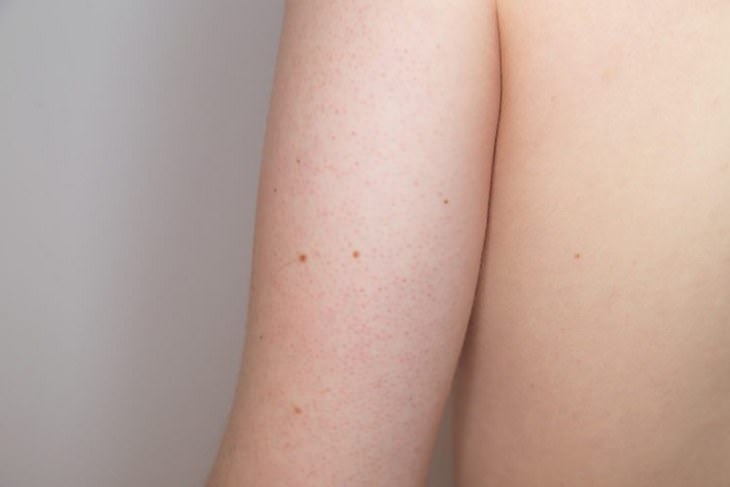
This skin condition, known as keratosis pilaris, is pretty common, and occurs frequently in women and young children, and they often appear during puberty or pregnancy. The visible bumps are caused by a keratin buildup, which is the tough protein that protects your skin from infections and harmful substances.

Thanks to this buildup, a scaly plug gets formed, which blocks the hair follicle's opening, causing patches of bumpy skin to develop. Keratosis pilaris may be genetically transferred, or it may actually be a side effect of a number of other skin disorders, and in some cases may also show up on a person's buttocks or legs.

So far, there doesn't seem to be an effective cure for this condition, but there are quite a few ways to manage it. First of all, never directly scrub or scratch the area, since you'll only end up making these bumps a lot worse.

Janellen Smith, a dermatologist at UC Irvine Health recommends that "when you come out of the shower, pat yourself dry—don’t rub or scrub.” Moisturizing is essential, but you should try to avoid fragrant soaps. Look out for specialty creams or lotions that contain lactic acid, hydroxy acid, salicylic acid or urea to help loosen and get rid of dead skin cells.

Creams that contain vitamin A (topical retinoids) are also helpful, as they will promote cell turnover and prevent hair follicles from getting clogged. If over-the-counter remedies don't clear up the problem, you might want to consider paying a visit to a dermatologist. If the condition is really getting you down, then laser treatment might be a viable option, however, most cases of keratosis pilaris are more of a cosmetic nuisance than an actual medical concern.


This is only for your information, kindly take the advice of your doctor for medicines, exercises and so on.   

https://gscrochetdesigns.blogspot.com. one can see my crochet creations  
https://gseasyrecipes.blogspot.com. feel free to view for easy, simple and healthy recipes    
https://kneereplacement-stickclub.blogspot.com. for info on knee replacement

Labels: , , , , , ,

Tuesday, May 19, 2020

Guide to Cracked Skin: Causes, Treatments and Helpful Tips

Whether we already feel it or not yet, we are getting closer to summer, and very soon we’ll change from our jeans, jackets, and tennis shoes and start wearing clothes better fitted for the summer heat. For many, this is the time where they have to face and reveal some of their greatest insecurities, namely dry elbows, or cracked skin on the hands or feet. And while we typically associate dry skin with the winter, transitional weather is actually often even worse for the skin than extreme cold, as during this time, our skin is trying to adjust to weather changes, and this often results in flareups of skin dryness, dandruff, eczema, and other bothersome skin conditions.

With frequent hand-washing and mask-wearing added to the mix, dry and cracked skin on the hands and lips has become even more common than usual these days. In this article, we’ll cover several helpful tips that can help treat and prevent cracked skin in different areas of the body, as well as explain the common medical and environmental causes of cracked skin.


The Causes of Cracked Skin
Dry and cracked skin can occur anywhere on the body, and most people experience these symptoms several times throughout their lives, especially in the most susceptible areas, such as the lips, hands, feet, and ankles. Older adults are more likely to get cracked skin than younger people because age and hormonal changes decrease the amount of skin oils called sebum our skin produces, which makes the skin more likely to be dry.
Cracked skin is actually one of the symptoms of severely dry skin, which can be caused by various health conditions and environmental factors. Cracked skin can be quite uncomfortable and even painful, as untreated cracks can become itchy, inflamed, or can start to bleed.
Temperature and air humidity influence how dry your skin is, so things like changes in seasons, traveling abroad, and extremely cold and dry weather can all contribute to cracked skin. Health conditions and treatments can likewise cause dry and cracked skin. The most common causes of dry and cracked skin are eczema, psoriasis, and fungal skin infections (e.g. athlete’s foot), but cracked skin can also be one of the symptoms of an allergic reaction, diabetes, and thyroid issues.
If you suspect that your symptoms are caused by any of those conditions or a side effect to a medication, you should contact your doctor and seek medical treatment, as the problem won't go away on its own.


Treatments and Tips
Depending on the cause of the condition and its severity, dermatologists can choose several different treatment tactics. For example, if someone is experiencing cracked skin on the hands after cleaning the house without gloves and getting a skin allergy called contact dermatitis, they will require allergy medication and possibly even topical steroids. However, a person with an infected cracked heel may require antibiotics.


Because of the multitude of potential causes of the condition, it’s important to discuss the issue with a doctor and not relying on self-treatment, especially if you’re experiencing any of the following symptoms:
    You’re diabetic.
    The cracked skin starts bleeding.
    The cracked skin exhibits signs of infection: the skin gets red, inflamed, painful, or hot to the touch.

That being said, there are a number of universal tips that will help you treat and prevent dry and cracked skin no matter the cause of the condition, the best of which we list below:


1. The water temperature in the shower matters a lot
A hot shower or bath may feel magnificent, but it can be extremely harmful to those who have dry or cracked skin because hot water exacerbates these issues and can actually be one of the reasons why your skin is so dry. This is because long hot showers disrupt your skin barrier. The longer you stay in a hot shower, the more it will dry out your skin.
If you’re already experiencing cracked skin on any part of your body, exposing it to hot water will further worsen the issue. Lukewarm or slightly warmer water is the best for your skin and hair health, so try to dial down the temperature if you’re suffering from cracked or dry skin.


2. Moisturize the Areas That Tend to Crack Daily
Thick body moisturizers and ointments are key at treating and preventing cracked skin, as they will create a seal in the area of concern and promote the process of skin healing and will prevent the issue in the future. Dermatologists recommend applying a body moisturizer immediately after the shower, you can even do so on damp skin for best results. You can also apply a thick or oily balm or salve on areas that are the driest or cracked.
For even better results, you can reapply the moisturizer several times a day on the most bothersome areas. When it comes to the best choice of moisturizer, choosing a cream that’s coloring and fragrance-free is optimal. Look for ANY or a FEW of the following beneficial moisturizing ingredients in your body cream that can help soother cracked and dry skin:

    Plant oils, such as shea butter or jojoba oil
    Urea
    Hyaluronic acid
    Dimethicone
    Glycerin
    Lanolin
    Artificial oils, such as mineral oil or petroleum jelly.


3. Wear Socks or Slippers at Home
For cracked heels in particular, it’s very helpful to get in the habit of wearing socks or slippers at home at all times. Walking at home barefoot is actually quite likely to cause calluses, dry and cracked heels, or even foot infections, such as athlete’s foot. Simultaneously, wearing shoes that don’t fit you well or a pair that makes your feet sweat can cause the same issues.
If you already have cracked heels, putting on a clean pair of socks immediately after taking a shower and moisturizing is especially important, as it will help prevent the cracked area from getting infected.


4. Get an Air Humidifier
Not only those who live in a dry climate should consider investing in an air humidifier, as the majority of people today spend most of their time in a climate-controlled environment indoors, and air conditioners and heating systems alike are notorious for drying out the air. Low air humidity, in turn, can dry out both your skin and the mucous membranes in your nose and mouth, and even your eyes, which can worsen your already dry and cracked skin and contribute to nasal congestion, dry eye syndrome, and other health issues.
 

5. Don’t Scrub the Cracked Areas
You might be tempted to use a scrub, a scrubbing brush, or a foot scrubber in areas that are dry or cracked in an attempt to reduce the appearance of dry and flaky skin, but this can actually be very harmful in the long run, make the cracked area more painful, and worsen an already existing issue.
Instead, be very gentle with your skin and avoid any scrubbing and rubbing. Dermatologists even recommend being mindful of the way you dry your skin with a towel after showering - instead of rubbing the towel to dry the skin in the dry areas, gently pat-dry the skin to reduce any friction to a minimum.


6. Foot Soaks For Dry Heels
If you're suffering from persistently dry and cracked heels, one of the things you can do to soften up and soothe the skin is a pampering foot soak and follow up with applying a moisturizing cream. We have a variety of foot soak recipe ideas and tips on how to get the best foot soak in the article: 5 Foot Soak Recipes.
Just one last tip: if your heels are bleeding or you have any wounds on the feet, don't add any salts or essential oil to the water, as it might sting or irritate the area. Instead, opt for moisturizing ingredients like oils to soothe the skin.


7. Use Gauze or Liquid Bandage to Seal the Skin
If you need an express method to soothe and moisturize dry and cracked skin, here it is. Dermatologists suggest that applying a gauze bandage on freshly-moisturized skin can really help boost the effects of a moisturizer and speed up the healing of a cracked area, be it your feet, ankles, or hands. Doing this method a few days in a row ought to really help with both the appearance and the healing of dry and cracked areas.
For deeply cracked areas, in particular, you can also use a liquid bandage to fill and hold the skin together and promote faster healing. A liquid bandage is an over-the-counter treatment available in most pharmacies, and it works by essentially gluing the cracked skin together. Do keep in mind that you won't be able to use a moisturizer and apply a liquid bandage at the same time, since the bandage won't stick to an oily surface.


8. Use Exfoliating Creams for Dry and Cracked Skin
If you have chronically dry skin, you might also find that the skin in troublesome areas is flaky, which means that your skin isn't renewing itself as it should, and layers upon layers of dry skin cells start piling up on your skin, which could ultimately cause it to crack. If that is the case, you might benefit from an exfoliating cream (NOT a scrub) containing ingredients like salicylic acid, lactic acid, glycolic acid, AHA, or BHA labeled on the packaging. These creams help you get rid of these dead skin cells and will soften your skin, but without the irritation and pain a scrub can cause.
Do keep in mind that there are dedicated exfoliating creams for different areas on the skin, such as your feet, hands, or the face, and these products contain different quantities of exfoliating acids, so make sure not to use them on different areas or all over the skin because they might cause skin irritation.

9. Apply a Lip Balm Onto Dry Lips
Dry, cracked, and even bleeding lips are extremely common, even more so lately due to constant mask-wearing. If you find that your lips get chapped or cracked, the best thing you can do is apply a thick lip balm several times a day. Do keep in mind, however, that many lip balms contain irritating ingredients, such as coloring, coconut oil, and fragrance, which can make your lips burn and worsen the issue instead of helping it, so we recommend to go for plain flavorless lip balms.


Another habit to be wary of if you have dry or chapped lips is licking your lips. This habit can make your lips even drier and could even contribute to a skin rash around the lips known as lip licker’s dermatitis, so try not to do it.

 
This is only for your information, kindly take the advice of your doctor for medicines, exercises and so on.     

https://gscrochetdesigns.blogspot.com. one can see my crochet creations  
https://gseasyrecipes.blogspot.com. feel free to view for easy, simple and healthy recipes    
https://kneereplacement-stickclub.blogspot.com. for info on knee replacement

Labels: , , , , , , , , , , , , ,

Wednesday, December 25, 2019

All the ways not to cleaning your vagina – and the only right way to get it done

From head to toe, the beauty industry has a plethora of products on offer – especially when it comes to women. But is there even a need for them? Or are they just causing you more harm? Don’t worry, we’re not telling you to quit your CTM skin routine. But when it comes to your vagina – it’s best to keep it super simple. 

Let’s look at some ways you should not be cleaning your vagina. 

1. Do not use a douche

Douching is the practice of inserting water into the vagina to cleanse it. While it’s okay to clean your vulva with water, your vagina does not need to be cleaned. The vagina is a self-cleaning organ, fully capable of maintaining itself. This practice actually rids your vagina of all the healthy bacteria that live in it.
Research has linked the use of vaginal cleaning products and douching with increased quantities of potentially cancer-causing volatile carbon compounds in the blood. The research was published in the Journal of Women’s Health in September.

2. Do not use soap

Your vagina has a lower pH level compared to the rest of your body. Traditional soaps are usually too alkaline to even match the pH level of your body - forget your vagina. So either skip the soap or find a much milder one if you must.  

3. Do not use a “special” wash daily 

Unless recommended by a gynaecologist, you don’t need to use any over-the-counter vaginal/intimate wash. Even if your doctor recommends it - make sure to ask how often you need to use it. Chances are, it won’t be daily - other than maybe when you’re on your period. 

4. Do not use vaginal wipes

They might seem like a convenient option to carry around with you but they could contain harmful chemicals, preservatives and are also generally bad for the environment. Our advice? The simple old toilet paper. Roll it up and carry it in your wallet, just like you would a vaginal wipe. 

5. Do not use perfume or deodorant around your vagina

Yes, your partner can smell you down there. But all vaginas have a distinct smell and it’s natural for it to not smell like a flower market. So avoid all chemicals - and non-absorbent fabrics. Remember, a healthy vagina is a sexy vagina.

6. Do not steam your vagina 

Yes, yes, vaginal steaming seems to be all the rage since Gwyneth Paltrow talked about it, but the practice has zero scientific data backing it - and it can cause burns if you’re not careful with it. And for what benefit? Nothing, nada, zero.  

7. Do not wipe back to front 

Hopefully, this is a redundant piece of advice since you’re all already doing it. In case you’re not - here’s a friendly reminder to wipe only from front to back. Basically, never let anything that has been in touch with your butt come in contact with your vagina - whether it is tissue, toys, condoms, or even fingers. There is a lot of bacteria that live on your butt and wouldn’t do anything great for your vagina.  

8. Do not scrub too hard

It’s okay to use a loofah to clean around your vulva - till the time you do it gently. Very light exfoliation may help with ingrown hair but using scrubs and pumice stones can cause microabrasions and infections. So just, maybe, don’t. 

9. Do not clean it too often 

Once a day - that’s more than enough. It’s okay to rinse with water multiple times but a thorough wash is only needed once daily. Sure, it might not be harmful to go over that limit once in a while but it’s best to be cautious and not overdo it. 

10. Do not spend too much time in the bath

We already know that damp spaces are bad for your vagina since it’s essentially a breeding ground for bacteria. This is why you’re always advised to change out of your swimsuit and workout clothes as soon as possible. Spending a long time in a hot bath might sound lovely and comforting after a long day but try to limit your time in there for your vagina’s sake. 

11. Do not be afraid of hair 

Many women associate hairlessness with keeping a vagina clean. It’s far from the truth, though. The hair is there for a reason - to reduce friction and protect you from bad bacteria. So you might want to skip the shaving and waxing and stick to just lightly trimming for neatness if you must. 

How to clean your vagina the right way

1. Water

Not too warm, not too cold. Stick to room-temperature water and clean your vulva with it. Pat gently with a dry towel. If you’re travelling and are not sure about the water quality, try to get your hands on a bottle of mineral water to clean yourself with. Better safe than sorry. 

this is only for your information, kindly take the advice of your doctor for medicines, exercises and so on.     
https://gscrochetdesigns.blogspot.com. one can see my crochet creations  
https://gseasyrecipes.blogspot.com. feel free to view for easy, simple and healthy recipes    
https://kneereplacement-stickclub.blogspot.com. for info on knee replacement


Labels: , , , , ,