5. Smoking and Alcohol
Harmful habits, such as smoking and
drinking alcohol can be the reason why you're experiencing dry mouth as
well. Smoking tobacco is especially dangerous, as it is capable of
decreasing salivary flow. In a 2010 study, 39% of smokers were found to
experience dry mouth compared to only 12% of nonsmokers.
Dehydrating drinks, such as alcohol, coffee, and even mouthwash that
contains alcohol can likewise contribute to dry mouth at night,
especially if you use them in the evening.
6. Allergies
Allergies, seasonal or not, can contribute
to dry mouth as well because they often cause a blocked nose, which
makes you breathe through the mouth. Apart from that, inflamed soft
tissues in the nasal and oral cavity common in allergy sufferers
themselves often feel drier and sore, in which case a dry mouth will be a
symptom of the underlying allergy.
Treating the allergy with antihistamines will relieve the symptom in the
long term, but keep in mind that certain allergy medications can cause
short term dry mouth as well, so combining them with proper hydration is
key.
7. Alzheimer's Disease

While Alzheimer's disease itself doesn't
directly cause dry mouth, the condition makes it more difficult for
patients to maintain proper hydration, as it becomes more difficult to
get a drink yourself or communicate to someone that you're thirsty. Dry
mouth is by far not the worst symptom associated with dehydration,
patients can also feel dizzy or may even require hospitalization if they
become severely dehydrated.
8. Certain Medications and Treatments
A number of medications, as well as some
cancer treatments, can cause dry mouth as a side effect. Both
chemotherapy and treatments of neck and head cancer can contribute to
dry mouth, for example. Some of the most common medications associated
with dry mouth include:
blood pressure medication
antidepressants
antihistamines
diuretics
drugs used to treat sinus issues
certain medications used to treat Parkinson's disease
drugs used to help sleeping issues.
Most of these medications are life-saving and will have to be
continued by the patient even if dry mouth persists, but it's still
possible to treat the dry mouth symptomatically, which is exactly what
we will discuss in the following section.
Home Treatments of Dry Mouth
Few things are as unpleasant as waking up
with a dry mouth in the middle of the night, desperately reaching for a
glass of water. To make sure that dry mouth no longer wakes you up in
the middle of the night, you can incorporate these tips into your life:
1. Avoid alcohol and coffee at night, and stop smoking if you do.
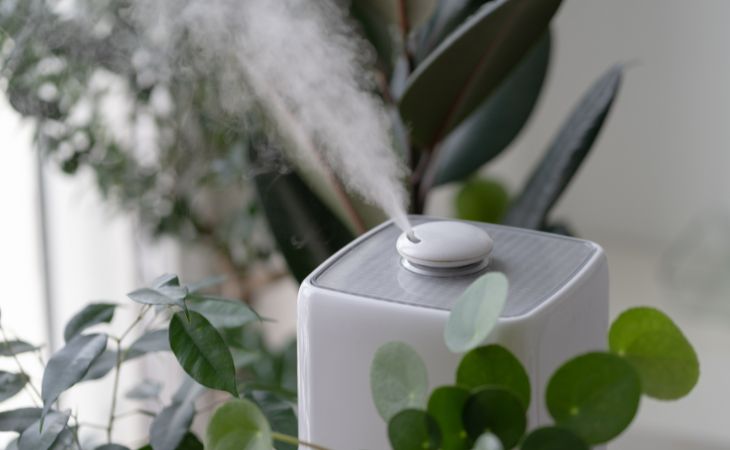
2. Use an air humidifier in your bedroom throughout the night. If you
don't have one, you can simply put a bowl of water or a wet towel near a
heat source in your room.
3. Suck on ice cubes, chew sugar-free gum, or eat sugar-free candy or
lozenges during the day, as all of these promote the production of
saliva.
4. Hydration, hydration, and hydration: incorporate water even with your
meals and sip on cool water all day.
5. Maintain good oral hygiene by brushing your teeth twice a day and
flossing on a daily basis to prevent dental complications.
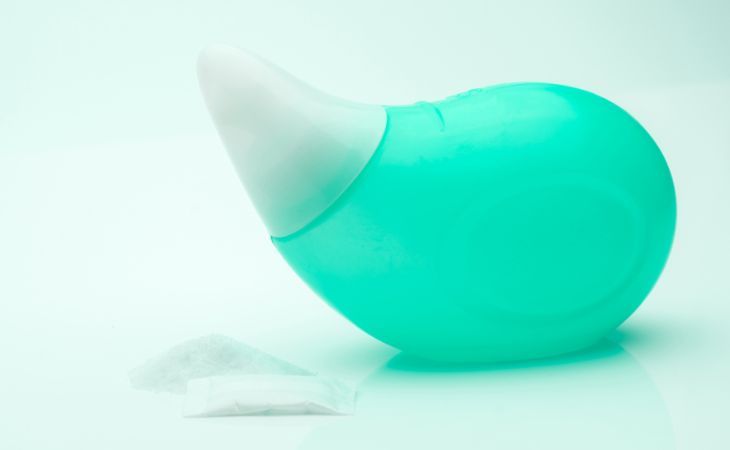
6. Use hydrating nasal and oral sprays to prevent dehydration of the
soft tissues.
Best of all, you can use these tips irrespective of the cause of dry
mouth. Also, you can and should combine any of these tips to make sure
your oral cavity is hydrated and supplied with as much saliva as it
needs, and thus happy and health.



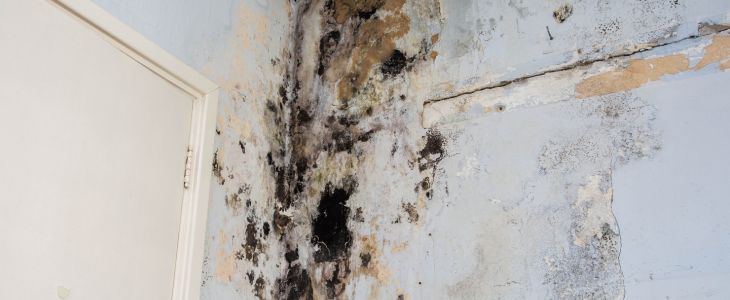





 Here is another issue that has a name
associated with the profession it originates from—Farmer’s Lung—a type
of pneumonia caused by hypersensitivity to materials found in hay and
grain. Our immune system reacts to mold growing in them by creating lung
inflammation, which is worse for farmers working with cattle and dairy
production because they are exposed to it more. The only way to get rid
of this problem is to reduce exposure to the substances that exacerbate
it. In severe cases, some people are even advised to change professions,
as the problem may eventually lead to a need for a lung transplant.
Here is another issue that has a name
associated with the profession it originates from—Farmer’s Lung—a type
of pneumonia caused by hypersensitivity to materials found in hay and
grain. Our immune system reacts to mold growing in them by creating lung
inflammation, which is worse for farmers working with cattle and dairy
production because they are exposed to it more. The only way to get rid
of this problem is to reduce exposure to the substances that exacerbate
it. In severe cases, some people are even advised to change professions,
as the problem may eventually lead to a need for a lung transplant.