7 Ways to Treat Sinus-Related Headaches
Are you suffering from pain and pressure in
your head and in the area of the eyes, cheeks, forehead, and/or teeth?
It might be sinusitis – inflammation in the cavities of the skull, which
often appears together with cold or allergy symptoms. The pain is
usually worse in the morning and becomes more intense when bending
forward. Of course, the easiest solution is to take medications for
headaches, but there are also a few natural ways to treat the issue that
are worth trying. To do that, you need to know them, and here are 7
natural ways to treat sinusitis pain.

What is a Sinusitis Headache?

A sinusitis headache occurs due to inflammation of the sinuses, which
are cavities in the skull – around the nose and in the forehead and
cheek areas. “The sinuses become inflamed when there is an infection or
allergy that causes air, fluids, or mucus to become trapped inside,
creating pressure that leads to pain in the forehead, cheeks, and
teeth,” says Dr. Nishtan Redi, an ear, nose, and throat specialist from
New Jersey who is an expert on sinuses.
You may mistakenly think that what you have
is a migraine, and indeed it can cause quite similar symptoms,
including a stuffy or runny nose, but the way you treat each one is
completely different. Therefore, if you try to treat the pain with
solutions that help migraines, you won’t get rid of it, and vice versa.
“It is recommended to go to the doctor to be absolutely sure of the
issue,” advises Dr. Redi. If it really is a sinus problem, you can try
each of these methods separately or a few of them together – it won’t
hurt. Use whatever you have available to achieve quick relief.

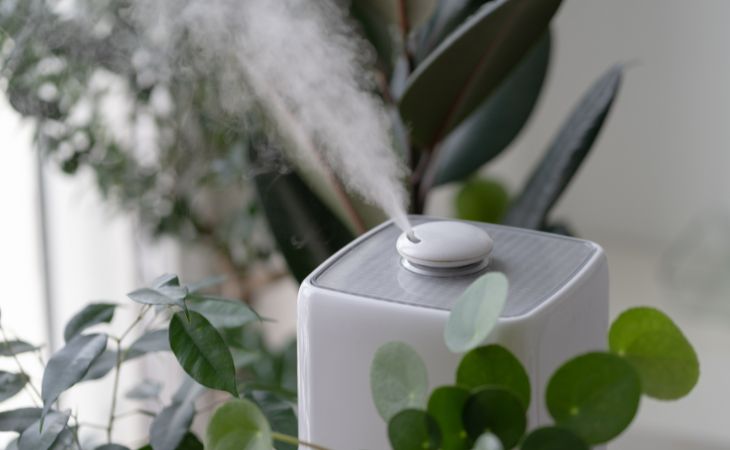
1. A Humidifier
“Humid air thins the mucus, which can become thick and sticky when the
sinuses are inflamed,” says Dr. Redi. When the mucus is thin, the
sinuses clear themselves with no problem, but when it becomes thick, it
blocks their drainage pathways, causing a buildup of pressure that leads
to pain. The moisture that a humidifier adds to the air you breathe
helps to thin the mucus and aid its drainage, which reduces the pain you
feel.
A study published in late 2021 showed that sinuses can effectively clear
themselves when the humidity is at least 30%, but it’s even better at
45%. If you don’t have a humidifier at home, you can take a hot shower
to the extent you can bear, and in general, expose your body to more
moisture by drinking enough fluids (preferably a hot beverage, like tea
or soup)
2. Nasal Saline Spray
Studies have shown that introducing saline solution into the nose can
improve moisture in the sinus area and clean the nasal lining, as well
as flush out allergens, dust, and thick mucus. “This cleaning helps to
clear and open the sinuses, thereby reducing the pressure and pain,”
explains Dr. Redi. Saline sprays do not contain any medications, and
they’re safe to use as often as you like. They can be purchased at
pharmacies without a prescription.
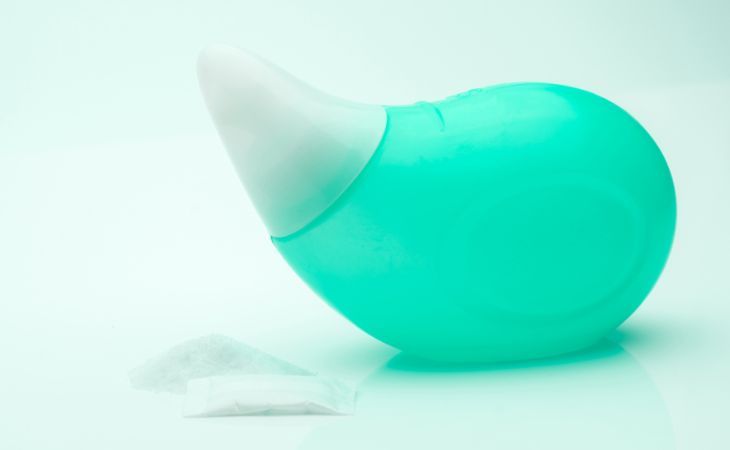
3. Nasal Irrigation
This is a similar solution to the previous one, except it involves a
device that can also be purchased at the pharmacy or drugstore, which
allows you to rinse your nose in a way that cleans the sinuses. It’s a
small bottle shaped like a drop or a bulb, with a long spout that can
introduce liquid into one nostril so it drains out the other, thoroughly
cleansing the inside of your nose.

Dr. Redi recommends using the device with
the following solution:
Boil 230 ml of water for 5 minutes.
When the water is lukewarm, mix it with ½ teaspoon of salt
(non-iodized) and a pinch of baking soda.
Be sure to thoroughly clean the device after using it, and it’s a good
idea to use it every day to regularly clean the sinuses and reduce the
risk of inflammation.
4. Eucalyptus Essential Oil
Studies have shown that a compound called “eucalyptol,” found in
eucalyptus oil, can reduce inflammation and pain, and can even help with
sinusitis headaches. To use eucalyptus oil, place a few drops in a
diffuser and inhale the fumes it releases, or simply place a few drops
on a cotton ball and inhale its scent from there.
“The diffuser helps the compounds in eucalyptus oil reach deeper into
the respiratory tract, which aids more,” says Dr. Jason M. Black, an
allergy and immunology specialist from Las Vegas. You can also apply the
oil to your skin and breathe it that way, for example on your chest or
temples, but be sure to dilute it with a carrier oil first.
5. Alternate Hot and Cold Compresses
Dr. Redi recommends this method, as heat helps increase blood flow to
the sinus area and reduce mucus thickness, while cold helps to dull the
pain and reduce inflammation. Here’s how to do it:
Start by placing a warm towel on your face for 3 minutes.
After that, place a cold towel on your face for 30 seconds.
Repeat this procedure two more times.
Repeat this treatment 4 times a day.
6. Spicy Foods
Those who love spicy food know that sometimes excessive spiciness can
cause a runny nose. This is because spicy food contains a compound
called capsaicin, which naturally clears the nose and encourages mucus
production and drainage. “Those who suffer from headaches caused by
sinusitis can eat spicy foods that will increase mucus and tear flow,
thereby clearing the sinuses,” says Dr. Redi.
7. Vicks Ointment
You can find this ointment in natural stores, particularly in stores
that sell products from India, and it has many uses, including
preventing mosquito bites, relieving pain, and reducing symptoms
associated with cough, mucus, and a runny nose. This ointment contains
eucalyptus, and as mentioned, inhaling its compounds can help clear the
sinuses, but it also contains menthol and camphor – two substances that
act on certain receptors related to pain detection in the body.
What this ointment actually does is twofold – it reduces the pain and at
the same time helps reduce the sinus congestion that causes the pain.
Dr. Black recommends applying the ointment on the chest and covering the
area with a warm towel. “The warmth can encourage the release of fumes
from the ointment, which will increase the ability to inhale them.”
A Few Words in Conclusion
It doesn’t matter which method you choose from this list – it will only
help and not harm. However, if your headache is not relieved by these
home treatments, or if your symptoms worsen, it’s a good idea to see a
doctor. They can offer you other and additional solutions, as well as
medications that may be helpful for you. Do not be tempted to use nasal
sprays intended to treat disease symptoms, as they might not be what
will help you, and in general, they are not safe for long-term use. If
you have a prescription for a nasal spray, use it for 3 days and no more
(unless your doctor says otherwise), as it can cause symptoms to become
more severe and chronic.
This is only for your information, kindly take the advice of your doctor for medicines, exercises and so on.
https://gscrochetdesigns.blogspot.com. one can see my crochet creations
https://gseasyrecipes.blogspot.com. feel free to view for easy, simple and healthy recipes
https://kneereplacement-stickclub.blogspot.com. for info on knee replacement
https://GSiyers
home remedies.blogspot.com is the latest addition to my blogs. I'm
going to add posts there, do give me your valuable feed back on my
blogs. Thanks a lot, take care, be healthy and be happy.

Labels: air humidifier, eucalyptus oil, hot n cold compress, nasal irrigation, sinus headache- relieve- nasal saline spray, Vicks ointment

0 Comments:
Post a Comment
<< Home