Thursday, January 14, 2021

Cold Feet: 6 Medical Causes and Home Remedies

Feeling cold in your feet from time to time is usually normal, especially when the weather is getting cold and you’re not wearing warm enough footwear. After all, our feet are the farthest point from the heart in our body and coincidentally, they’re also the body part that always touches the cold ground, so it’s expected that the feet are the first body part to be affected by the cold.

That said, in certain cases, people suffer from persistently cold feet and even at the peak of the summer heat, they feel like their feet are always cold. If your feet seem to be cold all the time, be aware that it can be a symptom of several underlying health conditions or even a sign of chronic stress. Learn about the medical causes of cold feet, as well as several useful tips that should help warm up your feet in this useful guide. 
 
1. Blood Circulation Issues
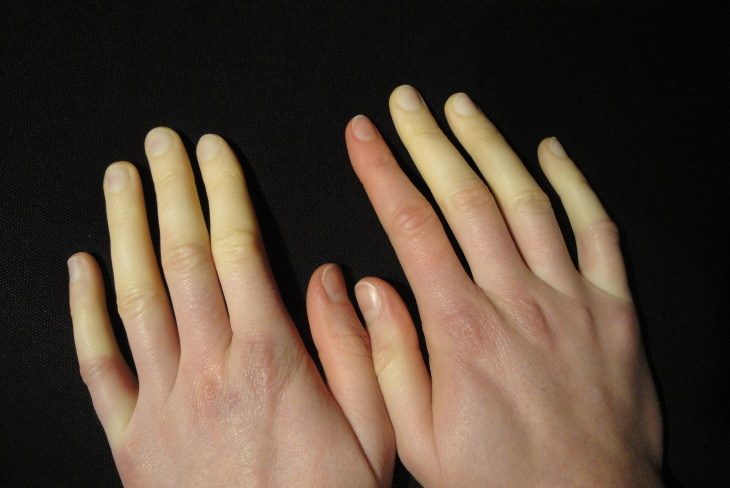
Cold Feet Causes and Remedies Raynaud Syndrome

Patient with Reynaud Syndrome
One of the most common causes of cold feet is poor blood circulation, as people with circulation issues may not get enough warm blood in their feet. There are many reasons why someone may have poor circulation, here are the most common ones associated with cold extremities: 
 
Lack of physical activity, working at a desk for long periods of time, and a sedentary lifestyle, in general, are capable of reducing blood circulation in the legs. 
 
High cholesterol and atherosclerosis cause plaques in the blood vessels, which become barriers that can make it more difficult for the blood to reach the extremities. As Danielle DesPres, DPM, a Foot & Ankle Surgeon & Podiatrist in NYC stated in an interview, "The arteries in your feet are the smallest which means they are most likely to be affected first. When these arteries are blocked, you could experience cold and sometimes painful feet." 
 
Smoking can affect circulation as well, as nicotine has been shown in studies to cause premature atherosclerosis in various blood vessels, including those in the feet. 
 
Certain heart conditions, as well as rarer conditions like Buerger's Disease, which leads to blood clots inside the blood vessels, as well as Raynaud's disease, a rare condition where blood supply is temporarily cut off to the hands and feet in response to cold or stress, can likewise cause cold feet. 
 
2. Nerve Disorders
Another type of disorder that can manifest itself through cold feet are certain nerve disorders generally termed as peripheral neuropathy. This type of nerve damage in the feet can be caused by trauma, frostbite, injury, or a number of medical conditions like infections, hereditary diseases, as well as kidney and liver damage. 
 
When the nerve tissue becomes inflamed or damaged, it malfunctions and stops transmitting the right feelings to our brain. As a result, patients feel cold in their feet even when the temperature of the surroundings is fine. Patients suffering from this condition may also experience other out-of-place sensations, such as burning, numbness, tingling, and prickling in the feet.

3. Anemia
Anemia is a condition that occurs when not enough oxygen-carrying red blood cells are being delivered to your body's cells and organs. Our muscles and other tissues require oxygen to produce energy and stay warm, and since the amount of oxygen in the blood of people with anemia is lower than it should be, patients often feel that their feet and hands are chronically cold. 
 
Other symptoms of anemia include fatigue, shortness of breath, headaches, and pale skin, but only a blood test can definitively say if you're anemic, so make sure to talk to your health provider if you experience similar concerns.

4. Diabetes
Diabetics often experience persistently cold hands and feet, too, and there are two ways in which the condition can bring about this symptom. Firstly, diabetes patients may have issues with blood circulation. High blood sugar can result in the narrowing of the blood vessels which, in turn, affects the blood supply to the extremities. 
 
Secondly, diabetic patients can develop a condition called diabetic peripheral neuropathy, a type of nerve damage most common in the feet. Diabetic neuropathy is more widespread among type 2 diabetes patients, and about half of them develop the condition compared to around 20% in type 1 diabetes patients. 
 
Nerve damage due to diabetes occurs when blood sugar levels are high for long periods of time, especially in untreated patients that don't even realize that they have the condition. Since diabetic nerve damage cannot be cured, it's crucial to diagnose the condition early and prevent the nerve damage altogether. This is especially important in high-risk groups, such as the elderly, people with cardiovascular issues, and overweight individuals, to name a few.

5. Thyroid Issues
Our thyroid gland controls several key functions in the human body, and an underactive thyroid, a condition called hypothyroidism, is known to manifest itself through cold feet and hands. This is because thyroid hormones play an important role in regulating metabolism, and an underactive thyroid, in turn, worsens blood circulation, decreases the heartbeat, and lowers the body temperature. 
 
Any of the above-mentioned functions can potentially lead to cold feet, and because hypothyroid patients are more sensitive to temperature changes, the symptom is considered to be a common sign of the condition.
 
6. Anxiety and high stress
Unfortunately, we've all experienced a great deal of stress due to the ongoing Covid-19 pandemic and other global and local events this year. As a result, anxiety and depression rates worldwide have skyrocketed. And while we're all aware of the emotional and mental toll these conditions may cause, the physical effects of anxiety and stress often go unnoticed. 
 
One of such effects can be cold feet, experts say. When we're stressed, our body produces adrenaline into the bloodstream as part of the fight or flight response. Adrenaline makes the peripheral blood vessels constrict in order to make the body save energy, and this naturally decreases one's circulation and may cause cold hands and feet. Relaxation and plenty of healthy sleep are necessary for our body to switch gears and return to normal.

Tips to Warm Up Your Feet
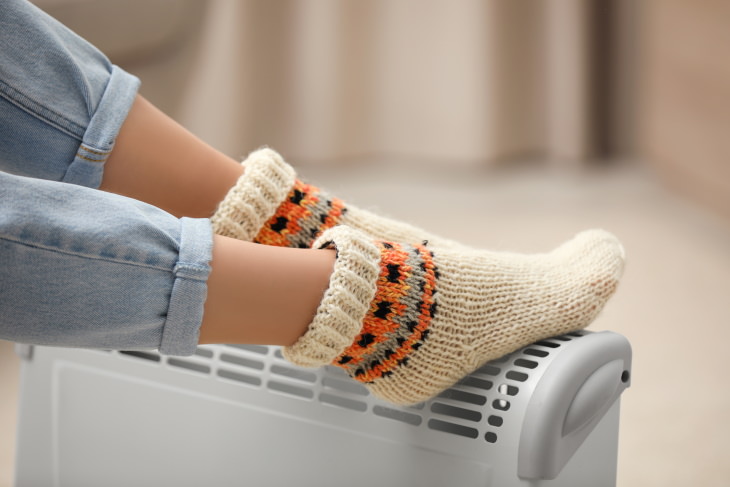
Cold Feet Causes and Remedies woman wearing warm socks and warming up feet near the radiator
As you can see, there is a wide range of health conditions that can cause chronically cold feet, and if this is a persistent symptom for you or someone you know, it's best advised to see a doctor and get diagnosed properly. If, however, cold feet are only an occasional issue or you need a quick fix for your problem, we have listed a few practical tips that will help you improve blood circulation in the feet and warm them up, here they are:
 
Massage your feet to improve blood circulation. 
 
The quickest way to warm up and relax your feet is by taking a warm foot bath. We have several tips on how to do a foot bath and recipes to address different concerns in the article DIY Foot Soaks. 
 
Make sure your footwear isn't too tight and switch to looser footwear like slippers or thick wool socks at home to maintain healthy circulation. 
 
Exercise really helps improve the blood flow to the hands and feet, too. Take a walk, jog, or do a few jumping jacks throughout the day if you have a sedentary lifestyle, for example, to improve the circulation. Any exercise will be beneficial. 
 
If you have trouble sleeping because your feet get too cold, try placing a hot water bottle or a heating pad at the foot of the bed before bedtime. 
 
Lastly, always keep those feet warm by wearing warm socks and slippers, and cover them with a blanket if you're sitting for a long time.

This is only for your information, kindly take the advice of your doctor for medicines, exercises and so on.     

https://gscrochetdesigns.blogspot.com. one can see my crochet creations  
https://gseasyrecipes.blogspot.com. feel free to view for easy, simple and healthy recipes    
https://kneereplacement-stickclub.blogspot.com. for info on knee replacement


Labels: , , , , , , ,

Thursday, August 01, 2019

7 Symptoms That May Indicate Blocked Arteries

Many people believe that blocked arteries are a problem only for the elderly and those who are overweight, but it turns out that this phenomenon is commonplace, and according to a study, many people up to age 20 in the Western world already suffer from it. Because this is the case, the sweeping recommendation is to go and be examined as early as possible, especially if you experience one or more of the 7 symptoms listed in this article. Another thing you should know is that the abnormal flow of blood may also be a side effect of other serious health problems that should be noted since proper diagnosis and treatment can prevent a disaster.

1. Pain in the calves, hip and thigh muscles

Peripheral artery disease is a common circulatory blood problem in which limited arteries cause reduced blood flow to the limbs and are a major cause of leg pain, especially while walking. This condition can cause reduced blood flow to the brain and heart, and of course to the area of the legs, hips and calve muscles. Another cause of these pains may be fatty deposits in the arteries (atherosclerosis) or blockage of arteries due to lipids. In most cases, the area of pain indicates where the clot or block is located, which helps identify the root of the problem, but there are also other ways to identify it and its sources, such as numbness or weakness in the legs, skin discoloration, shiny skin, and impotence in men.

2. Chest pain

Chest pain or angina (angina pectoris) is the result of reduced blood flow to the heart. Severe pain in the chest, numbness in the left hand, heaviness, chest tightness or burning during physical or emotional exertion can be seen as a sign that one is actually suffering from arterial obstruction that requires examination, follow-up and treatment as it may be a precursor to a heart attack. There are other identifying signs that require a more thorough investigation, including chest contractions that radiate to the back, neck, jaw, shoulders, and arms, and especially to the left arm. These pains can be accompanied by shortness of breath, dizziness, and nausea, and they increase after exercise.

3. Temporary loss of vision in one eye

There are two main arteries leading blood and oxygen to the brain - one on the right and one on the left side of the neck, and they are responsible for delivering these vital substances to both sides of the brain respectively. When there is little blood flow or blockage in one of these arteries, insufficient oxygen reaches the eyes and brain, and as a result, their function can be damaged. In the case of reduced blood flow through one of these arteries, a temporary loss of vision may occur in the eye on the same side where the blockage exists, creating a screen over the eye and obscuring vision, usually only for a minute or two. Obstruction of both arteries can lead to stroke and even total vision loss, and to prevent this phenomenon you must maintain normal blood pressure and weight, a healthy lifestyle including proper nutrition, periodic examinations with a professional ophthalmologist and reporting on and a family history of arterial disease.

4. Lower back pain

Back problems are the second leading cause of disability and even loss of working capacity in various parts of the world, with 10% of people under the age of 20 in developed countries already having progressive obstruction of the aorta, causing problems of blockage in the arteries of the waist leading to various back problems. If you experience pain in the lower part of your back, you should know not to ignore them because they often indicate low blood flow that can cause herniated discs leading to pain and muscle contraction.

5. Shortness of breath


Shortness of breath occurs when coronary arteries are damaged or blocked, and people experience it when their heart is unable to pump enough blood to meet their body’s needs. The function of the coronary arteries is to supply blood to the heart, its muscles, its electrical conduction system, and its other components. Researchers have found that when a person experiences shortness of breath without chest pain, it can be a sign of a high-risk heart disease that requires medical attention. So, if you’re experiencing shortness of breath, and not just after exerting effort, you should be careful about what is causing it, making sure to check that it isn’t something that can worsen.

6. Cold feet or hands
The phenomenon of cold hands or feet throughout the year, or particularly cold hands during the winter, indicates a lack of blood - but not necessarily due to vitamin B12 deficiency in the body, rather as a result of partial obstruction or narrowing of the peripheral arteries that lead the blood to the extremities. If you are suffering from this condition, you should pay attention and check to see if you experience any other symptoms that indicate a lack of blood, such as weakening of pulse in the legs, long healing time in the case of a sore or a cut in the limbs, leg pain at rest or while walking, hair loss in the legs and feet, and of course a change in color of skin.

7. Fatigue and dizziness

Many attribute dizziness and fatigue they experience to lack of sleep or sleep disorders of some kind, which turns out to be true in most cases. However, according to a study, there are few cases where fatigue can indicate disorders in blood flow to various organs, especially the heart and brain, and are a sign of the possibility of arterial disease. The inability of the body to transfer blood properly reduces the amount of oxygen flowing throughout the body causing low functioning. It should be noted that according to various experts, a constant feeling of tiredness and frequent dizziness that indicates arterial obstruction is more common among women.

What increases the risk of blocked arteries?

One of the most common causes of clogged arteries is atherosclerosis; The pathogenesis of this disease isn’t known for sure, but it is clear that this is a complex disease that can start from childhood and develop rapidly as age progresses. Atherosclerosis can occur when certain factors damage the inner layers of the arteries such as smoking, high blood cholesterol, high blood pressure, high blood sugar or diabetes. To reduce the risk of side effects of poor blood circulation, you should exercise daily, lose weight, maintain a healthy, low-fat diet, quit smoking, and get checked at least once a year. 

THIS IS ONLY FOR INFORMATION, ALWAYS CONSULT YOU PHYSICIAN BEFORE HAVING ANY PARTICULAR FOOD/ MEDICATION/EXERCISE/OTHER REMEDIES.                                    PS- THOSE INTERESTED IN RECIPES ARE FREE TO  VIEW MY BLOG-                                                                                           https://gseasyrecipes.blogspot.com/                                                                                                                                                FOR INFO ABOUT KNEE REPLACEMENT, YOU CAN VIEW MY BLOG-                                                  https:// kneereplacement-stickclub.blogspot.com/                                                                      FOR CROCHET DESIGNS                                                                                                    
                                https://gscrochetdesigns.blogspot.com

Labels: , , , , , , , , , , ,