Monday, May 19, 2025

These Pressure Points Will Help Alleviate Allergy Symptoms

Allergies are not a disease, but they do have an adverse effect on the body and bother us no less, as any person who suffers from them can testify. Some people suffer from this phenomenon due to inhalation of certain allergens, while others experience it due to contact with allergens or the ingestion of them. 

During the transition seasons, the chances of exposure to these substances increase, so many people experience headaches, weakness, itching, and a host of similar symptoms. These symptoms are usually treated with different medications, but allergy symptoms can also be treated naturally, with a pressure point massage existing for each individual symptom, which you will get to know all about below.

pressure points for allergies
Pressure points for treating respiratory problems 
An allergy that affects the airways and causes symptoms such as difficulty breathing, coughing and worse are very dangerous, and it can occur after exposure to the venom of certain insects, with a bee sting allergy being the most common. When you have an allergic reaction, you should quickly seek medical help, but while you wait for medical help to arrive, you can massage the following pressure points to help calm your symptoms. 
 
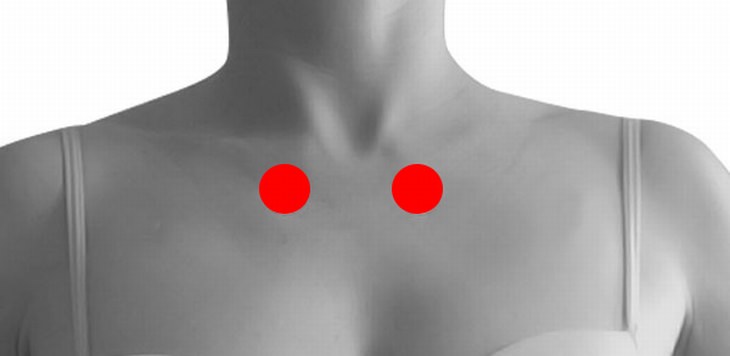
1. The Elegant Mansion (K-27)
 
pressure points for allergies

You will find these points on both sides of the chest just below the collarbone next to the sternum. Massaging these two points helps prevent respiratory blockage, as well as treats chest pain, shortness of breath, cough, bronchitis, and anxiety. Press the points with your index finger for 3-4 minutes. 
 
 
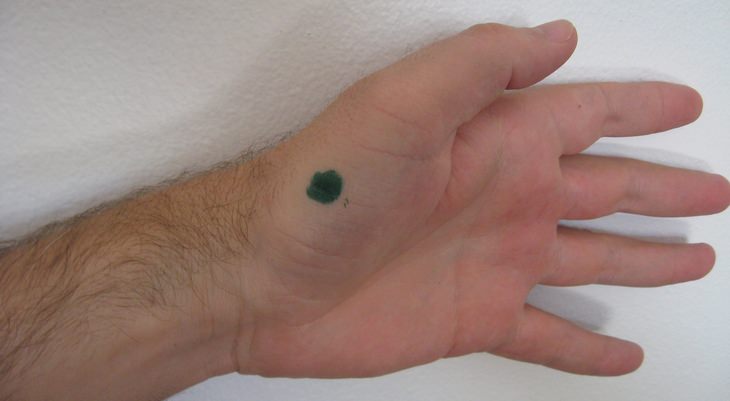
2. Fish Border (Lu-10)
pressure points for allergies
This pressure point is known to help treat breathing difficulties, and no breathing difficulty treatment is complete without massaging this point. It is located in the fleshy part under the thumb, between the wrist and thumb joint. Massaging it reduces chest pain, shortness of breath, and asthma attacks. Press for 3-4 minutes on both hands.


Pressure points to prevent a runny nose  
Allergic rhinitis is usually caused by exposure to dust or animal fur and is not a response that endangers the body. However, it is unpleasant and harms the quality of life, but with the help of these 4 pressure points in your facial area, you can get rid of the annoyance in your airways. ( see my next post)
 
Pressure points to prevent eczema 
There are allergic reactions that cause us itchiness and redness, pestering and irritating areas of the skin, which after some time will become scaly. This is eczema, most often caused by exposure to allergens found in animal fur. You can prevent it from appearing and soothe it with the following pressure points. 
 
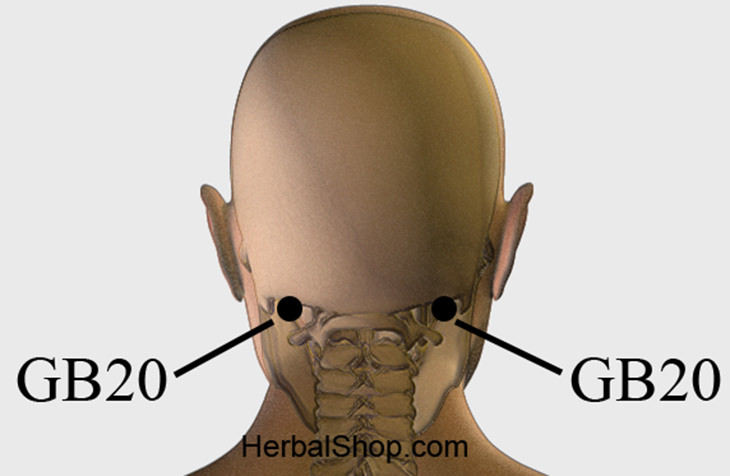
1. Wind Pool (GB-20) pressure points for allergies
 
pressure points for allergies

These points are on the sides of the base of the skull, right in the area where the neck begins. They are often used to release a stiff neck, but they can also help prevent the exacerbation of eczema caused by an allergy. Press the points for 3-4 minutes. 
 
 
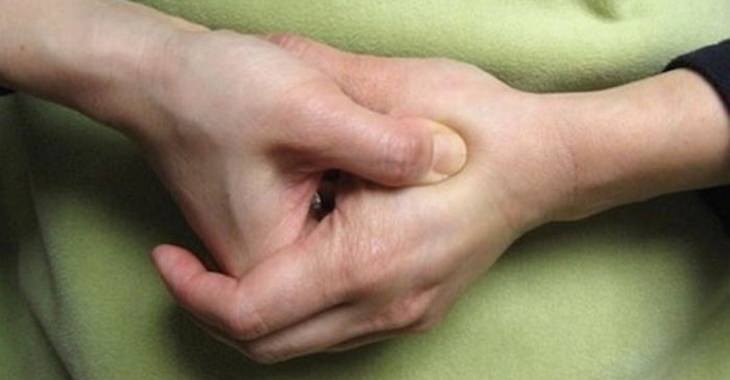
2. Great Abyss (LI-4)
pressure points for allergies
This point is between the thumb and forefinger, and it helps open the meridians of the colon and improve the flow of energy in the body, which helps to heal and alleviate allergy symptoms that affect the skin and respiratory system. Press on the point with your thumb for 3-4 minutes on both hands. 
 
Pressure points to prevent urticaria 
Another allergy symptom that affects the skin is urticaria, which is manifested in the form of a rash. In most cases, the rash disappears after exposure to the allergen h,as ended, but this is not always possible, for example, when living with a dog or a cat. Other factors that can cause urticaria are sensitivity to gluten and lactose and these following pressure points will help you get rid of this annoying rash.


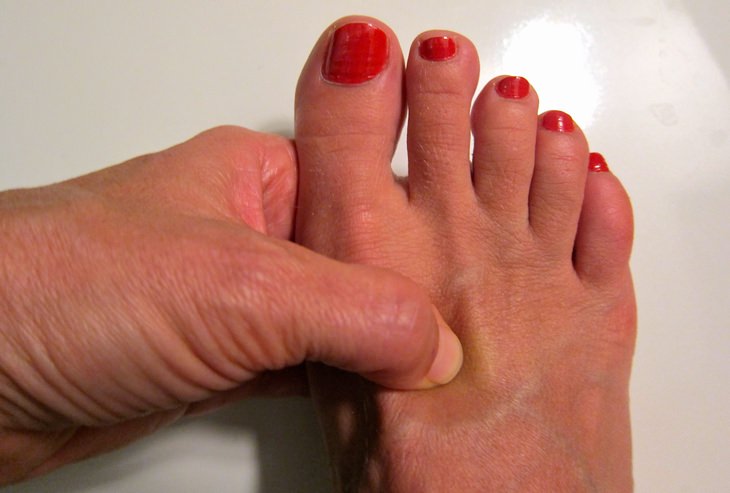
1. Great Surge (LIV-3)
 
pressure points for allergies
This point is between the big and second toe, about 2 cm below the base, and it is recommended to breathe deeply while massaging it. In addition to its beneficial effect against rashes, it also helps to calm the mind. 
 
 
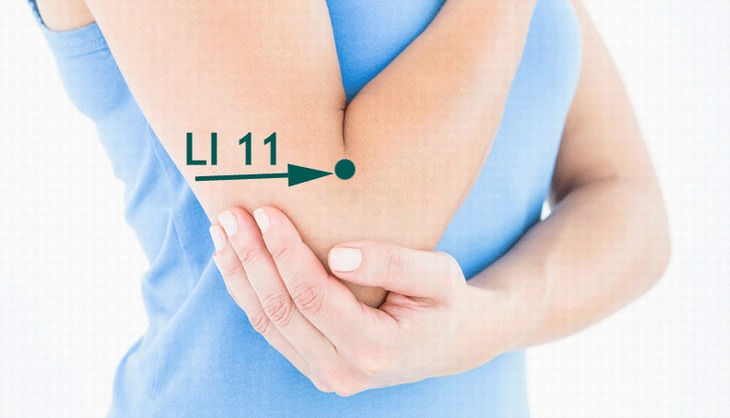
2. Curved Pool (LI-11)
pressure points for allergies
This point is on the outside of the elbow, just at the end of the fold created between the two parts of the arm. In addition to soothing the skin rash, massaging this point also helps reduce blood pressure. Massage it on both arms for 3-4 minutes. 
 
 
Pressure points to prevent edema 
Edema is an allergy phenomenon that is difficult to diagnose, as it often accompanies and exacerbates other allergic reactions. The edema is caused by fluid retention and in Chinese medicine, it is linked to weakness in the spleen and kidney meridians. The following pressure points should restore the condition to normal and prevent the build-up of fluids in different parts of the body. 
 
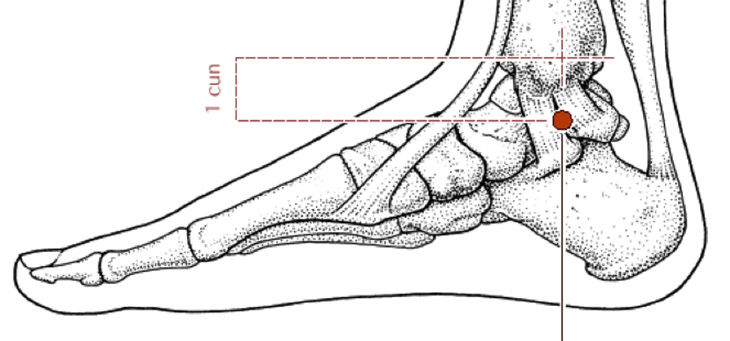
1. Shining Sea (KID-6)
 
pressure points for allergies

This point is a powerful one in the treatment of edema and fluid retention in the body, and it shows good results every time it‘s massaged. You will find it on the inside of the heel, just below the ankle. Press it for a minute on both feet. 
 
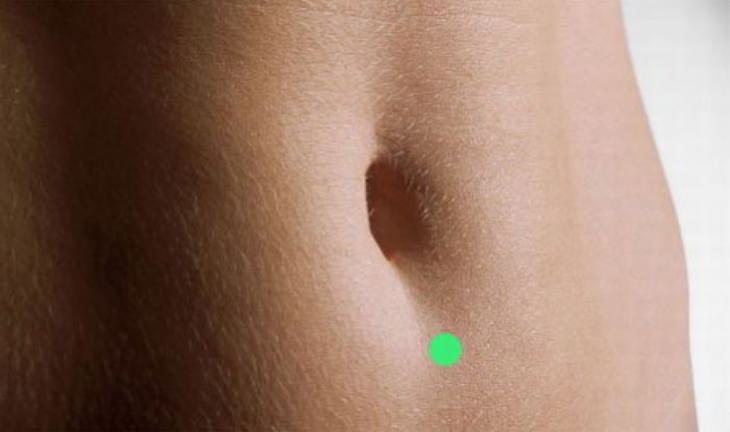
2. Sea of Qi (CV-6)
pressure points for allergies
Many people use this point as well when treating edema, and it is located at a distance of 2 fingers below the navel. In addition to edema, massaging it helps to get rid of chronic diarrhea, constipation, and gas, and is especially important for women with menstrual problems. Press the point to a depth of about 5 cm gently and gradually, while taking deep breaths, do this for 2 minutes.


This is only for your information, kindly take the advice of your doctor for medicines, exercises and so on.   

Labels: , , , , , , ,

Sunday, January 12, 2025

How to Save Your Brain's Memory While Asleep

Our memory is one of the most important things for us—not only as a reminder of our past but also as a foundation of who we are, and without it, it is very difficult to manage in the world. As evidence, consider the hundreds of thousands of people suffering from age-related diseases that affect memory. Therefore, researchers are working day and night to find solutions to these cognitive problems, approaching the issue from different directions. One new and surprising direction comes from the pace of our breathing during sleep. For the first time, researchers have identified the effect of our breathing rate during sleep on memory consolidation, with significant implications for those suffering from sleep-related breathing disorders.
Breathing synchronizes brain waves that support memory consolidation 
The research in question was conducted at Massachusetts General Hospital in Boston and by researchers at Northwestern University in Illinois. According to the researchers, our breathing during sleep acts like an orchestra conductor in "playing" the brain waves that enhance memory during sleep. This is the first time that the breathing process has been linked to the brain waves in the hippocampus—the part of the brain that plays a significant role in memory and navigation. In this part of the brain, there are three types of waves related to memory consolidation: slow waves, sleep spindles, and hippocampal ripples. Scientists knew these waves were connected to memory, but not what drives them.

"To strengthen memory, three types of brain waves are generated and synchronized in the hippocampus during sleep, but until now, we believed they occurred at random times," says Christina Zelano, one of the study's authors and a professor of neuroscience at Northwestern University. "We discovered that they are coordinated by our breathing rate." The researchers found that brain waves are generated at specific times within the breathing cycle, suggesting that breathing during sleep is crucial for setting the correct rhythm for memory consolidation. 
 
What does this mean for people with sleep-related breathing problems?
 
These findings have significant implications for anyone suffering from sleep-related breathing disorders, such as sleep apnea—a condition previously linked to memory consolidation issues. Even in ancient Rome, it was understood that memory is "written" in the brain during sleep. In his writings, rhetorician Quintilian noted how a good night's sleep strengthens memory, describing what we now call "memory consolidation." 
 
"When we sleep, our brain replays experiences from the day," explains Andrew Sharif, a postdoctoral researcher from Zelano's lab who participated in the study. He shares his personal experience after returning from a conference in Reykjavik, Iceland, where he gradually learned to navigate the city. "The hippocampus plays a significant role in creating a map of a new area. I would wake up feeling like I knew the city better. This happened thanks to memory consolidation during sleep, which is influenced by brain waves, which, in turn, are influenced by breathing, as we discovered." 
 
Sharif recommends that anyone suffering from sleep-related breathing problems seek treatment and solutions. "When we don't sleep enough, our brain suffers. It affects cognition, and we feel foggy," he says. "We also know that issues affecting breathing during sleep are linked to stroke, dementia, and Alzheimer's," he adds.

"If you listen to someone breathing in bed, you can even tell when they fall asleep, as our breathing rate changes during sleep. One of the reasons for this is likely that breathing performs an important task—it coordinates the brain waves associated with memory."
 
How can you tell if you have a sleep-related breathing problem? 
 
Unfortunately, most people with sleep apnea are unaware of it, so it is more likely that your partner will notice and tell you about the problem, such as if you stop breathing at night or if you snore or breathe irregularly. You can also go through this list to check for silent signs of sleep apnea. 
 
If you find that you do suffer from sleep apnea, it is advisable to consult a doctor. They may recommend treatment options, including weight loss, adopting a different sleeping position, using a sleep device, or, in severe cases, surgery. In general, it is advisable to avoid alcohol or unnecessary sedatives before bed and try not to sleep on your back, as this position can make breathing more difficult for those with sleep-related breathing issues.


Labels: , , , , ,

Monday, January 31, 2022

Anxiety to back pain: Here are 11 heart attack warning signs you should never ignore

Is there something wrong with your body, especially your heart? Would you know it? Not all heart issues and illnesses come with obvious warning signs. Some heart issue signs don't even happen in your chest, and it's not always easy to tell what's going on in that vital part of your body. Also, as movies show, an actor having a heart attack clutch their chest, rolling back their eyes or groaning in the severe pain and later collapsing on the floor, it is not the same in real life.

The real pain you experience when you have a heart attack may be less dramatic, and sometimes you will get confused with acidity or back pain, but it can be dangerous. So here are 11 heart attack warning signs that may surprise you.

  1. Uncomfortable pain and pressure on the chest (sometimes crushing), squeezing, tightness, fullness on the chest. It lasts more than a few minutes or goes away and comes back.
  2. Problems breathing
  3. Trouble sleeping
  4. Unusual tiredness
  5. Pain or discomfort in one or both arms, the back, neck, jaw, shoulders and stomach
  6. Shortness of breath.
  7. Severe heartburn
  8. Cold sweat, nausea, vomiting or lightheadedness
  9. Throat or Jaw Pain
  10. Anxiety
  11. Indigestion

Beware of these heart attack signs, and don't ignore them. Even if you're not sure you have a heart attack, just get into the emergency department of a hospital and clearly explain to the duty doctor your condition that they can administer it as per the protocol.

And always remember the best way to prevent heart attacks or heart problems in the first place is to get your heart checkout (ECG and ECHO) regularly after you cross 40. Also, keeping your blood pressure (BP), diabetes, and cholesterol at normal levels will be good for your heart.

This is only for your information, kindly take the advice of your doctor for medicines, exercises and so on.   

https://gscrochetdesigns.blogspot.com. one can see my crochet creations  
https://gseasyrecipes.blogspot.com. feel free to view for easy, simple and healthy recipes    
https://kneereplacement-stickclub.blogspot.com. for info on knee replacement


Labels: , , , , , , , , , , , ,