Monday, May 19, 2025

These Pressure Points Will Help Alleviate Allergy Symptoms

Allergies are not a disease, but they do have an adverse effect on the body and bother us no less, as any person who suffers from them can testify. Some people suffer from this phenomenon due to inhalation of certain allergens, while others experience it due to contact with allergens or the ingestion of them. 

During the transition seasons, the chances of exposure to these substances increase, so many people experience headaches, weakness, itching, and a host of similar symptoms. These symptoms are usually treated with different medications, but allergy symptoms can also be treated naturally, with a pressure point massage existing for each individual symptom, which you will get to know all about below.

pressure points for allergies
Pressure points for treating respiratory problems 
An allergy that affects the airways and causes symptoms such as difficulty breathing, coughing and worse are very dangerous, and it can occur after exposure to the venom of certain insects, with a bee sting allergy being the most common. When you have an allergic reaction, you should quickly seek medical help, but while you wait for medical help to arrive, you can massage the following pressure points to help calm your symptoms. 
 
1. The Elegant Mansion (K-27)

 
pressure points for allergies

You will find these points on both sides of the chest just below the collarbone next to the sternum. Massaging these two points helps prevent respiratory blockage, as well as treats chest pain, shortness of breath, cough, bronchitis, and anxiety. Press the points with your index finger for 3-4 minutes. 
 
 
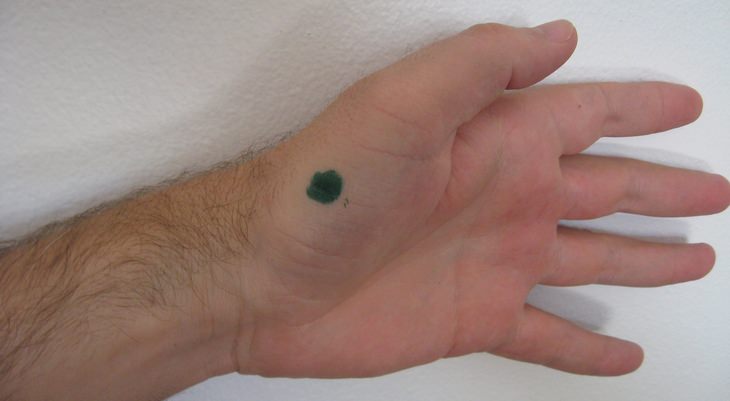
2. Fish Border (Lu-10)
pressure points for allergies
This pressure point is known to help treat breathing difficulties, and no breathing difficulty treatment is complete without massaging this point. It is located in the fleshy part under the thumb, between the wrist and thumb joint. Massaging it reduces chest pain, shortness of breath, and asthma attacks. Press for 3-4 minutes on both hands.


Pressure points to prevent a runny nose  
Allergic rhinitis is usually caused by exposure to dust or animal fur and is not a response that endangers the body. However, it is unpleasant and harms the quality of life, but with the help of these 4 pressure points in your facial area, you can get rid of the annoyance in your airways. ( see my next post)
 
Pressure points to prevent eczema 
There are allergic reactions that cause us itchiness and redness, pestering and irritating areas of the skin, which after some time will become scaly. This is eczema, most often caused by exposure to allergens found in animal fur. You can prevent it from appearing and soothe it with the following pressure points. 
 
1. Wind Pool (GB-20) pressure points for allergies

 
pressure points for allergies

These points are on the sides of the base of the skull, right in the area where the neck begins. They are often used to release a stiff neck, but they can also help prevent the exacerbation of eczema caused by an allergy. Press the points for 3-4 minutes. 
 
 
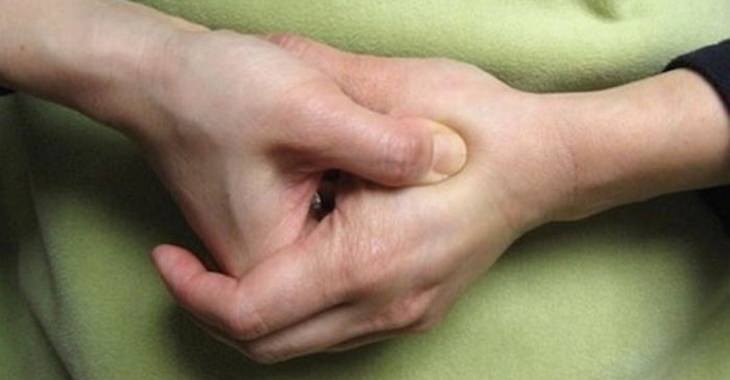
2. Great Abyss (LI-4)
pressure points for allergies
This point is between the thumb and forefinger, and it helps open the meridians of the colon and improve the flow of energy in the body, which helps to heal and alleviate allergy symptoms that affect the skin and respiratory system. Press on the point with your thumb for 3-4 minutes on both hands. 
 
Pressure points to prevent urticaria 
Another allergy symptom that affects the skin is urticaria, which is manifested in the form of a rash. In most cases, the rash disappears after exposure to the allergen h,as ended, but this is not always possible, for example, when living with a dog or a cat. Other factors that can cause urticaria are sensitivity to gluten and lactose and these following pressure points will help you get rid of this annoying rash.


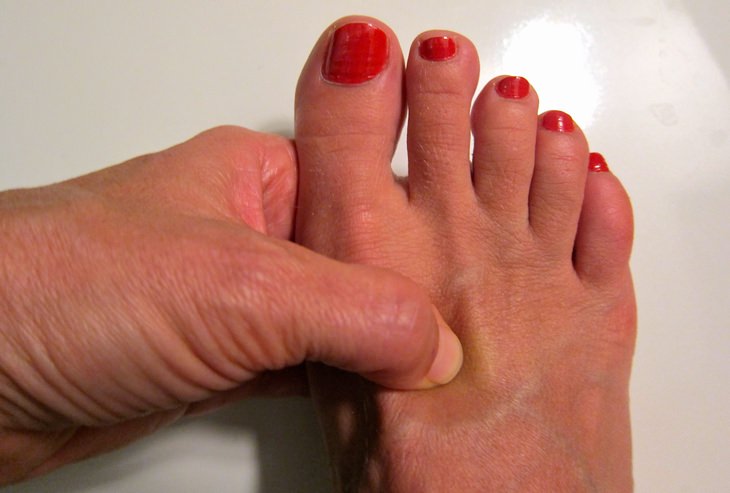
1. Great Surge (LIV-3)
 
pressure points for allergies
This point is between the big and second toe, about 2 cm below the base, and it is recommended to breathe deeply while massaging it. In addition to its beneficial effect against rashes, it also helps to calm the mind. 
 
 
2. Curved Pool (LI-11)

pressure points for allergies
This point is on the outside of the elbow, just at the end of the fold created between the two parts of the arm. In addition to soothing the skin rash, massaging this point also helps reduce blood pressure. Massage it on both arms for 3-4 minutes. 
 
 
Pressure points to prevent edema 
Edema is an allergy phenomenon that is difficult to diagnose, as it often accompanies and exacerbates other allergic reactions. The edema is caused by fluid retention and in Chinese medicine, it is linked to weakness in the spleen and kidney meridians. The following pressure points should restore the condition to normal and prevent the build-up of fluids in different parts of the body. 
 
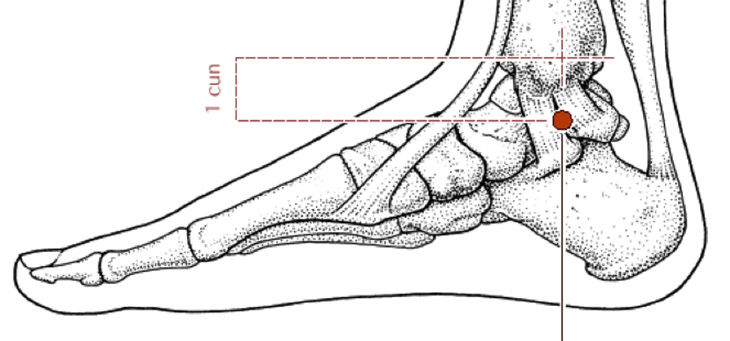
1. Shining Sea (KID-6)
 
pressure points for allergies

This point is a powerful one in the treatment of edema and fluid retention in the body, and it shows good results every time it‘s massaged. You will find it on the inside of the heel, just below the ankle. Press it for a minute on both feet. 
 
2. Sea of Qi (CV-6)

pressure points for allergies
Many people use this point as well when treating edema, and it is located at a distance of 2 fingers below the navel. In addition to edema, massaging it helps to get rid of chronic diarrhea, constipation, and gas, and is especially important for women with menstrual problems. Press the point to a depth of about 5 cm gently and gradually, while taking deep breaths, do this for 2 minutes.


This is only for your information, kindly take the advice of your doctor for medicines, exercises and so on.   

Labels: , , , , , , ,

Tuesday, May 06, 2025

Struggling With Incomplete Bowel Movements? We Can Help

Bowel movements may not be the ideal topic for a dinner conversation, but it’s extremely important to be aware of how your internal systems are functioning. There’s nothing quite as uncomfortable as going to the bathroom and feeling like you’ve not quite finished the job when you leave. Not only is it a physical discomfort but it can leave you wondering if there are bigger issues occurring within your body that are causing it. This guide will help you understand how healthy and unhealthy bowel movements occur, the symptoms of incomplete bowel movements, what can cause it and how it can be treated.  
 
What is an incomplete bowel movement?
Anyone suffering from irritable bowel syndrome (IBS) is likely familiar with the uncomfortable sensation of “incomplete evacuation”. It is a subjective sensation that occurs when one feels like they have not completely evacuated their bowels. However, this struggle is not isolated only to people with IBS. Despite how common this affliction is, there has been limited research done into the symptoms, causes, and treatment of this particular issue. Understanding what causes an incomplete evacuation can go a long way in figuring out self-care strategies to reduce instances of incomplete evacuation. 
 
How does a complete bowel movement occur?
treating the sensation and issue of incomplete bowel movements, illustration of the human digestive tract
After food is eaten, during the process of digestion, stool matter moves through the large intestine, during which water is absorbed from the stool matter. This is what allows the stool to solidify. After this, the stool matter makes its way to the sigmoid colon and then finally to the rectum where it is prepped to be passed. This is meant to happen about one to two times a day, depending on an individual’s biorhythms. 
 
 
What causes an incomplete evacuation?
treating the sensation and issue of incomplete bowel movements, illustration of constipation
While there is still much research to be done to know the general range of causes of this problem, there are two major physiological processes associated with IBS and constipation that are believed to be the cause of incomplete evacuation. The first is called visceral sensitivity, which is when the internal organs, such as the large intestine, the anus, and the rectum have an increased sensitivity to pain. This can affect the passage of the stool through the rectum. 
 
Motility dysfunction is the second possible cause, which inhibits the digestive tract from functioning smoothly. This can affect the formation of the stool and leave you feeling unsatisfied after evacuation. 
 
 
What are your options for treating this?
1. In cases where one suffers from bouts of constipation, it may, in fact, be physiological issues causing the incomplete evacuation of your bowels. Treating the underlying cause of constipation with medications or laxatives may be able to result in healthier and complete bowel movements.

2. Empty the bowels as much as possible routinely, and at the same time every day. For most people, their biorhythm dictates that the strongest urges to evacuate their bowels are in the morning.

3. If you are suffering from dyssynergic defecation, which is a pelvic floor dysfunction of the nerves and muscles of the pelvic floor, this can result in constipation. Biofeedback can be extremely helpful as a treatment. 
 
4. With persons suffering from chronic diarrhea, the sensation of an incomplete bowel movement will often occur following a bowel movement. If this sensation cannot be traced to any physiological issue, it is likely only a feeling. In such cases, it can be helpful to give yourself gentle reminders that the bowel has been fully evacuated. 
 
5. Finally, when you’re on the toilet, it can drastically help the body to use relaxation exercises, which can settle and calm your body, muscles, and nerves which can effectively allow you to pass your stool.


This is only for your information, kindly take the advice of your doctor for medicines, exercises and so on.   


Labels: , , , , ,

Friday, September 27, 2019

Jamun: The Childhood Favourite that can Cure Diabetes

What’s on my plate? Jamun. Also referred to as Jambolan and Java plum, this beloved fruit grows all over India and is harvested during monsoon. Jamun has been tinting tongues purple since time unknown, and is valued in Ayurveda for its curative properties.
Superpower: In Ayurveda, jamun is used to treat diabetes. Its low-glycemic index maintains optimum blood sugar level in the body, and the fruit is also considered to be a blood purifier. In fact, a review on the medicinal properties of jamun published in the journal Food and Nutrition Sciences in 2012 states that jamun seed extract can lower blood glucose, blood urea, cholesterol, and triglyceride levels. Though jamun flesh also has anti-diabetic properties, it is more revered for its high anti-oxidant levels that can slow down the onset of degenerative diseases. Jamun is also a rich source of vitamin C. And many jamun by-products, like jamun vinegar, can help with chronic diarrohea.
Where to buy : Come monsoon, you can find jamuns aplenty at small markets and big grocery store chains alike. Better yet, even in cities like Delhi, you can spot jamun trees at every nook and corner, painting streets purple; so perhaps can let your inner child loose and pluck a few. Jamun juice, vinegar, and squash are also readily available in stores throughout the year.
Eat this: You can pop a few in your mouth and relish jamuns the way they are traditionally meant to be. Or, you can get creative and make jamun jam, jamun tart, jamun lemonade, jamun raita, and even jamun sauce to go with ice cream and pie.


this is only for your information, kindly take the advice of your doctor for medicines, exercises and so on.   
https://gscrochetdesigns.blogspot.com. one can see my crochet creations 
 

https://gseasyrecipes.blogspot.com. feel free to view for easy, simple and healthy recipes    
https://kneereplacement-stickclub.blogspot.com. for info on knee replacement


Labels: , , , , , , , , , , , ,

Monday, January 16, 2017

10 Top Alternatives to Wheat and Wheat Flour

Wheat has been a staple part of our diet for thousands of years. It is used in a wide variety of products, the most popular one, being flour. Wheat, due to its high gluten content, is best suited for making bread and other baked products. Gluten gives wheat flour its strength and elasticity, making it very suitable for baking.
However, a lot of people are allergic or intolerant to gluten, which can cause allergies or celiac disease. A wheat allergy, caused by an adverse reaction to a protein found in wheat, can cause symptoms such as chronic gastrointestinal disturbances, infections, asthma, acne, eczema, joint pains, migraines and fatigue. On the other hand, celiac is an autoimmune disease in which the body's immune system mistakes gluten as an allergen and causes symptoms such as decreased appetite, chronic diarrhea or constipation, vomiting, fatigue and irritability.
Therefore, people who suffer from a wheat allergy or celiac disease must avoid wheat in any form and follow a gluten-free diet. Fortunately, there are many wheat alternatives out there that can be easily included in your diet. These are the top 10 alternatives to wheat and wheat flour:
 
1. Quinoa 
Quinoa, a pseudo-cereal, is a seed that is prepared and consumed like a grain. As it is entirely gluten-free, it can be enjoyed by those who are sensitive to gluten or wheat.
Quinoa is a complete protein source since it contains all of the essential amino acids. Other important vitamins and minerals that can be found in quinoa include phosphorus, copper, manganese, folate, iron, magnesium and zinc. Its crunchy texture and nutty flavor makes it very popular for both children and adults.
Quinoa needs to be boiled before it can be consumed, and then it can be eaten as a side dish or breakfast porridge. It can also be added to salads or soup, or ground up to make quinoa flour.
2. Buckwheat 
Buckwheat also has a nutty, earthy taste. As it is neither a grain nor related to wheat, it's gluten-free and can be safely consumed by those who suffer from celiac disease and gluten intolerance.
Buckwheat is high in fiber, protein, iron, zinc, magnesium, copper and phosphorus. Furthermore, it is a good source of B vitamins such as B6, pantothenic acid, niacin, folate, thiamin and choline. Since these seeds are packed full of antioxidants like tannins, rutin and catechins, they are often called superfoods.
It is so easy to include buckwheat in your diet plan and it comes in the form of groats, noodles, seeds and flour. The groats can be used to make hot or cold cereal. In noodle form, it can be used to make soups and stir-fries. In flour form, it can be used to make muffins, breads, cookies and other snacks.
3. Millet 
With its sweet, nutty flavor, millet is considered to be one of the most non-allergenic grains around. It is one of the few grains that are alkalizing to the body, making it easier to digest.
These gluten-free, grain-like seeds are full of magnesium, manganese, calcium, tryptophan, phosphorus, fiber and several B vitamins. They also have antioxidant powers.  
You can use cooked millet to make breakfast porridge, or you can add it to salads and soups. It's brown-rice-like appearance and texture, makes it a great ingredient to use in pilafs, casseroles and the majority of Asian dishes. Ground millet can also be used in bread, muffin and biscuit recipes instead of the refined flour.
4. Amaranth 
Cultivated by the Aztecs over 8,000 years ago, it became the staple food of the Aztecs and Mayans.
Amaranth is full of protein and fiber, making it filling and very beneficial to your digestive system. It is also a very good source of essential vitamins such as A,C, E, B5, K, B6, folate, niacin and riboflavin. In addition, it contains magnesium, copper, zinc, phosphorus, potassium and calcium. to add to this, it is a powerful antioxidant, anti-inflammatory and immune-boosting agent.
Its light, nutty flavor makes it great to use when making healthy snacks. Its flour can be used to thicken soups, stews, sauces and jellies.
 
5. Oatmeal 
Oats are one of the most popular whole grains in the whole world, and for very good reason. They are safe for those with a gluten allergy and are a very good alternative to wheat.
Oats are full of fiber and other nutrients such as magnesium, iron, potassium, folate, selenium and even plant-based protein. They also contain a small amount of essential fats. Furthermore, they contain powerful phytonutrients and antioxidants that are good for your health.

As some oatmeal brands on the market contain traces of wheat, barley and rye, you should check the label thoroughly before buying some.

Oatmeal is usually eaten for breakfast, but it can be enjoyed at any part of the day. You can add maple syrup, honey, cinnamon, nutmeg, agave nectar or vanilla to it for added flavor and health benefits.
You can also find oat flour on the market, which has a similar nutritional value to oats. When using oat flour, remember that it needs other flours and starches to work in a recipe.
6. Cassava Flour 
This gluten-free flour, made from cassava root, is a great replacement for wheat flour. It is made by grating and drying the fibrous cassava root.
Cassava flour is rich in protein and fiber and is full of vitamin B6, C and K, potassium, folate, manganese, thiamine, copper, magnesium, riboflavin, phosphorus, zinc and niacin.
It's nice smooth texture and mild taste makes it great to use in many different recipes. Cassava flour works as a thickener for sauces, gravy, soups and so on.
7. Coconut Flour 
If you are looking for a very healthy substitute for refined flour to use in baking, coconut flour is a great choice.

This flour is excellent for those with celiac disease or gluten sensitivity. The flour is derived from grating the flesh of fresh coconuts, which is then dehydrated and defatted. The result is a fine powder that looks and feels similar to grain or wheat flours.
Coconut flour is rich in fiber, protein, calcium, manganese, selenium, potassium and phosphorus.  It also has vitamins, including vitamin B6 and C, folate and niacin.

Furthermore, this flour has anti-inflammatory, antibacterial and antifungal properties.

coconut flour can be used in place of wheat flour in many different recipes - from breads to cookies to muffins. It can also be used to make homemade grain-free pizza.
8. Almond Flour 
Almond flour is one of the best alternative to wheat flour. This flour, composed of finely ground almonds, can be used when baking cakes, biscuits, muffins, breads and so on.

Almond flour has the same benefits as a handful of almonds. This flour is gluten-free, low in carbohydrates, and high in fiber and protein. It is rich in vitamins and minerals such as iron, riboflavin, magnesium, potassium, vitamin E and calcium.

Due to its fatty acid content, it has a short shelf life. Therefore it is recommended that you grind your own almonds prior to use.
9. Brown Rice Flour 
Brown rice flour is great for anyone who suffers from celiac disease. It is milled from unpolished brown rice, so it has a high nutritional value - it is a great source of fiber and healthy carbohydrates. It is also high in iron, vitamin B, protein, manganese, copper, calcium, potassium and phosphorus.

It can be used in baking cakes and cookies and works well in bread recipes. You can also use it to thicken sauces or for coating meats and fish.
10. Corn 
Corn, whether eaten as corn meal or flour, is gluten-free. Both corn meal and corn flour are made using dried corn kernels.
Cornmeal and corn flour are great sources of healthy carbohydrates and fiber. They are rich in antioxidants such as lutein and zeaxanthin that are great for your eyes.

Corn flour can be made into polentas and porridges, and used as breading. You can also use it to thicken liquids and sauces.  When purchasing corn meal or corn flour, check the label thoroughly and opt for organic varieties and avoid GMO corn.

There are many different alternatives to wheat and wheat flour and this includes sorghum, sorghum flour, soy flour, chickpea flour, hemp flour, chia flour, potato flour and potato starch flour.

this is only for your information, kindly take the advice of your doctor for medicines, exercises and so on.
https://gscrochetdesigns.blogspot.com. one can see my crochet creations

https://gseasyrecipes.blogspot.com. feel free to view for easy, simple and healthy recipes  
https://kneereplacement-stickclub.blogspot.com. for info on knee replacement

Labels: , , , , , , , , , , , , , , , , , , ,