Sunday, March 19, 2023

Never Eaten Artichoke Leaves? Here’s Why You Should!

Some people go through a lifetime without ever tasting artichoke, but by doing so they deprive themselves of the many important health benefits attributed to them. Although artichoke hearts are the main part that we consume, it is recommended that you also start to eat the leaves, which contain most of the important nutrients in the vegetable, including a huge amount of antioxidants. 
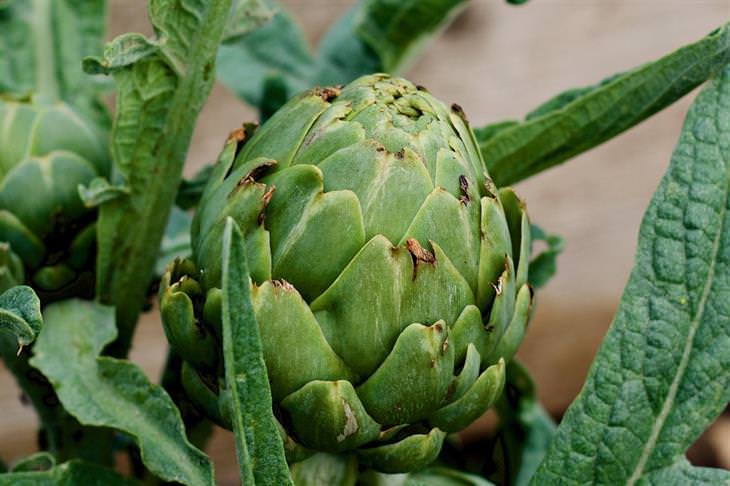
 artichoke
Eating artichoke has many health benefits, and in the next article you’ll get to know 7 of them that will make you want to add it to your menu regularly, and at the end you’ll also find how to choose and prepare the artichokes, including the leaves if you didn’t already know how to.
1. Protects against cancer  
Artichokes have antioxidants and phytonutrients, such as quercetin, rutin, cysteine, and gallic acid, and are therefore included on ORAC – a list of the most antioxidant-rich foods. One of the major advantages of this ability is the prevention of many different types of cancer, especially breast cancer, due to the fact that cancer cells develop, among other things, because of a high amount of free radicals in the body.

2. Fights cardiovascular disease 
Artichoke consumption is associated with a reduction in the amount of bad cholesterol in the blood, and it also prevents inflammation and improves blood flow in general. High cholesterol and inflammation increase the risk of heart disease, but the potent cysteine in artichoke is one of the best substances in nature to lower cholesterol levels. For this purpose, it is better to consume artichoke leaves over artichoke hearts.

3. Improves digestion processes 
Artichoke consumption helps reduce symptoms of gastric problems, so artichoke is included in the GAPS diet, which is designed for various stomach diseases. The cysteine in artichoke helps to increase the production of gastric juices, a process that occurs in the liver, which helps the stomach absorb the food we consume more efficiently. In general, eating artichokes helps prevent irritable bowel syndrome, constipation, diarrhea, and swelling. 
artichoke
4. Helps in weight loss 
Artichokes have a very high amount of fiber, which helps food pass smoothly through the intestines and helps remove waste from the body, which includes excess sugar and toxins. In addition, fiber consumption makes us feel more satisfied after a meal, and many studies have shown that soluble fiber intake, such as those found in artichokes, helps prevent the storage of abdominal fat, which is considered to be extremely dangerous.

5. Improves cognitive functioning 
The artichoke contains about 12% of the recommended amount of vitamin K per day, and this vitamin may be especially important for preventing nerve damage caused by the aging process, according to a study published in the English journal Hypatheose. Eating artichokes can help prevent dementia and Alzheimer's disease, which increases the risk of aging. 
 
6. Prevents anemia 
Vitamin K in artichoke is important for increasing the amount of iron in the blood, and because most of the iron in our body we consume from animals, if you maintain a vegetarian or vegan diet, the artichoke is one of the foods that you must put into your regular menu. Low levels of iron lead to anemia, and in this condition the blood fails to deliver enough oxygen to all parts of the body, leading to fatigue, a weakened immune system, and stomach problems. For women, artichoke intake is generally recommended, as iron deficiency is a more common problem for them, especially before menopause.

7. Strengthens bones Another important role of vitamin K is the production of bone tissue, and because artichoke also contains vitamin C, it helps to inject collagen into the body which also helps this process. Along with these vitamins, magnesium and potassium in artichokes also play a role in building the bones, so eating artichokes regularly helps keep bones stronger and healthier. 
 
How to choose and prepare artichokes 
When you buy artichokes, make sure they’re green and don’t look dry. The most obvious sign of fresh artichoke is closed leaves, which indicate that they are also soft to eat - press them a little and if you hear a "crunching" sound you’ll know for sure that the artichoke is fresh. To eat it, rinse it first with cold water and clean it thoroughly with a brush. Cut about 2.5 cm from the top and the stem, then separate the leaves from the center of the vegetable, and sprinkle a little lemon juice between them to prevent them from browning during cooking. You can steam, cook or bake the artichokes: 
 
Steaming: Place the artichoke face up on a steamer and leave it there for 30 minutes once the water is boiling, or more depending on the size of the artichoke. You can add garlic cloves to enhance its taste, and you should know that steaming is the best cooking method as it allows the artichoke to keep its nutrients. 
 
Cooking: Put the artichoke in a pot with boiling water and cook it for 30 minutes in simmering water. 
 
Baking: Sprinkle a favorite spice over the leaves and pour some olive oil. Wrap the artichoke in two layers of aluminum foil and place it on a baking pan. Bake at 220 degrees for about an hour, and be careful not to bake it too little or too long - when done properly, the artichoke will have a creamy texture and won’t fall apart. Keep in mind that the larger the artichoke, the longer the baking time. The time mentioned here is for medium sized artichokes.


This is only for your information, kindly take the advice of your doctor for medicines, exercises and so on.  

https://gscrochetdesigns.blogspot.com. one can see my crochet creations  
https://gseasyrecipes.blogspot.com. feel free to view for easy, simple and healthy recipes    
https://kneereplacement-stickclub.blogspot.com. for info on knee replacement
https://GSiyers home remedies.blogspot.com     is my latest addition to my blogs. I'm going to add posts there, do give me your valuable feed back on my blogs. Thanks a lot, take care, be healthy and be happy.  

Labels: , , , , , ,

Friday, February 22, 2019

The healthiest snack you can eat on a weight loss diet

A weight loss diet is quite difficult to follow. While you may plan your breakfast, lunch and dinner, what messes up your weight loss efforts is the mid-day snack. When you feel hungry between meals and do not have the right snack to eat, you may eat something high-calorie and mess up your diet. 

Not eating for too long also increases hunger causing you to overeat. Another effect of starving is that cravings increase manifold and you are then tempted to eat something sweet or “tasty” which brings the cheat day way too early in the week, messing up your diet. While there are plenty of snack options like nuts, fruits and other available, they may not be suited for both vegetarians and non-vegetarians. Here is a snack that is not only a favourite food of many, is extremely nutritious and is also perfect to fill up your stomach, reduce cravings and help in weight loss.

Cottage cheese for weight loss

Cottage cheese is high on protein which makes it an ideal food for a low-carb, high-protein weight loss diet. Protein is important for weight loss as it helps in burning fat for energy. Cottage cheese is also filling and therefore keeps you fuller for longer, keeping you from overeating and also reducing cravings.

Cottage cheese contains conjugated linoleic acids. CLA is a fatty acid and is a popular weight loss supplement.

How to consume cottage cheese for weight loss?

Eating raw cottage cheese with a dip or just some salt sprinkled on it is a great way to eat cottage cheese as a snack. You can also roast or grill cottage cheese cubes which might taste better. Clubbing cottage cheese with any nuts, seeds, or fruit can also serve as a good snack option.

Do not consume cottage cheese in the form of curries like Paneer Butter Masala, or Paneer Tikka, because these contain oil, butter and various other ingredients that will do anything but aid your weight loss efforts. Remember that not only is the food item and its composition important, it is also important to note what you are clubbing it with.

THIS IS ONLY FOR INFORMATION, ALWAYS CONSULT YOU PHYSICIAN BEFORE HAVING ANY PARTICULAR FOOD/ MEDICATION/EXERCISE/OTHER REMEDIES.                                    PS- THOSE INTERESTED IN RECIPES ARE FREE TO  VIEW MY BLOG-                                                                                           https://gseasyrecipes.blogspot.com/                                                                                                                                                         FOR INFO ABOUT KNEE REPLACEMENT, YOU CAN VIEW MY BLOG-                                                  https:// kneereplacement-stickclub.blogspot.com/           

                                                                           FOR CROCHET DESIGNS                                                                                                                                                                                                  https://gscrochetdesigns.blogspot.com

Labels: , , , , , , , , , , ,

Thursday, July 05, 2018

Nutritional benefits of Mangoes

Mangoes are called the king of fruits. Everyone knows that India's Alphonso mangoes are world famous and are shipped in 1000s of crates during the season throughout the world. This fruit has unique flavour, texture and can be eaten plain, as smoothies, mango milkshake, mango lassi, mango ice-cream, mango halwa/ pudding, pickle ! There are so many different varieties of mangoes that are available throughout the world, even in India, at the beginning of mango season, we get 2 types of mangoes, then once peak summer starts, we get still different varieties, later on, as monsoon starts, we get still different types, some famous ones other than Alphonso are, malgoa, chaunsa- this is basically a small variety, in which you can just suck the juice out of the mango !

A single mango has about 107 calories. It also contains the following nutrients:
Vitamins
Vitamin A (1262 IU) is the most prominent nutrient in mangoes. Other vitamins include vitamin C (45.7 mg), vitamin E (1.8 mg), vitamin K (6.9 mcg), thiamin (0.1 mg), riboflavin (0.1 g), niacin (1 mg), vitamin B6 (0.2 g), folate (23.1 mcg), pantothenic acid (0.3 mg), and choline (12.5 mg).
Minerals
A single mango contains iron (0.2 mg), potassium (257 mg), calcium (16.5 mg), phosphorus (18.2 mg), sodium (3.3 mg), zinc (0.1 mg), copper (0.2 mg), and selenium (1 mcg).
Other Nutrients
The fruit also contains protein (0.8 g), fiber (3 g), and carbohydrates (28 g).
These vitamins and minerals render mangoes their many benefits – which are what we will look at now!

Health Benefits Of Mangoes

We have already seen a brief about how mangoes can be good for your health. Now, we move to the specifics. Following are the many ways mangoes can benefit you.

1. Prevent Cancer

The pulp of the mango fruit contains carotenoids, ascorbic acid, terpenoids, and polyphenols – all of which are responsible for the fruit’s cancer-preventing properties . Mangoes are also found to contain unique antioxidants that are absent in other fruits and vegetables . A  study conducted in 2010 also supported the anti-carcinogenic effects of mangoes.

The anticancer properties of mango are also attributed to mangiferin, a compound primarily found in the fruit. Another study conducted in 2015 found that mango polyphenols suppress breast cancer . Mangiferin has also been found to inhibit the growth of colon and liver cancer cells and other tumor cells as well.

According to a report published, the polyphenolic compounds in mangoes have antioxidant properties that help decrease oxidative stress (oxidative stress can lead to chronic diseases like cancer). In addition, these compounds were also found to be anti-inflammatory.

2. Prevent Heart Disease

Mangoes could help reduce body fat and control blood sugar. According to a report published , mangoes contain numerous minerals and phytochemicals that were found to have positive effects on body fat and glucose .

Mangoes are a rich source of beta-carotene, an antioxidant that helps fight free radicals that cause heart disease .

3. Help Lower Cholesterol

Mangoes contain pectin that was found to decrease the serum cholesterol levels .
In another study, mangiferin (one of the primary compounds in mangoes) lowered the cholesterol levels in lab rats. It was also found to increase the levels of HDL (high-density lipoprotein), the good cholesterol .

4. May Help Treat Diabetes

What is the relation between mango and diabetes? A study of 20 obese adults showed that the consumption of half a fresh mango for 12 weeks results in lowered blood glucose levels. This effect, according to researchers, was attributed to the presence of fiber and mangiferin, a phytochemical.
Another study conducted in Mysore proved that the extract of a mango peel has antidiabetic properties.

A  study showed that mangiferin might have beneficial effects on type 2 diabetes patients .

5. Promote Healthy Sex

Mangoes can be good aphrodisiacs too !

The fruit is rich in vitamin E, which is known to boost sex drive . In a study, the combination of vitamin E and beta-carotene was found to improve sperm health in men. This combination was also found to be the best defense against sperm damage. In another report published, vitamin E was found to protect the sperm membrane from oxidate damage .

Zinc is another important mineral for male and female fertility, and mangoes are rich in it .

6. Improves Digestion

One primary reason mangoes are great for digestion is the presence of fiber that prevents constipation. Fiber also keeps us full for long. It keeps our colon clean and allows it to work optimally. In addition, mangoes contain certain digestive enzymes that break down proteins and aid digestion.

Fiber has also been found to maintain the health of the digestive tract, which invariably enhances digestion .

7. Mango During Pregnancy

Mangoes are rich in iron and vitamins A, C, and B6 – all of which are beneficial for pregnant women.
Vitamin A helps fight infections and prevents vision problems in newborns.

8. Aid Weight Loss

Certain studies have focused on the importance of not just the mango fruit, but its skin as well. The secret lies in the phytochemicals that act as natural fat busters, which are found only on the outer side of the fruit .

Another study emphasized the importance of the mango peel (which most of us usually throw away) for weight loss .

Mangoes contain fiber, which can be a great contributor towards weight loss. In a study, it was proved that dietary fiber, especially obtained from the consumption of fruits and vegetables, can aid weight loss . This is related to the ability of fiber to decrease food intake in general, thereby promoting weight loss.

9. Help Prevent Asthma

Asthma, though common, can have serious repercussions. But with a bowl of mangoes on your kitchen counter, you probably don’t have to worry much.

Mangoes are an excellent source of vitamin C . Though most studies have warranted further research on the link between vitamin C and asthma treatment, they do state that vitamin C might have beneficial effects in certain cases.

10. Improve Eye Health

The most delicate, but one of the most important organs of your body – the eye. And coming to your eye health, mangoes are more than good. They are incredible.

The vitamin A and beta-carotene in mangoes help boost eye health. The severest cases of vitamin A deficiency can even lead to blindness. A report published seconds the fact. Vitamin A improves eye health and vision. Specifically speaking, the vitamin is essential for the optimal functioning of the retina 

The human eye has two major carotenoids – lutein and zeaxanthin. Mangoes are a rich source of zeaxanthin and invariably help improve eye health.

According to a study, mangoes contain a carotenoid called cryptoxanthin that was found to reduce the risk of age-related macular degeneration in elderly . And according to experts, zeaxanthin in mangoes also helps prevent macular degeneration .

11. Promote Brain Health

Mango, being a great source of iron and vitamin B6, is one of those ideal foods for brain health. Iron aids the normal functioning of your brain and vitamin B6 supports its cognitive development .
A study conducted proved that mango extracts contain certain principles that enhance memory. Another Thailand study attributed the neuroprotectant properties of mangoes to its extracts .

12. Regulate Blood Pressure

Mangoes are rich in potassium, a key mineral that helps lower blood pressure. As per a report published , mangoes are a rich source of potassium and can help prevent hypertension .

13. Enhance Skin Health

The skin is the largest organ of the body, and we seldom take care of it. With mangoes around the corner, this shouldn’t be a problem anymore. In a study conducted in 2013, mango extracts were found to act against the UVB-induced skin aging in mice.

As already discussed, mangoes are rich in beta-carotene and vitamin A, and as per a study, these carotenoids can help enrich skin health  Beta-carotene is also a photoprotective agent and it quenches the photochemical reactions in the epidermis, thereby protecting the skin from the ultraviolet rays .
According to another study, the polyphenols in mangoes exhibit anticancer activity and hence can prevent skin cancer.

Vitamin A has also been found to reduce oil production on the skin. So, if your acne has been bothering you, including mangoes in your diet can be a wise idea . The vitamin can also aid skin growth and repair, and reduce fine lines as well.

14. Improve Immunity

Being rich in vitamin C, mangoes play a major role in strengthening one’s immunity. Apart from vitamin C, mangoes also are a good source of zinc, which is important for maintaining the overall health of the immune system .

As per a study conducted, vitamin C is known to reduce the severity of allergies and helps fight off infections . And according to an article published , vitamin C primarily protects the body’s cells from reactive oxygen species (that are generated by the immune system to kill pathogens).

15. Can Help Treat Kidney Stones

Mangoes are rich in vitamin B6, and as per an American study, this vitamin might reduce urinary oxalate (the oxalate stones). The potassium in mangoes is also found to lower the risk of kidney stones .

16. Boost Bone Health

The presence of vitamin A is what makes mangoes one of the good foods for bone health . An article published  also supports the role of vitamin A in bone growth.

The vitamin C in mangoes aids the formation of collagen, which has a role to play in the making of bones and connective tissues .

Mangoes also contain lupeol, a compound that exhibits beneficial activity against inflammation and arthritis .

17. Might Treat Anemia

Given their iron content, mangoes are beneficial for individuals and pregnant women suffering from anemia .
Mangoes, given their vitamin C content, even help in the proper absorption of iron in the body. This ultimately helps combat anemia.

18. Help Fight Heat Stroke

Ripe mangoes are considered refreshing. The juice can be used as a restorative tonic to fight heat stroke .

Raw mangoes have also been found to be energizing, allowing one to cool off the heat. Mangoes also keep the body well hydrated, which is one more reason they are preferred in hot summers.

Also, since mangoes are a rich source of potassium, they help maintain the levels of sodium in the body. This regulates the fluid level in the body and prevents heat stroke.

19.Improves Hair Health

Mangoes are rich sources of vitamin C, and hence promote collagen production for healthy hair . If you have dull hair and are wondering how to make it shiny, include vitamin A in your diet – it has scalp conditioning properties .

Orange fruits, like mangoes, are also known to provide nourishment to hair and treat dandruff . This can be attributed to the presence of beta-carotene.

20. Might Help Treat Diarrhea

Not the fruit, but its leaves. Mango leaves are rich in tannins and can be dried and consumed for treating diarrhea . In some parts of the Caribbean Islands, the mango leaf decoction is used to treat diarrhea

Other Benefits Of Mangoes

  • Mangoes are also found to exhibit anti-ulcer activity, given the presence of tannins, flavonoids, and saponins .
  • The mango fruit peel can also help cure hangovers .
  • Mangoes can improve liver health as well .
  • The fruit also keeps your thyroid gland functioning optimally .
Not just the benefits, there are also certain facts about mangoes you would want to know!

Mango Side Effects

1. Allergies

Certain individuals were found to be allergic to mangoes. These allergies include contact dermatitis, food hypersensitivity, etc. A study conducted by the University of Delhi stated that this could be due to sensitivity to mango in packaged or canned forms (like jams, juices, etc.) (75).

2. Itchiness, which can lead to other severe side effects

Also called the mango latex allergy, this causes extreme irritation at the angles of the mouth, lips, and the tip of the tongue. Severe cases can include vomiting, respiratory difficulties, and even diarrhea (76).
Though the fruits come with certain side effects, they are largely outweighed by the benefits. And what’s best – they are tasty and juicy, and there wouldn’t be a soul who doesn’t love them!
But if you are someone with a medical condition, it always is better to consult your doctor before consuming the fruit.

Are mangoes good for dieting?
A half cup of sliced mangoes contains just about 50 calories. You can replace any of your high-calorie snacks with a mango. It fills your stomach and curbs your hunger.
More importantly, mangoes are a rich source of fiber that is known to aid digestion and keep you feeling full for longer periods. Hence, if you are dieting, mangoes can be a very good addition to your diet.

Can babies have mangoes?
Yes, mangoes are safe for babies. They aid digestion and even build the baby’s immunity. They also promote brain development, something vital for babies.
However, there are certain allergy concerns with respect to the skin of the fruit. Touching the skin of the mango can cause an allergic reaction around your baby’s mouth. This allergy, according to certain experts, can be found in the form of diaper rash.
The best way to deal with this is to peel the mango completely before feeding it to your baby. You can mash the fruit and even add it to the food.

Are mangoes high on sugar?
A half cup of diced mango contains about 70 calories, most of which come from sugar. So yes, mangoes are high in sugar (roughly about 31 grams per mango). But the good news is mangoes don’t affect your blood sugar levels as much as other fruits with a high sugar content.
The fruit is also low in calories (110 calories per fruit), and its sweetness can deter you from having other sugary (and unhealthy) snacks.

Can you eat mango peel?
As we have already discussed, the peel contains essential nutrients. It might taste bitter, but contains healthful compounds like mangiferin. So yes, you can eat the mango peel.
However, if you happen to develop a reaction to mango skin, it’s better you don’t eat it. Certain individuals develop allergies around their mouth when they consume the peel.

No doubt, these benefits of mangoes are amazing – and including them in your diet will surely make you healthier and stronger.
Why wait, start reaping the best mango benefits today! You will definitely thank yourself!

THIS IS ONLY FOR INFORMATION, ALWAYS CONSULT YOU PHYSICIAN BEFORE HAVING ANY PARTICULAR FOOD/ MEDICATION/EXERCISE/OTHER REMEDIES.                                                                                                                                                                                                        PS- THOSE INTERESTED IN RECIPES ARE FREE TO  VIEW MY BLOG-                                                                                           https://gseasyrecipes.blogspot.com/  


FOR INFO ABOUT KNEE REPLACEMENT, YOU CAN VIEW MY BLOG-                                                                                        https:// kneereplacement-stickclub.blogspot.com/                              
FOR CROCHET DESIGNS                                                                                                                                                                                                                                 https://gscrochetdesigns.blogspot.com


Labels: , , , , , , , , , , , , , , , ,

Friday, July 10, 2015

Health Benefits Of Cauliflower

This Week in Health Tips!
THIS IS ONLY FOR INFORMATION, ALWAYS CONSULT YOU PHYSICIAN BEFORE HAVING ANY PARTICULAR FOOD/ MEDICATION/EXERCISE/OTHER REMEDIES.


PS- THOSE INTERESTED IN RECIPES ARE FREE TO VIEW MY BLOG-
HTTP:GSEASYRECIPES.BLOGSPOT.COM


FOR INFO ABOUT KNEE REPLACEMENT, YOU CAN VIEW MY BLOG
HTTP://KNEE REPLACEMENT-STICK CLUB.BLOGSPOT.COM/

FOR CROCHET DESIGNS- http://My Crochet Creations.blogspot.com/

Labels: , , , , , , , , , ,