Doctors explain how a high-salt and a high-protein diet harm your kidneys
Globally 1 in 10 people is affected by kidney disease
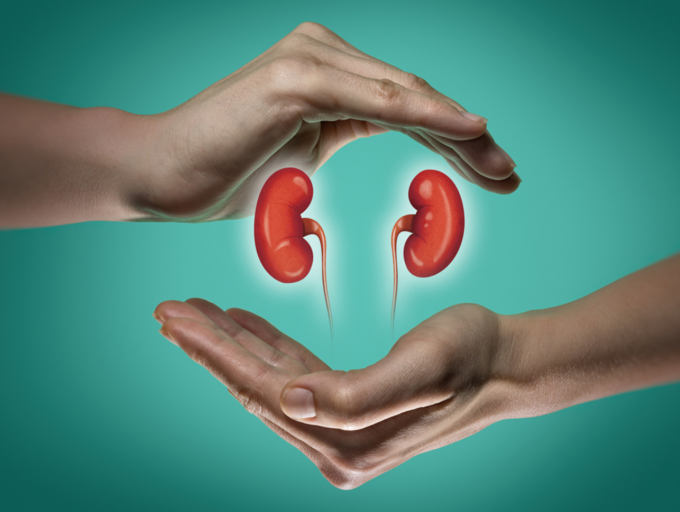
Kidneys are the bean-shaped organs in a human body which function by filtering water and waste and balancing the minerals and nutrients in the blood. One of the vital organs of the body, kidneys help control blood pressure, regulate production of the red blood cells and determine the overall health of the bones.
Every year, World Kidney Day, a joint initiative of International Society of Nephrology (ISN) and the International Federation of Kidney Foundations (IFKF), is observed on the second Thursday of March to raise awareness of the importance of kidneys and to reduce the impact of kidney disease and its associated health problems worldwide.
This year World Kidney Day is on March 10.
As per government report, globally 1 in 10 people is affected by kidney disease.
How do the kidneys regulate the human body?
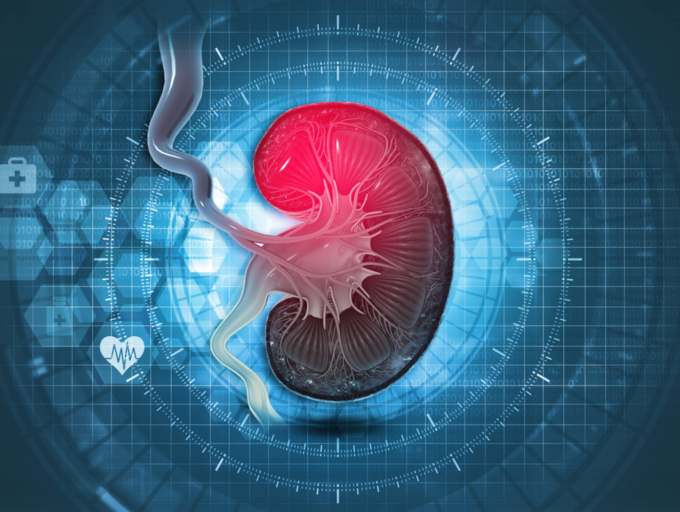
Apart from the known fact that the kidney removes extra waste and fluid from the body there are a number of other functions that these organs perform together. "Your kidneys also remove acid that is produced by the cells of your body and maintain a healthy balance of water, salts, and minerals—such as sodium, calcium, phosphorus, and potassium—in your blood," says National Institute of Diabetes and Digestive and Kidney Diseases.
Kidney controls blood pressure, regulates the formation of red blood cells and keeps the bones strong.
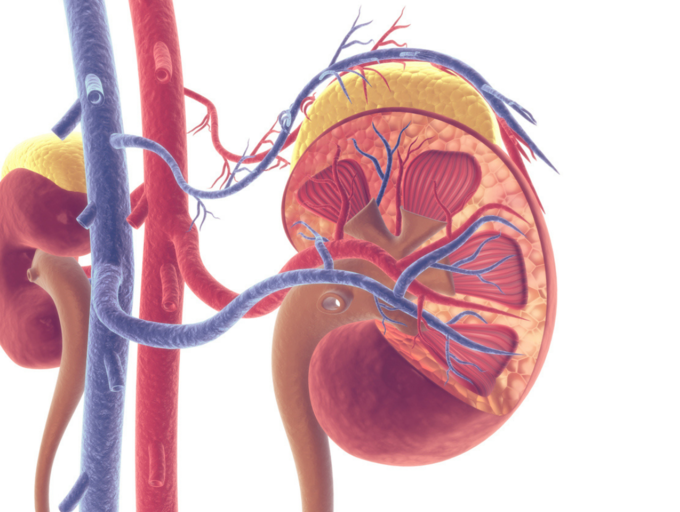
Kidneys are made of nephrons, glomerulus and tubule. The glomerulus filters the blood, the tubule keeps the required essential substances and removes the wastes from the body.
Blood flows into the kidney through the renal artery.
What are kidney diseases?
Kidney diseases occur when the kidneys are damaged and are unable to filter the blood normally. The common kidney diseases are chronic kidney disease caused by high blood pressure, kidney stones formed when mineral in the blood crystallize in the kidneys, glomerulonephritis which an inflammation of the glomeruli, polycystic kidney disease in which cysts grow in the kidneys and urinary tract infections which are bacterial infections in the urinary system and is commonly seen in females.
What are the early signs of kidney disease?

As per experts, kidney disease is treatable if you notice the symptoms early and work on it.
The common signs of kidney disease are trouble sleeping, dry and itchy skin, need to urinate often, blood in urine, lethargy, puffiness around eyes and having foamy urine.
“Swelling in legs and ankles, reduced urine output, poor appetite and muscle cramps are commonly seen in people who have malfunctioning kidneys, says Dr Haresh Patel, Consultant Nephrologist and Transplant Physician, Apollo Hospitals, Ahmedabad.
How can one cut down the risk of kidney disease?
To reduce risk of kidney diseases, one needs to control high blood pressure if hypertensive, control blood sugar if diabetic, avoid smoking, maintain healthy weight, drink enough water, adopt healthy food choices, limit alcohol intake, take medications as prescribed by doctor, should be careful of use of over the counter medicines, and exercise regularly, says Dr Patel.
How can diet help cut down the risk of kidney disease?
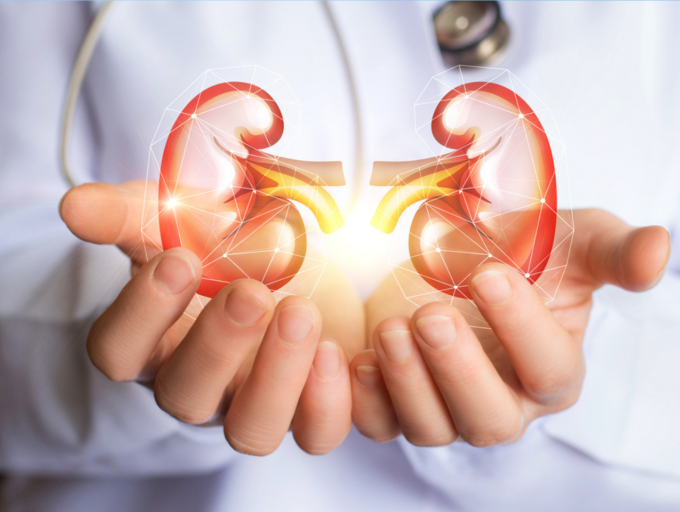
A proper diet can help alleviate the risk of kidney disease, experts say. A low sodium diet is good for health. Having low sodium will put less pressure on kidney functioning and hence would give more time for the organ to heal and slow down the progression of the disease.
“Salt intake should be limited in your diet because it can harm your kidneys (3-4 gm per day). A well-balanced diet rich in vegetables and fruits, as well as fibers, minerals, vitamins, and omega-3 is recommended,” says Dr Neeru P Aggarwal, Senior Director - Nephrology and Kidney Transplantation, Max Hospital Vaishali.
Foods rich in protein, phosphorus and potassium should not be consumed, the doctor adds.
Is there any correlation between COVID and kidney health?
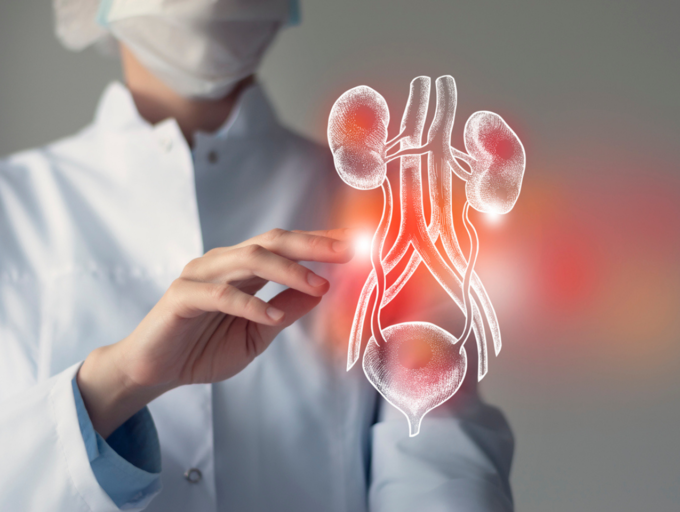
Yes, there is a link between COVID and its impact on kidney health. Many researchers have said kidney disease to be a marker of COVID severity. A study has found that the risk of developing kidney disease rises by almost double in case of COVID patients in comparison to non COVID infected ones.
“High protein diets (without any exercise – as per recommendations) lead to high levels of protein (albumin) in the body. In addition to high cholesterol levels or too low levels of protein result in poor body functioning. When such symptoms collectively persist, it affects the efficient functioning of the kidneys, which is referred to as Nephrotic Syndrome. Though no exact study is established to certainly prove the ill effects of the virus on kidneys, when the infection is higher, the chances of poor renal functions also increases,” says Dr Aggarwal, pressing the lack of physical activity during pandemic to be a chief reason for poor kidney health.
Who is more at risk of developing kidney issues?
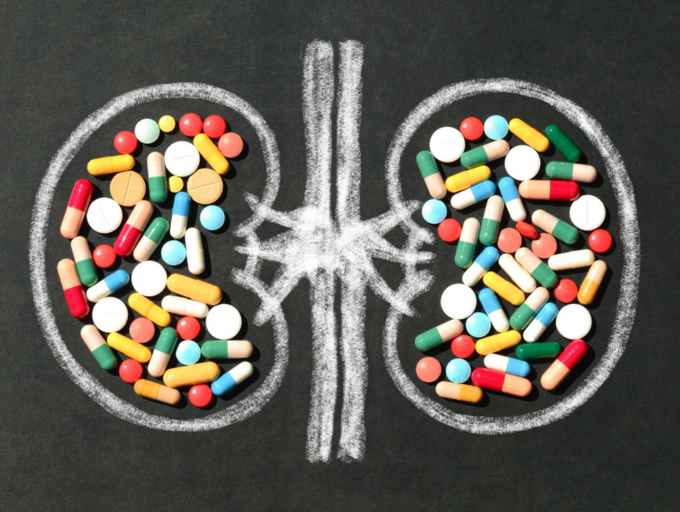
Smoking, obesity, hypertension, and diabetes mellitus can lead to kidney disease.
“Men are twice as likely to suffer from nephrotic syndrome than women. Another major comorbidity that triggers this condition is diabetes in adults that not only restricts the kidney functions but gradually leads to its failure as well. Patients with diabetes and hypertension, which account for more than 60% of chronic kidney disease cases in India, are at a higher risk because these are the main risk factors for renal disease,” says Dr Aggarwal and adds that obese individuals, those with high blood pressure, those with a family history of renal failure, and those who are 60 years and above are also at a higher risk of kidney disease.