Thursday, July 20, 2023

15 Daily Habits That Damage Our Kidneys

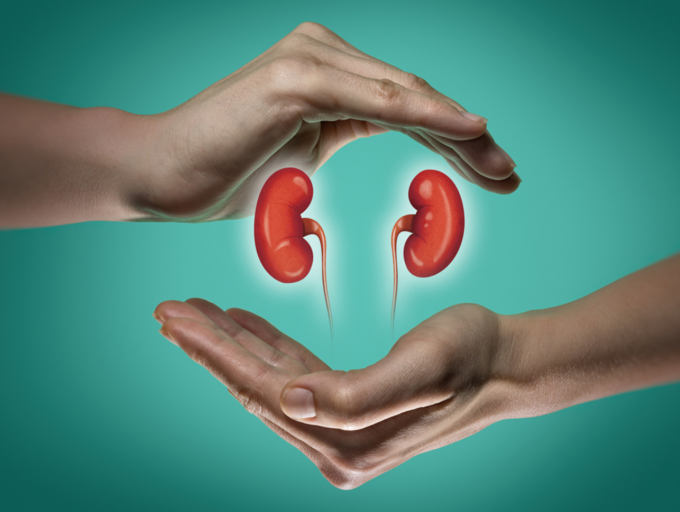
It's hard to notice when we do our kidneys harm. Even if 80% damaged, kidneys can still do their job, and so we rarely realize they're struggling. Often, even common daily habits can cause your kidneys continual damage, and when you finally discover something's wrong, it's too late. 
 
Our kidneys are incredible organs that work very hard. By themselves, they absorb minerals and nutrients, produce hormones, act as a filter for toxins in our blood, produce our urine and maintain a normal acid to alkaline ratio. We cannot live without our kidneys functioning properly. The Chinese, for example, have looked at the kidneys as a site of essential life force for centuries.

If you're serious about looking after yourself, then taking care of your kidneys should be one of your primary concerns. If you want to make sure your kidneys thrive and continue to serve you in the coming years ahead, here's a helpful list of habits you should definitely avoid: 
 
1. Drinking Soda  
A study conducted on employees working at Osaka University in Japan found that drinking 2 or more soda drinks a day (either diet or regular) may well be connected to a higher risk of kidney disease. The study included 12,000 people, and those who drank larger quantities of soda were found to have protein in their urine, which is one of the first signs of kidney damage. However, early detection can reverse the disease with proper treatment. 
 
2. A Deficiency in Vitamin B6 
The healthy function of our kidneys also depends on a healthy diet, especially one that contains certain nutrients. According to a study carried out at the University of Maryland, a vitamin B6 deficiency increases the risk of the formation of kidney stones. For healthy kidney function, a person should have at least 1.3 milligrams of vitamin B6 in their food every day. The best sources for this vitamin are fish, beef liver, potatoes, starchy vegetables, chickpeas and non-citrus fruits. 
 
3. Lack of Exercise 
Another good way of protecting your kidneys is to get some exercise. A comprehensive study published in 2013 in the Journal of the American Society of Nephrology found that postmenopausal women who exercised had a striking 31% less risk of developing kidney stones.  
 
4. Smoking
Perhaps not surprisingly, smoking has been linked to atherosclerosis - the narrowing and hardening of blood vessels - which influences the blood supply going to all the major organs, including the kidneys. According to a study published in Clinical Pharmacology and Therapeutics, just smoking 2 cigarettes a day is enough to double the number of endothelial cells (the cells that line our blood vessel walls) present in your bloodstream. This is a sign of arterial damage. 
 
5. Magnesium Deficiency  
Magnesium helps our body to slow down the absorption of calcium. If we don't get enough magnesium, we get overloaded in calcium and, once again, develop kidney stones. To prevent this from happening, add some leafy vegetables, seeds, nuts or beans to your diet. Another good source of magnesium is fresh avocados. 
 
6. Not Drinking Enough Water 
One of the most important things for our kidneys is for them to get hydrated enough to perform their functions. If we don't get enough water in our system, toxins start accumulating in our blood because there isn't enough fluid to take them through the kidneys. The National Kidney Foundation recommends drinking at least 8 glasses of water every day. An easy way to check if you're drinking enough is to make sure your urine is a light color or clear. If it's dark, you're not drinking enough. You can check the color of your urine with this helpful guide. 
 
7. Not Emptying Your Bladder Fast Enough 
When you hear the call to pee, you should listen to it. Obviously, we're not always in the right situation to pee right when the need arises, but if you 'hold it in' on a regular basis, it will increase the pressure of urine on your kidneys, which can lead to renal failure or incontinence. 
 
8. Disrupted Sleep
I just love a good night's sleep and, as it turns out, so do my kidneys. According to Science Daily, a chronic disruption in our sleep can cause kidney disease. Dr. Michael Sole, Cardiologist and Professor of Medicine and Physiology at the University of Toronto, says kidney tissues get renewed during the night while we're sleeping, so when we can't sleep without constant interruptions, our kidneys suffer direct damage. 
 
9. Having Too Much Sodium in Our Diet 
Salt is an important nutrient, but it can cause a disaster when taken in excessive amounts. Over-consumption of sodium will raise your blood pressure and put a lot of strain on your kidneys. We recommend limiting yourselves to no more than 5.8 grams (0.2 ounces) of salt per day. So put down that salt shaker! 
 
10. Consuming Too Much Caffeine 
We usually drink more caffeine than we think we do. It's in coffee, tea, soft drinks and sodas - before you know it, your body is full of caffeine, which causes your blood pressure to shoot through the roof, and your kidneys to suffer damage. 
 
11. Consuming Too Much Protein  
According to a study conducted at Harvard University, an overdose of protein in our diet can cause our kidneys damage. When we digest protein, our body produces a byproduct - ammonia. Ammonia is a toxin that your already hardworking kidneys need to neutralize. This means that the more protein we consume, the harder we make our kidneys work, which can eventually lead to kidney failure. 
 
12. Abusing Pain-KillersDaily \
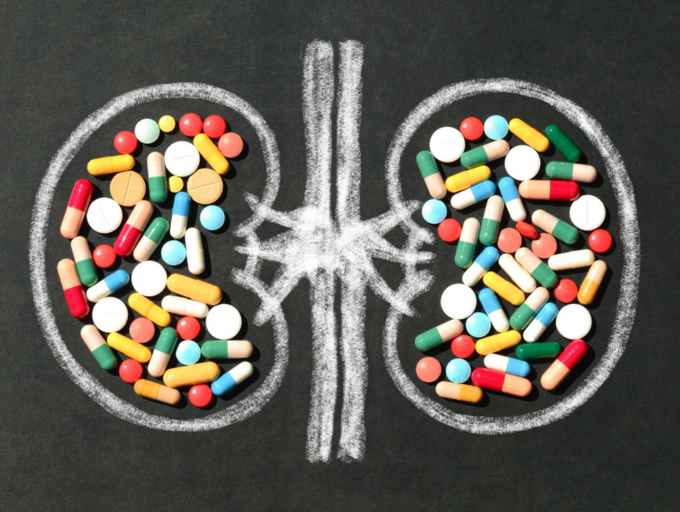
Many of us have a daily routine of taking medications. When we suffer from pain, our first reaction is usually to swallow a pill. They do help the pain, but you should think twice before taking too many. All pharmaceutical drugs have side effects, and many of them cause kidney or liver damage. Check out some natural painkillers you can find or make at home. That said, some drugs SHOULD be taken, which brings us to my next point... 
 
13. Not Taking Certain Drugs You Need  
If you suffer from high blood pressure and/or type 2 diabetes, two very common conditions these days, you will probably also suffer kidney damage. Don't leave these conditions untreated - take your daily meds to reduce your blood pressure and control your insulin levels. Without them, you're almost guaranteed to suffer kidney damage. 
 
14. Not Treating Common Infections 
Sometimes, we all get lazy and ignore a simple cold or a flu, which can push our body to the brink of exhaustion. Studies have shown, however, that people who do not rest or treat their infections often end up with kidney disease. 
 
15. Consuming Too Much Alcohol 
Now this is a no-brainer. The toxins in alcohol not only damage the liver, like many believe, but they are also something your kidneys simply hate to deal with. According to Kidney Health Australia and the American Kidney Fund, one good way of avoiding kidney failure is drinking alcohol in moderation.

This is only for your information, kindly take the advice of your doctor for medicines, exercises and so on.   

https://gscrochetdesigns.blogspot.com. one can see my crochet creations  
https://gseasyrecipes.blogspot.com. feel free to view for easy, simple and healthy recipes    
https://kneereplacement-stickclub.blogspot.com. for info on knee replacement
https://cancersupportindia.blogspot.com  for infor on cancer and health related topics
https://GSiyers home remedies.blogspot.com   is the latest addition to my blogs. I'm going to add posts there, do give me your valuable feed back on my blogs. Thanks a lot, take care, be healthy and be happy.


Labels: , , , , , , , ,

Thursday, March 10, 2022

Doctors explain how a high-salt and a high-protein diet harm your kidneys

Globally 1 in 10 people is affected by kidney disease

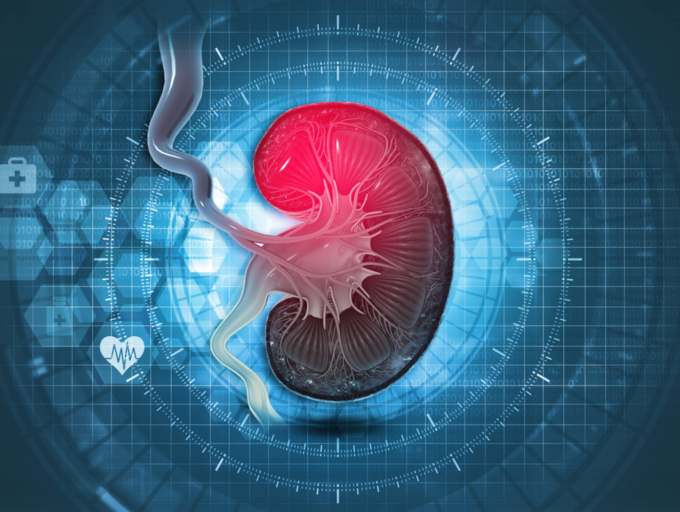
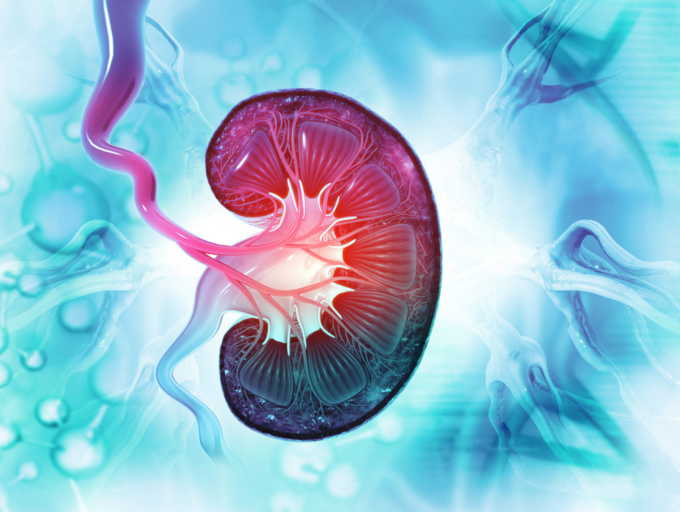
Kidneys are the bean-shaped organs in a human body which function by filtering water and waste and balancing the minerals and nutrients in the blood. One of the vital organs of the body, kidneys help control blood pressure, regulate production of the red blood cells and determine the overall health of the bones.

Every year, World Kidney Day, a joint initiative of International Society of Nephrology (ISN) and the International Federation of Kidney Foundations (IFKF), is observed on the second Thursday of March to raise awareness of the importance of kidneys and to reduce the impact of kidney disease and its associated health problems worldwide.

This year World Kidney Day is on March 10.

As per government report, globally 1 in 10 people is affected by kidney disease.

How do the kidneys regulate the human body?

Apart from the known fact that the kidney removes extra waste and fluid from the body there are a number of other functions that these organs perform together. "Your kidneys also remove acid that is produced by the cells of your body and maintain a healthy balance of water, salts, and minerals—such as sodium, calcium, phosphorus, and potassium—in your blood," says National Institute of Diabetes and Digestive and Kidney Diseases.

Kidney controls blood pressure, regulates the formation of red blood cells and keeps the bones strong.

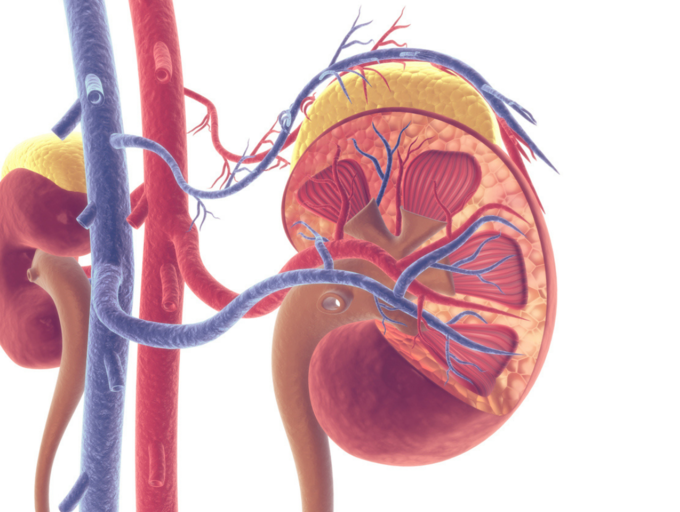
Kidneys are made of nephrons, glomerulus and tubule. The glomerulus filters the blood, the tubule keeps the required essential substances and removes the wastes from the body.

Blood flows into the kidney through the renal artery.

What are kidney diseases?

Kidney diseases occur when the kidneys are damaged and are unable to filter the blood normally. The common kidney diseases are chronic kidney disease caused by high blood pressure, kidney stones formed when mineral in the blood crystallize in the kidneys, glomerulonephritis which an inflammation of the glomeruli, polycystic kidney disease in which cysts grow in the kidneys and urinary tract infections which are bacterial infections in the urinary system and is commonly seen in females.

​What are the early signs of kidney disease?

As per experts, kidney disease is treatable if you notice the symptoms early and work on it.

The common signs of kidney disease are trouble sleeping, dry and itchy skin, need to urinate often, blood in urine, lethargy, puffiness around eyes and having foamy urine.

“Swelling in legs and ankles, reduced urine output, poor appetite and muscle cramps are commonly seen in people who have malfunctioning kidneys, says Dr Haresh Patel, Consultant Nephrologist and Transplant Physician, Apollo Hospitals, Ahmedabad.

How can one cut down the risk of kidney disease?

To reduce risk of kidney diseases, one needs to control high blood pressure if hypertensive, control blood sugar if diabetic, avoid smoking, maintain healthy weight, drink enough water, adopt healthy food choices, limit alcohol intake, take medications as prescribed by doctor, should be careful of use of over the counter medicines, and exercise regularly, says Dr Patel.

​How can diet help cut down the risk of kidney disease?

A proper diet can help alleviate the risk of kidney disease, experts say. A low sodium diet is good for health. Having low sodium will put less pressure on kidney functioning and hence would give more time for the organ to heal and slow down the progression of the disease.

“Salt intake should be limited in your diet because it can harm your kidneys (3-4 gm per day). A well-balanced diet rich in vegetables and fruits, as well as fibers, minerals, vitamins, and omega-3 is recommended,” says Dr Neeru P Aggarwal, Senior Director - Nephrology and Kidney Transplantation, Max Hospital Vaishali.

Foods rich in protein, phosphorus and potassium should not be consumed, the doctor adds.

​Is there any correlation between COVID and kidney health?

Yes, there is a link between COVID and its impact on kidney health. Many researchers have said kidney disease to be a marker of COVID severity. A study has found that the risk of developing kidney disease rises by almost double in case of COVID patients in comparison to non COVID infected ones.

“High protein diets (without any exercise – as per recommendations) lead to high levels of protein (albumin) in the body. In addition to high cholesterol levels or too low levels of protein result in poor body functioning. When such symptoms collectively persist, it affects the efficient functioning of the kidneys, which is referred to as Nephrotic Syndrome. Though no exact study is established to certainly prove the ill effects of the virus on kidneys, when the infection is higher, the chances of poor renal functions also increases,” says Dr Aggarwal, pressing the lack of physical activity during pandemic to be a chief reason for poor kidney health.

​Who is more at risk of developing kidney issues?

Smoking, obesity, hypertension, and diabetes mellitus can lead to kidney disease.

“Men are twice as likely to suffer from nephrotic syndrome than women. Another major comorbidity that triggers this condition is diabetes in adults that not only restricts the kidney functions but gradually leads to its failure as well. Patients with diabetes and hypertension, which account for more than 60% of chronic kidney disease cases in India, are at a higher risk because these are the main risk factors for renal disease,” says Dr Aggarwal and adds that obese individuals, those with high blood pressure, those with a family history of renal failure, and those who are 60 years and above are also at a higher risk of kidney disease.


This is only for your information, kindly take the advice of your doctor for medicines, exercises and so on.   

https://gscrochetdesigns.blogspot.com. one can see my crochet creations  
https://gseasyrecipes.blogspot.com. feel free to view for easy, simple and healthy recipes    
https://kneereplacement-stickclub.blogspot.com. for info on knee replacement


Labels: , , , , , , , , , , , , ,

Saturday, August 17, 2019

Eating too much of this food item is dangerous

Olives in pizzas, olives in salads, in pastas, olives in chicken dishes- if there’s one thing that we love adding to our recipes, it’s olives! However, consuming five olives a day is equivalent to one-third of the Reference Daily Intake (RDI) of salt. Health experts have cautioned that olives contain high levels of salt and must be consumed in limited quantities.

Researchers said that people are unaware of the fact that certain olives have twice the salt concentration as found in seawater. There’s a pressing need to keep an eye on the picnic snacks we gorge on.

The new study, which examined 555 savoury finger foods, inferred that some types of Halkidiki olives contained 5g of salt per 100g. The ideal amount of salt for daily consumption is 6g.

A fourth of these savoury picnic foods surveyed had ‘dangerously high’ levels of salt. Excessive salt levels can cause hypernatremia, characterised by weakness, loss of appetite, vomiting, and kidney damage among others. In addition, people who have diabetes should particularly be careful about consuming salt-rich foods.

A Professor of Cardiovascular Medicine  said, “Due to inaction by the Department of Health and Social Care and Public Health England in enforcing the 2017 salt reduction targets, the public are still eating more salt than recommended which is leading to thousands dying or suffering from entirely unnecessary strokes and heart disease.”

“Reducing salt is one of the most cost-effective measures to protect health. The time has come for the Secretary of State for Health to resuscitate the UK's salt reduction programme, helping us to, once again, be world leading rather than trailing behind the rest of the world. The public's health has suffered long enough,” he further stated.

THIS IS ONLY FOR INFORMATION, ALWAYS CONSULT YOU PHYSICIAN BEFORE HAVING ANY PARTICULAR FOOD/ MEDICATION/EXERCISE/OTHER REMEDIES.                                    PS- THOSE INTERESTED IN RECIPES ARE FREE TO  VIEW MY BLOG-                                                                                           https://gseasyrecipes.blogspot.com/                                                                                                                                                FOR INFO ABOUT KNEE REPLACEMENT, YOU CAN VIEW MY BLOG-                                                                       https:// kneereplacement-stickclub.blogspot.com/                                                                                                                     FOR CROCHET DESIGNS                                                                                                   
                                https://gscrochetdesigns.blogspot.com

Labels: , , , , , , ,