8 Tanning and Sun Myths That Have To Vanish
Your
skin is your biggest organ, and simultaneously, it is the part of your
body that is exposed the most to the elements. Despite the skin’s
amazing regenerative capabilities, it does get injured quite a lot, with
the sun being one of the main culprits behind skin cancer and aging.
Scientists have long been convinced that sun exposure is directly
causing melanoma and other types of skin cancer, but the skin cancer
epidemic persists and spreads. We have to wonder to ourselves why this
is.
In
part, this is because we still lack proper education about sun
protection, with several myths spreading dangerous misinformation. Here are 8 of the most common sun protection myths we found.
Myth 1. If you apply sunscreen, you will be deficient in vitamin D
Many
people refuse to apply sunscreen because they believe that it will make
them vitamin D deficient. In the northern hemisphere, some people even
intentionally go to tanning beds in the cold months to increase their
vitamin D levels. The fact of the matter is that tanning bed visits
don’t increase vitamin D levels, whereas a healthy diet or a vitamin D
supplement can, and neither of the latter are carcinogenic like tanning
beds are.
If
you decide to get your vitamin D from the sun by simply skipping
sunscreen, this exposes you to skin cancer for no reason whatsoever, as
all studies on this topic have shown that wearing sunscreen daily
doesn’t cause vitamin D deficiency. In fact, a vegan diet, metabolic and
kidney issues, and obesity are all more likely to make you have lower
than normal levels of vitamin D than a lack of sun exposure.
But
even if your healthcare provider ruled out all of the above-mentioned
causes of vitamin D deficiency, it is safer for you to take a vitamin D
supplement than stop wearing SPF.
Myth 2. Skin cancer is not as dangerous as other types of cancer
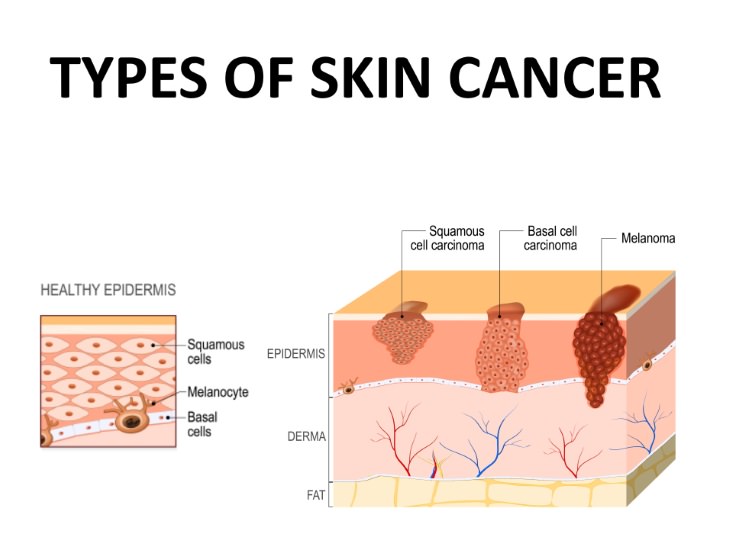
While
it’s definitely great news that advancements in medicine help a
significant portion of skin cancer patients survive, it certainly
doesn’t take away from the fact that we have a skin cancer epidemic
worldwide, with US statistics in particular recording that the yearly
occurrence of skin cancer in the US population is triple the amount of
that of all the remaining types of cancer combined.
Even
more alarming statistical information lists that 1 skin cancer patient
dies every hour in the US alone. Given all this information, it is
certainly impossible to conclude that skin cancer is less of an issue
than other types of cancer.
Myth 3. There is a “healthy” level of tan
The
notion of a healthy or so-called “base tan” is ever-growing, with many
people claiming that a healthy tan can even protect your skin from
burning. Unfortunately, this, too, is a myth, and dermatologists point
out that getting a tan is in itself evidence of sun damage and, very
likely, DNA damage.
The
way our skin works is that it tries to protect its cells and DNA from
sun damage by increasing melanin levels, so your bronzy glow is actually
your skin’s alarm signal, and not something to seek out.
Myth 4. Those with darker skin don’t need to apply sunscreen
It’s
certainly true that those of us with more melanin in our skin have a
little more natural protection against the sun than fair-skinned people.
Still, this doesn’t mean that dark-skinned people don’t get skin
cancer. In fact, this myth is so pervasive, that medical reviews
systematically report a scary and alarming picture: those with dark skin
are more likely to be diagnosed with melanoma in its late stages and
have a worse survival rate.
That’s
why it is crucial for everyone, irrespective of skin color, age, or any
other characteristic to protect themselves from the sun daily and
undergo regular skin checks.
Myth 5. Sunbeds and sun exposure is the only way to get an even tan
It’s
impossible to deny that having a bronzy, tan body is still considered
fashionable and attractive, and many people seek out that tanned look,
even if it means risking their health.
And
while we hope that this self-destructive fashion will pass soon, it is
good to know that sunless tanning products have come a really long way
and are effective at giving your the much-desired natural tan look
without compromising your health. They come in a variety of forms:
bronzers, tanning mousses, drops, body creams and even tanning waters
that feel very light on the skin. Plus, by using a sunless tanner you
can be tan all year round.
Myth 6. Tanning is safe if you don’t burn
Getting a sunburn, especially a severe one, significantly increases the likelihood of getting melanoma, the deadliest of skin cancers. However, even those who don’t get sunburns and don’t tan intentionally can get it, which is a testament to the idea that sun exposure, in any quantities, is dangerous, especially if anyone in your family was ever diagnosed with skin cancer.
Apart
from posing a danger to your health, sun exposure is the main cause of
skin aging as well, so if your initial intention to get a tan was
aesthetic, you might want to reconsider. For further proof of how aging
the sun can be, consider the photo of this 69-year-old truck driver,
whose left side of his face was exposed to the sun through the truck’s
window for almost 30 years, while the right side wasn’t.
As you can see, the side that was exposed to UV rays looks much older than the one that was more protected against the sun.
Myth 7. Only UVB light is dangerous
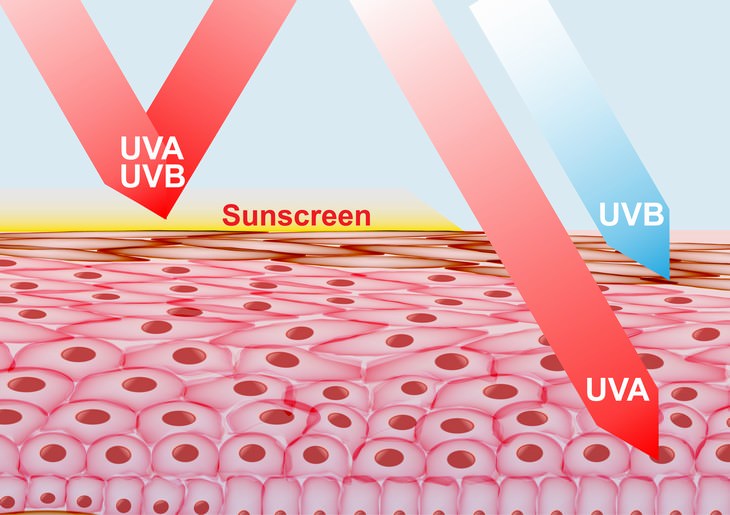
If you look at a bottle of
sunscreen, you may notice a “broad-spectrum” label on it, or both a UVA
and a UVB icon. This label means that the SPF protects against both
types of UV rays (UVA and UVB). If no such label exists, it means that
the product shields you against UVB light only, which is the type of
light that causes sunburns.
However, medical research shows that UVA light is likely as dangerous if not more than UVB rays, as exposure to the former is linked to melanoma and skin aging. That’s why you should always opt for a broad-spectrum sunscreen, but that’s not all. As you may or may not know, tanning beds usually operate using mostly UVA rays, and these contraptions have been time and time linked to skin cancer, with several countries banning them altogether.
For example, research shows that your risk of skin cancer increases by 75% if you used tanning beds before the age of 35, so everyone is safer simply staying away from those things.
FOR
CROCHET DESIGNS
https://gscrochetdesigns.blogspot.com
However, medical research shows that UVA light is likely as dangerous if not more than UVB rays, as exposure to the former is linked to melanoma and skin aging. That’s why you should always opt for a broad-spectrum sunscreen, but that’s not all. As you may or may not know, tanning beds usually operate using mostly UVA rays, and these contraptions have been time and time linked to skin cancer, with several countries banning them altogether.
For example, research shows that your risk of skin cancer increases by 75% if you used tanning beds before the age of 35, so everyone is safer simply staying away from those things.
Myth 8. You only have to wear sunscreen when you’re at the beach
We
get it, wearing sunblock every day is annoying, and reapplying it is
even worse, so many people end up using it only when they’re spending a
lot of time outdoors. However, dermatologists urge everyone to wear
sunscreen every day, especially on the parts on the face, hands and any
other parts of the body not protected by clothing.
Even
people who live in colder climates or spend a lot of time indoors
should wear sunscreen daily year round, as many skin cancers are caused
by UVA rays, which is abundant irrespective of the weather. When
outside, you should also reapply sunblock every 2 hours, as it
decomposes and gets rubbed or washed off.
THIS IS ONLY FOR INFORMATION, ALWAYS CONSULT YOU PHYSICIAN BEFORE
HAVING ANY PARTICULAR FOOD/ MEDICATION/EXERCISE/OTHER REMEDIES.
PS-
THOSE INTERESTED IN
RECIPES ARE FREE TO VIEW MY BLOG-
https://gseasyrecipes.blogspot.com/
FOR INFO ABOUT KNEE
REPLACEMENT, YOU CAN VIEW MY BLOG-
https:// kneereplacement-stickclub.blogspot.com/
Labels: beach, dark-skin, Deficiency, melanin levels, Melanoma, Skin cancer, SPF ( sun protection factor), sunburn, sunscreen, tan, UVA, UVB, Vitamin D
posted by G S Iyer at 8:44 AM
0 comments

