Thursday, June 10, 2021

Home Remedies for Knee Aches and Pains

As we age, we notice more aches and pains than ever before. The most common complaints doctors and physical therapists hear about are knee pains. The knee is particularly vulnerable to pain and damage due to its high wear and tear factor. The knee takes the full impact of a person’s body weight, or any added force from running or jumping. However, there are plenty of natural treatments and alternative therapies that can stop you from living at the doctor’s reception room

Assess your pain 
For any moderate to severe pain, you should get medical help because some injuries require physical therapy, a brace or even surgery. Successful home treatments can be done for mild to moderate knee pain. This can be for both pains caused by sprains or arthritis. If you think the pain is due to inflammation, arthritis or minor injury, you can choose from several effective home remedies. 
 
How to treat pain due to injury 
If you have suffered a twisted leg, fallen or strained your knee in other ways, a useful mnemonic to remember is ‘RICE’.
Rest - Stay off your feet. 
 
Ice - Apply a bag of ice or a cold compress (a bag of peas also works).  
 
Compression - Wrap a compression bandage around your knee. This prevents swelling. Make sure it’s not too tight otherwise you might cut off circulation. 
 
Elevation - Lie on a bed or keep your foot elevated with a foot stool or ottoman. 
 
How to treat pain due to arthritis  
As people age, the lubrication and padding around their joints deteriorates. Without cartilage cushioning the joints, they will suffer bone-on-bone contact and can become inflamed, causing much pain. This is known as Osteoarthritis. For more severe cases, doctors might suggest replacing joints or inserting artificial cartilage. While there is no way of reversing the damage, there are ways to treat mild to moderate pain with natural dietary supplements or alternative therapies. 
 
Try willow bark 
You wouldn’t think that a piece of tree bark could offer so much relief, but research has found that willow bark’s active ingredient is salicin, which acts similarly to aspirin. This natural painkiller has been commonly used since the time of Hippocrates. It is used to treat fever and inflammation, as well asheadaches, muscle pains, spine disease, arthritis, and osteoarthritis.  
 
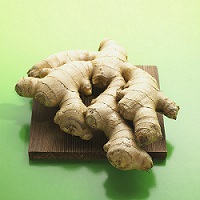
Use ginger extract

Another pain relief option that grows naturally is ginger, which can be ingested in several different ways. You can use the fresh root, drink it as a tea, eat it as a dried spice or take prepackaged supplements. Research has discovered that the phytonutrients in ginger reduce the production of chemicals in the body that promote joint inflammation. Together with prescription arthritis medication, ginger can greatly reduce joint pains, since it acts as a natural anti-inflammatory. Be cautious if you take blood thinners, as ginger has the risk of increasing bleeding. 
 
 
Apply herbal ointment 
A salve made from cinnamon, ginger, mastic, and sesame oil was found to be just as effective as over the counter medicine, in a study published in the Pakistan Journal of Biological Sciences. Traditional over the counter ointments used to treat arthritis usually contain salicylate, which is used topically to relieve pain.
 
Heat and cold therapy 
It’s worthwhile investing in a heating pad, gel-style cold pack or cool compress for chronic pain. These can easily be found at a drug store, or ordered online. Heat is used to keep joints from stiffening while cold therapy can reduce pain and swelling.

Practice Tai Chi 

This ancient Chinese practice is a mind-body exercise, which helps improve balance and flexibility, works twofold for those who suffer from arthritis. A study published in Arthritis and Rheumatism (a journal), highlights that the mental aspect of the practice promotes coping mechanisms for chronic pain, and the physical exercise helps reduce pain and increases range of motion.

Consider exercise and weight management  
For some people, knee pain is reduced by moving the joint, so daily exercise is recommended. Keeping a leg stationary can stiffen the joint, and reduce the range of motion. Consider swimming or water walking as these exercises have less of an impact, together with offering countless other health benefits. Carrying excess weight can also aggravate the impact on joints, so it’s important to try and keep off any unnecessary weight. Here are some weight loss management tips. 
 
Finding care - final note  
Your health is important, and sometimes dietary supplements and alternative therapies can conflict with any other medication you might be taking. It’s important to talk to your doctor and find the cause of any pain. Sometimes this might involve X-rays and blood work, but it’s necessary to get on the road to recovery.

This is only for your information, kindly take the advice of your doctor for medicines, exercises and so on.   

https://gscrochetdesigns.blogspot.com. one can see my crochet creations  
https://gseasyrecipes.blogspot.com. feel free to view for easy, simple and healthy recipes    
https://kneereplacement-stickclub.blogspot.com. for info on knee replacement

Labels: , , , , , , , , , ,

Wednesday, April 28, 2021

What Spider Bites Look Like and How to Treat Them At Home

The weather is getting much warmer now, and you will likely be spending more time outdoors. As you take a walk in nature or decide to do a bit of gardening, you may encounter insects or even get a few insect bites. While mosquito bites and bee stings are quite common and we usually know how to deal with them, knowing what to do about a spider bite is not common knowledge. But before we get into the nitty-gritty of identifying and treating spider bites, let us preface this article with an important and reassuring message - most spider bites are completely harmless.

Of the more than 40,000 species of spiders that exist on our planet, only 500 species bite people and only 12 have venom strong enough to cause humans any harm. Moreover, only two spider species in North America - the black widow and the brown recluse - pose a medical risk when they bite people (more on that later). With that said, being able to distinguish these dangerous spider bites from non-dangerous ones and knowing how to treat a spider bite at home are two important skills everyone should know.

What a Spider Bite Looks Like
 Spider Bites what it looks like
It’s not always easy to identify a spider bite unless you know for a fact that you’ve been bitten by an arachnid. Like any other insect bite, a spider bite usually appears as a small red bump on your skin. It can be itchy and painful, but it can also cause no discomfort whatsoever and clear up within a few hours. A spider bite itself may be painful, but if the spider isn’t venomous, the pain will usually go away within an hour or two. 
 
The Symptoms of a Spider Bite  Spider Bites itchy arm
The severity of a spider bite depends on the type of spider that bit you. Some of the important signs that distinguish a mosquito bite or bee sting from a venomous spider bite are the following. The bites of some spiders may turn the area around the bite pale, which is a symptom called blanching. 
 
Other bites may generate blistering, much like a burn would, but this is much rarer. If you’ve been bitten by a venomous spider, such as the Hobo spider, you may also experience significant swelling and redness in the affected area, headaches, and fatigue. While these symptoms are bothersome, they usually go away within a week. 
 
That being said, there are two spiders in North America that can pose a significant danger to humans. Those two spiders are the brown recluse spider and the black widow spider. These bites can be deadly to humans and may require urgent medical help. Luckily, they’re usually easier to diagnose, as the bites of both of these spiders have a characteristic pattern of symptoms.
Brown Recluse (Loxosceles reclusa) 
 Spider Bites Brown Recluse (Loxosceles reclusa)
The brown recluse spider is mostly found in the Southeastern and Midwestern states. Brown recluse bites are rare, but they are more potent than that of a rattlesnake and could be deadly. As the name of this arachnid suggests, brown recluse spiders live in undisturbed places

They are non-aggressive and only bite in life-threatening situations, but their proclivity to shelter in people’s attics, basements, sheds, closets, and garages makes some accidents unavoidable. If you live in an area where this spider is common, be careful while rummaging in your garage, basement, or attic. Check gloves and shoes you haven’t worn for a while before putting them on. 
 
Brown recluse bites are often painless, but you will notice symptoms that something is wrong a few hours later. This spider only bites once, so you will usually only see one lesion. The initial symptoms include a bluish sinking patch of skin surrounded by redness, swelling, and sometimes a pale center that contains a blister. A few days later, the venom may spread and the wound expands, causing significant pain.
 
In more serious cases, the venom can lead to tissue necrosis 7-14 days after the bite occurs. The venom kills the skin and surrounding tissues, creating a hard black scab surrounded by red skin called an eschar. People with compromised immune systems, the elderly, and children may develop a severe systemic reaction to a brown recluse bite that requires urgent medical care.

Black Widow (Latrodectus mactans)  
 Spider Bites  Black Widow (Latrodectus mactans)
The second venomous spider species that can be found throughout the US and can pose a severe threat to humans is the black widow spider. Despite the threatening name and scary appearance, black widows are actually quite shy creatures. Like the brown recluse, black widow spiders only bite when disturbed. And like the brown recluse, they reside in dark places like attics, storage containers, drain pipes, woodpiles, and basements.

Identifying a black widow bite is usually easy, as the bite feels like a pinprick and leaves a distinctive mark - two puncture marks. Unlike brown recluse bites, black widow bites do not cause skin necrosis in the puncture site. Almost immediately, you will start feeling a dull ache or numbness in the bite area and see skin irritation. 
 
In the following day or two, you may just experience pain, numbness, and burning in the area of the wound. However, some people develop severe symptoms, such as: 
-Sweating and increased saliva production 
-Nausea or vomiting 
-Muscle cramps and pain in the chest, abdomen, and the lower back 
-High blood pressure 
-Restlessness. 
 
Children, seniors, and people with immune deficiencies are the most likely to develop a severe reaction to a black widow bite. If you develop any of the above-listed symptoms or any other unusual symptoms, it’s important to act fast and seek medical help. Black widow antivenom can be administered to remove the venom from your body. 
 
How to Deal With a Spider Bite at Home
Severe reactions to spider bites are extremely rare. In most cases, you can treat a spider bite at home. Doctors recommend the so-called RICE method - which stands for rest, ice, compression, and elevation - to treat a fresh bite. Immediately after a bite, apply an ice pack wrapped in a clean cloth or towel for 10 minutes to prevent the spider’s venom from spreading. 
 
You can repeat this several times within the first hours after the bite. Then, bandage up the area to prevent you from scratching it and introducing germs to the wound. Rest and keep the affected area elevated to prevent the venom from spreading. You can also apply a topical antibiotic for a few days to prevent infection or a topical hydrocortisone cream or anti-itch cream to soothe the bite. A typical spider bite will heal within a few weeks. 
 
When to Seek Medical Help  
Not all spider bites, even those of the black widow or the brown recluse, require medical treatment. There are a few red flags that point that the venom is spreading through the body and you need to see a doctor: 
-Fever 
-Dark urine 
-The bite is not getting better or getting worse after a few days 
-You’re experiencing severe burning and pain 
-There’s a red and black ring-shaped rash in the area of the bite. 
 
If you’re experiencing any of these symptoms, it’s important to go to the emergency room as soon as possible.


This is only for your information, kindly take the advice of your doctor for medicines, exercises and so on.     

https://gscrochetdesigns.blogspot.com. one can see my crochet creations  
https://gseasyrecipes.blogspot.com. feel free to view for easy, simple and healthy recipes    
https://kneereplacement-stickclub.blogspot.com. for info on knee replacement


Labels: , , , , , , , , , , ,

Thursday, September 29, 2016

HOW TO TAKE CARE OF THE KNEE JOINT

1) Build muscle strength- building adequate strength in the muscles helps to support the knees and will take some pressure of the joints. Do exercise that focuses on the quadriceps, hamstring, lower back muscles and glutes.

2) Don't ignore pain- If you experience pain in the knee joint, try to rest  for several days.
RICE- rest, ice, compression and elevation. If pain persists see your doctor.


3) maintain healthy weight- being overweight puts additional strain on your knee joints. To ease the pressure on the knees, do regular exercise and follow a healthy diet.


4) Don't rest too much-
it is important that we exercise or move our joints regularly to prevent stiffening of the joints. You'ld learn to exercise and also learn to relax them from time to time. Do such exercises that will strengthen your muscles and ligaments around the joint.


5) Warm up and stretch-
prevent injury by warming up and stretching your muscles before exercise. focus on your hamstrings, quadriceps, followed by 5 minutes of slow walking. Warm, flexible muscles will not injure easily.


6) Wear correcting fitting shoes
- to reduce stress on your knees, wear the right shoes- low heel, well fitting running shoes with soft, thick soles for support.


7) Cold packs should be used for 15-20 minutes- 3-4 times a day, within the 1st 48 hours after a knee injury. Manipulating the temperature will help ease the swelling and stiffness. As well as the pain after you can use a heating pad.


8) Avoid high impact sports
which involve sudden starts, stops and turns, as well as jumping should be avoided, as they're hard on the knees.
this is only for your information, kindly take the advice of your doctor for medicines, exercises and so on.

https://gscrochetdesigns.blogspot.com. one can see my crochet creations
https://gseasyrecipes.blogspot.com. feel free to view for easy, simple and healthy recipes

https://kneereplacement-stickclub.blogspot.com. for info on knee replacement


Labels: , , , , , , , , , , , , ,