Saturday, December 29, 2018

Pelvic Pain That Women Should Never Ignore

For women, weird pains in the pelvic region are easily dismissed as just cramps or normal women’s stuff, but when it keeps occurring, it might be time to get it checked out.
While appendicitis or complications from a pregnancy can cause pelvic pain, their symptoms are typically more pronounced and a lot easier to pinpoint. There are a number of organs located in the pelvic region that can be linked to a variety of ailments.
If you’ve been struggling with intermittent or ongoing pelvic pain, one of the following conditions could be the culprit.
 
Endometriosis
Pain associated with endometriosis is usually more intense during menstruation, but for some women, it occurs at any time. Endometriosis occurs when tissue starts to grow outside of the uterus’s lining into other parts of the body, including the ovaries, bladder, or fallopian tubes.
Women who suffer from this condition describe debilitating pain that feels like stabbing, crushing, or unbearable cramps. Pain might also be felt during intercourse.
Cysts
Your body produces an ovarian cyst during the normal stages of menstruation and ovulation. When a woman ovulates, they might feel some pain. However, there are other types of ovarian cysts that can grow within the ovaries and cause pain, discomfort, or dysfunction in the reproductive system.
These cysts will either disappear on their own, or might need to be surgically removed.
UTI
A urinary tract infection is one of the most common causes of pelvic pain in women. It might or might not be accompanied by other symptoms such as pain when urinating, an excessive urge to urinate, cloudy urine, or fever.
Fibroids
Though usually benign, fibroid tumors can grow so big that they cause pelvic pain and pressure, abnormal bleeding, or leg pain. Pain from fibroids may come and go or be consistent, and can become more noticeable after sex, exercise, menstruation, or a bowel movement.
Treatment might involve pain relief medication or surgery.
STIs
Sexually transmitted infections can cause the pelvic area to become inflamed unless they are treated quickly. Chlamydia and gonorrhea are usually the main culprits behind pelvic pain, but other non-sexual infections can also lead to pelvic inflammation and pain. All require medical treatment to resolve.
Interstitial Cystitis
In layman’s terms, this condition causes inflammation in the bladder, with no infection being present most of the time. The pain can be excruciating and last for weeks or months at a time, or it can be intermittent, feeling like pressure or a small bout of pain.
Symptoms might be mild or resemble those of a UTI. Women might also feel pain before urinating or after intercourse. Treatment usually entails medication, surgery, or physical therapy.
Kidney Stones
Women might also have pelvic pain thanks to kidney stones. When a crystallized stone travels from the kidney through the urinary tract, it can cause problems while trying to pass. The pain that occurs might be sharp and last for hours, or might be accompanied by back pain.
If you have this type of pain, or a fever, red urine, or painful urination, seek medical attention as soon as possible.

THIS IS ONLY FOR INFORMATION, ALWAYS CONSULT YOU PHYSICIAN BEFORE HAVING ANY PARTICULAR FOOD/ MEDICATION/EXERCISE/OTHER REMEDIES.                                                                                
 PS- THOSE INTERESTED IN RECIPES ARE FREE TO  VIEW MY BLOG-                                                                                           https://gseasyrecipes.blogspot.com/                                                                                                                                                                             FOR INFO ABOUT KNEE REPLACEMENT, YOU CAN VIEW MY BLOG-                                               
     https:// kneereplacement-stickclub.blogspot.com/                                                                                     
  FOR CROCHET DESIGNS                                                                                                                                                                                                              https://gscrochetdesigns.blogspot.com

Labels: , , , , , , , , , ,

Sunday, April 01, 2018

Pelvic Pain That Women Should Never Ignore

For women, weird pains in the pelvic region are easily dismissed as just cramps or normal women’s stuff, but when it keeps occurring, it might be time to get it checked out.
 
While appendicitis or complications from a pregnancy can cause pelvic pain, their symptoms are typically more pronounced and a lot easier to pinpoint. There are a number of organs located in the pelvic region that can be linked to a variety of ailments.
If you’ve been struggling with intermittent or ongoing pelvic pain, one of the following conditions could be the culprit.
 
Endometriosis 
Pain associated with endometriosis is usually more intense during menstruation, but for some women, it occurs at any time. Endometriosis occurs when tissue starts to grow outside of the uterus’s lining into other parts of the body, including the ovaries, bladder, or fallopian tubes.
Women who suffer from this condition describe debilitating pain that feels like stabbing, crushing, or unbearable cramps. Pain might also be felt during intercourse.
Cysts
Your body produces an ovarian cyst during the normal stages of menstruation and ovulation. When a woman ovulates, they might feel some pain. However, there are other types of ovarian cysts that can grow within the ovaries and cause pain, discomfort, or dysfunction in the reproductive system.
These cysts will either disappear on their own, or might need to be surgically removed.
UTI
A urinary tract infection is one of the most common causes of pelvic pain in women. It might or might not be accompanied by other symptoms such as pain when urinating, an excessive urge to urinate, cloudy urine, or fever.
Fibroids
Though usually benign, fibroid tumors can grow so big that they cause pelvic pain and pressure, abnormal bleeding, or leg pain. Pain from fibroids may come and go or be consistent, and can become more noticeable after sex, exercise, menstruation, or a bowel movement.
Treatment might involve pain relief medication or surgery.
STIs
Sexually transmitted infections can cause the pelvic area to become inflamed unless they are treated quickly. Chlamydia and gonorrhea are usually the main culprits behind pelvic pain, but other non-sexual infections can also lead to pelvic inflammation and pain. All require medical treatment to resolve.
Interstitial Cystitis
In layman’s terms, this condition causes inflammation in the bladder, with no infection being present most of the time. The pain can be excruciating and last for weeks or months at a time, or it can be intermittent, feeling like pressure or a small bout of pain.
Symptoms might be mild or resemble those of a UTI. Women might also feel pain before urinating or after intercourse. Treatment usually entails medication, surgery, or physical therapy.
Kidney Stones
Women might also have pelvic pain thanks to kidney stones. When a crystallized stone travels from the kidney through the urinary tract, it can cause problems while trying to pass. The pain that occurs might be sharp and last for hours, or might be accompanied by back pain.
If you have this type of pain, or a fever, red urine, or painful urination, seek medical attention as soon as possible.

THIS IS ONLY FOR INFORMATION, ALWAYS CONSULT YOU PHYSICIAN BEFORE HAVING ANY PARTICULAR FOOD/ MEDICATION/EXERCISE/OTHER REMEDIES.                                                                                                                                                                                                      PS- THOSE INTERESTED IN RECIPES ARE FREE TO VIEW MY BLOG-                                                                                           https://gseasyrecipes.blogspot.com/   
FOR INFO ABOUT KNEE REPLACEMENT, YOU CAN VIEW MY BLOG-                                                           https:// kneereplacement-stickclub.blogspot.com/                              

FOR CROCHET DESIGNS                                                                                                                                                                                                                                         https://my crochet creations.blogspot.com/   


Labels: , , , , , , , , , ,

Sunday, September 08, 2013

FIBROMYAGIA- SYMPTOMS, TREATMENTS, THERAPIES

What Is Fibromyalgia?
Fibromyalgia is a chronic condition that causes pain, stiffness, and tenderness of muscles, tendons, and joints. It is  characterized by restless sleep, awakening feeling tired, chronic fatigue, anxiety, depression, and disturbances in bowel function. The condition is non-life-threatening and does not cause body damage, deformity, or injury to internal body organs. Fibromyalgia is sometimes referred to as fibromyalgia syndrome and abbreviated FMS or fibrositis.

The word fibromyalgia comes from the Latin term for fibrous tissue ("fibro") and the Greek terms for muscle ("myo") and pain ("algia").

Is It a Form of Arthritis?
Fibromyalgia is considered an arthritis-related condition. However, it is not a form of arthritis (a disease of the joints) since it does not cause inflammation in the joints, muscles, or other tissues or damage them but rather a muscle disorder. But fibromyalgia can (like arthritis) cause significant pain and fatigue, and it can similarly interfere with a person's ability to carry on daily activities.

CAUSES
The cause of fibromyalgia is unknown. Those affected experience pain in response to stimuli that are normally not perceived as painful. Researchers have found elevated levels of a nerve chemical signal, called substance P, and nerve growth factor in the spinal fluid of fibromyalgia patients. Levels of the brain chemical serotonin are also relatively low in patients with fibromyalgia. Studies of pain in fibromyalgia have suggested that the central nervous system (brain) may be somehow supersensitive. Also, patients with fibromyalgia have an impaired non-rapid eye movement, or non-REM, sleep phase (which likely, at least in part, explains the common feature of waking up fatigued and unrefreshed in these patients). The onset of fibromyalgia has been associated with psychological distress, trauma, and infection.

Symptoms and Signs of Fibromyalgia
Fibromyalgia is not always easy to diagnose because symptoms vary from person to person, many of the symptoms mimic those of other disorders, there are no visible signs of the disorder that a physician can see, and there is no definitive laboratory test for fibromyalgia. Keep in mind each patient with fibromyalgia is unique. Any of the following symptoms can occur intermittently and in different combinations.
Fibromyalgia "tender points" are localized areas of the body that are tender to light touch. Fibromyalgia tender points, or pressure points, are commonly found around the elbows, shoulders, knees, hips, back of the head, and the sides of the breastbone and are typical signs of fibromyalgia.
Tender points are sometimes incorrectly referred to as "trigger points," whereby pressing on certain trigger points can initiate a sequence of symptoms. This is not the case with fibromyalgia tender points, which are chronically a focus of pain and tenderness in the particular area involved.

Symptom: 1) Pain
The universal symptom of fibromyalgia is pain. As mentioned earlier, the pain in fibromyalgia is not caused by tissue inflammation. Instead, these patients seem to have an increased sensitivity to many different sensory stimuli and an unusually low pain threshold. The pain of fibromyalgia is generally widespread, involving both sides of the body. Pain usually affects the neck, buttocks, shoulders, arms, the upper back, and the chest. The body pain of fibromyalgia can be aggravated by noise, weather change, and emotional stress.

Symptom: 2)Fatigue
Fatigue occurs in 90% of patients. Fatigue may be related to abnormal sleep patterns. Normally, there are several levels of depth of sleep. Getting enough of the deeper levels of sleep may be more important in refreshing a person than the total number of hours of sleep. Patients with fibromyalgia lack the deep, restorative level of sleep, called "non-rapid eye movement" (non-REM) sleep. Consequently, patients with fibromyalgia often awaken in the morning without feeling fully rested, even though they seem to have had an adequate number of hours of sleep time. Some patients awaken with muscle aches or a sensation of muscle fatigue as if they had been "working out" all night!

Symptom: 3) Mental and/or Emotional Disturbances
Mental and/or emotional disturbances occur in over half of people with fibromyalgia. These symptoms include poor concentration, forgetfulness, and memory problems, as well as mood changes, irritability, depression, and anxiety. Since a firm diagnosis of fibromyalgia can be challenging and no confirmatory laboratory tests are available, patients with fibromyalgia are often misdiagnosed as having depression as their main underlying problem.

Symptom- 4) Other Symptoms
Other symptoms include migraine and tension headaches, numbness or tingling of different parts of the body, abdominal pain related to irritable bowel syndrome ("spastic colon"), and irritable bladder, causing painful and frequent urination.

DIAGNOSIS
There are no blood tests or X-rays that specifically point the doctor to the diagnosis of fibromyalgia. Tests are often done to exclude other possible diagnoses. Ultimately, the diagnosis of fibromyalgia is made purely on clinical grounds based on the patient's history and physical examination. In patients with chronic widespread body pain, the diagnosis of fibromyalgia can be made by identifying  tenderness areas (typically, but not always, patients will have at least 11 of the 18 classic fibromyalgia tender points), by finding no accompanying tissue swelling or inflammation, and by excluding other medical conditions that can mimic fibromyalgia. According to doctors, before the diagnosis of fibromyalgia can be made, the muscle pain must be present for longer than three months.

Treatment 
There is no cure for fibromyalgia, treatment can relieve some of the symptoms. Since symptoms are diverse and vary among patients, treatment programs must be individualized for each patient. Treatment programs are most effective when they combine patient education, stress reduction, regular exercise, and medications. Ultimately, the physician, physical therapist, and patient may all play an active role in the management of fibromyalgia. Recent studies have verified that the best outcome for each patient results from customization of the treatment plan for each patient.

Patient Education
Patient education is an important first step in helping patients understand and cope with the diverse symptoms. Unfortunately, not all physicians are intimately acquainted with the vagaries of this illness. Community hospital support groups and the local chapters of the Arthritis Foundation have become important educational resources for patients and their doctors.

Stress Reduction
It is extremely difficult to measure stress levels in different patients. For some people, spilling milk on the table can represent a significant tragedy. For others, a tank rolling into the living room might represent just another day! Therefore, stress reduction in the treatment of fibromyalgia must be individualized. This might include simple stress modification at home or work, biofeedback, relaxation tapes, psychological counseling, and/or support among family members, friends, and doctors. Sometimes, changes in environmental factors (such as noise, temperature, and weather exposure) can exacerbate the symptoms of fibromyalgia, and these factors need to be modified. Optimal sleep is encouraged.

Exercise
The most important therapy for muscle pain is regular low-impact exercise. Keeping muscles conditioned and healthy by exercising three times a week decreases the amount of discomfort. Low-impact aerobic exercises, such as swimming, cycling, walking, and stationary cross-country ski machines, can be effective fibromyalgia treatments. Exercise regimens are most beneficial when performed on an every-other-day basis, in the morning.  Exercise may exert its beneficial effect by promoting a deep level of sleep (non-REM sleep).

Diet
Research hasn't shown that there are specific foods that all fibromyalgia patients should avoid or add to their diets. But it may still be worthwhile to take a closer look at how foods impact the way you feel. A good way to start identifying the foods that may aggravate your symptoms, experts say, is by keeping a daily food journal. To find out what works for you, try eliminating foods one at a time. As you make changes to your diet, keep in mind that people with fibromyalgia tend to benefit most from taking a variety of approaches to managing their symptoms.

Avoiding alcohol and caffeine before bedtime can help promote a more restful sleep. Foods that lead to comfortable sleep should be favoured. While these dietary changes may be very helpful for some but not so to others. When patients have accompanying irritable bowel syndrome, the diet should be adjusted to not aggravate the bowels. Likewise, when patients have accompanying interstitial cystitis, foods that irritate the bladder should be avoided.

Medications
Traditionally, the most effective medications in the treatment of fibromyalgia have been the tricyclic antidepressants, medications often used in treating depression. Tricyclic antidepressants appear to reduce fatigue, relieve muscle pain and spasm, and promote deep, restorative sleep in patients with fibromyalgia. Examples of tricyclic antidepressants commonly used in treating fibromyalgia include amitriptyline (Elavil) and doxepin (Sinequan). Studies have shown that adding fluoxetine (Prozac), or related medications, to low-dose amitriptyline further reduces muscle pain, anxiety, and depression in patients with fibromyalgia. The combination is also more effective in promoting restful sleep and improving an overall sense of well-being. In 2007, pregabalin (Lyrica) became the first medication approved specifically for treating fibromyalgia. Lyrica may work by blocking nerve pain in patients with fibromyalgia. More recently, duloxetine (Cymbalta) and milnacipran (Savella), drugs that simultaneously increase the amount of two brain nerve transmitters, serotonin and norepinephrine, have been approved to treat fibromyalgia in adults.

Other Medications
Local injections of analgesics and/or cortisone medication into the tender point areas can also be helpful in relieving painful soft tissues, while breaking cycles of pain and muscle spasm. The nonsteroidal anti-inflammatory drugs (NSAIDs), while very helpful in treating other rheumatic conditions, have only a limited value in treating fibromyalgia pain. Narcotic pain relievers are typically avoided in fibromyalgia patients because they have not been shown to be beneficial and have potential adverse side effects, including dependency, when used long term.

Alternative Treatments 
For people with fibromyalgia, some alternative treatments work well. That's because holistic therapies influence your total being. In that way, they may allow you to reduce your medications and increase your normal activities.
Working with your doctor, you can find an acceptable way to blend conventional medicine with alternative treatments or natural remedies. When you do, you may be able to increase restful sleep and reduce your fibromyalgia pain.

 Acupuncture
With acupuncture, a practitioner inserts one or more dry needles into the skin and underlying tissues at specific points. Gently twisting or otherwise manipulating the needles causes a measurable release of endorphins into the bloodstream. Endorphins are the body's natural opioids. In addition, according to acupuncture practitioners, energy blocks are removed. Removing them is said to restore the flow of energy along the meridians, which are specific energy channels. Studies show that acupuncture may alter brain chemistry. It appears to do this by changing the release of neurotransmitters. These neurotransmitters stimulate or inhibit nerve impulses in the brain that relay information about external stimuli and sensations such as pain. In this way, the patient's pain tolerance is increased. One acupuncture treatment in some patients may last weeks to help alleviate chronic pain.

Electroacupuncture and Laser Acupuncture
Electroacupuncture is another way of stimulating the acupuncture points. It uses a needle hooked up to small wires connected to very slight electrical currents. Heat (moxibustion) and massage (acupressure) can also be used during this electroacupuncture process.
Laser acupuncture is yet another offshoot of this alternative therapy. It may occasionally be effective for the treatment of carpal tunnel syndrome. While it uses the same points, there are no needles involved.

Chiropractic Care
Chiropractic care is a very common alternative treatment for fibromyalgia pain. People use it to treat pain of pressure points, back pain, neck pain, shoulder pain, headaches, and pain from musculoskeletal injuries. Chiropractic may be effective for fibromyalgia because it helps improve pain levels and increases cervical and lumbar ranges of motion. Chiropractic is based on the principle that the body is a self-healing organism. To reduce pain and increase healing, the doctor of chiropractic uses spinal adjustments. The goal is to increase the mobility between spinal vertebrae, which have become restricted, locked, or slightly out of proper position. With gentle pressure or stretching, multiple gentle movements of one area, or specific high-velocity thrusts, the adjustments are said to help return the bones to a more normal position or motion. This return is said to relieve pain and reduce ill health.

Massage Therapy
Massage can reduce muscle tension and ease pain in the muscles and soft tissue. It can also improve circulation and range of motion and boost production of natural painkillers. Some studies suggest it can improve your mood. And it may help people with fibromyalgia sleep better, too. Formal studies of the effects of massage on fibromyalgia symptoms are few and results are mixed. However, researchers report that just 20 minutes of moderate-pressure massage can lessen the flow of chemicals associated with pain and stress while increasing production of serotonin. The result is a better night’s sleep. That can help combat fatigue and the inability to concentrate known as "fibro fog."

Biofeedback
To individualize the reduction of stress in the treatment of fibromyalgia, biofeedback is often recommended. This mind/body relaxation technique uses electronics to measure stress-related responses in the body. The idea behind biofeedback is that people can use information about their body's internal processes to learn to control those processes. With fibromyalgia pain, you know the "real stressor" is the pain itself. Nevertheless, other daily stressors can cause your fibromyalgia to flare. What you want to do is respond in a healthy way to the chronic stressors. If learned properly, electronic biofeedback can help you control your heart rate, blood pressure, breathing patterns, and muscle tension, potentially reducing pain.

Meditation
With meditation, you allow your thoughts to take a break from daily analytical routines and give support to the spiritual dimension of life. When you meditate, your body switches from the pumping "fight or flight" response to a calmer, more peaceful mood. Studies show that meditation produces brain waves consistent with serenity and happiness. Meditation provides nourishment for your soul, satiates inner spiritual hunger, and helps you to develop your ability to pay attention to all areas of life without distraction. Preliminary findings suggest that a meditation-based stress-reduction program is effective for patients with fibromyalgia.

It is important to note that fibromyalgia is not an organ-threatening illness. Those patients with an approach to treatment that involves optimal understanding of the condition, as well as sleep improvement, stress reduction, and exercise, tend to do best.


ps- this is only for information, always consult you physician before having any particular food/ medication/exercise/other remedies.

ps- those interested in recipes are free to view my blog-

http://gseasyrecipes.blogspot.com/


for info about knee replacement, you can view my blog-


http://Knee replacement-stick club.blogspot.com/


for crochet designs


http://My Crochet Creations.blogspot.com

Labels: , , , , , , , , , , , ,

Wednesday, June 26, 2013

VARIOUS CAUSES OF PELVIC PAIN

What Is Pelvic Pain?
Pelvic pain refers to pain in the abdomen below the belly button. This pain can accompany a wide range of conditions. It may be a harmless sign of fertility, a digestive disorder like IBS, or a red flag for a life-threatening emergency. In the slides ahead, we explore 18 causes of pelvic pain. But be sure to see your doctor for proper diagnosis and treatment.
Transparent View Of The Pelvic Area

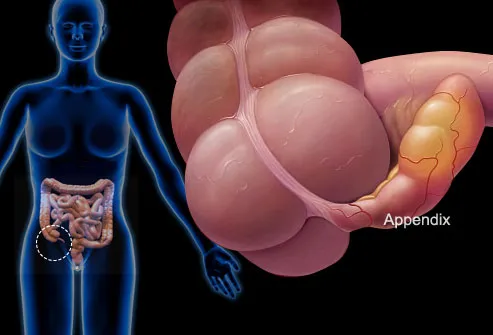
Illustration of Appendicitis
Appendicitis
This is an inflammation of the appendix, a tube of tissue connected to the large intestine. The symptoms include sharp pain in the lower right abdomen, vomiting, and fever. If you have these symptoms, go to the ER. An infected appendix must be surgically removed or it will eventually burst, spreading the infection within the abdomen. This can result in life-threatening complications.

Colon Comparisons

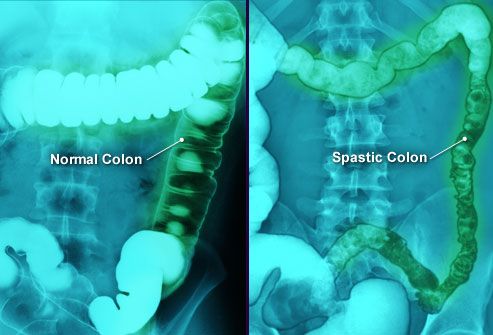
Irritable Bowel Syndrome (IBS)
Irritable bowel syndrome (IBS) is a chronic digestive disorder that causes recurring belly pain, cramps, bloating, and diarrhoea or constipation. Doctors don't know what causes it, but there are strategies to control the symptoms. These include diet changes, stress management, and medications to treat diarrhoea or constipation.

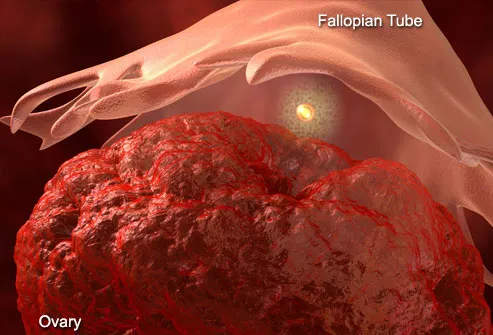
Digital Image of Ovulation

Mittelschmerz (Painful Ovulation)
If you have painful twinges halfway between your periods, you may be feeling your body ovulate. During ovulation, the ovary releases an egg along with some fluid and blood, which may irritate the lining of the abdomen. This is called mittelschmerz from the German words for "middle" and "pain," because it occurs mid-cycle. The pain may switch sides from month to month. It isn't harmful and usually goes away within a few hours.

PMS (Premenstrual Syndrome)
PMS is known for triggering mood swings and food cravings. It can also cause abdominal cramps, low back pain, headaches, tender breasts, and acne. Hormonal changes may be to blame. Stress, lack of exercise, and some vitamin deficiencies may make the symptoms worse. If PMS is interfering with your daily activities, talk to your doctor. Lifestyle changes and medication can often help.

The chart shows hormone changes during a normal menstrual cycle.PMS Graph

Illustration Showing Menstrual Cramps

Menstrual Cramps
Every month, the uterus builds up a lining of tissue called the endometrium, where an embryo can implant and grow. If you don't get pregnant, the lining breaks down and leaves the body as your menstrual period. Menstrual cramps can occur when the uterus contracts to help push out this blood. The cramps are usually felt in the lower belly or back and last one to three days. A heating pad and over-the-counter pain relievers may help.

Illustration Of An Ectopic Pregnancy
Ectopic Pregnancy
This is a life-threatening emergency that requires immediate treatment. It happens when an embryo implants and begins growing somewhere outside of the uterus, usually the fallopian tube. The symptoms include sharp pelvic pain or cramps (particularly on one side), vaginal bleeding, nausea, and dizziness. Urgent medical attention is needed.


Pelvic Inflammatory Disease
One of the most serious complications of STDs is pelvic inflammatory disease or PID. This infection can cause permanent damage to the uterus, ovaries, and fallopian tubes (seen here, swollen and red). In fact, it's the leading preventable cause of infertility in women. Symptoms include belly pain, fever, abnormal vaginal discharge, and pain during sex or urination. PID is treated with antibiotics, and in severe cases, surgery.

Two Large Ovarian Cysts
Ovarian Cysts
A follicle houses the maturing egg during the menstrual cycle and releases the egg when you ovulate. Occasionally, a follicle doesn't open to release the egg or re-closes after releasing the egg and swells with fluid, forming an ovarian cyst. This is usually harmless and goes away on its own. But large cysts may cause pelvic pain, weight gain, and frequent urination. Ovarian cysts can be identified with a pelvic exam or ultrasound.

Fibroid Tumors Of The Uterus

Uterine Fibroids
Fibroids grow in the wall of the uterus and are sometimes called fibroid tumours  but they are not cancerous. Fibroids are common in women in their 30s and 40s and usually cause no problems. However, some women may experience pressure in the belly, low back pain, heavy periods, painful sex, or trouble getting pregnant. Talk with your doctor about treatments to shrink or remove problematic fibroids.

Illustration Of Endometriosis
Endometriosis
In some women, endometrial tissue grows outside the uterus. Growths may form on the ovaries, fallopian tubes, bladder, intestines, and other parts of the body. When it's time for your period, these clumps break down, but  the tissue has no way to leave the body. While this is rarely dangerous, it can cause pain and produce scar tissue that may make it tough to get pregnant. There are treatments for endometriosis, but there is no cure.


Urinary Tract Infection
A urinary tract infection (UTI) begins when germs get into the urinary tract. A UTI can cause problems anywhere from the urethra to the bladder and up through the ureters all the way to the kidneys.  Symptoms include pressure in the lower pelvis, painful urination, and a frequent urge to urinate. The infection usually isn't serious if it is treated promptly. But when it spreads to the kidneys, it can cause permanent damage. Signs of a kidney infection include fever, nausea, vomiting, and pain in one side of the lower back.

Cutaway Image Of Kidney Stones
Kidney Stones
Kidney stones are globs of salt and minerals that deposit in the urine. They can be as tiny as a grain of sand or as large as a golf ball. As the stones move from your kidney to your bladder, they can trigger sudden, excruciating pain in the belly or pelvic area. Your urine may turn pink or red from blood. Check with your doctor if you think you have kidney stones. Most will pass out of your system on their own, but some require treatment.

Interstitial Cystitis (IC)
Interstitial cystitis (IC) is a chronic pain condition related to inflammation of the bladder. The cause is unknown. People with severe IC may need to urinate multiple times an hour. Other symptoms include pressure above the pubic area, painful urination, and pain during sex. The condition is most common in women in their 30s and 40s. Although there is no cure, there are ways to ease the symptoms.

Sexually Transmitted Diseases
Pelvic pain is a warning sign for some sexually transmitted diseases (STDs.) Two of the most common are chlamydia and gonorrhoea (shown here through a microscope); they often occur together. They don't always cause symptoms, but when they do, they may trigger pelvic pain, painful urination, bleeding between periods, and abnormal vaginal discharge. It's important to seek treatment to prevent serious complications and avoid infecting your partner.

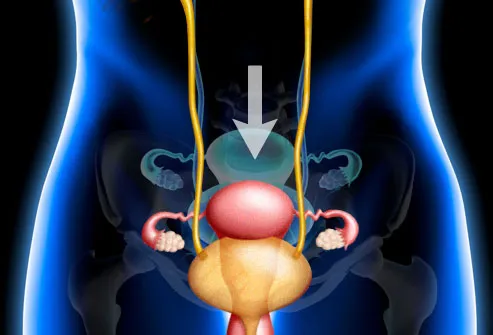
Pelvic Organ Prolapse
Many women will have some type of pelvic organ prolapse as they age. This occurs when an organ, such as the bladder or uterus, drops into a lower position. It usually isn't a serious health problem, but it can be uncomfortable. The most common symptoms are pressure against the vaginal wall, feeling full in the lower belly, discomfort in the groin or lower back, and painful sex. Treatment options range from special exercises to surgery.

Pelvic Congestion Syndrome

Pelvic Congestion Syndrome
Varicose veins commonly occur in the legs (seen here in the upper thigh), and they can sometimes develop in the pelvis. Blood backs up in the pelvic veins, causing them to become swollen and painful. This is known as pelvic congestion syndrome. The pain tends to be worse when you sit or stand. Lying down may provide relief. There are minimally invasive procedures to treat pelvic congestion syndrome.

Surgery In The Abdomen
Scar Tissue
If you've had surgery in the pelvic or lower abdominal region, such as an appendectomy or a C-section, or infection in the area, you could have ongoing pain from scar tissue. Adhesions are a type of internal scar tissue that forms between organs or structures that are not meant to be connected. Abdominal adhesions can cause pain and other problems, depending on their location. In some cases, adhesions must be surgically removed.


Vulvodynia
Vulvodynia is chronic vulvar pain that has no known cause. The pain affects the area around the opening of the vagina.  It can be constant or recurring and is often described as a burning, stinging or throbbing sensation. Riding a bike or having sex may make the pain worse. It is not caused by an infection. And a diagnosis of vulvodynia is made only after ruling out other causes of vulvar pain. Treatment options range from medication to physical therapy.


Pain During Sex
Pain during sex (dyspareunia) can be caused by many of the conditions we've discussed, most of which are treatable. Other reasons for painful sex are vaginal infections or insufficient lubrication. Sometimes there is no medical explanation for pain during sex. In those cases, sexual therapy may be beneficial. This type of therapy can help resolve inner conflicts about sex or past abuse.


Chronic Pelvic Pain
Chronic pelvic pain occurs below your belly button and lasts at least 6 months. It may be severe enough to interfere with your sleep, career, or relationships. The first step toward getting your life back is seeing your doctor for a diagnosis. Most of the conditions we've discussed respond well to treatment. Sometimes, even after a lot of testing, the cause of pelvic pain remains a mystery. But your doctor can still help you find ways to feel better.


ps- this is only for information, always consult you physician before having any particular food/ medication/exercise/other remedies.

ps- those interested in recipes are free to view my blog-

http://gseasyrecipes.blogspot.com/

for info about knee replacement, you can view my blog-

http://Knee replacement-stick club.blogspot.com/

for crochet designs

http://My Crochet Creations.blogspot.com/

I've not given details about designs, but those interested are free to mail me for the same.

Labels: , , , , , , , , , , ,

Thursday, March 10, 2011

Interstitial Cystitis (IC)


Labels: