Friday, October 04, 2013

Change in Vagina’s Bacterial Mix Leads to Painful sex after Menopause: Study

According to a research carried out by a group of researchers, it has been unveiled that 
vulvovaginal atrophy is a condition that leads to pain while having sex among 
some women who are in menopausal stage.
Study researchers were of the view that alterations take place in vagina's bacterial mix 
after the onset of menopause. These changes lead to dryness in vagina and that causes 
pain while having sex.
Study researchers provided information about vulvovaginal atrophy. There are two types 
of the same, one is low-level one and other one is severe.
If one is diagnosed with low-version then the problem can be treated with lubricants or 
vaginal moisturizers. Low-dose oestrogen is provided in the vagina when one is suffering 
from high form of vulvovaginal atrophy.
In order to reach at the above given conclusion, study researchers have carried out the 
study on 87 women who were aged between 35 and 60.
In addition, study researchers provided information about dyspareunia. It is the pain, 
which women feel while having intercourse. As per study researchers, the problem is 
common among women and affects one in five women.

ps- this is only for information, always consult you physician before having any particular food/ medication/exercise/other remedies.
ps- those interested in recipes are free to view my blog-

http://gseasyrecipes.blogspot.com/


for info about knee replacement, you can view my blog-


http://Knee replacement-stick club.blogspot.com/


for crochet designs


http://My Crochet Creations.blogspot.com

Labels: , , , , , , , , ,

Wednesday, June 26, 2013

VARIOUS CAUSES OF PELVIC PAIN

What Is Pelvic Pain?
Pelvic pain refers to pain in the abdomen below the belly button. This pain can accompany a wide range of conditions. It may be a harmless sign of fertility, a digestive disorder like IBS, or a red flag for a life-threatening emergency. In the slides ahead, we explore 18 causes of pelvic pain. But be sure to see your doctor for proper diagnosis and treatment.
Transparent View Of The Pelvic Area

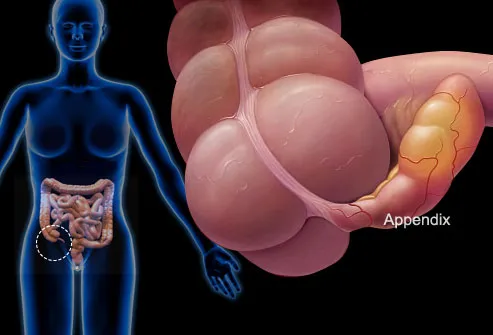
Illustration of Appendicitis
Appendicitis
This is an inflammation of the appendix, a tube of tissue connected to the large intestine. The symptoms include sharp pain in the lower right abdomen, vomiting, and fever. If you have these symptoms, go to the ER. An infected appendix must be surgically removed or it will eventually burst, spreading the infection within the abdomen. This can result in life-threatening complications.

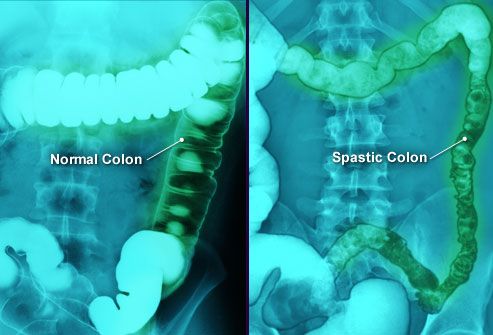
Colon Comparisons

Irritable Bowel Syndrome (IBS)
Irritable bowel syndrome (IBS) is a chronic digestive disorder that causes recurring belly pain, cramps, bloating, and diarrhoea or constipation. Doctors don't know what causes it, but there are strategies to control the symptoms. These include diet changes, stress management, and medications to treat diarrhoea or constipation.

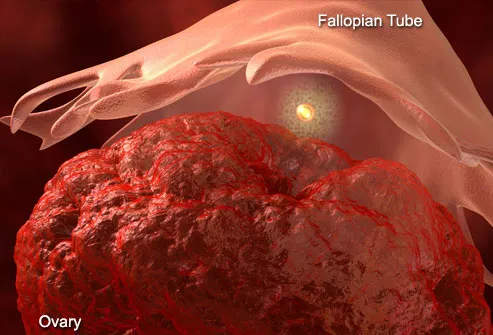
Digital Image of Ovulation

Mittelschmerz (Painful Ovulation)
If you have painful twinges halfway between your periods, you may be feeling your body ovulate. During ovulation, the ovary releases an egg along with some fluid and blood, which may irritate the lining of the abdomen. This is called mittelschmerz from the German words for "middle" and "pain," because it occurs mid-cycle. The pain may switch sides from month to month. It isn't harmful and usually goes away within a few hours.

PMS (Premenstrual Syndrome)
PMS is known for triggering mood swings and food cravings. It can also cause abdominal cramps, low back pain, headaches, tender breasts, and acne. Hormonal changes may be to blame. Stress, lack of exercise, and some vitamin deficiencies may make the symptoms worse. If PMS is interfering with your daily activities, talk to your doctor. Lifestyle changes and medication can often help.

The chart shows hormone changes during a normal menstrual cycle.PMS Graph

Illustration Showing Menstrual Cramps

Menstrual Cramps
Every month, the uterus builds up a lining of tissue called the endometrium, where an embryo can implant and grow. If you don't get pregnant, the lining breaks down and leaves the body as your menstrual period. Menstrual cramps can occur when the uterus contracts to help push out this blood. The cramps are usually felt in the lower belly or back and last one to three days. A heating pad and over-the-counter pain relievers may help.

Illustration Of An Ectopic Pregnancy
Ectopic Pregnancy
This is a life-threatening emergency that requires immediate treatment. It happens when an embryo implants and begins growing somewhere outside of the uterus, usually the fallopian tube. The symptoms include sharp pelvic pain or cramps (particularly on one side), vaginal bleeding, nausea, and dizziness. Urgent medical attention is needed.


Pelvic Inflammatory Disease
One of the most serious complications of STDs is pelvic inflammatory disease or PID. This infection can cause permanent damage to the uterus, ovaries, and fallopian tubes (seen here, swollen and red). In fact, it's the leading preventable cause of infertility in women. Symptoms include belly pain, fever, abnormal vaginal discharge, and pain during sex or urination. PID is treated with antibiotics, and in severe cases, surgery.

Two Large Ovarian Cysts
Ovarian Cysts
A follicle houses the maturing egg during the menstrual cycle and releases the egg when you ovulate. Occasionally, a follicle doesn't open to release the egg or re-closes after releasing the egg and swells with fluid, forming an ovarian cyst. This is usually harmless and goes away on its own. But large cysts may cause pelvic pain, weight gain, and frequent urination. Ovarian cysts can be identified with a pelvic exam or ultrasound.

Fibroid Tumors Of The Uterus

Uterine Fibroids
Fibroids grow in the wall of the uterus and are sometimes called fibroid tumours  but they are not cancerous. Fibroids are common in women in their 30s and 40s and usually cause no problems. However, some women may experience pressure in the belly, low back pain, heavy periods, painful sex, or trouble getting pregnant. Talk with your doctor about treatments to shrink or remove problematic fibroids.

Illustration Of Endometriosis
Endometriosis
In some women, endometrial tissue grows outside the uterus. Growths may form on the ovaries, fallopian tubes, bladder, intestines, and other parts of the body. When it's time for your period, these clumps break down, but  the tissue has no way to leave the body. While this is rarely dangerous, it can cause pain and produce scar tissue that may make it tough to get pregnant. There are treatments for endometriosis, but there is no cure.


Urinary Tract Infection
A urinary tract infection (UTI) begins when germs get into the urinary tract. A UTI can cause problems anywhere from the urethra to the bladder and up through the ureters all the way to the kidneys.  Symptoms include pressure in the lower pelvis, painful urination, and a frequent urge to urinate. The infection usually isn't serious if it is treated promptly. But when it spreads to the kidneys, it can cause permanent damage. Signs of a kidney infection include fever, nausea, vomiting, and pain in one side of the lower back.

Cutaway Image Of Kidney Stones
Kidney Stones
Kidney stones are globs of salt and minerals that deposit in the urine. They can be as tiny as a grain of sand or as large as a golf ball. As the stones move from your kidney to your bladder, they can trigger sudden, excruciating pain in the belly or pelvic area. Your urine may turn pink or red from blood. Check with your doctor if you think you have kidney stones. Most will pass out of your system on their own, but some require treatment.

Interstitial Cystitis (IC)
Interstitial cystitis (IC) is a chronic pain condition related to inflammation of the bladder. The cause is unknown. People with severe IC may need to urinate multiple times an hour. Other symptoms include pressure above the pubic area, painful urination, and pain during sex. The condition is most common in women in their 30s and 40s. Although there is no cure, there are ways to ease the symptoms.

Sexually Transmitted Diseases
Pelvic pain is a warning sign for some sexually transmitted diseases (STDs.) Two of the most common are chlamydia and gonorrhoea (shown here through a microscope); they often occur together. They don't always cause symptoms, but when they do, they may trigger pelvic pain, painful urination, bleeding between periods, and abnormal vaginal discharge. It's important to seek treatment to prevent serious complications and avoid infecting your partner.

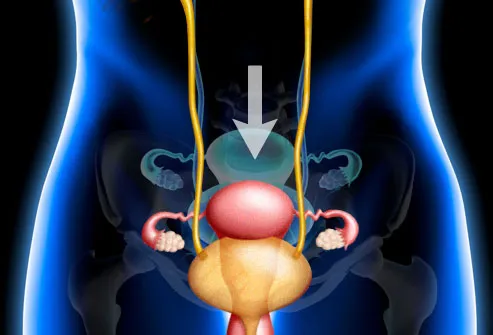
Pelvic Organ Prolapse
Many women will have some type of pelvic organ prolapse as they age. This occurs when an organ, such as the bladder or uterus, drops into a lower position. It usually isn't a serious health problem, but it can be uncomfortable. The most common symptoms are pressure against the vaginal wall, feeling full in the lower belly, discomfort in the groin or lower back, and painful sex. Treatment options range from special exercises to surgery.

Pelvic Congestion Syndrome

Pelvic Congestion Syndrome
Varicose veins commonly occur in the legs (seen here in the upper thigh), and they can sometimes develop in the pelvis. Blood backs up in the pelvic veins, causing them to become swollen and painful. This is known as pelvic congestion syndrome. The pain tends to be worse when you sit or stand. Lying down may provide relief. There are minimally invasive procedures to treat pelvic congestion syndrome.

Surgery In The Abdomen
Scar Tissue
If you've had surgery in the pelvic or lower abdominal region, such as an appendectomy or a C-section, or infection in the area, you could have ongoing pain from scar tissue. Adhesions are a type of internal scar tissue that forms between organs or structures that are not meant to be connected. Abdominal adhesions can cause pain and other problems, depending on their location. In some cases, adhesions must be surgically removed.


Vulvodynia
Vulvodynia is chronic vulvar pain that has no known cause. The pain affects the area around the opening of the vagina.  It can be constant or recurring and is often described as a burning, stinging or throbbing sensation. Riding a bike or having sex may make the pain worse. It is not caused by an infection. And a diagnosis of vulvodynia is made only after ruling out other causes of vulvar pain. Treatment options range from medication to physical therapy.


Pain During Sex
Pain during sex (dyspareunia) can be caused by many of the conditions we've discussed, most of which are treatable. Other reasons for painful sex are vaginal infections or insufficient lubrication. Sometimes there is no medical explanation for pain during sex. In those cases, sexual therapy may be beneficial. This type of therapy can help resolve inner conflicts about sex or past abuse.


Chronic Pelvic Pain
Chronic pelvic pain occurs below your belly button and lasts at least 6 months. It may be severe enough to interfere with your sleep, career, or relationships. The first step toward getting your life back is seeing your doctor for a diagnosis. Most of the conditions we've discussed respond well to treatment. Sometimes, even after a lot of testing, the cause of pelvic pain remains a mystery. But your doctor can still help you find ways to feel better.


ps- this is only for information, always consult you physician before having any particular food/ medication/exercise/other remedies.

ps- those interested in recipes are free to view my blog-

http://gseasyrecipes.blogspot.com/

for info about knee replacement, you can view my blog-

http://Knee replacement-stick club.blogspot.com/

for crochet designs

http://My Crochet Creations.blogspot.com/

I've not given details about designs, but those interested are free to mail me for the same.

Labels: , , , , , , , , , , ,

Tuesday, September 27, 2011

Sjogren’s syndrome


Sjogren’s syndrome ( SS)     pronounced as Show-grins

While SS is one of the most common auto-immune disorders, few people have heard of it & normally doctors rarely ask patients to test for it.

When SS strikes, the body’s immune system attacks its own secretory glands & tissues, causing the classical symptoms of dryness of eyes & mouth. Severe fatigue is another hallmark symptom.

While 9 out of 10 patients are women in the age group of 20-40, the delay in diagnosis averages 6-8 years due to its disparate symptoms.

The symptoms are subtle & non-specific in the beginning & a patient therefore visits a number of specialists like eye doctors, dentists, rheumatologists etc. A patient struggles through a myriad physical distresses like debilitating fatigue, respiratory problems, joint pains, dryness of mouth, skin rashes, dryness of mouth & eyes for many years before getting diagnosed.

Women may suffer from dyspareunia- painful intercourse, because of dry vagina. A small percentage of patients can even develop cancer of the lymph glands.

Patients should learn how to manage their problems once diagnosed, like when the mouth gets dry, then to take the medicines prescribed, which is in proportion to the dryness, also what foods should be avoided, like for some almonds, or cashew nuts. Some may need eye drops, when the eyes get too dry, so one should carry water & eye drops whenever they move out of their homes.

Only positive thing is over the years, some doctors are also getting aware of this disease & stopped telling patients that it is all in their heads.


Labels: , , , , , , , , ,