Saturday, March 05, 2022

7 Probiotics that Boost Your Health, Besides Yogurt

Can you name two probiotics other than yogurt? If you can't think of another item that is rich in protein then this post is for you. Probiotic stands for promotion (pro) of life (biotic). We all have tiny organisms living inside us. These organisms, which are also known as microorganisms are so numerous, they actually outnumber the human cells in our body. Probiotics are one such bacteria that is important for us. While bacteria are infamous for causing diseases, probiotics are essential for our body to carry out the gastrointestinal functions smoothly.  
 
What do probiotics do?
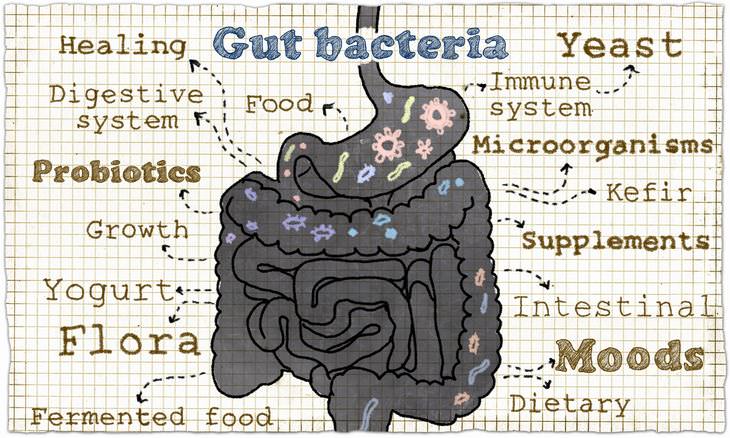
probiotic foods
Probiotics can be of benefit to a number of health issues. It can ward off infections, improve the immune system, fight obesity and improve women's health. Research has found that probiotics can effectively treat common gastrointestinal problems, in particular, antibiotic-associated diarrhea (AAD). Multiple types of probiotics are found in fermented foods. They have also earned themselves a great reputation in fighting against constipation. 
 
There are instances where probiotic therapy is prescribed to effectively treat Crohn's disease, urinary tract infections, irritable bowel syndrome, bladder concerns, vaginal infections, ulcers, issues related to the colon and eczema in children. So, if you have restricted yourself to plain or flavored yogurt for your daily dose of probiotics, you should look into more options. You will be surprised to know that there are in fact, quite a few. Here are 7 probiotic options you can feast on:

1. Dark Chocolate 
Dark chocolate has a number of sweet health benefits. In addition to being a rich source of antioxidants and fiber, dark chocolate is a great probiotic in itself. When you eat dark chocolate, the good bacteria in the gut eat it and feed on them, so they grow. Eventually, they produce anti-inflammatory compounds. To reap further benefits, you can dip some fruit in dark chocolate.  
 
2. Fermented Cheese
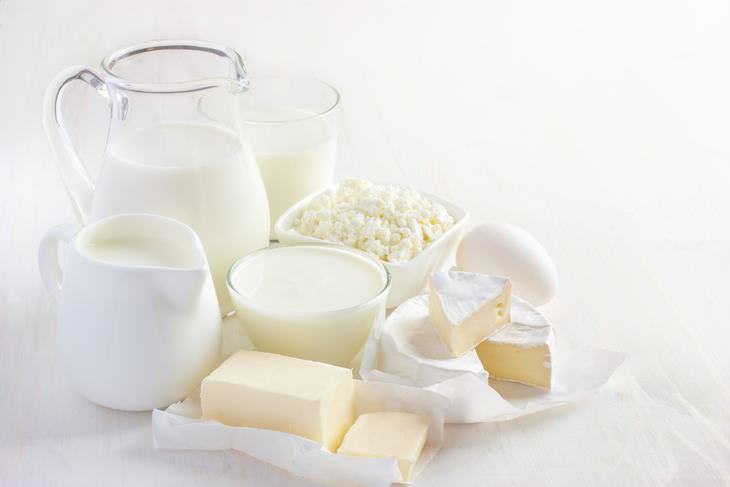
probiotic foods
While cheese is a fermented product, not all types of cheese contain probiotics. To be sure you're getting your dose, check the labels for live cultures in the cheese. Cheeses rich in probiotics include cheddar, mozzarella, gouda, Swiss, and cottage cheese. According to the Journal of Applied Microbiology, the good bacteria in these cheeses survive the manufacturing and aging process. 
 
3. Kombucha 
This tea is packed with probiotics. Kombucha is a fermented tea that is loaded with good bacteria and is either a black or green tea that is often referred to as mushroom tea. It is packed with loads of health benefits, predominantly those that ensure a proper functioning of the digestive and immune systems, reduce inflammation and help in weight loss.  
 
4. Apple Cider Vinegarprobiotic foods
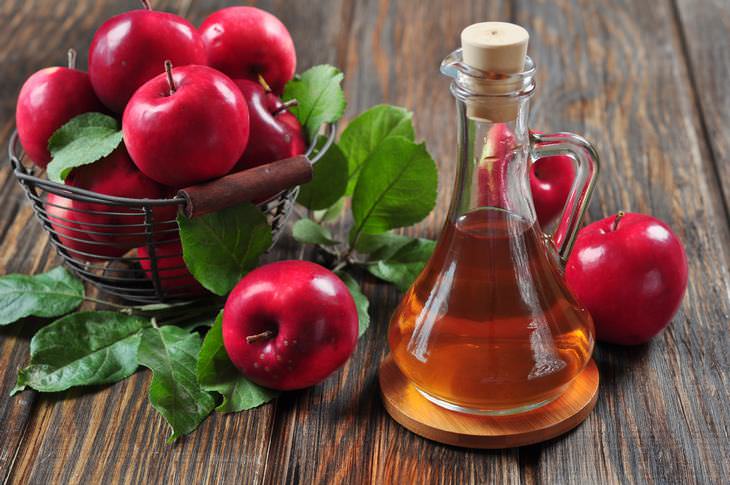
This is a little tricky. Since apple cider has a variety of uses, it tends to be found in every household. It is therefore easy to get your hands on this probiotic-rich drink. The apple components are great for the gut bacteria. However, you shouldn't consume this directly. It is best diluted with water or added to food. 
 
5. Pickles 
Pickles are low in calories, high in sodium and potassium and are the perfect healthy snack to munch on. Pickled cucumbers are excellent for gut health just be sure to choose sour pickles and not the ones that are doused with vinegar. A solution made of sea salt and water is the perfect environment for good bacteria to grow.
 
6. Kefir
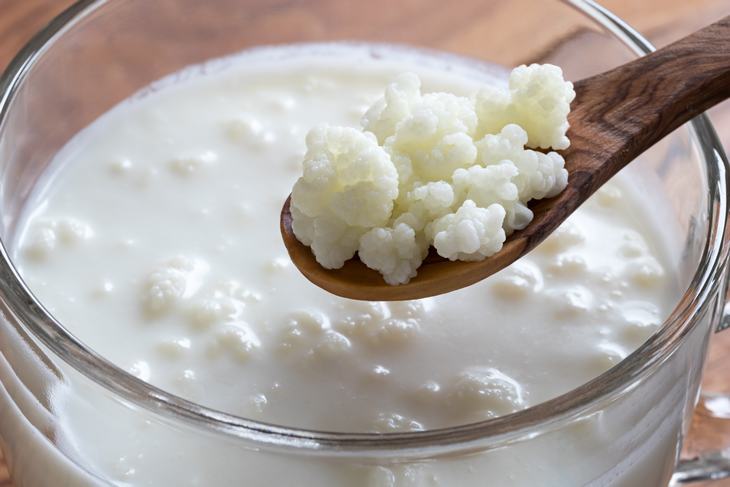
probiotic foods
Kefir is a probiotic milk drink that is made by adding kefir grains to milk. It is quite popular in the world of health and tastes great when added to milkshakes and smoothies. It is delicious for ingesting some probiotics. 
 
7. Miso 
Japanese cuisine is rich in fermented source of cancer fighting-probiotics. Miso is a seasoning used in most Japanese dishes. It is rich in protein, fiber, vitamins, and probiotics. The next time you visit a restaurant for sushi, order a bowl of miso soup to keep cerebral and myocardial infarctions at bay.

This is only for your information, kindly take the advice of your doctor for medicines, exercises and so on.   

https://gscrochetdesigns.blogspot.com. one can see my crochet creations  
https://gseasyrecipes.blogspot.com. feel free to view for easy, simple and healthy recipes    
https://kneereplacement-stickclub.blogspot.com. for info on knee replacement

Labels: , , , , , , , , , , , , ,

Thursday, June 02, 2016

Crohn's Disease

 https://cancersupportindia.blogspot.com. for all cancer and health related topics- this is only for your information, kindly take the advice of your doctor for medicines, exercises and so on.

https://gscrochetdesigns.blogspot.com. one can see my crochet creations

https://gseasyrecipes.blogspot.com. feel free to view for easy, simple and healthy recipes

https://kneereplacement-stickclub.blogspot.com. for info on knee replacement


Crohn’s is a disease that has only very recently been understood, yet its incidence is increasing all the time. In 2010 an estimated 35,000 people died of the chronic affliction, and around 3.2 of every 1000 people are affected throughout Europe and North America: that is about 33 million sufferers. It is therefore vitally important that you get to know the warning signs of this disease. This useful guide will answer all of your questions.
 
Note: This informative article is not a substitute for the advice of a medical profession. 
 
Crohn's Disease Explained
Dr. Burrill B. Crohn (1884-1983) was a remarkable Jewish-American doctor who practiced until aged 90, during which time he accurately described the disease ‘regional ileitis’ (or ‘regional enteritis’), which, against his will, has since become known as ‘Crohn’s Disease’.

Crohn’s is a chronic inflammatory bowel disease (IBD), affecting the gastrin-intestinal (GI) tract anywhere from the mouth, esophagus, stomach, small/large intestines to the anal region. Though the most common location is the final part of the small intestine (ileum) or the first portion of the colon or large intestine (cecum).
 Typically, inflammation (redness) from a recent injury results when your immune system responds by attempting to eradicate bacteria and viruses from a wound. When this task is complete the immune system ‘switches off’. If this occurs in the GI but the immune system fails to ‘switch off’ inflammation grows and creates ulcers. Ulcers can also lead to an abscess outside the gastrin-intestinal tract.

Anyone at any age can suffer, though in children it is much rarer. It is also considered relatively rare in Asian people, yet more common in Jewish people originating from Eastern Europe.
Symptoms
 There are two categories of symptoms. The first pertain to the inflammation and ulcers in the GI. Sufferers commonly experience:
- Diarrhea (which may be bloody and frequent)
- Crampy abdominal pains
- Weight loss
- Fever
- Vomiting
- Appetite loss
- Rectal bleeding
- Fatigue
- Anal tags/ulcers

The second category of symptoms pertain to problems beyond the GI, such as:
- Joint pain
- Liver inflammation
- Osteoporosis
- Skin problems
- Eye problems
- Mouth ulcers
- Anemia
 
Causes
The cause of Crohn’s disease remains unknown. Though there are three risk factors which medical professionals have determined.

1 - Genetic disposition: Some genes have been said to cause the disease, but no one gene in particular.
2 - Environmental factors: Bacteria in our environment or diet may cause the initial inflammations that cause the immune system to overreact. Smoking is also considered such a cause.
3 - Poor immune system: Either the immune system is unrestrained and cannot stop, or it’s weak and cannot react effectively.


Diagnoses
 Blood Test: A blood test can determine whether you have Crohn’s by assessing the quantity of your red and white blood cells. A high white blood cell count and a low red blood cell count (anemia) are associated with Crohn’s.
Colonoscopy: To find evidence of ulcers or inflammation of the GI, doctors will use a colonoscopy. This is a test that enables the doctor to inspect the inner lining of the large intestine, using a thin and flexible tube.
CT scan: To find out whether Crohn’s has spread into an abscess they will make a CT scan. Formerly known as a CAT scan this is an X-ray procedure that combines many images with a computer to create a cross-sectional view of the body, including 3-D images of internal organs. 

Cures and Treatments
There is no cure for Crohn’s disease, thus it is known as a chronic illness (from chronos - Greek for time, indicating that the disease persists). However modern treatment is excellent, allowing patients to lead a normal life, with only a slightly reduced age expectancy.

Although surgery might be necessary in severe cases to remove affected areas of the intestines, doctors will always prescribe a permanent course of anti-biotics and anti-inflammatory tablets, which will control the majority of symptoms. However, the disease can occasionally flare up again, upon which patients must consult their doctor.
Prevention

Crohn's can happen to anyone at any time, therefore it is imperative that we take preventative steps to prepare our bodies. 
1 - Quit smoking: Since smoking is seen as a potential cause of Crohn’s, it is important to start yourself on the path to quitting cigarettes.
2 - Avoid Viruses: You should also be aware of what to take against virus attacks, such as flu inoculations and good basic hygiene.
3 - Avoid unprescribed medicine: Do not use antibiotics unless they have been prescribed to you.
4 - Eat well and be happy- and make sure you get regular exercise.
5 - Bonus: Curiously, some of the more unusual preventatives for Crohn’s include acai berries and even tequilla !
 
Foods Crohn's Sufferers Must Avoid

1. Nuts – Crohn’s sufferers can’t masticate raw nuts enough to reap their benefits
2. Vegetable and fruit skins – Their raw peel or skin is too hard to digest
3. Popcorn – Although a whole grain, popcorn is the very hardest to digest
 4. Fried food – Its greasiness makes it very hard to digest
5. Cured meat – Crohn’s sufferers need protein, yet cured fatty meat lacks protein and its high fat content aggravates diarrhea.
6. Seeds – Foods with seeds such as strawberries are a no-no, because the seeds can’t be digested easily.
7. Tomatoes – Tomatoes are very destructive for Crohn’s sufferers, due to their seeds, skin and acidity.
8. Coffee, chocolate, caffeine – Anything that contains caffeine is considered a taboo  for Crohn’s patients.
9. Alcohol – To avoid a flare up it is best to avoid alcohol.
10. Dairy – Cow’s milk and common cheeses are to be avoided since Crohn’s sufferers can be lactose intolerant. 


Labels: , , , , , , , , , , ,

Tuesday, September 27, 2011

TRIPHALA (AMLA, BIBHITAKI AND HARITAKI)

Click Here To Join


Amla, bibhitaki and haritaki are actually three herbs used together exclusively in an Ayurvedic formula known as triphala.

Amla is used to treat digestive disorders such as indigestion, gas, constipation, colitis and ulcers.

Bibhitaki is likewise used to treat digestive disorders, including Chron’s disease, intestinal parasites and gall stones.

Haritaki is used specifically for constipation, but is also effective for hemorrhoids, dysentery and parasites or worms.

Together these three herbs make a powerful internal cleansing remedy. They help restore balance and improve regularity. However, they are used only on a period basis due to their cathartic effect.

Labels: , , , , , , , , , ,