Friday, November 21, 2025

If You Suffer from Migraines Stay Clear of These 16 Foods!

Migraines are frequent and extremely strong headaches that can severely limit those who suffer from them. This is a very common disorder, which affects 15% of the world's population. The prevailing view is that there is nothing to be done about migraines, but this is a mistake and the problem can certainly be dealt with. Apart from medical care, you can also make a few simple lifestyle changes to reduce your risk of headaches. 
 
About 15% to 60% of migraine sufferers suggest that there are certain foods that trigger this acute nuisance, and indeed these foods have been shown to be possible causes of migraine pain, both in terms of frequency and severity of the attack. In the following list, we will present some 16 of the foods found to be related to the onset of migraines; Not all of them will necessarily cause headaches in all those who suffer from the disorder, but you have to keep an eye on what you put into your mouth and learn what foods to avoid in order to live a healthier and more peaceful life.
1. Beans 
One of the substances that most strongly affects headaches is tannin, a plant-based acidic substance found in several different types of fruits and vegetables, especially in peels and puts. Almost all kinds of beans - from green beans to Snow peas - contain this compound, as well as other legumes such as peas and lentils, although in lower quantities. 
 
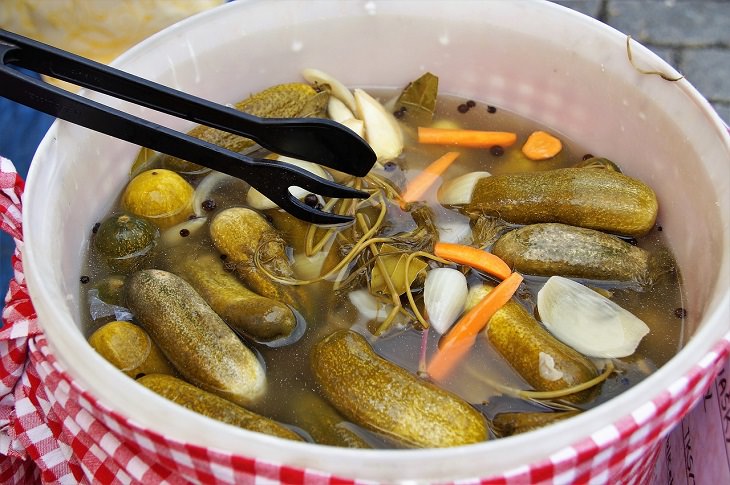
2. Pickles 
The acid concentrations and doses of the tyramine found in pickles were found to be related to severe headaches and nausea that sometimes arise during migraine attacks. Note that this warning applies to all types of pickled foods including kimchi (Asian pickles), Kombucha, okra, pickled peppers and more.

migraine triggers

3. Hot peppers 
Capsaicin - which is abundant in peppers, as well as in a large number of other spicy foods - is an organic compound that creates the sensation of sharp taste on the tongue. Capsaicin is such a powerful substance in its ability to produce headaches, that it is even used in many studies that want to stimulate migraines deliberately for assessment and learning purposes.

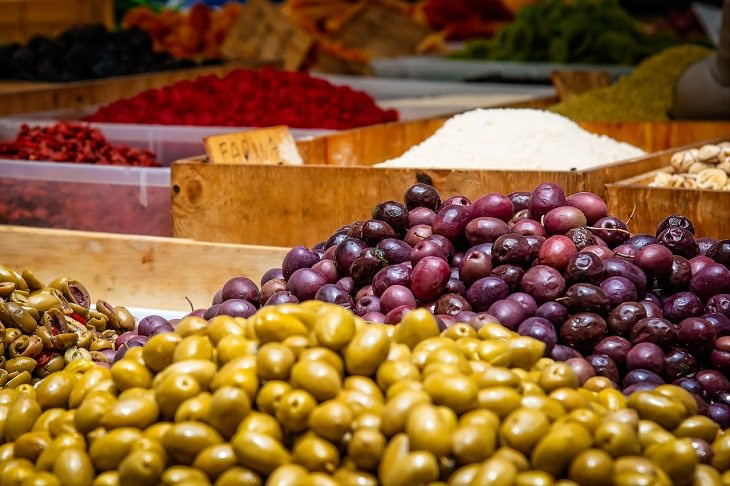
4. Olives 
 migraine triggers
 
The olive flesh and its outer skin contain the aforementioned tyramine compound, which is a byproduct of certain amino acids and acts in a similar way to the neurotransmitters in our brain - the molecules whose function is to transmit messages and substances in the body’s nervous system. An excess of this substance can cause migraine symptoms to appear, as demonstrated in a study conducted at the Royal Hospital in London, as well as a study conducted at the University of Washington in Seattle.

5. Dried fruits 
Dried fruits contain, relatively speaking, very large amounts of sulfates, which have been used to preserve foods for centuries. In recent years, there has been a growing awareness of the link between sulfates and the appearance of migraines. Among other reasons, this may be due to the fact that these compounds increase oxidative stress in the body, as has been shown in several studies, including one published in 2005. 
 
6. Avocado 
Although avocado is considered one of the healthiest foods that migraine sufferers are advised to stay away from when they experience headaches. Like olives, avocados also contain enough tyramine to significantly increase the amount of time that migraine headaches are experienced, as well as their strength. In addition to avocado, you should know that plums also contain problematic tyramine.

7. Bananas 
In addition to tyramine, which is found in Cavendish bananas, bananas also contain histamines (what causes allergies), which can lead to a migraine as well due to the connection between the two medical problems and the immune system, as found in a study published in 2003. 
 
8. Citrus fruits 
Citrus fruits are considered to be the healthiest because of their exceptional vitamin content, but for migraine sufferers, citrus fruits can be dangerous. Like bananas, citrus fruits also contain tyramine and histamines that can trigger a migraine attack. 

9. Pastries made with yeast  
Pastries made with yeast contain a component called coumarin which causes migraines. This component is what also gives these pastries their yeasty scent, however, it has been known for years as something that triggers migraines. 

10. Processed meat 
Processed meats, such as sausages, hot dogs and hamburgers from fast food restaurants, also contain tyramine, as well as sodium nitrate - two substances that according to various studies cause changes in brain chemicals leading to headaches and migraines. In addition, the processed meats also contain a relatively large amount of preservatives, which of course doesn’t contribute to calming the situation rather only intensifies it. It should be noted that a study conducted in 2012 found a direct and significant relationship between the consumption of red meat and the appearance of migraines.

11. Aged cheese  
When aged cheeses are made (Roquefort, Steelton, Berry, etc.), their tyramine content naturally increases, which is caused by the protein's decomposition over time. The older the cheese, the higher the tyramine content; Therefore, although they are considered a delicacy because of their strong aroma and special textures, aged cheeses are not recommended for people suffering from migraines. 
 
12. Sour cream 
Choline is a natural ingredient found in sour cream and serves as an essential building block of several molecules with different functions in the body. Despite the importance of choline, several studies have found a clear link between the consumption of foods containing it, such as sour cream, and an increase in the frequency of headaches.

13. Milk and dairy products 
As is understood from the previous sections, milk and its by-products have an effect on the appearance and severity of migraines. In a study published in 1983 among a sample of 48 people with migraines or asthma attacks, 70% reported that removing dairy products from their diet caused a significant improvement and alleviation of migraine headaches. 
 
14. Alcoholic beverages 
Drinking excessive amounts of alcohol has always been associated with the appearance of dizziness and headaches of varying degrees of severity, but it is important to know that migraine sufferers should stay away from alcoholic beverages in general - because its various components, including tyramine, encourage and stimulate the onset of the phenomenon. It should also be noted that among the existing drinks, red wine is considered a major trigger, as was shown in a study conducted at the Queen Charlotte Hospital in London, due to its tannin content.

15. Monosodium glutamate 
Monosodium glutamate, also known as MSG, is a chemical that can improve and sharpen flavors. The use of monosodium glutamate is mainly in Chinese cuisine, but also in canned and instant-prep foods. MSG is known as one of the fastest migraine triggers because it causes blood vessel contraction in the brain and can lead to the release of nitrogen oxide which causes headaches to appear. Therefore, those suffering from migraines should stay away from foods containing it. 
 
16. Artificial sweeteners 
We often reach for artificial sweeteners when we want to lose weight or just cut our sugar intake. Beyond the fact that it causes more harm than good, migraine sufferers are advised not to touch any of the various artificial sweeteners, because they contain exotoxins - toxins that cause the neurons that make up our brain to fire signals at an increased rate, a condition which also characterizes a migraine attack.


This is only for your information, kindly take the advice of your doctor for medicines, exercises and so on.   

Labels: , , , , , , , , , , , , ,

Monday, October 14, 2019

Foods a nutritionist would avoid (and why you should too)

Do not make these diet mistakes

Altering your diet is not as easy as it sounds. When the internet gives you different opinions on what to eat and what specifically not to, consulting a nutritionist is the best thing to do. While certain foods like junk foods are a no-no, there are also some other surprising exceptions that an expert would say no to. If you want to avoid making mistakes with your diet, pay attention:

1.  'Diet' or 'Fat-free' products

Anything which mentions 'diet' or 'fat-free' on the label is something you should be steering clear of. Almost all diet food options are mass-produced and devoid of necessary nutrition which we fail to notice. Plus, some of the products also contain added sugar or corn syrup to improve the taste. The same goes for 'lite' butter and spreads, which contain traces of trans fats. When you eat something like this, there are no dietary alterations actually happening.

2. Processed meat

Non-vegetarians, if you love eating meat or chicken, always make sure that the stuff you take home comes from an actual butcher’s shop and not the ones stored in supermarkets and other such aisles, as they are mostly processed. Any kind of meat or fish which comes with a shelf life is usually salted, canned and added with chemicals for preservation, which definitely is not good for your health, diet or otherwise.

3. Ketchup

If you cannot resist the thought of enjoying your favourite burger or french fries without ketchup, you need to stop doing this ASAP. A single tablespoon of ketchup contains a high percentage of sodium, sugar, trans fats and chemicals to enhance the taste. If you need to make a change, try making it at home or using other varieties of sauce which have little nutritional value in them.

4. Chinese takeaway meals

Sure, it is hard to resist the taste and easy dinner options that come with Chinese takeaway meals. One of the biggest threats you are facing comes from MSG and the fried food itself, which is high in saturated fats, carbs, and calories which are harder to breakdown and digest.

5.  Protein and fiber bars

Not really losing weight which you hoped for? Do you want something sweet to snack every time you feel hungry in the middle of the day? Stop munching on those ‘healthy fiber bars’. They actually have a very low level of fiber in them and contain unhealthy sugars that do nothing for your health.

6. Packaged fruit juices

We are all guilty of following the trend. Be it cold-pressed, fresh or just the extract, any kind of vegetable or fruit juice which comes packed in a carton is absolutely safe for consumption. Not only are these expensive, but they also have extra sugar in them and not the vitamins and minerals which are promised on the pack. And not to forget, the dreaded calories which come along.

 this is only for your information, kindly take the advice of your doctor for medicines, exercises and so on.   
https://gscrochetdesigns.blogspot.com. one can see my crochet creations  

https://gseasyrecipes.blogspot.com. feel free to view for easy, simple and healthy recipes    
https://kneereplacement-stickclub.blogspot.com. for info on knee replacement


Labels: , , , , , , ,

Tuesday, July 16, 2019

12 Foods to Avoid If You Suffer from Inflammation

When it comes to making lifestyle changes, our diet is often our number one priority. When it comes to managing diseases, it can get a little more complicated. If you were to do a search on foods to avoid if you suffer from arthritis, you will find a very restrictive list which can make managing your symptoms all the more stressful. Foods that are good for fighting inflammation are also good for your heart. The body's systems are all connected. 

The more fruits and vegetables, healthy fats, proteins, and complex carbohydrates your diet contains, the better. Everyone has times when they may want to enjoy a slice of cake or their mom's famous lasanga. If your body can tolerate these foods, then go for it. Listening to your body is essential. If you feel better after a week of eliminating gluten and fried foods, then continue to keep these foods out of your diet. Let the way you feel when you eat a certain food or eliminate it be a reminder, not a punishment. 

Your diet can help you manage symptoms of chronic pain that you feel while decreasing inflammation happening in your body that you may be experiencing as a result of arthritis or other inflammatory diseases. Look at your diet and focus on the things you can immediately modify or minimize your intake of. Remember also that it's not always a specific food, it can be an ingredient or category of food that can trigger an inflammatory response. Here are 12 foods that can influence your body's inflammatory response. 

Artificially Sweetened Drinks

Aspartame is made up of three chemicals: aspartic acid, phenylalanine, and methanol and is an artificial sweetener found in thousands of foods as well as diet sodas. While it is approved by the FDA, studies on its effects are mixed, and the impact on people with autoimmune disease are unknown. Because it is a foreign substance, your body may respond to it by attacking the chemical which can trigger an inflammatory response. This is something that happens over time. If you drink diet soda daily, this is a great place to start making a change. 

Processed Meats

Arthritis is an inflammatory disease, and studies have shown that diets high in saturated fat—typically found in abundance in processed meats— promote inflammation in the body. Look for varieties that are nitrate and nitrite free. If you are eating bacon four days a week, reduce it to two. 

Sugary Drinks

Several studies have found that the consumption of sugar sweetened drinks, like soda or juice, is associated with an increased risk of developing rheumatoid arthritis. What's more, regular consumption of sugar-sweetened beverages has also been linked to diseases like obesity, insulin, resistance, and systemic inflammation—all of which have been linked to the development of RA.

Trans Fats

This is where paying attention and reading labels carefully comes into play. When you see "partially hydrogenated oils" as an ingredient, this is a trans fat. Like saturated fats, trans fats, which are often found in fried foods, have been shown to trigger systemic inflammation within the body, as shown by increased biomarkers of inflammation like C-reactive protein. The consumption of trans fats is also correlated with an increased risk of insulin resistance and obesity, which are risk factors for RA. 

White Bread

The consumption of sugars—found in refined carbohydrate products like white bread—have been found to increase the formation of advanced glycation end products (AGEs), compounds that are linked with inflammation as well as the development of arthritis. Most of us have already transitioned to better-for-you varieties of bread such as whole-grain options that are higher in fiber, multigrain bread with seeds, or even gluten-free bread. Think about switching to open-face sandwiches as an easy way to reduce your bread intake.  

White Pasta

The same rules apply here as they do for bread. It's the refined carbohydrates that have been found to increase the formation of AGEs that are linked with inflammation. The good news is that you can still eat pasta! With so many new varieties of bean-based pastas as well as gluten free options, enjoying marinara and meatballs with your family can still be a weekend tradition.

Gluten

This is probably the most popular category of "foods to avoid" if you suffer from inflammation. The link between gluten and pain from arthritis is unclear and has not been confirmed by research, but some people believe that their arthritis symptoms worsen after eating a meal containing gluten. However, Celiac disease and certain types of arthritis are both autoimmune diseases, and having Celiac disease leads to an increased risk of developing arthritis. Eaters who are embracing a gluten-free lifestyle have more options than ever; gluten-free pizza crusts, breads, pastas, and more. A word of caution, even though a food is gluten free, it still has calories. If a gluten-free diet has been recommended to you to lose weight (which can lighten the load on your joints), you still have to pay attention to maintain balance in your diet and your portion sizes. 

Soybean Oil and Vegetable Oil

Vegetable oils are rich in omega-6 fatty acids. While omega 6 fatty acids are required for normal development and growth, the standard Western diet tends to be too high in them, and excess consumption can trigger the production of pro-inflammatory chemicals. A study found that a higher ratio of omega-6 to omega-3 fatty acids is associated with an increased risk of developing chronic inflammatory diseases, including arthritis.

Processed Snack Foods

Processed snack foods contain the trifecta of pro-inflammatory ingredients: refined carbs or sugars, trans fats, and vegetable oils. Most chips and crackers are void of nutrients and are often high in sodium. If you are snacking on cheese and crackers, try swapping the crackers out for a piece of fruit. Keeping snacks balanced is as important as keeping meals balanced. 

Desserts

The thought of giving up favourite desserts is depressing. But think about how you feel when do you indulge. Do you find that the next day your joints feel a little stiffer? Maybe your energy is a little lagging. It's not about restriction but rather the notion of realization. If you don't feel good when you eat something, don't eat it! Like processed snack foods, desserts often include the heavy hitters for promoting inflammation: sugar and trans fats. 

Excess Alcohol

Studies have found that moderate alcohol consumption is fine—and sometimes even beneficial in reducing the risk of arthritis (it's been shown to reduce biomarkers of inflammation, including C-reactive protein, interleukin-6, and TNF-alpha receptor 2), but moderation is key. Plus, alcohol could interact with arthritis medications and end up taxing the liver.

MSG
This food additive is often associated with Chinese food but it is also a flavor enhancer that is found in thousands of canned and prepared foods, deli meats, and is also used in fast food restaurants. Research hasn't found a link between MSG consumption and arthritis; however, some people believe that MSG can be a trigger for arthritic pain. 

Aim for balance and try to build meals and snacks with a combination of one protein, one carbohydrate, and one fat.

THIS IS ONLY FOR INFORMATION, ALWAYS CONSULT YOU PHYSICIAN BEFORE HAVING ANY PARTICULAR FOOD/ MEDICATION/EXERCISE/OTHER REMEDIES.                                    PS- THOSE INTERESTED IN RECIPES ARE FREE TO  VIEW MY BLOG-                                                                                           https://gseasyrecipes.blogspot.com/                                                                                                                                                FOR INFO ABOUT KNEE REPLACEMENT, YOU CAN VIEW MY BLOG-                                                  https:// kneereplacement-stickclub.blogspot.com/                                                                      FOR CROCHET DESIGNS                                                                                                    
                                https://gscrochetdesigns.blogspot.com

Labels: , , , , , , , , , , , ,

Friday, February 01, 2019

11 Warning Signs of a Food Intolerance

I have never really been aware of the distinction between allergies and food intolerance. In fact, up until recently, I didn't even know there was any difference. But thanks to this handy guide I understand that I may be food intolerant, even though I am allergy free. As much as 10% of us suffer from food intolerance, however, we usually don't realize and therefore, do nothing about it. Read on and see whether you have experienced any of these 11 signs of food intolerance.

Note: If you experience any of these symptoms it is advisable that you speak to your GP as soon as you can.
 
 
With food allergies, our bodies' immune systems reject certain foods. With food intolerance, a negative reaction happens because our threshold for a particular food, and perhaps certain chemicals, is exceeded. Tracking down the guilty perpetrator may be difficult because symptoms may not display until many hours or days have passed since the food was consumed. That means assessing whether you have experienced any symptoms is the most important first step. Take a careful look at the 11 most common signs of food intolerance.
 
1. Are you going to the bathroom too much?

This could be a sign of Irritable Bowel Syndrome (IBS), which includes symptoms like diarrhea, gas, a bloated feeling, and abdominal pain. Badly absorbed carbohydrates, which are called FODMAPs, are now considered the primary cause of IBS. The only reliable treatment for IBS is a diet change, called the Low FODMAP Diet, which aims to eliminate the fermentable carbohydrates that cause IBS from one's dinner table. 

2. Do you have chronic muscle or joint pains that are spreading?

This worrying phenomenon, called fibromyalgia, is said to affect 6% of us, particularly middle-aged women. If you experience such a long-term widespread pain which is not confined to any particular part of your body you may be suffering from fibromyalgia. This is said to be triggered in the majority of patients after they eat certain variable foods. 

3. Does caffeine over-stimulate you?

Some of us, particularly in the west where tea or coffee drinking had not been a part of our ancestors' diet, are slow at metabolizing caffeine. Therefore, consumption of something rich in caffeine, such as strong coffee, could be leading to your digestive stress, raised blood pressure, sweating, and an increased risk of heart disease. If you find caffeine is giving you such a reaction, cut down on coffee, tea, and chocolate, switching to decaffeinated alternatives instead.
4. Do certain meals give you headaches or migraines?

This is one of the most common symptoms and signs of food intolerance, which is generally considered to have one principal food cause: monosodium glutamate (MSG). Symptoms might not be experienced for quite a few hours after consumption. But it is always a good idea to stay alert for products and cooking that contains MSG.

5. After a good sleep, do you still feel sleepy?

Diet is one of the principal causes of chronic fatigue syndrome, a disorder that describes long-term tiredness and exhaustion. Anywhere between one and four million ordinary Americans suffer from chronic fatigue syndrome, yet it is estimated that hardly even 20% of that number have been properly diagnosed. So if you are feeling tired even though you think you have had sufficient rest, perhaps this is the problem and you should consult a medical professional.

6. Do you have no tolerance for wheat, even though you test negative for celiac disease?

Up to 13% of people who do not suffer from celiac disease still have trouble digesting the wheat protein, gluten. This condition is called Non-Celiac Gluten Sensitivity, or simply and more commonly Gluten Intolerance. So if you have had trouble eating wheat, perhaps you should also consider a low FODMAPS diet.  

7. Is your thyroid underactive?

Known as hypothyroidism, an underactive thyroid gland does not produce enough thyroid hormones. Most cases of hypothyroidism are caused by an autoimmune disease, called Hashimoto's, which is linked with those who suffer a gluten intolerance. A gluten-free diet is a good way to reduce hypothyroidism, and therefore conversely an underactive thyroid is a likely sign of a food intolerance. 

8. Are milk & yogurt giving you tummy trouble?

Lactose intolerance is extremely common, particularly in East Asia. To deal with and digest the natural sugar milk contains, lactose, we make use of the enzyme lactase. Any deficiency in lactase within you will cause you great difficulty digesting dairy products. If you suffer from this problem but continue consuming dairy you may suffer serious gastrointestinal problems. Instead, see a doctor immediately for a diagnosis, and stay off dairy.

9. Is your arthritis getting worse?

Osteoarthritis is usually the result of aging, however, rheumatoid arthritis is much more difficult to determine the cause of, and lacks a cure. It may be that this form of arthritis is a sign of a food intolerance though. Some researchers believe that certain food sensitivities lead to an inflammatory immune response that worsens the existing joint inflammation - increasing your pain and swelling.
10. Do particular foods give you skin conditions?

Tomatoes and peppers contain quite a large amount of salicylate, which is known to cause skin problems in around 2.5% of those of European origin. Although, it can be hard to determine whether these two vegetables have caused your skin ailments since skin reactions can be delayed for a long time. However, to be on the safe side you should moderate your intake of these vegetables if you have such skin conditions.  

11. Do onions and garlic in meals give you belly problems?

A FODMAP diet specifically tries to cut out these foods. But since garlic and onions are so frequently used in cooking, many people find them hard to avoid. However, apart from them being high in FODMAPs that can damage your insides, they also contain fructans that can trigger those who are over-sensitive. Thus, onions and garlic are commonly intolerable. So, if eating meals heavily flavored with these foods causes you belly trouble, you probably have a food intolerance.

THIS IS ONLY FOR INFORMATION, ALWAYS CONSULT YOU PHYSICIAN BEFORE HAVING ANY PARTICULAR FOOD/ MEDICATION/EXERCISE/OTHER REMEDIES.                                    PS- THOSE INTERESTED IN RECIPES ARE FREE TO  VIEW MY BLOG-                                                                                           https://gseasyrecipes.blogspot.com/       
                                                                                                                                                                      FOR INFO ABOUT KNEE REPLACEMENT, YOU CAN VIEW MY BLOG-                                                  https:// kneereplacement-stickclub.blogspot.com/           
                                                                         
  FOR CROCHET DESIGNS                                                                                                                                                                                                  https://gscrochetdesigns.blogspot.com
    

Labels: , , , , , , , , , , , , , , ,