If You Suffer from Migraines Stay Clear of These 16 Foods!
Migraines are frequent and extremely strong
headaches that can severely limit those who suffer from them. This is a
very common disorder, which affects 15% of the world's population. The
prevailing view is that there is nothing to be done about migraines, but
this is a mistake and the problem can certainly be dealt with. Apart
from medical care, you can also make a few simple lifestyle changes to
reduce your risk of headaches.
About 15% to 60% of migraine sufferers suggest that there are certain
foods that trigger this acute nuisance, and indeed these foods have been
shown to be possible causes of migraine pain, both in terms of
frequency and severity of the attack. In the following list, we will
present some 16 of the foods found to be related to the onset of
migraines; Not all of them will necessarily cause headaches in all those
who suffer from the disorder, but you have to keep an eye on what you
put into your mouth and learn what foods to avoid in order to live a
healthier and more peaceful life.

1. Beans
One of the substances that most strongly affects headaches is tannin, a
plant-based acidic substance found in several different types of fruits
and vegetables, especially in peels and puts. Almost all kinds of beans -
from green beans to Snow peas - contain this compound, as well as other
legumes such as peas and lentils, although in lower quantities.
2. Pickles
The acid concentrations and doses of the tyramine found in pickles were
found to be related to severe headaches and nausea that sometimes arise
during migraine attacks. Note that this warning applies to all types of
pickled foods including kimchi (Asian pickles), Kombucha, okra, pickled
peppers and more.
3. Hot peppers
Capsaicin - which is abundant in peppers, as well as in a large number
of other spicy foods - is an organic compound that creates the sensation
of sharp taste on the tongue. Capsaicin is such a powerful substance in
its ability to produce headaches, that it is even used in many studies
that want to stimulate migraines deliberately for assessment and
learning purposes.
4. Olives
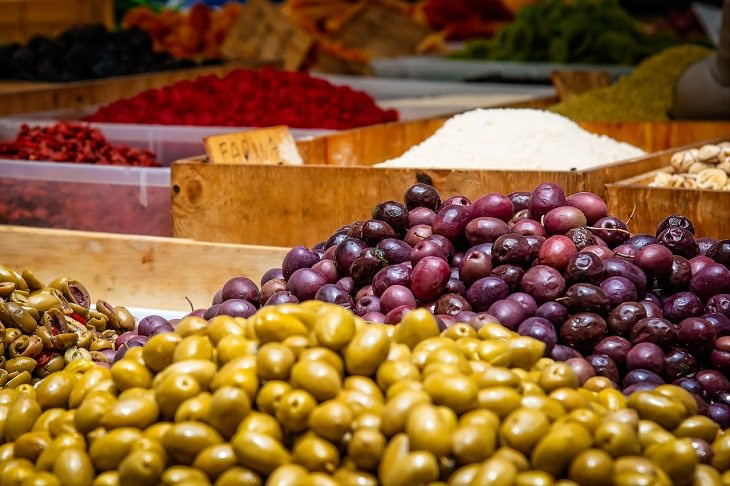
The olive flesh and its outer skin contain the aforementioned tyramine
compound, which is a byproduct of certain amino acids and acts in a
similar way to the neurotransmitters in our brain - the molecules whose
function is to transmit messages and substances in the body’s nervous
system. An excess of this substance can cause migraine symptoms to
appear, as demonstrated in a study conducted at the Royal Hospital in
London, as well as a study conducted at the University of Washington in
Seattle.
5. Dried fruits
Dried fruits contain, relatively speaking, very large amounts of
sulfates, which have been used to preserve foods for centuries. In
recent years, there has been a growing awareness of the link between
sulfates and the appearance of migraines. Among other reasons, this may
be due to the fact that these compounds increase oxidative stress in the
body, as has been shown in several studies, including one published in
2005.
6. Avocado
Although avocado is considered one of the healthiest foods that migraine
sufferers are advised to stay away from when they experience headaches.
Like olives, avocados also contain enough tyramine to significantly
increase the amount of time that migraine headaches are experienced, as
well as their strength. In addition to avocado, you should know that
plums also contain problematic tyramine.
7. Bananas
In addition to tyramine, which is found in Cavendish bananas, bananas
also contain histamines (what causes allergies), which can lead to a
migraine as well due to the connection between the two medical problems
and the immune system, as found in a study published in 2003.
8. Citrus fruits
Citrus fruits are considered to be the healthiest because of their
exceptional vitamin content, but for migraine sufferers, citrus fruits
can be dangerous. Like bananas, citrus fruits also contain tyramine and
histamines that can trigger a migraine attack.
9. Pastries made with yeast
Pastries made with yeast contain a component called coumarin which
causes migraines. This component is what also gives these pastries their
yeasty scent, however, it has been known for years as something that
triggers migraines.
10. Processed meat
Processed meats, such as sausages, hot dogs and hamburgers from fast
food restaurants, also contain tyramine, as well as sodium nitrate - two
substances that according to various studies cause changes in brain
chemicals leading to headaches and migraines. In addition, the processed
meats also contain a relatively large amount of preservatives, which of
course doesn’t contribute to calming the situation rather only
intensifies it. It should be noted that a study conducted in 2012 found a
direct and significant relationship between the consumption of red meat
and the appearance of migraines.
11. Aged cheese
When aged cheeses are made (Roquefort, Steelton, Berry, etc.), their
tyramine content naturally increases, which is caused by the protein's
decomposition over time. The older the cheese, the higher the tyramine
content; Therefore, although they are considered a delicacy because of
their strong aroma and special textures, aged cheeses are not
recommended for people suffering from migraines.
12. Sour cream
Choline is a natural ingredient found in sour cream and serves as an
essential building block of several molecules with different functions
in the body. Despite the importance of choline, several studies have
found a clear link between the consumption of foods containing it, such
as sour cream, and an increase in the frequency of headaches.
13. Milk and dairy products
As is understood from the previous sections, milk and its by-products
have an effect on the appearance and severity of migraines. In a study
published in 1983 among a sample of 48 people with migraines or asthma
attacks, 70% reported that removing dairy products from their diet
caused a significant improvement and alleviation of migraine headaches.
14. Alcoholic beverages
Drinking excessive amounts of alcohol has always been associated with
the appearance of dizziness and headaches of varying degrees of
severity, but it is important to know that migraine sufferers should
stay away from alcoholic beverages in general - because its various
components, including tyramine, encourage and stimulate the onset of the
phenomenon. It should also be noted that among the existing drinks, red
wine is considered a major trigger, as was shown in a study conducted
at the Queen Charlotte Hospital in London, due to its tannin content.
15. Monosodium glutamate
Monosodium glutamate, also known as MSG, is a chemical that can improve
and sharpen flavors. The use of monosodium glutamate is mainly in
Chinese cuisine, but also in canned and instant-prep foods. MSG is known
as one of the fastest migraine triggers because it causes blood vessel
contraction in the brain and can lead to the release of nitrogen oxide
which causes headaches to appear. Therefore, those suffering from
migraines should stay away from foods containing it.
16. Artificial sweeteners
We often reach for artificial sweeteners when we want to lose weight or
just cut our sugar intake. Beyond the fact that it causes more harm than
good, migraine sufferers are advised not to touch any of the various
artificial sweeteners, because they contain exotoxins - toxins that
cause the neurons that make up our brain to fire signals at an increased
rate, a condition which also characterizes a migraine attack.