Sunday, March 25, 2018

Various tests for heart attack and what procedures can be done

Your doctor may recommend:
  • EKG (electrocardiogram): It reads your heart's electrical activity.
  • Echocardiography: It shows your heart’s size, shape, and how well it works. 
  • Cardiac MRI (magnetic resonance imaging): This makes detailed pictures of your heart at work.
  • MUGA (multiple gated acquisition): You get a little radioactive material injected into your bloodstream to help special cameras take pictures of your heart.  

Cardiac Catheterization

Your doctor may put a soft, thin tube called a catheter into a blood vessel in your neck, arm, or upper thigh and guide it to your heart. The Dr. may send a special dye that’s visible on X-rays into the tube to check for narrowed or blocked arteries. The Dr. can also test your heart’s response to certain drugs or electrical signals.Dr. may even use the tube to do angioplasty, a procedure to open blocked arteries.  

If You Need an ICD

This device is a small automated defibrillator that a surgeon can implant under your skin to send an electric shock to your heart if he finds certain irregular heartbeats. Your doctor may suggest that you get one if you have severe heart disease or have already had cardiac arrest. A surgeon places the ICD under your skin. Some devices include a pacemaker as well as an ICD to keep your heart rhythm regular.
 

THIS IS ONLY FOR INFORMATION, ALWAYS CONSULT YOU PHYSICIAN BEFORE HAVING ANY PARTICULAR FOOD/ MEDICATION/EXERCISE/OTHER REMEDIES.                                                                                                                                                                                                      PS- THOSE INTERESTED IN RECIPES ARE FREE TO VIEW MY BLOG-                                                                                           https://gseasyrecipes.blogspot.com/   

FOR INFO ABOUT KNEE REPLACEMENT, YOU CAN VIEW MY BLOG-                                                           https:// kneereplacement-stickclub.blogspot.com/                              
FOR CROCHET DESIGNS                                                                                                                                                                                                                                         https://my crochet creations.blogspot.com/

Labels: , , , , , , ,

Tuesday, September 17, 2013

Atrial Fibrillation

Diagram Of Atrial Fibrillation
What Is Atrial Fibrillation?
Atrial fibrillation (AFib) is a condition that disrupts the body's regular heartbeat. A glitch in the heart’s electrical system makes the upper chambers (the atria) quiver. This causes the lower chambers (the ventricles) to beat irregularly. AFib can be dangerous because it raises the risk of stroke and heart failure.

Warning Sign: Uneven Pulse
In many people, AFib does not cause obvious warning signs. When symptoms do occur, they often include:
An uneven pulse
A racing or pounding heart
A feeling that the heart is fluttering
Chest pain

Illustration Of Heart Activity

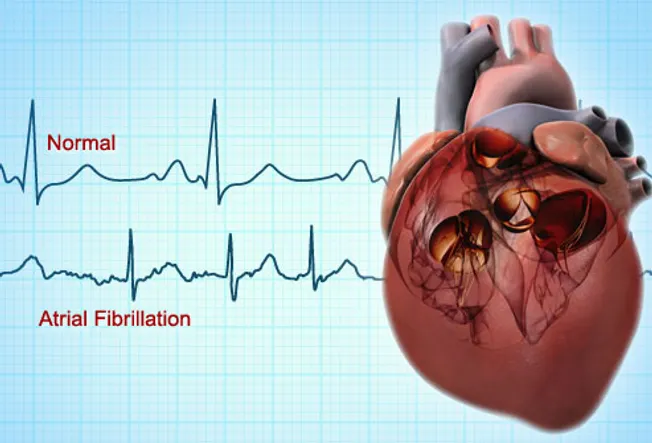
Normal Heart Rhythm vs. AFib
Electrical signals between the atria and ventricles help the heart pump blood in steady rhythm.  In AFib, the atria fire abnormal signals, which make the top chambers quiver rapidly. The result can be irregular contractions that can cause a fast, irregular heart rate (100-175 beats per minute). The normal range is 60-100 beats per minute.

Warning Sign: Dizziness
An irregular heartbeat can take a toll on the body, leading to problems such as:
Dizziness
Breathlessness
Weakness and fatigue
Fainting

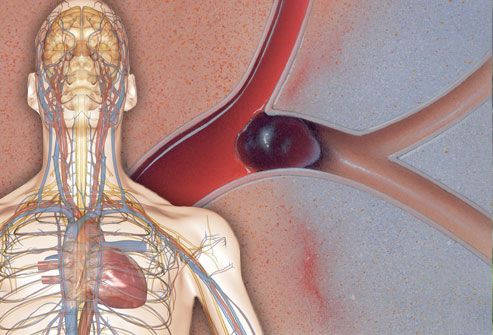
Illustration Of Blood Clot
AFib and Stroke
If the heart isn’t pumping like it should, blood can pool and may form a clot. This clot can travel through the bloodstream to the brain, causing a stroke. People with AFib are five times more likely to have a stroke than those without it.

When to Seek Emergency Care
AFib is not always an emergency, but you should call 911 if you have any of these symptoms:
Severe chest pain
Uneven pulse and feeling faint
Signs of a stroke, such as numbness or slurred speech

What Causes AFib?
The most common triggers are conditions that strain the heart, including:
High blood pressure
Coronary artery disease and heart attacks
Heart failure
Problems with the heart valves
In some cases, AFib may come from thyroid disorders or serious infections like pneumonia.

Risk Factors You Can't Control
Besides heart conditions, there are several factors that raise your risk of developing AFib. Some of these are outside of your control:
Being male and white
Being over age 60
A family history of AFib

Risk Factors You Can Control
Your lifestyle and habits can also raise your risk. AFib has been linked to:
Obesity
Lung disease
Certain prescription drugs like albuterol
Stimulants, including some illegal drugs, and heavy use of nicotine
Drinking too much alcohol
 
Heart Surgery Can Be a Trigger
Having a coronary artery bypass or other type of heart surgery can trigger AFib. When AFib happens after surgery, it increases the risk of other complications. The good news is this type of AFib is usually short-lived.

Lone AFib
Sometimes AFib happens without an obvious trigger. This is called lone AFib, and it’s more common in people younger than 65.  You may need treatment if a rapid heartbeat causes troubling symptoms. Doctors may recommend treating lone AFib to reduce the risk of stroke in certain people.

Diagnosing AFib: EKG
The surest way to detect AFib is with an electrocardiogram (EKG). This painless test records the electrical activity of your heart and reveals problems with the heart’s rhythm. You can take the test in a doctor’s office, or your doctor may ask you to wear a device that records your heart’s activity continuously for 24 hours or more.

Other Tests for AFib
If an EKG shows that you have AFib, your doctor may order other tests to learn more about your heart. An echocardiogram or ultrasound of the heart can show whether there is any valve damage or signs of heart failure. A stress test can show how well your heart is performing. Your doctor may also order tests to look for conditions that may have triggered your AFib.

The Course of AFib
When people first develop AFib, it may come and go. The irregular heart rhythm may last anywhere from a few seconds to a few weeks before returning to normal.  In some people, the heart rhythm can remain irregular. If the trigger is a thyroid problem, pneumonia, or other treatable illness, AFib usually goes away once the cause is treated.

Types Of Treatment: 1) Cardioversion
In some cases, your doctor may try to restore a normal heart rhythm with an electrical shock or medication. This is known as cardioversion. If you’ve been having AFib for more than 48 hours, cardioversion could raise your risk of stroke. In that case, you may need to take a blood thinner for several weeks before your doctor tries it, as well as after cardioversion.

2) Medication
If your symptoms are mild, or if AFib comes back after cardioversion, you may be able to control it with medicine. Rhythm-control medicines help regulate your heart rhythm. Rate-control medicines keep your heart from beating too fast. Daily aspirin or anti-clotting medicines such as dabigatran, rivaroxaban, or warfarin can help reduce the risk of stroke in  certain people with AFib.

3) Ablation
If cardioversion and medications can't control the symptoms of AFib, radiofrequency ablation may help. This procedure uses radiofrequency energy to destroy the heart tissue that sends out faulty electrical signals. Although it does not require open heart surgery, ablation has some risks. It is only recommended for people who have serious symptoms despite trying other treatments.

4)  Surgery
A type of surgery called the maze procedure can cure AFib. Doctors make a pattern of small cuts to create scar tissue in the atria. The scar tissue blocks the abnormal signals that cause AFib. Doctors usually do this procedure during open heart surgery, but some medical centers are now offering a minimally invasive procedure.

5)  Pacemaker
A pacemaker is a small, battery-powered device that regulates your heart rate by firing off electrical signals. For example, it can be helpful for people who have a very slow heart rate. It can relieve symptoms such as fatigue and shortness of breath. A pacemaker is also required after certain types of ablation. Implanting a pacemaker in the chest is considered minor surgery and usually takes about an hour.

AFib: Outlook
Many people find that AFib has no impact on their daily lives. Others must try different treatments to manage troubling symptoms like weakness, shortness of breath, or fainting. In either case, it’s important that people with AFib take steps to reduce the risk of stroke.

Preventing AFib
The same healthy habits that protect against heart disease will protect against AFib:
Eat a nutritious diet that includes fish.
Exercise regularly.
Control your blood pressure.
Avoid smoking.

Check Your Pulse Regularly
AFib can lead to a stroke or other serious problem before it causes noticeable symptoms. To catch an irregular heartbeat early, the National Stroke Association recommends checking your pulse once a month -- especially if you are over 40 or have risk factors for stroke. If the rhythm seems unsteady or you have any concerns, contact your health care professional.


ps- this is only for information, always consult you physician before having any particular food/ medication/exercise/other remedies.

ps- those interested in recipes are free to view my blog-

http://gseasyrecipes.blogspot.com/


for info about knee replacement, you can view my blog-


http://Knee replacement-stick club.blogspot.com/


for crochet designs


http://My Crochet Creations.blogspot.com

Labels: , , , , , , , , , , , , , , , ,

Wednesday, August 21, 2013

Cardiac Sarcoidosis:Causes, Types, Diagnosis, Treatment

Cardiac Sarcoidosis: Causes
The exact cause of sarcoidosis is unknown. Granulomas appear to be the result of an immune system response to an unidentified trigger. Infections agents as well as environmental exposures are thought to be possible precipitants for this immune response; however, no clear triggers or causes have been identified. Genetic mutations in white blood cell proteins (called human leukocyte antigens, or HLA) as well as chemicals that control inflammation (called cytokines) have also been linked to sarcoidosis.

Cardiac Sarcoidosis: Types
Cardiac sarcoidosis (CS) can take many forms, some benign and others serious.

Heart Rhythm Disorders: Interference of electrical movement through the heart is the one of the  complications of CS and can include complete heart block which can be life threatening. Alternatively, fast heart rhythms such as atrial flutter, atrial fibrillation, supraventricular tachycardia, and ventricular tachycardia can be present. Ventricular tachycardia occurs in almost 25 percent of CS patients and is of particular concern since it can lead to sudden cardiac death. These possible complications may occur suddenly without warning.
Heart Failure: Heart failure is another common complication of CS. Sarcoidosis can cause the heart muscle to weaken and/or stiffen, leading to fluid retention in the lungs, abdomen, and lower extremities. In extreme cases, an aneurysm can form due to weakening of the heart wall. Granulomas can also infiltrate the heart valves, causing leaky valves also resulting in heart failure.
Coronary Disease: Although rare, CS can cause inflammatory disorder of the heart arteries called vasculitis. In severe forms, vasculitis can lead to coronary artery blockages, chest pain and, ultimately, heart attacks.
Pericardial Disease: Inflammation of the sack around the heart, called pericarditis, is another rare but important form of CS.

Diagnosing cardiac sarcoidosis (CS) can be very challenging. There are no widely accepted guidelines for either screening or diagnosing CS. Moreover, the current available diagnostic tests are variable in their ability to detect CS. Because of its devastating nature, most patients with other forms sarcoidosis are screened for CS.

Initial cardiac evaluation may include an EKG, a signal averaged EKG, an echocardiogram and a Holter monitor (extended EKG). Additional imaging tests may include single positron emission computed tomography (SPECT), positron emission tomography (PET) and cardiac MRI. A positive heart biopsy confirms CS, but a heart biopsy may more often be negative or normal even when there is sarcoid in the heart, especially if heart function is normal.

Cardiac Sarcoidosis: Treatment
Controversy exists as to the best treatment for cardiac sarcoidosis (CS). However, treatment is generally directed at minimizing the inflammation associated with CS and protecting against the life-threatening complications.

Because of their anti-inflammatory properties, corticosteroids (cortisone, prednisone and methylprednisolone) are the first-line therapy. When patients cannot take steroids, or when combination therapy is necessary, medications such as methotrexate, azathioprine, mycophenolate and antimalarials are used.

Additional therapies for specific CS-related heart disorders may be necessary. For example, heart rhythm disorders such as complete heart block typically require placement of a permanent pacemaker, whereas ventricular tachycardia generally requires internal cardiac defibrillator (ICD) placement.


ps- this is only for information, always consult you physician before having any particular food/ medication/exercise/other remedies.

ps- those interested in recipes are free to view my blog-

http://gseasyrecipes.blogspot.com/

for info about knee replacement, you can view my blog-

http://Knee replacement-stick club.blogspot.com/

for crochet designs

http://My Crochet Creations.blogspot.com/


Labels: , , , , , , , , , , , , ,