Tuesday, March 05, 2019

8 Medical Conditions Often Misdiagnosed in Women

No one has ever called medicine an easy job, and there’s a reason why doctors spend a decade of their life merely preparing for their career. It’s one of the highest-pressure jobs, where people’s lives are quite literally in your hands. Often enough, it comes down to guesswork, as doctors don’t always have the tools to give a foolproof diagnosis, but missing the mark could potentially cause irreversible harm to the patient. This is why we should strive to make their jobs easier, by familiarizing ourselves with important symptoms and describing what we’re experiencing in the most accurate manner.
 
This is particularly true of conditions that are specific to women or that affect women at higher rates, as well as symptoms that are unique to women, as doctors are especially prone to misdiagnosis in these cases, and ruling a stroke or a heart attack out as a mild fever could very well mean death. If you feel like your doctor is giving you the wrong diagnosis, voice your concerns. If he or she do not budge, seek a second opinion.
Here are several conditions and their symptoms that you should definitely be aware of:
Stroke
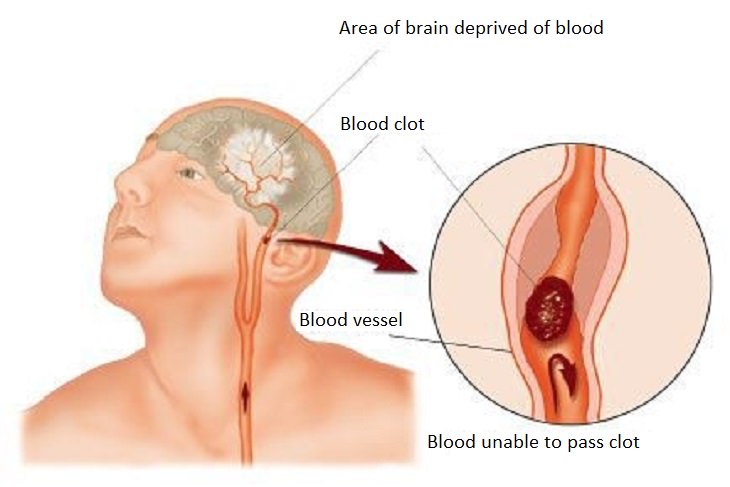
Women's health: stroke

Strokes are among the leading causes of death and disability, and while you may be familiar with some of the general symptoms which may indicate an impending stroke, such as blurred eyesight in either or both eyes, numbness in one side of the body, garbled speech, problems comprehending speech and loss of balance and coordination, you may not be aware that there are other symptoms that are unique to women and are often misdiagnosed. Those include nausea, seizures, shortness of breath, painful and sudden hiccups, fainting and a general weakness.
Fibromyalgia
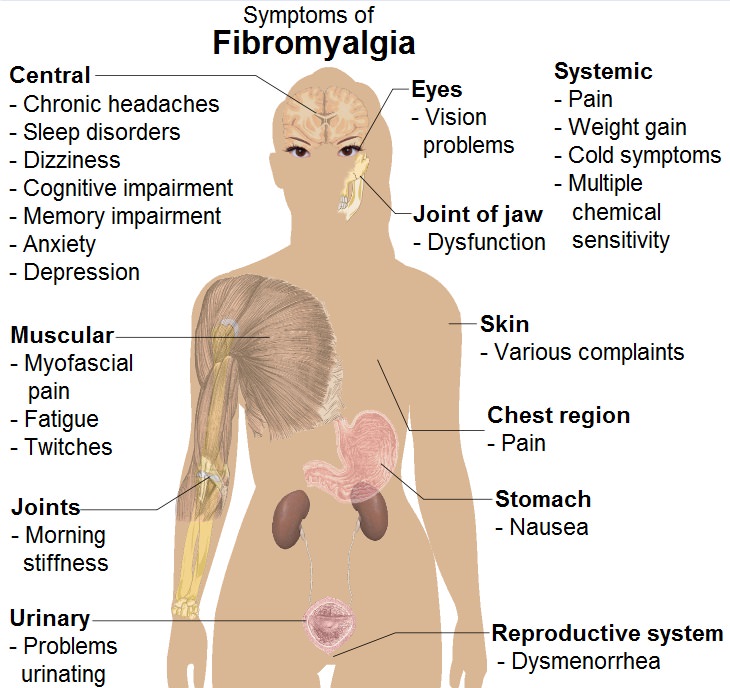
Women's health: fibromyalgia
Fibromyalgia is a medical condition that affects 2-8% of the population, with women being affected at twice the rate as men. Typical symptoms include chronic pain, tiredness, sleep deprivation and forgetfulness. As many of the symptoms are rather non-specific and characteristic of other conditions, it is often misdiagnosed. One telltale sign of fibromyalgia are specific points that are more sensitive to pain than others. A combination of these tender points might reflect fibromyalgia affliction: elbows, knees, buttocks, shoulders, chest, neck and the base of the skull.
Lyme Disease
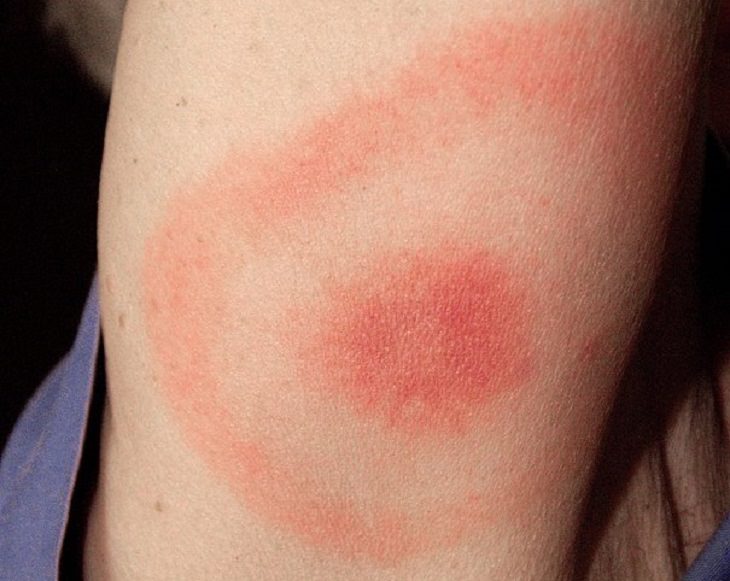
Women's health: Lyme disease
Lyme disease is a particularly harsh infection that’s transmitted by ticks and can cause facial paralysis, severe brain damage and impairment of motor capabilities if left untreated. The most common and recognizable sign of Lyme is a dark rash where the tick bit into the skin, surrounded by a secondary “halo” rash, giving the appearance of a bull’s eye. But the rash doesn’t always look that way, and as many as 30% of people who contact Lyme disease don’t have any rash at all. Other symptoms have been likened to flu: headaches, stiffness, fever and discomfort.
Irritable Bowel Syndrome
Irritable bowel syndrome (or IBS) is a cause for much discomfort that can easily be confused with other conditions such as bowel inflammation, H. pylori infection, celiac and parasites.
IBS is characterized by bloating, lack of appetite, gas, and irregular stools (either diarrhea or constipation). Women are three times more likely to be affected by IBS, and many report that the symptoms are worsened by menstruation.
Depression
Even as our world is progressing towards equality, there is still a lot more progress to be made, as misogyny is still very real and haunts women wherever they go, even in the field of medicine. Many women who complain to a doctor about experiencing symptoms of depression are treated as if it’s a “mood swing” that will fade in time. Depression is a very serious mental condition that can have various catalysts and can manifest in different ways, such as listlessness, fatigue, inability to savor things that would regularly bring you joy, social withdrawal, self-doubt and rumination over your shortcomings and more.
Endometriosis
Endometriosis is a well-known condition that afflicts millions of women worldwide, yet for reasons unknown, doctors seem very hesitant to diagnose it. Endometriosis occurs when cells of the same type as the ovarian lining grow outside of the ovaries, it causes intense pelvic pain in many of the afflicted women. Around half of the afflicted women become infertile, with endometriosis being one of the leading causes of infertility. If all of this wasn’t bad enough, another common symptom is pain during intercourse. Although there is no cure for endometriosis, early diagnosis could help mitigate the symptoms, slow its progress and prevent infertility.
Lupus
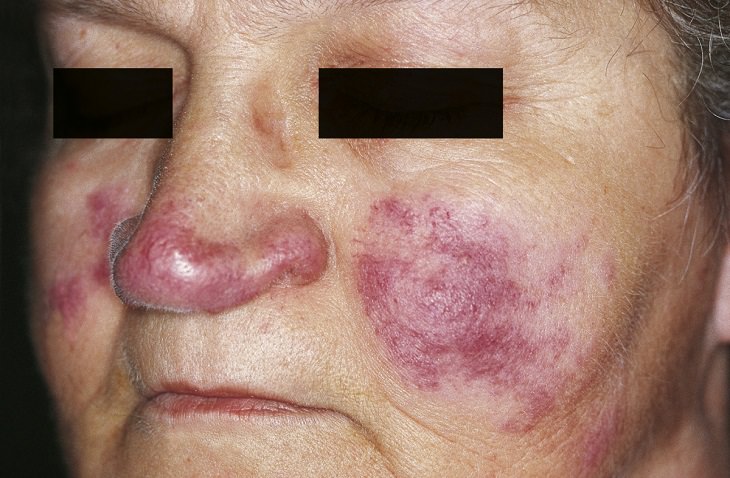
Women's health: lupus
Lupus is an incurable, genetically-transmitted disease that shares many of its symptoms with other auto-immune diseases and conditions that afflict women at higher rates than men. Women are nine times more likely to contract lupus than men (though the prognosis tends to be worse for men afflicted). Lupus used to be considered a terminal disease, but these days, 90% of people living with lupus are able to live a full life. Because of the effective treatment, it is incredibly important to diagnose it in time. The most telltale sign of lupus is a rash over the nose and cheeks in a shape similar to a butterfly.
Heart Attack
Heart attack is one of the most vicious killers around, and though the most common and obvious sign of a heart attack is chest pain, there are many other signs that have nothing to do with the chest, and women who go through cardiac arrest report experiencing those at a higher rate than men. These symptoms include: dizziness, unusual fatigue, sweat, nausea, shortness of breath and pain or discomfort in the jaw, neck, back, and either of the shoulders or arms.
THIS IS ONLY FOR INFORMATION, ALWAYS CONSULT YOU PHYSICIAN BEFORE HAVING ANY PARTICULAR FOOD/ MEDICATION/EXERCISE/OTHER REMEDIES.                                    PS- THOSE INTERESTED IN RECIPES ARE FREE TO  VIEW MY BLOG-                                                                                           https://gseasyrecipes.blogspot.com/                                                                                                                                                         FOR INFO ABOUT KNEE REPLACEMENT, YOU CAN VIEW MY BLOG-                                                  https:// kneereplacement-stickclub.blogspot.com/           

                                                                           FOR CROCHET DESIGNS                                                                                                                                                                                                  https://gscrochetdesigns.blogspot.com


Labels: , , , , , , , , , , , ,

Friday, January 24, 2014

Can antibiotics be replaced with damage limitation therapy? No, say researchers!

Antibiotics have been at the receiving end of flak for a while now. (Why?) While research has been going on to figure out potential replacements, researchers now warn not to depend today on therapies which limit damage and give time to our immune system to fight infections.
Damage limitation therapies that control the symptoms caused by a bug or virus in the body rather than killing it at the first place, may not be effective in the long term, scientists have found.
Damage limitation therapies focus on enabling the patient to tolerate disease and buy the immune system valuable time to get rid of the infection naturally.
Researchers at the Universities of Edinburgh and Liverpool in Britain created a mathematical model to look at how damage limitation drugs could affect how infections spread and evolve.
People given damage limitation therapies may appear healthy, but carry high levels of infection and so may be more likely to pass on disease, said the study published in the journal PLoS Biology.
‘In treating infections with drugs, we change their environment, but bacteria and other infectious agents are incredibly good at adapting to their environment,’ said Pedro Vale of University of Edinburgh’s school of biological sciences.
The researchers found that for certain infections, where the symptoms are not linked to the spread of disease, these drugs may prevent disease from evolving too quickly.
However, people with lesser symptoms could remain undiagnosed and add to the spread of disease, the study said.
‘Damage limitation therapies may be a useful alternative to antibiotics, but we should be cautious, and investigate their potential long-term consequences,’ Vale added.

ps- this is only for information, always consult you physician before having any particular food/ medication/exercise/other remedies.
ps- those interested in recipes are free to view my blog-

http://gseasyrecipes.blogspot.com/


for info about knee replacement, you can view my blog-


http://Knee replacement-stick club.blogspot.com/


for crochet designs


http://My Crochet Creations.blogspot.com

Labels: ,

Thursday, February 10, 2011

chronic obstructive pulmonary disease (COPD)-Household Hazards you can do away with


Here are nine other household hazards for people with COPD:
1. Air Ducts Filled With Dust
The forced-air heating and cooling systems found in many homes can blow dust and other irritants throughout the house. Cleaning the air ducts periodically can help alleviate this problem.
2. Carpets That Collect Dust and Dirt
Rugs and carpets are another major source of dust and dirt. “Every time you walk on a carpet or rug, you stir up a cloud of dust that you may or may not be able to see,” says a Dr..
Wall-to-wall carpets cause more trouble than rugs, because they tend to be bigger (and therefore harbor more irritants) and harder to clean than rugs (which can simply be rolled up and taken to a cleaner). New carpets can be especially irritating, because they can “out-gas” formaldehyde and other noxious organic compounds for an extended period of time after installation.
The bottom line? “If someone in the house has COPD, bare wood floors are best,” says a Dr. To further minimize the threat posed by dust, leave shoes at the door and arrange to have someone who doesn’t have COPD dust, sweep, vacuum, etc.
3. Cleaning Products That Give Off Fumes
Oven cleaners, spray polish, and other household cleansers -- especially those that contain bleach or ammonia -- can be very irritating. “Anything that gives off fumes can cause problems -- bathroom cleaning products, in particular,” Thomashow says.
“Many people with COPD have a red, raw airway,” . “If you breathe in the fumes from these products, you’re just fanning the flames.”
He recommends replacing fume-producing products with less-irritating “green” cleansers -- or relying on old-fashioned cleaning agents like soap and water, baking soda, and vinegar.
The room being cleaned should be well ventilated, and someone who doesn’t have COPD should wield the mop and scrub brush (and the person with COPD should steer clear until the job is done). After use, cleaning products should be tightly capped and put away.
If someone with COPD must use cleaning products, the COPD Foundation recommends wearing a respirator mask rated “N95” by the National Institute for Occupational Safety and Health.
4. Dry Cleaning Chemicals
Some people with COPD are sensitive to the odor of newly dry-cleaned garments. To avoid trouble, take the clothes out of the plastic and let them air out before putting them in your closet.
Alternatively, put them in a room with an open window -- and close the door. You might also look for a “green” dry cleaner that doesn’t use harsh chemicals.
5. Fireplaces and Wood Stoves
A roaring wood fire gives off light and warmth -- and all manner of irritating gases and sooty particulate matter.
“I generally recommend against using fireplaces,”  says a Dr. with a laugh. “Fake ones are OK.”
Schachter says, “Having a fire is like smoking a cigarette. I’m not saying do away completely with fires and candlelight dinners but to do everything in reason.”
One fire that should never be allowed to burn inside the home of someone with COPD: the one at the tip of a cigarette. “There can be no compromise with smoking,” says a Dr.. “That is death.” Even passive smoking (exposure to someone else’s tobacco smoke) can be risky for people with COPD.
6. Moisture That Breeds Bacteria and Mold
From shower stalls to basements to that sponge left lying by the kitchen sink, sources of moisture in the home can promote the growth of bacteria and mold.
What can you do to stymie these irritants? Seal all leaks. Wipe up spills right away, and throw out water-damaged carpeting. Use fans to increase ventilation in bathrooms and kitchens. Replace kitchen and bath sponges frequently.
Pick up a humidity meter and take steps to keep indoor humidity below 40% -- for example, by running a dehumidifier or air conditioner.
7. Pet Dander and Dirt
Cats and dogs fill a home with love -- but also with irritating dirt and dander (bits of dry skin and hair).
Not eager to bid au revoir to Rover? Have him washed and groomed twice a month. And keep him out of your bedroom.
8. Showerheads That Harbor Mycobacteria
Recent research has shown that showerheads can harbor so-called “atypical mycobacteria.” These germs are generally harmless to healthy people, but capable of causing a chronic, low-grade infection that brings coughing and shortness of breath in people with COPD. Mycobacteria are also resistant to antibiotics, making them hard to eradicate.
To avoid trouble, Dr. recommends having showerheads cleaned (or replaced) twice a year.
9. Toiletries: Scented Soaps, Shampoos, Sprays
Some people with COPD are sensitive to scented soaps, shampoos, deodorants, hairsprays, and cosmetics. If that describes someone in your house, stick with unscented personal products -- and steer clear of perfume and cologne.


Labels: , ,