A Comprehensive Guide to Stomach Cancer
Stomach cancer starts when cancer cells
form in the inner lining of your stomach. This is a slow-growing disease
that usually grows over many years.
If you know its symptoms, you and your doctor might be able to spot it early, when it's a lot easier to treat.
What Causes Stomach Cancer?
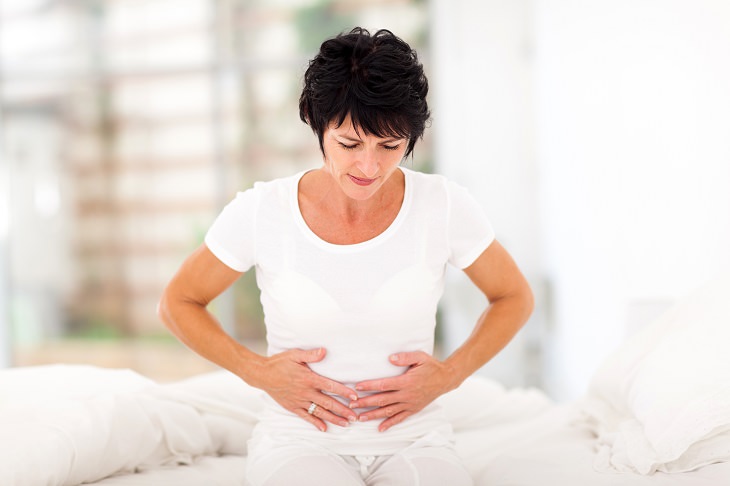
Doctors don't know what causes cancer cells
to start growing in the stomach, but they do know a few things that can
increase your risk of getting the disease. One of them is infection
with a common bacteria, H. pylori, which causes ulcers. Growths in your
stomach can also increase your likelihood of getting stomach cancer.
Other things that seem to play a role in increasing your risk include:
• Being overweight or obese
• Smoking
• Type-A blood
• A diet that is high in smoked, pickled, or salty foods
• Certain genes
• Exposure to asbestos
• Working in coal, timber, metal, or rubber industries
• Epstein-Barr virus infection
Symptoms
Early on, stomach cancer may cause:
• Heartburn
• Indigestion
• Feeling bloated after a meal
• Slight nausea
• Loss of appetite
Just having heartburn or indigestion after a meal doesn't mean that you
have stomach cancer. However, if these symptoms occur a lot, talk to
your doctor. They will be able to see if you have other risk factors and
give you some tests to detect any problems.
As the stomach tumor starts to grow, you may have more serious symptoms,
such as:
Blood in your stool
• Stomach pain
• Vomiting
• Weight loss for no apparent reason
• Trouble swallowing
• Yellowish eyes or skin
• Swelling in your stomach
• Constipation or diarrhea
• Weakness or feeling tired
• Heartburn
Getting a Diagnosis
Your doctor will give you a physical exam. He should also ask you about
your medical history to see if you have any risk factors for stomach
cancer or any family members who have had it. Then, he might give you
some tests, including:
• Blood tests to look for signs of cancer in your body.
• Upper GI series test - You will drink a chalky liquid with a substance
called barium in it. The fluid coats your stomach and makes it show
more clearly on X-rays.
• Upper endoscopy - Your doctor will place a thin, flexible tube with a
small camera down your throat to look into your stomach.
• Biopsy - Your doctor takes a small piece of tissue from your stomach
to look at under a microscope for signs of cancer cells.
• CT Scan - This is a powerful X-ray that takes detailed pictures of the
inside of your body.
Treatment
There are many treatments that are used to fight stomach cancer. The one
that you and your doctor choose will depend on how long you have had
the disease or how much it has spread through your body.
Surgery
Your doctor might decide to remove part of
your stomach and other tissues nearby that have cancer cells. Surgery
gets rid of the tumor and stops it from spreading further. If your
disease is advanced, the doctor might need to remove all of your
stomach.
Chemotherapy
Drugs kill your cancer cells or keep them from growing. You can take
them as pills or through an IV at a hospital. Chemo usually takes
several weeks, and the drugs often have unpleasant side effects.
Radiation
High-energy waves or particles can destroy cancer cells and shrink
tumors. Your doctor may use an X-ray or other machines to beam radiation
at the tumor.
Targeted Drugs
These newer drugs are different because they only fight the cancer
cells. Other treatments, such as radiation and chemo, can kill healthy
cells along with diseased ones. As a result, targeted therapies have
fewer side effects than other treatments.
How Can I Prevent Stomach Cancer?
Eat Healthy

Put more fruit and vegetables on your plate
every day. They're high in fiber and vitamins that can lower your
cancer risk. You should avoid very salty, cured, pickled, or smoked
foods, processed lunch meats, and smoked cheeses. Keep your weight at a
healthy level too, as being overweight increases your risk of the
disease.
Don't Smoke
Your risk of getting stomach cancer is doubled if you use tobacco.
Treat Stomach Infections
If you have stomach ulcers from a H. Pylori infection, get treatment.
Antibiotics can kill the bacteria, and other drugs will heal the sores
in the lining of your stomach to decrease your risk of cancer.